


















As seen in the movies, the idyllic picture of a writer is a sabbatical on a tropical island or a getaway to a quiet, cozy cabin in the woods, where ideas flow endlessly and our novel is complete in a matter of months. Oh, and we get no manuscript rejections and have about 10 other ideas lined up for another best-selling novel. But, when we were five or six years old, writing stories with crayons on construction paper, nothing could have prepared us for the reality of the profession when we got older.
The reality is that some of us are full-time students, full-time employees, juggling multiple jobs, or are parents, trying our hardest not to let one of our biggest dreams slip away in the hustle of everyday life. Most of us are sitting on a book we started years ago that’s still unfinished, unshared with the rest of the world, let alone a few of our closest friends. The act of writing itself can be, at times, the worst, most emotionally and physically draining part of being a writer. But this doesn’t mean you must give up on the dream; you need to know your limits and how to cope with the stress of being creative.
TBH, Writing Is Stressful
A lot of effort and time goes into being creative. It’s not as glamorous as one might think. Talent is part of it, but it doesn’t encompass the entire scope of what it means to be a writer. One must constantly learn new vocabulary and hone one’s craft. However, imposter syndrome, rage quitting, and the sinister tendrils of doubt will always find a way to creep into the mind of a writer and bring them down. When the words don’t immediately come to mind, when you have to dump information on the page just to have something to work with, and when you go through hours and hours of editing, writing can become overwhelming.
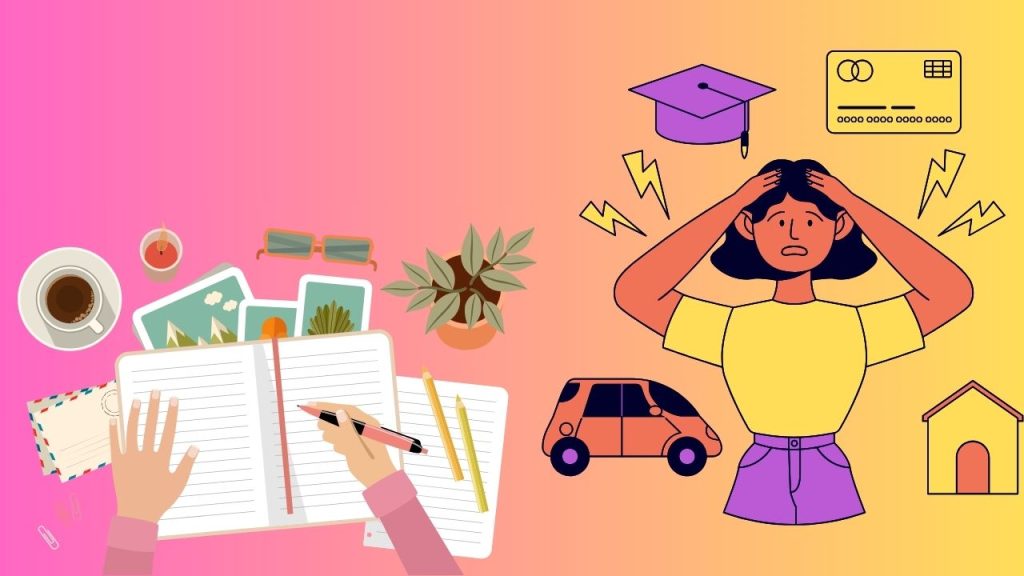
Many of us are high achievers and give everything we have into everything we’ve got. So when we create something that is not 100 percent perfect on the first try, it feels like our world is coming down around us. Although typical, these feelings are not sustainable, and we cannot risk our dreams of becoming a writer for it when there are ways to grow through it.
How To Beat the Creative Blues
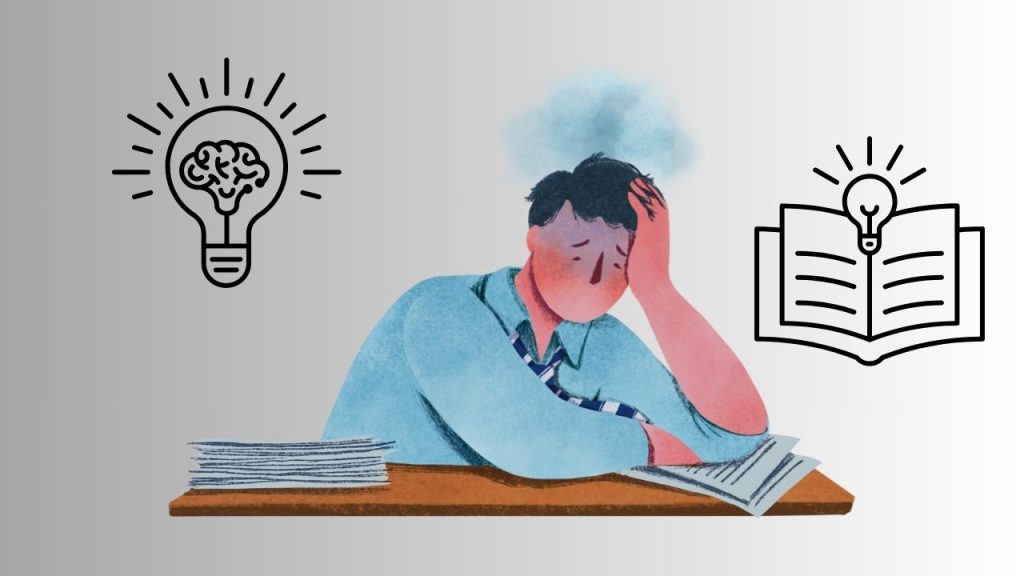
One of the best ways to reset your mind and feelings is to get some space. This may contradict the advice telling writers to stick to strict deadlines and word counts, but when you know you’ve hit a wall, get up from your desk and do something completely different from writing. Gain new knowledge and experience by trying out an undiscovered hobby. Even better, try a hobby that you will enjoy, but know you will fail on the first few tries. It will help cement the idea that progress isn’t linear and everyone is on their own timeline.

When you’re faced with rage quitting, one thing you could try is to read your die-hard, go-to favorite books. This can range from the first chapter or picture book you loved as a kid to your latest read that genuinely blew your mind. Remember how it feels to get lost entirely in a story, to be completely enamored in the lives of fictional characters or the melody of a poem. This not only reignites one’s love for literature but serves as a reminder of one’s goals, intentions, and reasons as a writer.
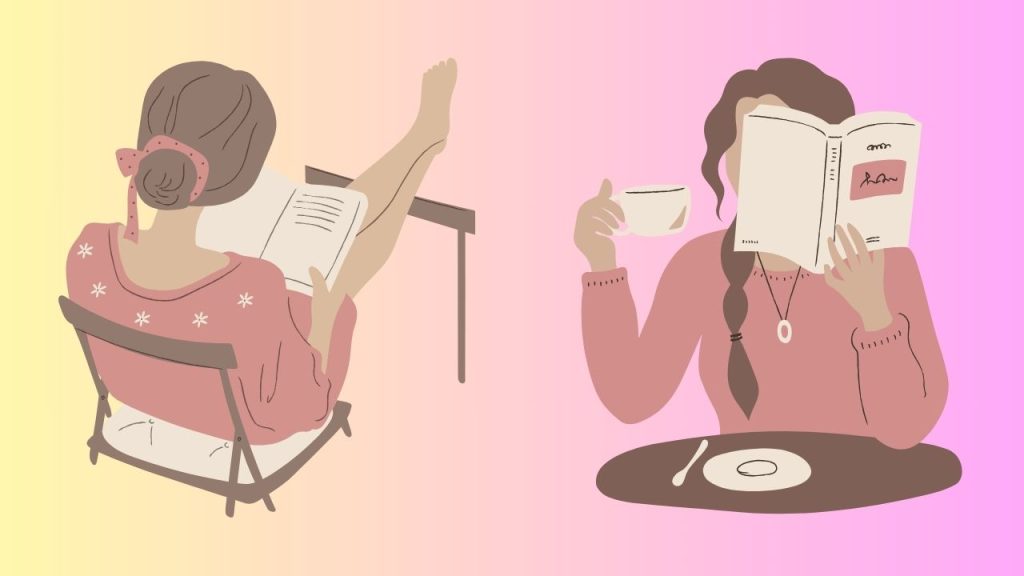
If you still want to write through your writer’s block, try silly exercises to keep the pen moving and reintegrate excitement and fun into the craft. Write a ridiculous short story or a poem about an inanimate object, research a niche topic, and create a random academic report. Whatever it is, have fun. And be sure not to isolate yourself and your writing process! Connect with family and friends. Maybe inspiration will spark from a mindless conversation!
However you get out of your slump, remember that there is a light at the end of the tunnel. Writing is rewarding, meaningful, and a valid hobby, profession, and dream. It is worth pursuing!
Click here for more opinion pieces.
Click here for some book recommendations on mental health.
