

















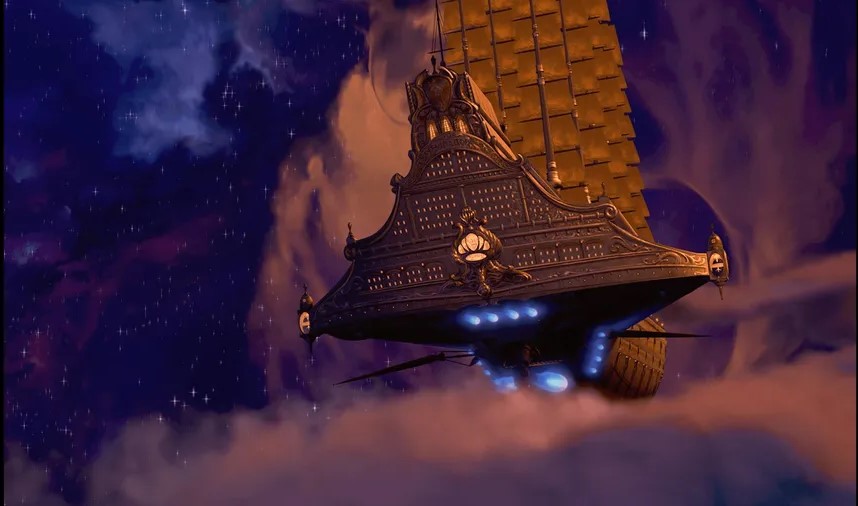
If you are drawn to adventures, treasure hunts, pirates, and mysterious islands, then you have likely heard of Robert Louis Stevenson — or at least encountered references to his name. His most famous works, Treasure Island and The Strange Case of Dr. Jekyll and Mr. Hyde, have inspired numerous adaptations that have shaped childhoods and teenage years alike. His name continues to be recommended among classic authors, referenced in popular films, and taught in schools worldwide. Stevenson’s legacy endures, leaving an undeniable mark on future generations.
Who was Robert Louis Stevenson?
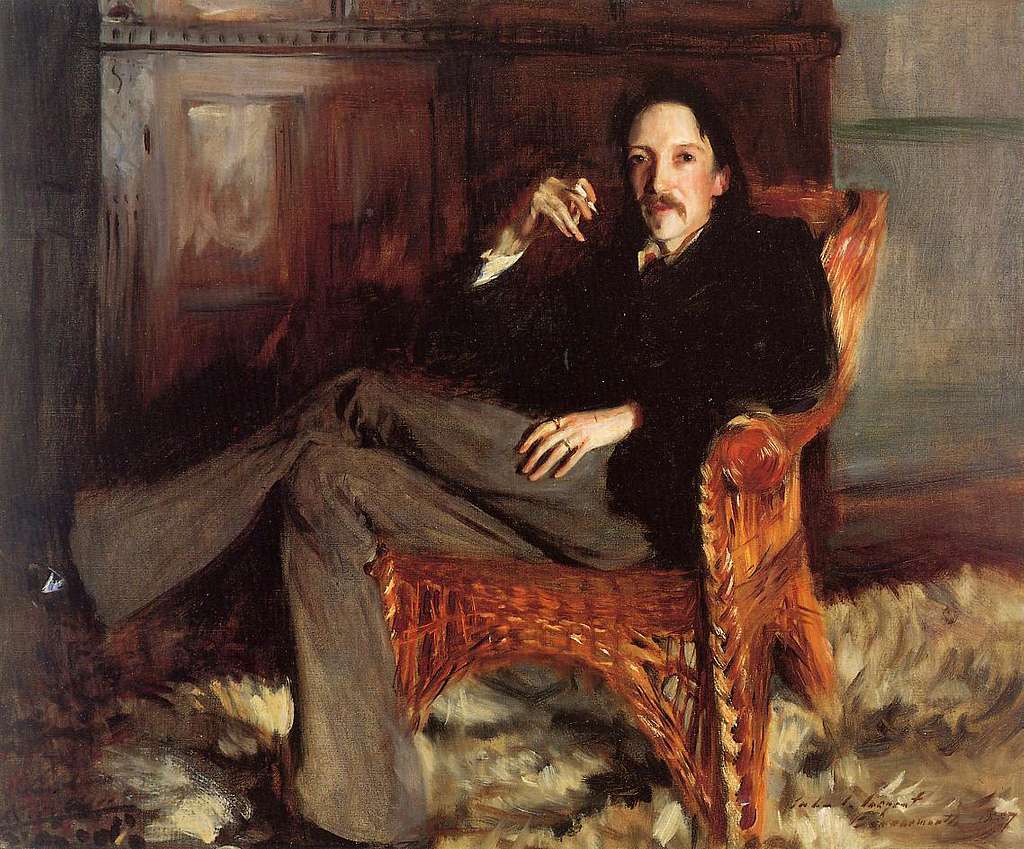
Born on November 13, 1850, in Edinburgh, Scotland, Robert Louis Stevenson was the son of Thomas Stevenson, a civil engineer, and his wife, Margaret Isabella Balfour. He was born with fragile health, which made schooling challenging, yet he was able to attend Edinburgh Academy and later, at age 17, the University of Edinburgh. Although he was expected to prepare for the family profession as a lighthouse engineer, Stevenson showed no interest in this path. Instead, he made an agreement with his father to study for the Scottish bar.
Early on, Stevenson demonstrated a deep passion for writing and devoted himself to learning the craft by emulating various styles in prose and verse. Despite his health issues, he was an avid traveler, and his journeys inspired several of his works, such as An Inland Voyage (1878) and Travels with a Donkey in the Cévennes (1879). His travels also led him to friendships with notable figures like Sidney Colvin, Edmund Gosse, and W.E. Henley, with whom he remained close until 1888. That year, a rift developed between them, as Henley felt that Stevenson’s wife may have acted in a way he deemed dishonest or improper. This created lingering resentment that continued until after Stevenson’s death.
In 1876, Stevenson met Fanny Vandegrift Osbourne, an American woman who was separated from her husband, and he fell deeply in love with her. Despite being ill and penniless, he followed her to California. After a honeymoon spent near an abandoned silver mine, they returned to Scotland to reconcile with his family.
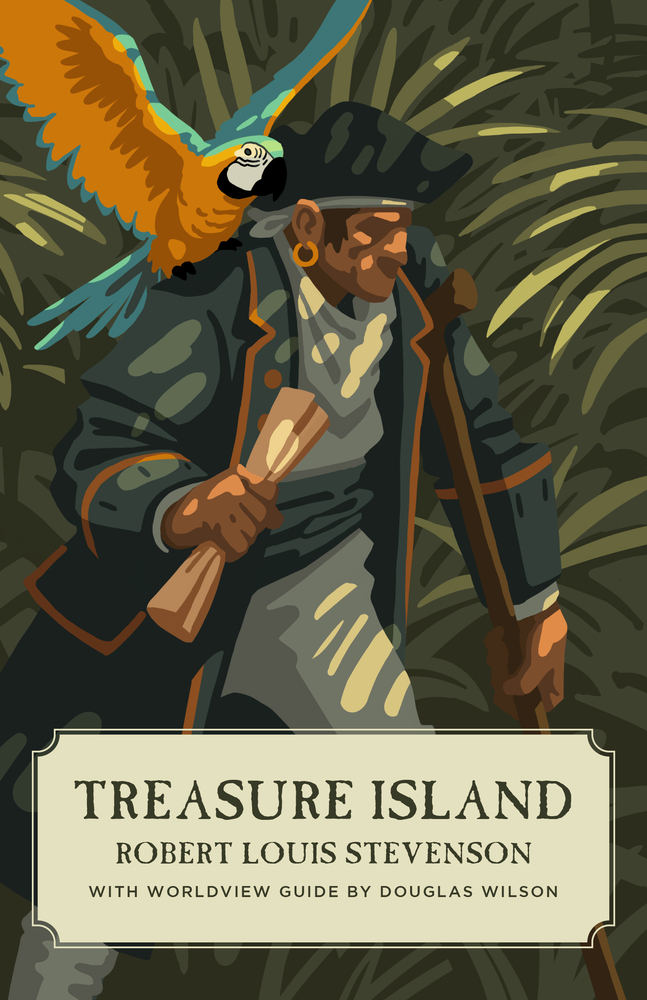
Back in Scotland, Stevenson’s worsening health led them to seek medical advice to relocate to a milder climate. In April 1881, the family left for Switzerland and spent the summer in Pitlochry and later in Braemar, Scotland. It was there, despite his illness, that Stevenson wrote Treasure Island, the novel that would cement his legacy and inspire countless adaptations — including the beloved sci-fi retelling Treasure Planet.
Character Parallels
When you compare the main characters of both pieces of media, it is fascinating to see how the core characteristics of the original novel remain intact despite the completely different and futuristic sci-fi setting where Treasure Planet happens. Let’s explore how the main characters of Jim Hawkins and John Silver are portrayed in both works, reflecting their timeless quality while adapting to new settings.
Jim Hawkins: Earthbound Dreamer vs. Space Explorer
In Treasure Island, Jim Hawkins is a young boy living a peaceful life at the Admiral Benbow Inn with his mother and father. He is young and naive, embodying innocence and curiosity. However, his journey quickly thrusts him into the brutal world of pirates and treasure hunting, where he is forced to become brave and resourceful to survive. His story centers on coming of age as he grows from an innocent boy, initially swayed by the decisions of others, into a brave young man guided by his own moral compass. By the end, Jim navigates the complexities of human relationships, trust, and ambition.
In Treasure Planet, Jim is a rebellious teenager who feels misunderstood, viewing himself as a disappointment with no promising future — a belief shaped by his father’s abandonment when he was young. Like his counterpart in Treasure Island, this Jim has a fascination with exploration and adventure, yearning to escape the confines of his ordinary life. However, unlike the original Jim, this version actively pursues adventure and sparks the main events of the story.

After discovering that the map he recovered from Billy Bones leads to Treasure Planet, Jim suggests that getting to Treasure Planet could be done by traveling by boat, to which Dr. Doppler responds by enthusiastically planning an expedition. Jim convinces his mother that the treasure could solve their problems and that going on this trip would give him the chance to correct his previous mistakes, hoping it will redeem him in her eyes. In other words, he is driven by a desire for adventure and self-redemption.
While the book presents Jim’s journey as one where he becomes a strong, independent young man able to take control of his life and pursue his goals, the movie portrays a Jim who initially struggles with self-doubt but grows to trust himself, realizing he can shape his own future. By the end of his journey, he believes there is more ahead for him than he once imagined.
Long John Silver: Cunning Pirate vs. Complex Cyborg
Of course, we can’t discuss Jim’s journey without mentioning the key figure of John Silver. In both Treasure Island and Treasure Planet, Silver is a cunning and charismatic pirate who walks a fine line between being Jim’s friend and foe. He manipulates those around him with ease, yet he becomes a significant mentor to Jim, teaching him invaluable lessons about life, independence, and trust, even though their goals ultimately conflict.
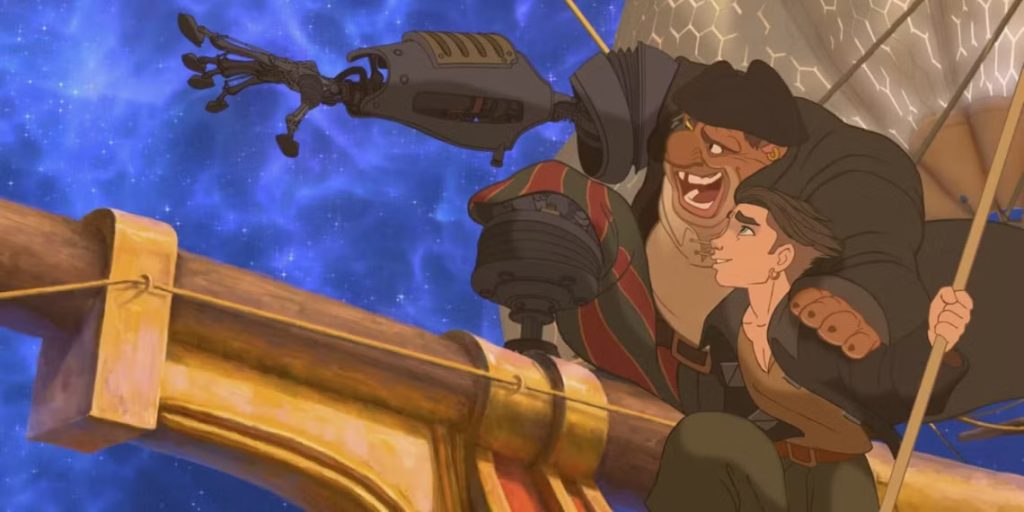
In Treasure Island, Silver is a complex figure — a blend of mentor and cautionary tale — who ultimately teaches Jim a difficult lesson in trust. While he guides Jim, he also prioritizes his own survival and ambitions, betraying Jim and disappearing by the end of the story. He represents a figure Jim learns from, not only through his guidance but also as a warning about the treacherous nature of humanity.
In Treasure Planet, however, Silver takes on a more fatherly role, becoming the guiding force Jim needs to believe in his potential and mend the wounds left by his absent father. Throughout the journey, Silver encourages Jim and comforts him during his most challenging moments, building his confidence and helping him envision a brighter future. Silver’s role as a father figure culminates in their final interaction, where he leaves Jim with a powerful quote:
Look at you, glowing like a solar fire. You’re something special… You’re going to rattle the stars, you are.
Long John Silver, Treasure Planet
These words provide Jim with the final reassurance he needs to trust that he is on the right path. By filling the void left by his father, Silver helps Jim heal, grow, and believe in himself.
Stories Are Timeless
Robert Louis Stevenson’s Treasure Island continues to captivate audiences with its timeless themes of adventure, self-discovery, and moral complexity. Treasure Planet pays tribute to this classic by reimagining these elements in a fresh, sci-fi setting, showing that Stevenson’s characters and stories adapt remarkably well to new contexts.
Both versions offer Jim Hawkins as an inspiring figure of growth, while Long John Silver remains an enigmatic mentor, highlighting how Stevenson’s vision of courage, independence, and the journey to maturity speaks to audiences even today. Through these adaptations, Stevenson’s legacy endures, inspiring new generations to explore worlds both real and imagined.
Are you interested in more stories about pirates? Check out this article.
Be sure to browse our Reader’s Escape into Fantasy and Sci-Fi shelf on Bookshop to immerse yourself in more fantastic sci-fi stories.