

















Trigger Warning: The following article discusses books with themes that may be triggering to some readers, including domestic abuse, murder, stalking, mental illness, and other sensitive topics. Please exercise caution when reading.
There’s a literary world where love’s embrace can be as perilous as it is passionate. We ventured into the shadows to round up five dark romance authors who reign supreme in this realm and asked them to reveal the secrets behind their spellbinding stories. These maestros of moral ambiguity are able to craft tales that blur the lines between love and darkness, good and evil. Join us as we explore their inky inspirations and discover what makes their beautifully flawed characters — and our hearts — race.
The Authors
Alina May
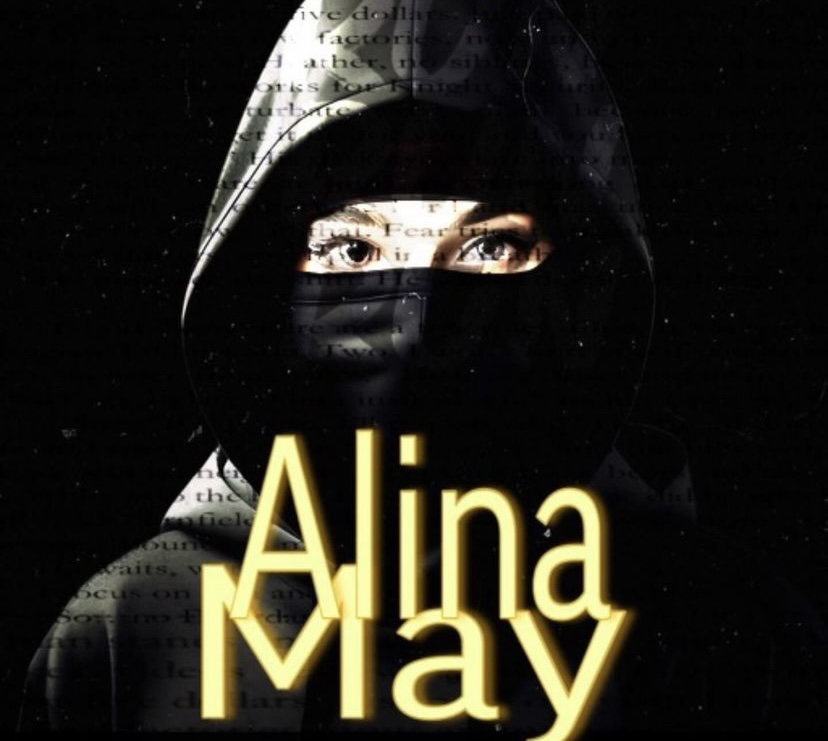
Alina May is an indie author known for her captivating dark romance novels. She specializes in writing stories that explore the darker sides of love and human nature, often featuring themes such as captivity, obsession, and morally ambiguous characters. Her works notoriously have intense emotional depth and complex plots that keep readers on the edge of their seats. Alina’s books include elements like polyamorous relationships, enemies-to-lovers dynamics, and stalker romance — but often come with extensive content and trigger warnings due to their dark themes. So, don’t say we didn’t warn you, darlings. If you’re a fan of dark romance with a touch of thriller, Alina May’s The Hunter’s Club series has just what you’re looking for!
Trisha Wolfe
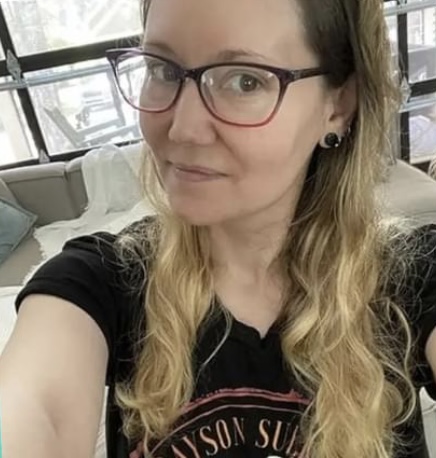
Trisha Wolfe is a USA Today bestselling author known for her dark romance and psychological thrillers. From a young age, she was captivated by imaginary worlds and characters, earning a reputation for talking to herself. Today, she channels that creativity into her writing, crafting intense and emotionally charged stories that explore the darker sides of love and human nature. Trisha Wolfe’s books often feature themes of power, control, and redemption, with characters who are deeply flawed and morally ambiguous. If you’re intrigued by psychological stories that blur the lines between love and obsession, Trisha Wolfe’s A Darkly, Madly Duet series is the perfect choice to get tangled up in!
Luna Kayne
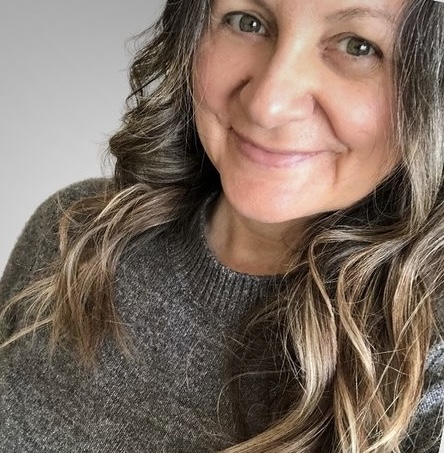
Luna Kayne is a multi-genre romance author from Canada, known for her steamy and suspenseful dark romance novels. Her writing often features dominant men and underestimated women, blending elements of humor, angst, and intense emotional connections. Her books often explore themes of power dynamics, control, and redemption, with a touch of humor to balance the darker elements. Her characters are complex and multi-dimensional, and her stories are both engaging and emotionally resonant. If you’re drawn to dark romance with a mix of suspense and humor, Luna Kayne’s Ravenous series is worth the buy!
Beatrix Hollow
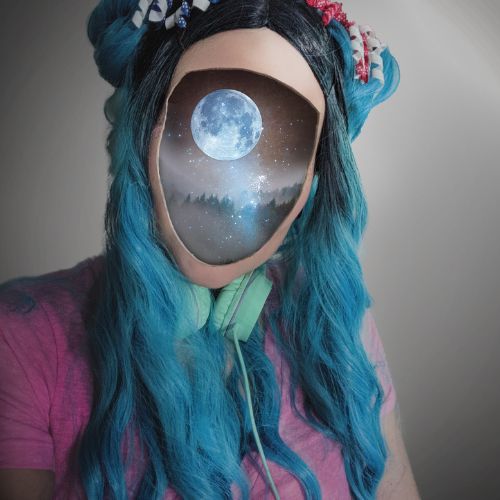
Beatrix Hollow writes dark paranormal, monster, and slasher romances. She makes stories that often feature morally questionable characters and situations, blending horror with romance to create unique and captivating narratives. Beatrix Hollow’s books often explore themes of power, control, and redemption, with a touch of dark humor to balance the more intense elements. Her characters are often charming yet unstable, adding an interesting twist to the traditional romance genre. If you’re intrigued by dark, steamy, and humorously compromising themes, Beatrix Hollow’s Verfallen Asylum series must find their way onto your shelves. You should also pre-order Slaying the Holidays: A Dark Rom Com, set to unwrap just in time for the season!
Ker Dukey
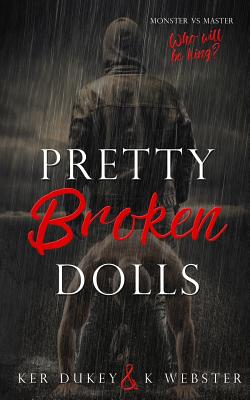
Ker Dukey is known for her dark and intense romance novels, often co-written with K. Webster. While her books are primarily suspenseful and dramatic, she finds room for humor in her stories. Among her works, the Pretty Little Dolls series stands out for its gripping plots and complex characters, but they also feature witty dialogue and humorous interactions that provide a lighter contrast to the darker elements. Ker’s latest novel, War, is available for pre-order now.
The Questions
Ready to dive into the heart of darkness? Let’s jump straight into the questions with our five masterful authors. Into the shadows we go!
1. What draws you to the dark romance genre, and how do you balance the darker elements with emotional depth?
Alina: Trauma! Lol. Okay, serious answer: trauma. Growing up, I felt, for various reasons, that the world wasn’t safe and that people weren’t always what they seemed. That altered my brain chemistry. Dark themes and emotions were normal for me. Much more normal than happy things like love without strings and physical safety. So, as an adult, I feel more comfortable with the dark elements of dark romance. It’s familiar to me. I know how to navigate that world. I don’t know how to navigate a fluffy existence or fluffy characters. They make me deeply uncomfortable.
For the second part of the question: balancing dark elements in stories sometimes goes hand in hand with emotional depth. Things are usually dark because they’re emotionally charged, like danger to a child or death or abusive relationships. So, for me, that emotional depth comes naturally.
Beatrix Hollow: The imperfect characters are what draws me into dark romance. I don’t want well-adjusted, good little society members — I want the outcasts, the villains, and the freaks. For me it’s more about balancing lightness with the darker elements. I want people to not be emotionally weighed down when reading my books. I’ve tried writing emotionally heavy books, and it results in something really somber. It’s not a talent of mine. Which is why I insert humor into dark situations.
The dark side of humanity has always intrigued me, so when reading or writing, I like that we delve into the character’s psychology with dark romance. You better understand what makes a person tick and deal with extreme situations. You’re witnessing the irrational actions while inside their mind, it’s entirely rational and that is fascinating.
Pushing boundaries is acceptable in dark romance, and that’s where I thrive when I am creative. Love isn’t black and white; it’s a kaleidoscope of color. It’s complicated and powerful and sometimes pushes you to the brink of insanity.
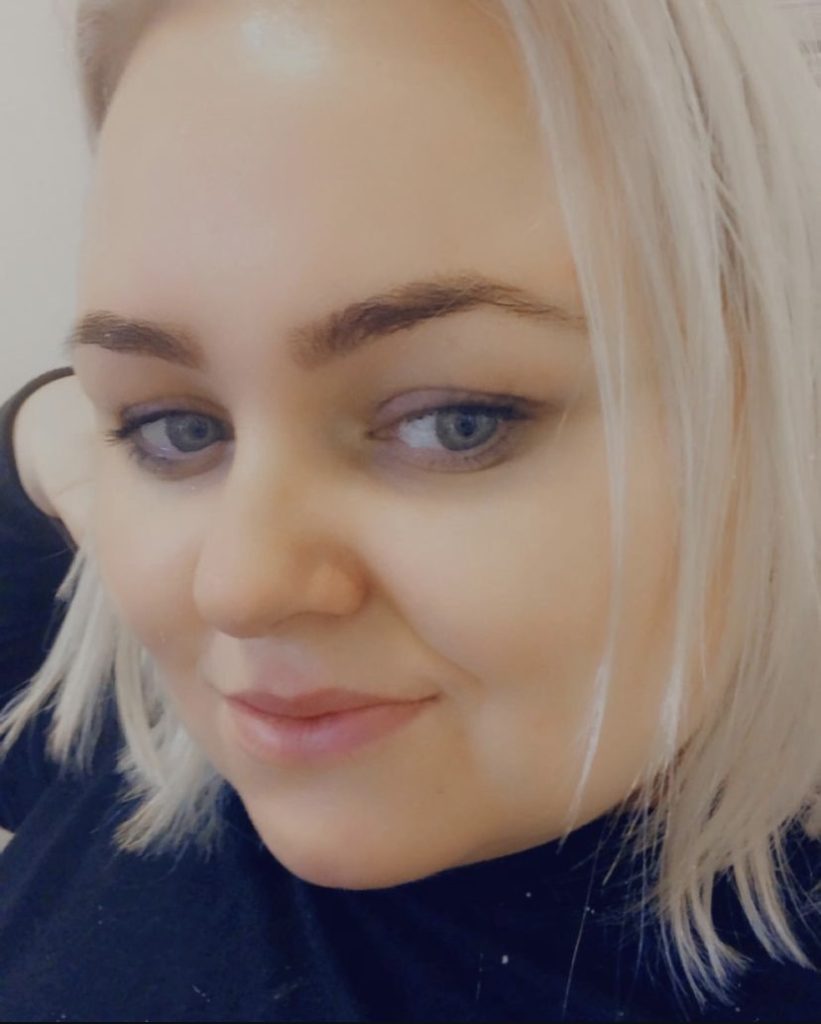
Ker: The emotional element can be much more intense with darker romance. Love and lust in dark romance borders on and sometimes crosses the lines of obsession. We get to navigate the actions such intense love or lust can and does provoke in a person. Most of my darker characters are flawed and have backgrounds that affect their ability to love in the way we classify as normal. The scope is endless with these characters and normal is boring anyway.
Luna: I’m an author who can’t stay in my lane and I write in many different genres. Dark romance is one of them, and my Vicious Empire series falls in this category. When I sat down and decided to write my dark romance series, starting with Cruel Saint, I was drawn to the conflict that is more prevalent in dark romance. I am not a confrontational person in real life, but boy do I love writing it in my stories. I enjoy writing dominant, confident male leads and wanted to give them female leads that would challenge them to be better than they started off. The payoff for me in dark romance is in the emotional growth of the characters as they find their way to each other.
Trisha: Pain. It’s the human condition, that we should all endure physical and emotional pain. And sometimes we don’t want to be gracious or saintly about that pain. Sometimes we want to violently tear a hole down the center of the universe and scream into the void, let the pain rage. Dark Romance allows us to safely explore this dark, violent part of our nature, where our loss, our suffering, our trauma can unleash itself in the gray with no judgment. It’s cathartic. And then sometimes, it can also bring us peace. Living through characters who struggle to balance their darker side as they find love and acceptance gives us something not talked about enough in the dark romance genre, but it’s what I’d argue is at the heart of every story: hope.
2. What inspired your first dark romance story, and how has your writing evolved since then?
Alina: My first dark romance was Better Run, and it was inspired by my desire to put all my favorite kinks together in the same book lol. It’s a pretty plot-driven book because of that. After it was released, I got some really good feedback saying that readers wanted more character development alongside the kink and plot. I practiced mixing both character development and kink (I wrote an entire book called Wanna Play a Game?), then came back and wrote the ending for the Better Run duet called Better Hide. There are still a lot of kinks and super dark themes in Better Hide, but you get a chance to see inside the characters and understand why they do the things they do.
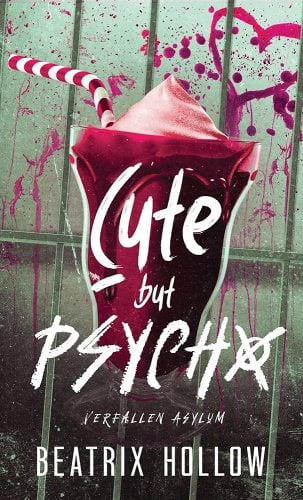
Beatrix Hollow: My first dark romance, Cute but Psycho, was written entirely from the mind frame that it was just your normal everyday paranormal romance. Paranormal prison romances were popular at the time, and I felt inspired to write my own with a twist. Instead of a normal prison, I centered the story around an asylum for the criminally insane. There’s dark humor and characters who are upbeat, so I figured there was no way it was dark. Of course, there’s also stalking, murder, and monsters chasing the female lead through shadowy asylum hallways.
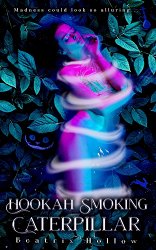
Eventually, I realized I was a dark romance author in denial. Since then, I have consciously inserted dark themes into my books. I enjoy blending romance and horror since they’re my two favorite genres. I also get sick delight by trying to disturb people while also titillating them. Hookah Smoking Caterpillar is a fine example of my sadism since my goal was to make people attracted to a man who is half-bug. Although, who knows, maybe the animatronic in Frankie’s Funhouse was worse…
Ker: I remember reading a book that made me gasp and look around to ensure no one was watching me, almost guilty of what I was reading and, more so, enjoying. Dark romance became a guilty pleasure until I matured and realised there was nothing to feel guilty about. Dark romance is a genre the same as, say, horror. I enjoy horror, but I don’t want to live it. I enjoy dark romance in the same way. It gives you the adrenaline of danger, but you’re, in fact, safe. You can close the book, and normality resumes.
I love the flawed characters who are broken but still find love and pleasure inside their darkness, and when I began writing, I found those characters were the ones who spoke to me the loudest and, therefore, were easier for me to write about.
My writing evolved over the years with the darker the characters got. I did a lot more research and developed the characters more intently. Research is fundamental when writing characters with psychological issues; although my stories are fiction, I want to be as accurate as possible when dealing with specific subject matter. I want the reader to be respected and immersed in the story to the point where they feel a personal connection to the characters so much so that they start to wonder if these characters are based on real people because of how authentic they’ve been written.
Luna: Dark romance means many things to many people. I wanted to explore what the genre meant to me. I had written a few short stories before I decided to write the four-book Vicious Empire series, and I was just kind of sitting on them and wondering what to do with them. When I first started the series with Cruel Saint, it was only going to be the one book about a guy and a girl (the guy had three brothers), but then I took a look at two of the short stories I had written, and they fell into place. I had unknowingly started writing scenes from the brothers’ books.
So, as I was writing the first, I began setting each brother up in the first book as a unique individual with his own traits, strengths and weaknesses and the story that encompasses the whole series went from there. I do plan on revisiting that series with a continuing series (the first is wrapped up, this would be an extension). I’m not sure if I have evolved since then as I wouldn’t do anything different this next time around.
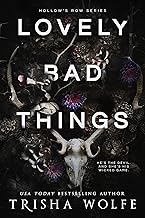
Trisha: The psychological element of dark romance is where I live, I think. What motivates characters. How far a character can be pushed past unredeemable — if it’s possible to even be redeemed. As a teen, Anne Rice was who inspired me to be a writer. I wanted to tell stories that made people feel. I’m going to keep writing until I believe I’ve done that.
3. What’s the most challenging part about maintaining romantic tension when writing characters with dark, troubled pasts?
Alina: Oh god, this one is HARD. Often, traumatized people aren’t good at loving. They aren’t good at loving themselves, and they aren’t good at loving others because they’re so busy trying to protect their hearts from getting hurt again. So, that becomes a challenge when you’re writing a romance. Of course, as the author, you can make the characters do whatever you want them to do, but I always want my characters’ behavior to be genuine to them and their backgrounds. I had to put a character through therapy before he was ready to love the female main character fully (Jayden in Better Hide). Of course, “love” often looks different for my dark romance characters than it would in a Hallmark movie. But I love that.
Beatrix Hollow: I need to make conflicted, closed-off, and sometimes emotionally immature characters open up and care for someone else. There has to be time in the plot that gives the characters breathing space to grow. Sometimes I mess it all up. The paranormal or horror plot keeps plodding forward, and I realize I didn’t develop the sex or romantic features at the same pace. Then I have to go back and edit the story — allowing moments where they can exist together without the outside world demanding their full attention, even if it’s only for a brief moment.
Ker: It’s challenging when the character is very indifferent. A character who is emotionally cold takes time to build a warmth with the love interest. It makes it difficult for the reader to champion for them if the affection doesn’t come across in their love story early on so writing a more obsessive villain that has this intensity and fixation toward their love interest can be a substitute for that. It’s a different kind of connection. A toxic, yet exciting format.
I tend to write characters that aren’t supposed to have those love stories or happy endings, and yet by writing them this way, it evokes a range of emotion within the reader toward that character, and they then want the character to find their happily ever after. To have them succeed in love even amongst all the chaos is hopeful for all of us. Love prevails in light and darkness. There are redeemable elements in everyone if you WANT to find them.
Luna: There is a fine line between writing a good man who has done bad things for the right reason and an unredeemable monster. In order to maintain angsty tension between your romantic interests in dark romance, the motives of both sides need to be understood by the reader. Their backstory, their desires, and their goals not only need to be well-plotted, but your reader should be able to think I get where they’re coming from for both sides. A villain will be well-liked, even rooted for if the reader can find some common ground with them.
The best dark romances take those characters, then fit them together like magnets. They start off facing the wrong way from each other. Their priorities conflict and they push and push and push until something happens, and the magnets are flipped and are now facing each other and there is no getting in their explosive way. When I wrote each brothers’ story in Vicious Empire, my favourite part was creating that tension between the brothers and their love interests while slowly bringing them together.
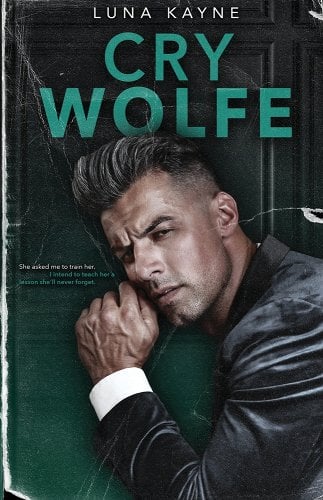
Trisha: My biggest challenge in keeping romantic tension is making sure I’m being delicate and respectful with my characters’ trauma and mental illness while also challenging them to face their trauma, illness, and their fears, in an uncomfortable space. We’re all pushed out of our comfort zone.
4. How do you strike a balance between the intensity of the romance and the darkness in the plot without losing either?
Alina: I love a good plot, so it’s never hard for me to maintain that! Thrillers are my favorite genre to write. The difficulty for me personally is getting my characters to open up while I’m actively traumatizing them with the plot (my bad, guys). Because I know this is my weakness, I’ll actually create my characters in-depth before I truly start creating the plot. Then, I’ll pick plot points that are traumatizing to the characters so I can push them toward growth.
For instance, one of my MMCs, Sawyer, had a mom who abused substances, and that abuse was a large part of his trauma. I made the FMC, Cali, an alcoholic and, as a plot point, got her drunk in Wanna Play a Game?. I wanted to push both characters to open up to each other, and I’ve found it’s hard to achieve that with traumatized characters unless you make them deeply uncomfortable.
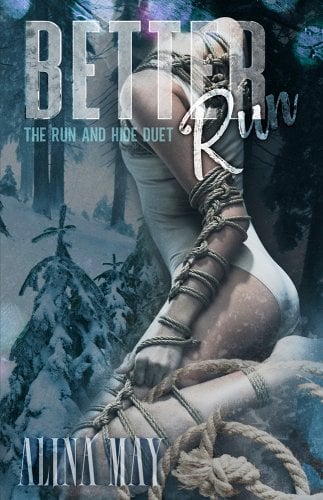
Beatrix Hollow: Dark romance lends itself to forging intense bonds. My plots usually have forces that are testing the characters — their sanity, their life, etc. In my Myths & Monsters series there is a cult who is after the main characters. When the story starts, my main characters don’t get along at all. But by the end, they’ve come together in deeper ways than they could have imagined after relying on one another for survival.
Ker: I don’t limit myself to what is too dark. I write what the characters demand, and I’ve never struggled to find a balance because dark romance isn’t about balance or boundaries. These characters are not traditional; there are no rules. They risk it all for the pull of darkness, and that alone builds intensity like no other genre. I have a character called Ryan in my Empathy series and he is a psychopath; there is no changing that. He, like most villains, doesn’t want approval or saving; they are who they are, and those characters are the best to create because the writer has so much freedom.
Anything goes, and I love a twist in a story, and because there are no rules in my dark romance, I write delicious curveballs in my books. I can’t tell you how many readers come up to me at book signings and say, “I know I shouldn’t like him, but I do. What does that say about me?” It says I did my job.
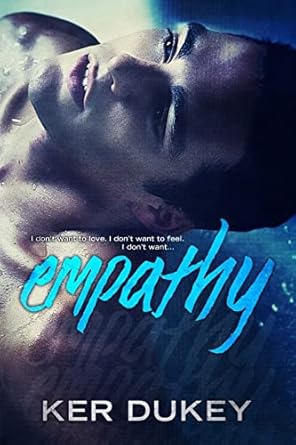
Luna: Coming out of each chapter I wrote in my dark romance series, I did a little check in to make sure my plot wasn’t shifting too quickly, or that the romance was moving at an appropriate pace. Some readers enjoy dark romance because of the plot, others because of the romance. Then there are readers who love it all. Dark romance carries higher stakes than many genres so there is a fine line that needs to be maintained as the story is building to keep the majority of your readers engaged in both the plot and the growing relationship.
Trisha: Both romance and plot are interwoven. I can’t have one without the other. What drives a character is their obsession, and the plotline follows this thread with the character. Every paragraph, every line, and every word is woven to further the characters’ motivation, their desire. Intimate scenes between the characters delve past the physical to the dark pockets of their souls, where they find connection not only together but in the obstacles to remaining together.
5. How does writing in the dark romance genre allow you to explore themes of redemption or transformation in your characters?
Alina: Writing dark romance is deeply therapeutic for me. We all know the real world sucks balls. People don’t always love with their whole hearts, and justice isn’t served. But in a dark romance world, people can love fully, and justice can happen. Shitty behavior can be redeemed, and characters can learn and grow. I often center my books around things I want to heal in my own life. I give a character a happy ending so I, in some small way, can get my own happy ending, too.
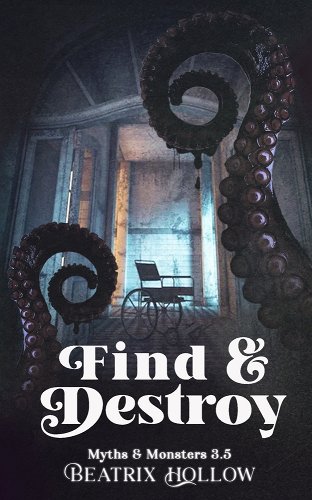
Beatrix Hollow: One of my favorite parts about writing stereotypical villains is that they learn they can be accepted despite their flawed traits. I’m not seeking redemption for my characters. Instead, I want someone to come into their life and tell them that who they are is okay. Their love interest doesn’t want them to change, other than learning how to accept love. I think that speaks to a lot of people who have felt rejected because of their mental health.
A lot of mental disorders are things we have no control over changing. My books indulge in the fantasy that no matter how bad you get, there could be someone just as bad who accepts it. Of course, I take that to the extreme for the pure thrill of reading about larger-than-life characters who enjoy a little murder and mayhem.
Ker: The romance element plays a significant part in the character’s transformation. The villains evolve in the sense that they put someone else above themselves for maybe the first time in their lives and are willing to do anything to protect that person’s well-being and pleasure. That appeals to romance readers within all genres. With it being a dark romance because it’s fiction and not everyday scenarios, I think the readers can separate themselves from the story, which leaves them more open to all possibilities and with a greater willingness to forgive the villain for most wrongdoings.
However, you don’t always need to redeem the characters in dark romance. Like I said above, most of my characters are who they are, and they don’t apologize for it. Atonement isn’t something most villains seek. I prefer it when the villains remain true to their character. The darker, the better.
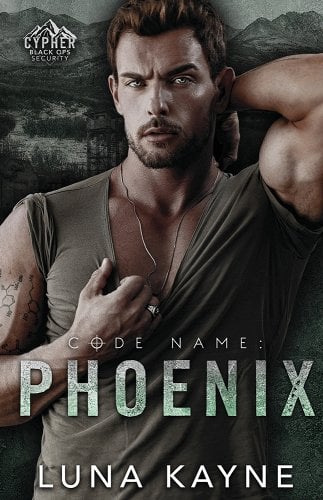
Luna: There are so many possibilities for redemption in dark romance. That’s the easy part for me. When you start with characters that are deeply flawed and misunderstood, there is so much room for improvement. For my Vicious Empire series, I went into it knowing where my characters started and understanding how they would evolve by the time the story was done. There’s a certain level of fulfillment in having those characters grow into who they were meant to be by the end of the book.
Trisha: My characters battle internal conflicts between right and wrong, good and evil, where they don’t skirt the edge of the gray, they immerse themselves in it. Every redemption is hard-fought. They sacrifice some part of themselves they believed was good, only to discover their redemption is found in the loss of those contrived morals. Sometimes, the villain just loves harder.
The Burning Questions
Ready for a plot twist? As we near the end, we’ve saved two sizzling inquiries that will leave you craving more. Let’s turn the final pages and uncover just a few more secrets our authors have been keeping in the shadows.
What is your writing routine like — do you follow a strict schedule or write whenever inspiration strikes?
Alina: I don’t have a super strict schedule! When I’m not doing the admin side of my business, I’ll try to nest in my bed with as many snacks and drinks as possible. My preferred drinks are anything carbonated, and I love anything sweet or salty for snacks. Then, I write anywhere from 30 minutes to four hours.
I prefer to have a large chunk of uninterrupted time, or I feel like I can’t truly get into the story. Sometimes, I also take a drive through the country roads around my house, get a sweet treat from a coffee shop, and then write on my phone at a park near my house. It’s my favorite. The sweet treat and the writing.
Beatrix Hollow: Inspiration is fickle and finite. It’s a close friend when you start a new story and a stranger as you struggle through to the end. Habit, in my opinion, is what every professional writer should give respect to.
I’m forever chasing after a schedule I fail to maintain. On good days, I start writing or editing at about eight or nine am. It’s important I avoid social media and set my phone outside of reaching distance. Minimizing opportunities for interruption, as well as having clear start and stop times, has done wonders for my daily work goals.
Ker: I like a quiet space when first conjuring up ideas, and then I allow them to marinate and develop over a week or two before putting the idea to paper and writing an outline. I do most of my writing at night when the household is sleeping, and I can focus my entire attention on the characters’ voices.
Music’s ability to provoke emotion is a big part of my process. I like to create mood playlists for intense scenes to get my heart pounding and adrenaline rushing through my veins, to put myself in the right mind frame, and to get that emotional depth those scenes need.
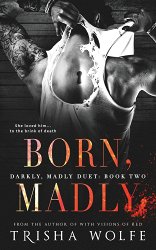
Luna: I write from Monday to Friday. Things that take me away from writing can pop up, and if they are timely or important, then I do those first (marketing, posting to social media, advertising, responding to emails, etc.). If not, then between the weekday hours of 9am and 3pm, I am writing. Some days, that equals five thousand words. Other days, I’m lucky if I make it to five hundred. I usually just play my next chapter over and over in my head until I’m ready to sit down and write it out. There are times though when a good line will hit me, and I keep my phone close in case that kind of inspiration strikes.
Trisha: I contend daily with OCD rituals. I write and edit for at least six hours a day. I’ll edit a previous chapter to get reacquainted with the characters and story, then aim for an additional 500 words. Every day is a slow crawl. I don’t keep every word I write (actually, I delete far more than I write these days), but I have to write every day, or else the anxiety can creep into the story.
What advice would you give to aspiring writers looking to break into romance, particularly subgenres like dark romance?
Alina: Omg, aspiring authors are my favorite! Hello, future bestseller. 🖤 My first piece of advice would be to not put so much pressure on your environment being perfect. Unless you write full time, it’s rare to find a quiet moment where you feel inspired to open the computer and write. I wrote most of my first book on Google Docs on my phone. I also wrote while I was hypothetically (lawyers, LOOK! A HOT MAN BEHIND YOU!) in a down period at work. Or I’d get an idea late at night and jot it down. Or while my child was taking a nap. Anytime, anywhere, just write!
My second piece of advice would be to let your first draft be a first draft. I often have anxiety, even now, about how shitty those first words can be. And it’s okay. You can always go back and edit a first draft. You can’t go back and edit something that doesn’t exist. The last piece of advice is that it’s okay to write dark things. Don’t apologize for the story you want to tell. Say it with your chest, no matter how dark it is. Indie publishing is a huge market, and because you’re doing it yourself, no one can tell you what to write or not write. You got this. Let the darkness sing.
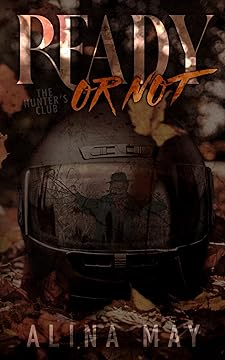
Beatrix Hollow: My number one piece of advice will always be to finish the book. All that branding, art, and social media posting is useless without something to publish. My second piece of advice is to write what you like. Selfishly indulge in your own fantasies. Only worry about craft and “writing to market” when you start working on your second draft.
Ker: Do your research. Reach out to other authors who write in the genre and join their groups. Don’t be afraid to ask for help and advice. There are author groups on all social media platforms that have invaluable information on all areas of publishing. Trust your vision and character and, most importantly, enjoy it. Writing is hard work but so rewarding. To create worlds for other people to lose themselves in, even for just a few hours, is a dream. We bring the characters to life, and the readers keep them living.
Luna: This is what I did, and it’s the advice I give to everyone who asks how to get started. My advice is just write your book. Don’t worry about where it fits into the market or which category you need to write to. Just write the story. Focus on the characters, the setting, the situation and write your story. Everything else can be fine tuned or rewritten in edits. It doesn’t matter how you break into romance if you don’t have a story.
So, write your story. Make figuring out everything else your reward for finishing your book. Once that is done, it will be easier to find your market once you know what your book is about. I wrote my first book, Controlling Interests (not a dark romance, but a reverse harem steamy contemporary), in 2017. I had no idea what to do once I was done, but I told myself that my reward for writing my novel was learning how to publish it. The day after I wrote ‘The end,’ I opened up my computer and I started to Google things. Here I am seven years later and I’m still learning new things every single day.
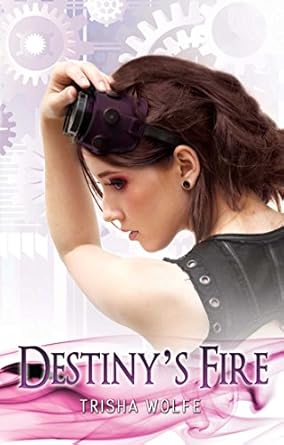
Trisha: Most authors advise to read, and while that is the best advice, especially to enter the dark romance genre, I’ll also add this: love writing. Love storytelling. And then, write what makes you uncomfortable — and do it in a dark room where no one’s watching.
Until Our Next Dark Encounter
Each author, with their unique blend of shadow and seduction, has illuminated the genre’s allure and complexity. As we close this chapter, let’s remember that in the world of dark romance, the line between love and obsession is deliciously blurred, and every page turn is a step deeper into the abyss. Happy reading, if you dare!
Connect with Alina May here.
Connect with Trish Wolfe here.
Connect with Beatrix Hollow here.
Connect with Luna Kayne here.
Connect with Ker Dukey here.
Check out more of our 5×5 interviews — just click here!
Browse our bookshelf for thrilling dark romance books!
