


















Disability representation, especially in literature and media, though it has always been a concept, has never been put into the positive light it is now. It brings hope to the readers who may have a specific disability. It might make the reader feel connected to a character for the first time. It might also raise awareness among those who know people with disabilities. Awareness leads to empathy and understanding, something everyone looks for in their loved ones, and something everyone wants to give their loved ones. However, can incorrect disability representation be painful? Can it be worse than no awareness at all?
Why Do We Need Representation?
Representation is important because it breaks us away from the harmful stereotypes that have formed around what is the “norm” behavior when addressing disabilities. Misinformation can be spread, causing unnecessary hate and adverse reactions to people with disabilities. Lack of representation can cause ableism, which is formed from negative stereotypes.
It is needed because it causes empathy. Having empathy for a person pushes you past sympathy and feeling bad for them. Instead, you feel for them. While you may never be in their shoes, the empathy we feel is more than pity. It is deeper, rawer. Empathy is essential; accurate representation can help build self-esteem and identities in younger individuals with disabilities. Reading about a character with the same disability as you, and who has it represented correctly, is enormous for younger people.
It dramatically impacts their self-esteem, showing them that even the most beloved characters live with disabilities. It helps people see the positives and offers validation that can’t be given anywhere else. Not only that, but correct accessibility awareness can help bring awareness to what can be made accessible if it is not already; it can offer a sense of comfort to readers with disabilities, because it can offer a way to help, or even lessen the responsibility a disability can create.
How Can It Be Painful?
Although representation benefits literature and media, incorrect representation can be painful to the reader and damage the progress made throughout the years. While there is no direct study, there is a suggestion to prove a correlation between social media and misinformation. Social media rewards users with public validation using likes, comments, reposts, etc. People aren’t lazy, but some avid social media users have no reason not to trust the headlines they share, because they are rewarded with likes. This is how incorrect misrepresentation can spread so easily. Engagement pushes the content further, spreading harmful stereotypes.
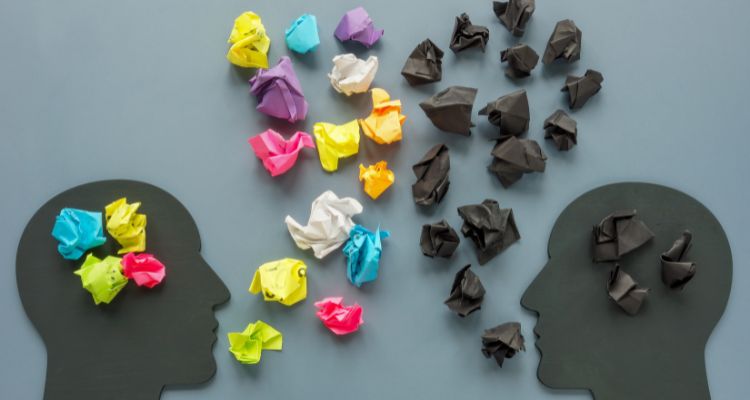
Inaccurate disability representation can be extremely painful because it spreads harmful stereotypes. A blogger talks about how inaccurate awareness made her question her self-worth and what people thought about her and others with her disability. It can make people with disabilities look unserious, or something to laugh at. It can push discrimination further, making people justify their actions because of an article they read on social media. In history, what was shown was harmful stereotypes, people faking disabilities to commit crimes, used to create pity or as a fear tactic for the public. This type of inaccuracy correlates with the discrimination that people with disabilities face constantly.
Is an Inaccurate Representation Better or Worse Than None?
Inaccurate representation has been a topic in many groups, better or worse than having no awareness. While it is opinionated, inadequate representation may be worse than none. While awareness is critical, negative views push discrimination and stereotypes that people try so hard to get rid of. Despite the saying “bad press is still press,” that doesn’t always apply here. People might not want to be acknowledged if that acknowledgement means hatred. The motives behind inaccurate representation versus none are also a significant indicator of whether it is worse. If an author includes it for inclusivity points or to market their product, book, movie, etc., then the representation shouldn’t have been included.
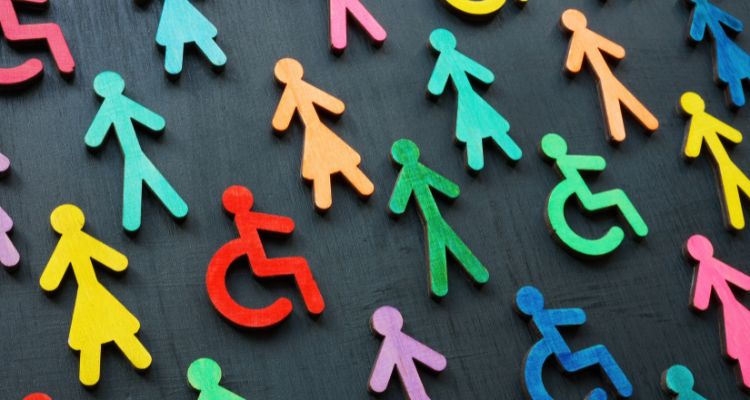
However, there are always nuanced conversations within these bigger debates. Some authors want to spread awareness, but aren’t sure how, making their motives for including it authentic, and opening up a different topic. Inaccurate representation can show a disability, but only randomly pop it into the story so the reader doesn’t forget. While this isn’t a great representation, some people may prefer that. While no negativity or hatred is coming from the awareness, it is the bare minimum of what someone may face, and that can lead to a more positive conversation on a deeper level of what people face with specific disabilities. It is a heavily opinionated topic, one that should be reserved for the people who face disabilities, to tell us what is accurate versus what shouldn’t have been included.
What Are Good Examples of Accurate Representation?
There are many great examples of accurate disability awareness and attention. Some pieces are widely accepted in books and other media communities for several reasons. Some reasons include that the authors or actors are disabled themselves, representing an accurate depiction of the disability they live with and write about. Some accept these works for the comfort they bring and the hope and positivity they spread about the disability. While these representations are widely accepted, it is essential to remember that there are members of the community who can find criticism better than a non-disabled person. They should always listen to what they have to say.
CODA (2021)

In the film world, CODA (2021) has become a popular positive representation of disabilities, especially for the deaf community. CODA, directed by Sian Heder, is about a deaf family with a hearing daughter. Heder included actors who were deaf, as well as real American Sign Language, and the movie scored high in the community. It talks about the struggles of being deaf, and also shows the struggles of the daughter who can’t leave her job as a translator for her family, but falls in love with music. The challenges were accepted as a real representation, showing accuracy in what families, similar to the Rossi family in the movie, struggle with.
Unbroken: 13 Stories Starring Disabled Teens By Marieke Nijkamp et al.
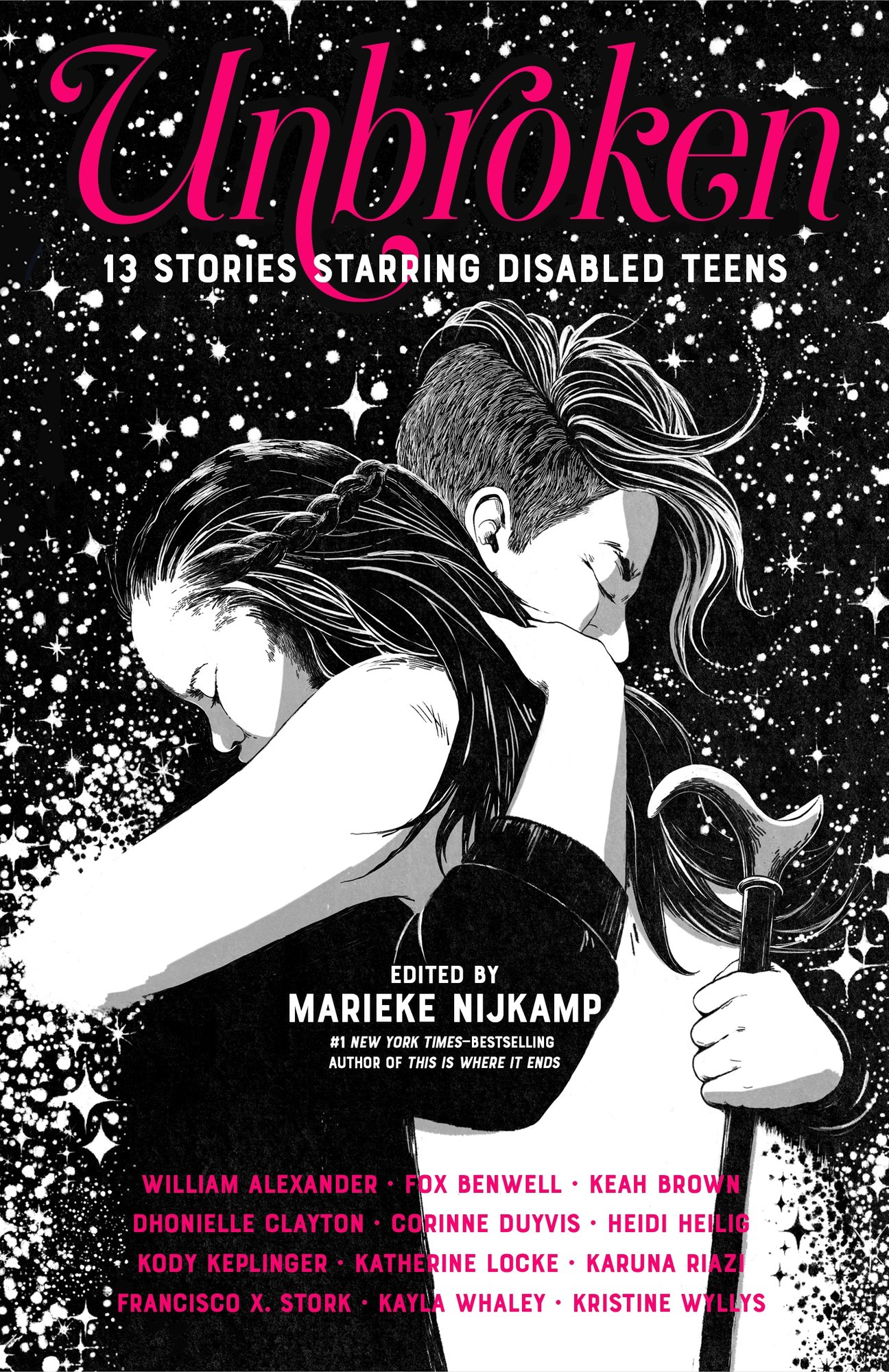
Unbroken: 13 Stories Starring Disabled Teens is an anthology of 13 stories highlighting different disabilities in teens. It was published in 2018, and a different author writes each story. This was widely accepted because each story’s author was also disabled, creating comfort and accuracy in how the disability was shown. Not only that, but each teen also had gender identity, sexual identity, or race representation, yet again matching the author’s own experiences. The crossover representation opened the book to other communities, which widely accepted it. It gave teenagers a sense of identity and belonging, which is already hard among those ages.
While good examples can still be debated in the community, there is good representation for disabilities out there, and it is essential to spread the accurate and positive representation rather than the inaccurate ones that can damage the community and the progress made. Awareness is always needed, even in darker times, and everyone must be fact-checking and spreading a welcoming hand, rather than spreading the hate of misinformation.
Read more about books with great representation here!
Check out our Bookshop List of Disability Representation in Romance!
