






When we think of chronic illness, we tend to believe that it won’t happen to us; rather, we think it’s something that only happens to the unlucky. However, studies show that six in ten Americans have at least one chronic illness. In honor of those who deal with chronic illness, this week’s Three to Read features the journeys of three authors as they find meaning in their diagnoses. Follow along to read how they shatter myths, reveal strengths, and find hope in the face of adversity.
HOT PICK
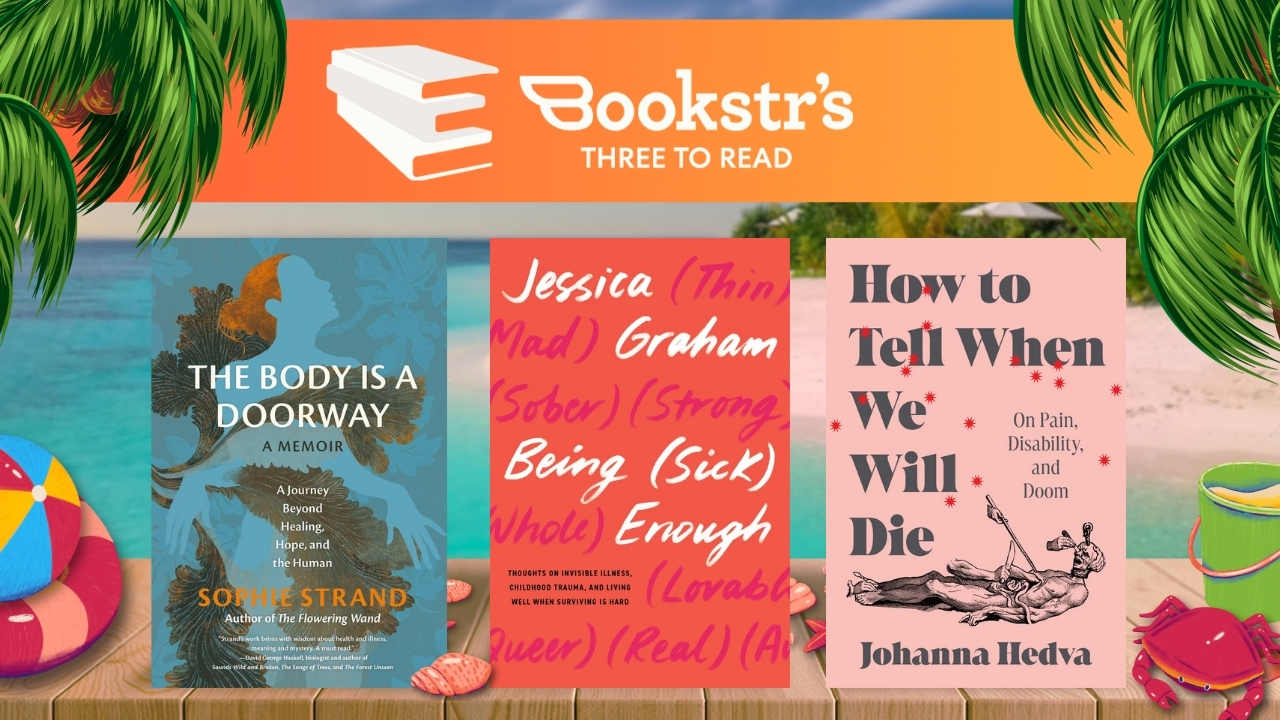
The Body Is a Doorway: A Memoir A Journey Beyond Healing, Hope, and the Human by Sophie Strand

SYNOPSIS:
This memoir takes us into the mind of 16-year-old Sophie Strand, who suddenly falls ill while on vacation with her family. What follows is a never-ending attempt to explain what is going on with her body as she struggles with medication, specialists, anaphylaxis, and more. She finds connections in the mundane through her journey with chronic illness and misdiagnosis while discovering beauty in the ecology around her Hudson Valley home. This leads her to adopt a more grounded approach to her healing, which she shares with readers.
WHY:
Sophie’s background in poetry stands out in this memoir, making a tough subject more enjoyable to read about. Instead of focusing purely on the downfalls of mainstream medicine or the rose-tinted glasses of a more holistic approach, we get a look at both and how they can be two sides of the same coin. The Body Is A Doorway conveys an artful tenderness. This same tenderness allows readers a glimpse into the interconnected web of life she sees. She challenges us all to expand our relationship to the living world around us.
BEACH READ
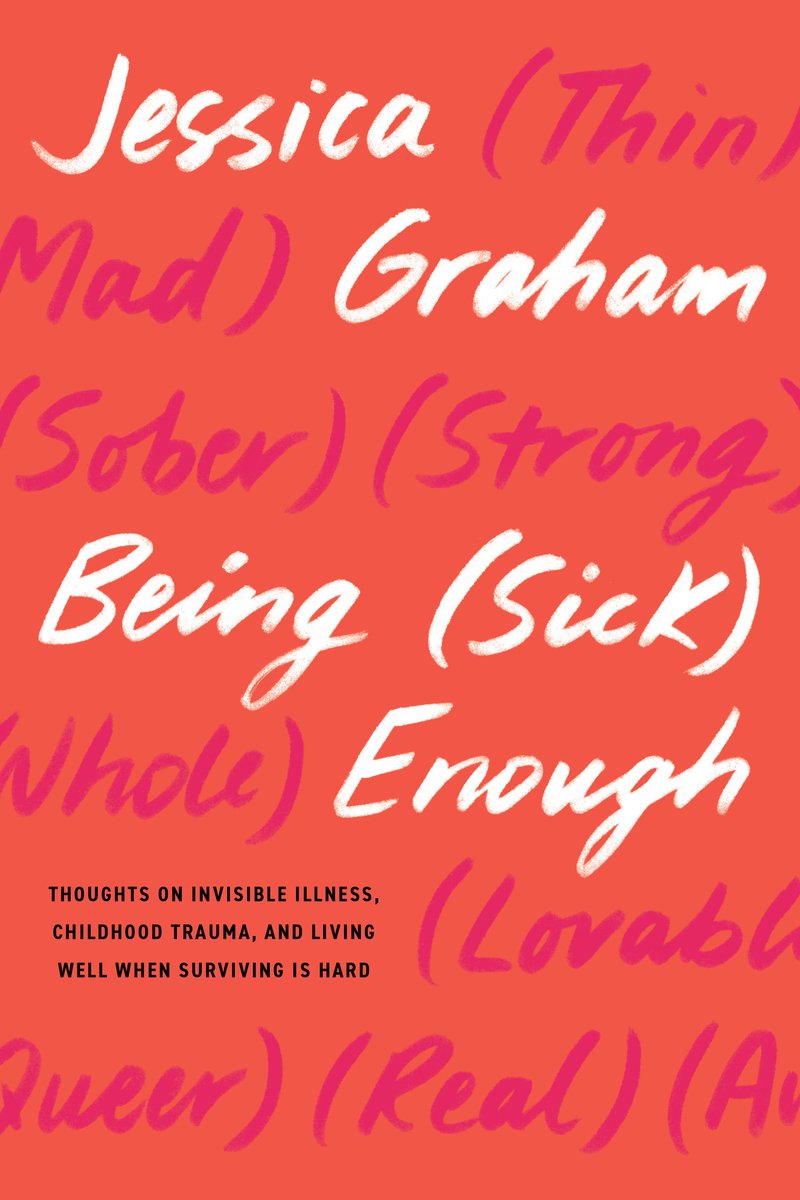
Being (Sick) Enough: Thoughts on Invisible Illness, Childhood Trauma, and Living Well When Surviving Is Hard by Jessica Graham
SYNOPSIS:
Jessica Graham’s series of essays navigates pain, sex, trauma, spirituality, addiction, recovery, and grief. Their queer, neurodivergent perspective shares vulnerable, personal stories that offer insightful reflections on the messy realities of life in our modern age. Through the memoir, readers are granted permission to accept and want care for their illness while dealing with ableism from those closest to them. Being (Sick) Enough explores the parts of chronic illness life that are less talked about, such as sex and pleasure, which are more difficult when pain supersedes. An awakening as much as it is a love letter to your whole being, Graham’s view on chronic illness is wise, fearless, and necessary.
WHY:
Graham’s compassionate approach resonates with readers everywhere, as their understanding that not one person can be a monolith for chronic illness reigns true. Their advocacy for getting a diagnosis so that you have more patience with yourself shines a light on how empowering a diagnosis can be. Nuanced and thoughtful, Being (Sick) Enough shows us it’s okay to have mixed feelings about creating healthy boundaries, and it’s not always as easy as it seems. Fellow spoonies will appreciate the well-thought-out analysis of the intersection of chronic illness, trauma, neurodivergence, and survival.
DARK HORSE
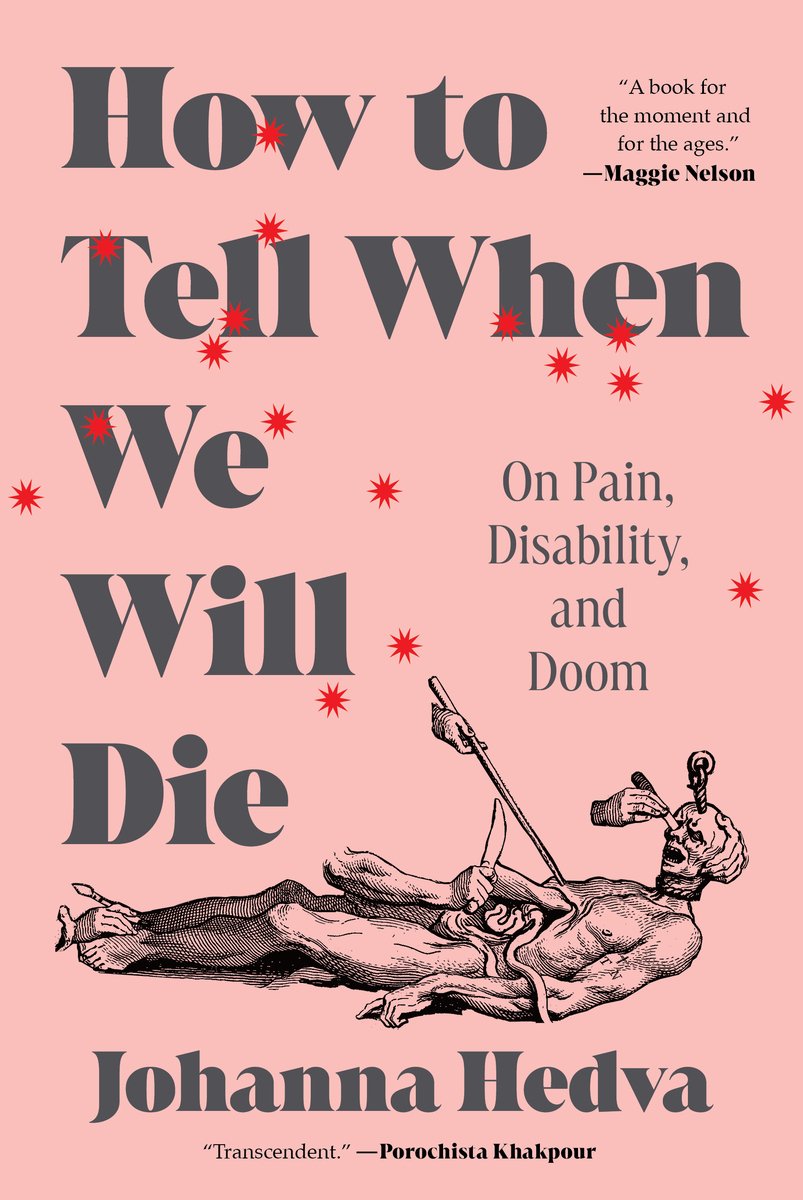
How to Tell When We Will Die: On Pain, Disability, and Doom by Johanna Hedva
SYNOPSIS:
In this essay collection, disability activist Johanna Hedva voices their opinion on reframing illness as more than a biological experience. How to Tell When We Will Die is razor-sharp in its deep dive into the healthcare system, death, the politics that fuel ableism, and the color yellow. In their insightful memoir, Hedva expands on their perspective on disability, reimagining the world as one where care and pain are symbiotic and bodies are allowed to live free. How to Tell When We Will Die reminds us that illness is not an inconvenience but another aspect of being alive.
WHY:
Through their essays, Hedva is intent on guiding readers to a deeper understanding of our world and the lies that perpetuate internalized ableism. They speak about how, even as a person with chronic illness, they work to overcome the idea that if we “will ourselves” out of it, we can overcome it, and if not, then we must be failing morally. I’ll be thinking about some of these thought-provoking and influential essays for years to come.
That concludes this week’s Three To Read. Hopefully, these books help you see life through a more inclusive and understanding lens. Come back next week for more curated book lists!
For more recommendations, check out these 9 Authentic Novels With Chronically Ill and Disabled Characters.
Find these and other recs on our Three to Read bookshelf on Bookshop.org.