


It can be difficult to find books featuring disabled characters, especially when you think about the wide range of experiences that fall under that label. It can be even more difficult to find ones with disabled protagonists or stories that avoid common negative tropes. Some examples include portraying disabled characters as villainous, especially if they have deformities or facial differences (like the Phantom in The Phantom of the Opera musical) or as tragic characters (like Quasimodo in the novel, The Hunchback of Notre Dame).
For those looking for refreshing and accurate portrayals of disability, the following novels are a great place to start. These books are written by disabled authors and capture the nuance of disability while avoiding the stale and often inaccurate tropes that are usually present in these kinds of stories.
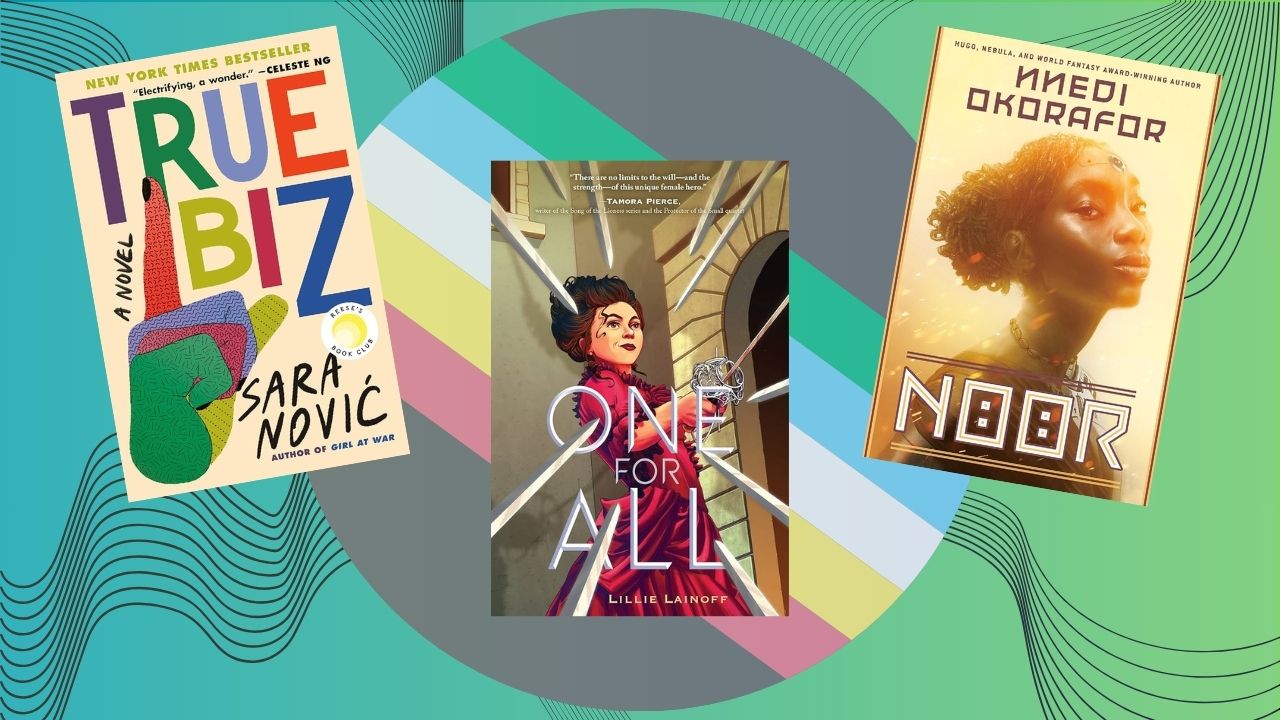
Noor by Nnedi Okorafor
Disabled characters are most often seen in realistic works that center on their condition or treatment plan. That isn’t the case in Noor, a thrilling science-fiction novel set in Nigeria. It follows Anwuli Okwudili, who goes by AO, or Artificial Organism. AO is a woman disabled at birth who becomes further disabled after a terrible car accident. With all of her medically necessary body modifications, AO is essentially a cyborg and an outcast in society, but she holds no shame or resentment for what makes her different.
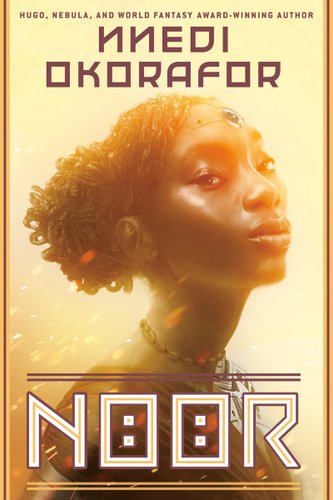
After an incident at a market, AO escapes into the desert where she meets DNA, a solitary herdsman with a mysterious past. The two work together to survive in the desert and protect one another from their government that is out to get them.
True Biz by Sara Nović
Deaf people are sometimes portrayed as unintelligent or are only defined by their lack of hearing. In True Biz, deaf author Sara Nović pushes back against this by depicting deaf culture in all its amazing complexities through her inclusion of aids like cochlear implants and different communication styles, such as ASL and lipreading. The novel features three main protagonists, each with their own unique experiences and views on language, ableism, and deaf culture. Notably, Nović’s characters aren’t just used to showcase deafness; they’re complex, each with their own struggles and desires.
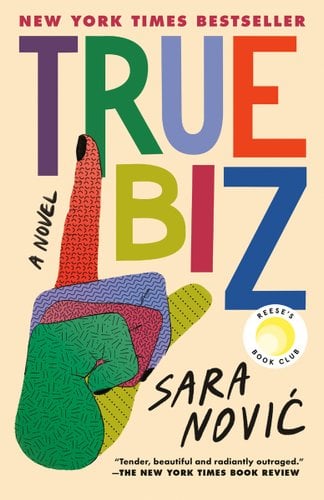
In True Biz, readers will visit the River Valley School for the Deaf and learn about Charlie, a transfer student that hasn’t been around other deaf people; Austin, a popular student from a deaf family who’s shocked when his sister is born hearing; and February, the school’s hearing headmistress who is a Child of Deaf Adults (CODA). Not only do they each have to deal with their personal problems, but they also have to face the possibility of the school being shut down.
Sick Kids in Love by Hannah Moskowitz
YA romance novels featuring disabled teens are popular thanks to books like The Fault in Our Stars, but those stories rarely have a happy ending. Sick Kids in Love changes that, instead showing the highs and lows of chronic illness through the romance it builds between its protagonists without killing either of them off.

Isabel has rheumatoid arthritis, and she has a strict no-dating rule because of her health issues. But then she meets Sasha. He has Gaucher disease, a condition that can affect organs and blood cells and cause weak bones, so he understands her in a way few others can. Their bond grows quickly, and Isabel can’t help but consider breaking her rule to be with him.
One for All by Lillie Lainoff
In this female retelling of Alexandre Dumas’ classic The Three Musketeers, protagonist Tania de Batz is chronically ill; like author Lillie Lainoff, Tania has Postural Orthostatic Tachycardia Syndrome (POTS), a condition that includes symptoms such as dizziness, fainting (for some), and an irregular heartbeat. Because of her condition, Tania was always labeled as weak and kept from her dream of becoming a fencer like her father.
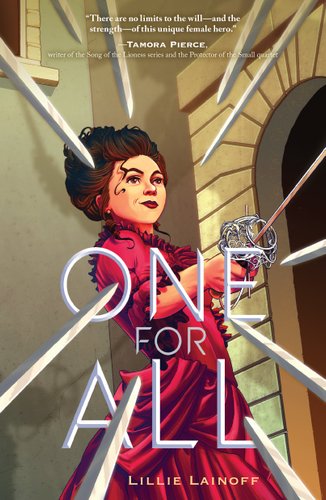
Things change, however, when her father is suddenly murdered and she is sent to L’Académie des Mariées, a training academy for new Musketeers that is cleverly disguised as a finishing school. There, Tania is not only able to become a fencer but also begins to unravel the mystery of her father’s death. Still, Tania’s condition isn’t glossed over or magically healed either, as is often the case in other stories.
You, Me, and Our Heartstrings by Melissa See
In You, Me, and Our Heartstrings, a romance blooms between two teen musicians who are unexpectedly paired together. Daisy, who has cerebral palsy, and Noah, who has anxiety, go viral after performing together at a holiday concert. The attention triggers Noah’s anxiety, while the whole world has opinions on their newfound relationship. Most onlookers can only focus on Daisy’s visible disability, calling her an inspiration for even performing and saying how lucky she is that Noah would even be interested in her at all.
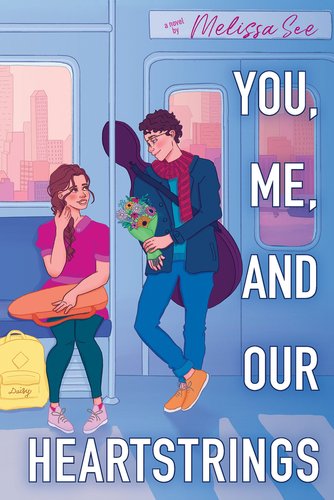
This novel pushes back on the trend of disabled people as inspirations for non-disabled audiences. The characters are exceptional because of their musical talent, not because they have “overcome” their disabilities. While Daisy and Noah have to navigate ableism and contend with their symptoms, their experiences with love and music are just as important in the story.
The wonderful disabled representation in these novels is sure to expand your perspective of disabled experiences or help you feel seen if you’re disabled yourself. Their strong storytelling will surely have you hooked as well.
Discover more books with fantastic disability representation here.
Check out even more recommendations from the Bookstr team on Bookshop.org.