















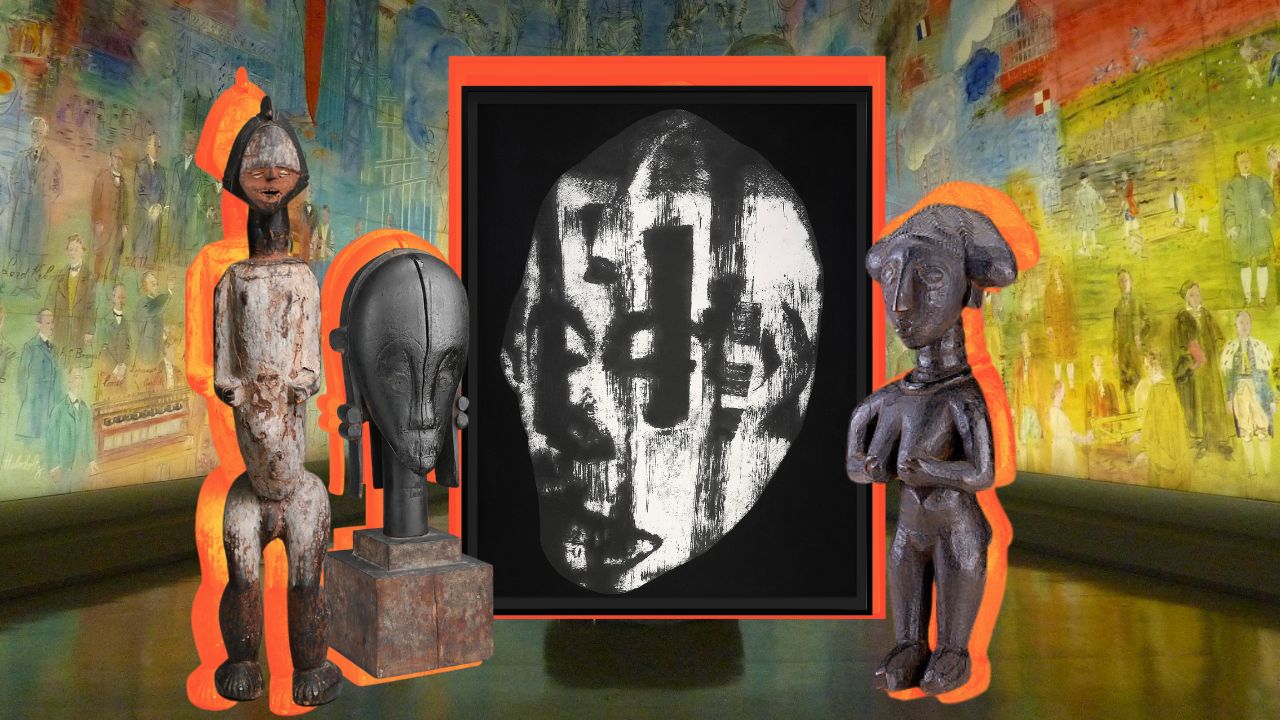
As our history books would have it, art would be summed up by the greats of their times: Van Gogh, Matisse, DaVinci, Monet. Yet, while these men carried great impact on the styles of modern art, to collectively credit the cultivation of such styles to these men would be to dismiss the many inspirations and impressions they took from African and Black art.
The modern art movement is often mistaken for the contemporary art movement. Modern art housed styles such as impressionism, expressionism, and cubism. These artworks were generated through the years of the late 19th century to the early 20th century, largely marked by the Industrial Revolution.
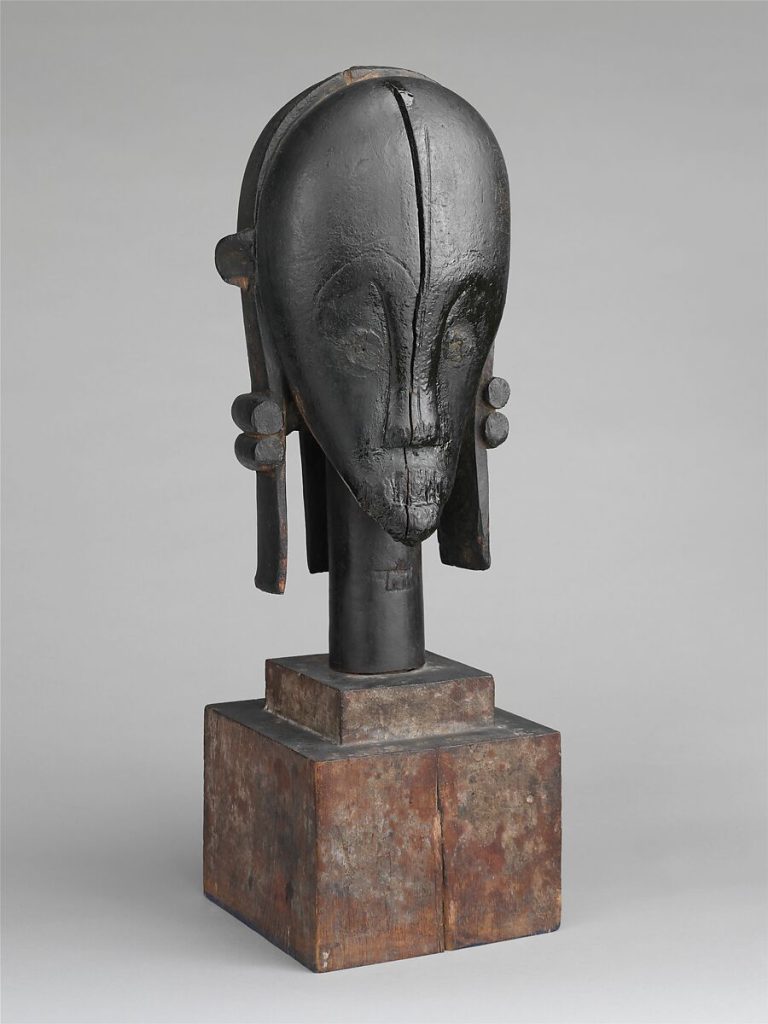
This shift in the art scene was hugely inspired by Black peoples and Black culture. Throughout the history of the development of these styles, African art saw an increase in artists’ attention as stylings and trends began to pop up in Cubism, Dadaism, and Surrealism, though overlooked. Additionally, the number of black artists within these realms began to create more and more, though their work is not as celebrated as their white counterparts. Subsects of these movements, inspired by African art, developed with Black artists at their center.
Expressionism
Expressionism can be rooted back to Germany in the early 20th century. The art style is most notable for its bold color choices, even bolder strokes, and emotion driven portrayal. The style is attributed to German artist Ernest Ludwig Kirchner, but Kirchner is said to have used inspirations drawn from African art to inspire his first creation within the expressionism period. The Museum of Modern Art even reports that it is this combination of African art and bold color palettes that caused a boomed interest in the United States starting in 1910. As expressionism expanded and developed, the style turned more and more artists’ attention to African art.
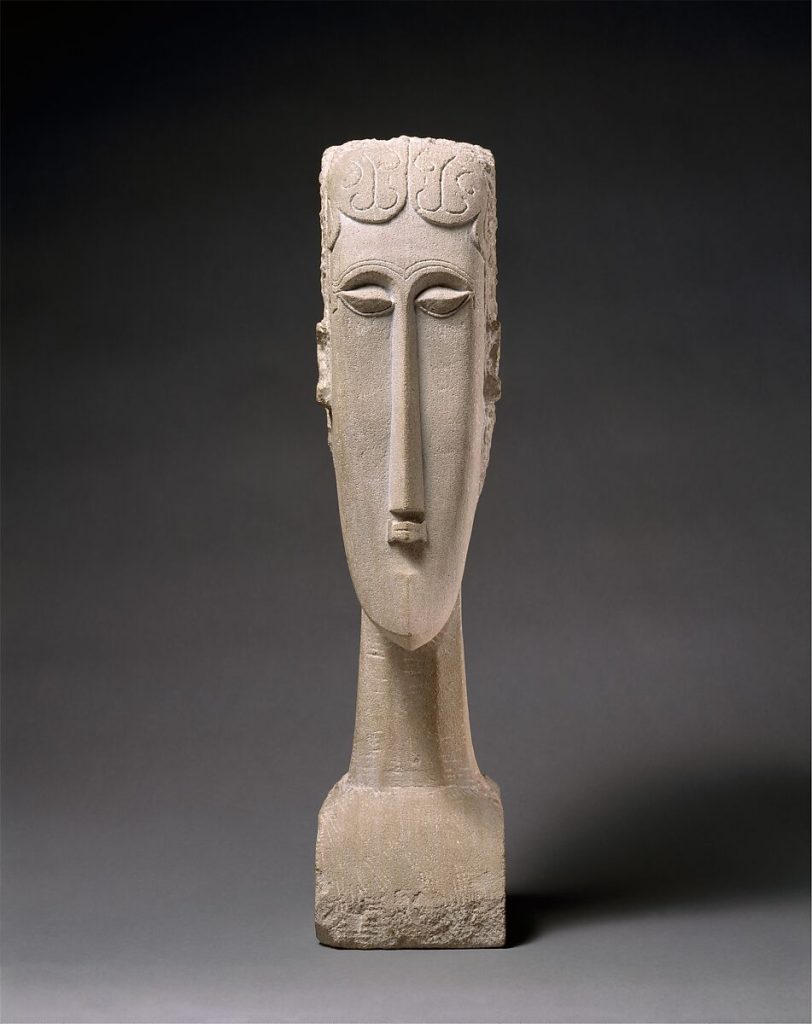
These notes of African inspiration in European artwork are noted to be due to the influx of stolen African art brought into Europe due to colonialism. Within the 1870s, thousands of African sculptures were placed within European museums, bringing with them notes of abstraction that intrigued expressionist artists. This play with the human form encouraged a play with form that soon generated into the starts of the modern art movement.
Cubism
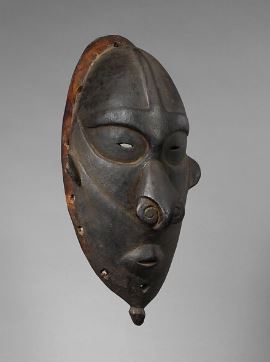
The cubism movement was a dip into the abstract for the modern art movement and began with Pablo Picasso and Georges Braque — both of whom admitted to being deeply influenced by African art, specifically African masks. As a whole African art possesses origins of “abstract shapes over realistic forms” that are common within the cubism movement in modern art.
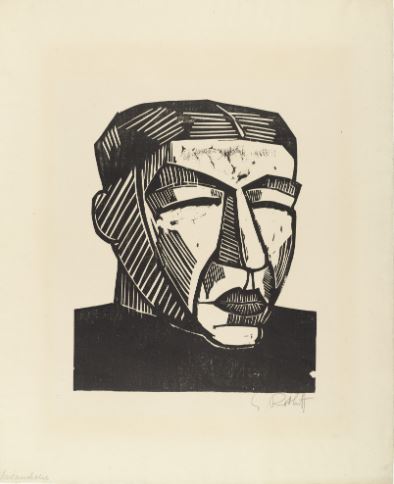
When viewing Cubist pieces, these inspirations are innumerable and instantly recognizable. The glimpses of the masks are repeated in cubism works along with the sharp abstracts within deeply human images. It’s hard not to see the history of stolen works within these images produced by non-black artists where direct images of African art are repeated within the folds of their works.
Dadaism
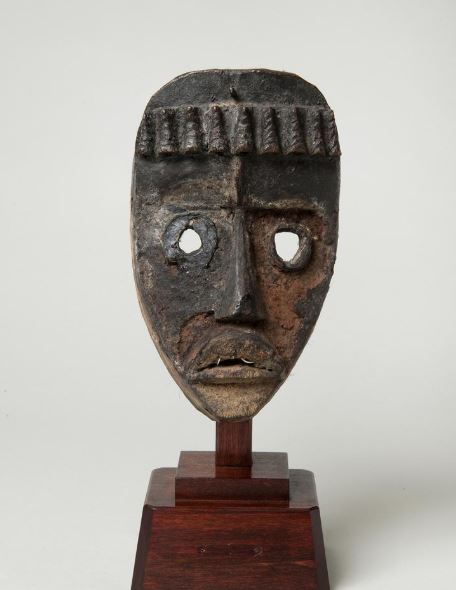
Dada was greatly brought on by the aftermath of World War I and examined a form of art that spat in the face of the modern art movements before it. Artists of this movement looked to completely stop the work that had been to uplift voices of total opposition of Western works. This meant generating “nonsense” artwork.
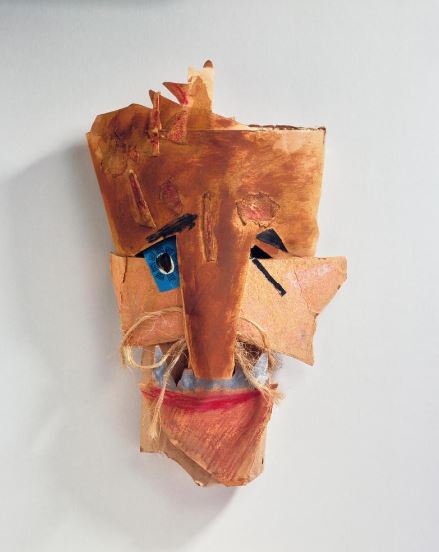
In the minds of Dada artists, the works that posed a great opposition to European and Western art was that of Africa. This movement presented a mixed array of African culture inspiration bringing about paintings and pieces that featured Africa to African-art-inspired artwork.
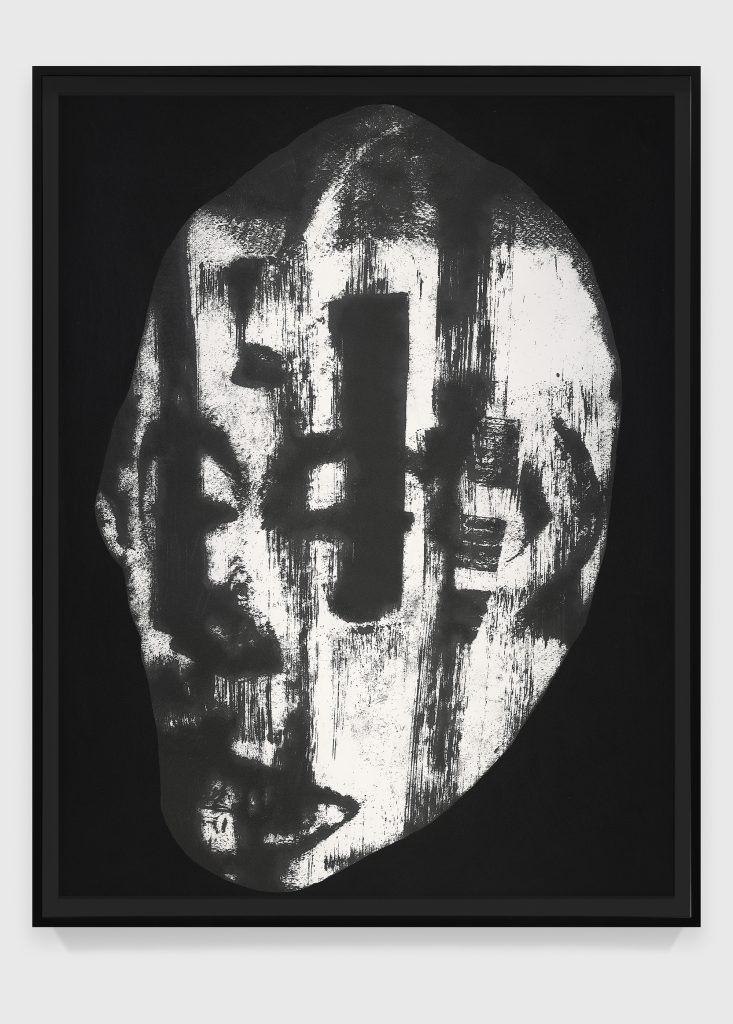
Dadaism was one of the modern art movements that held a subsect of “Black Dada.” This form of Dada has seen an increase of popularity within the 21st century, specifically with artist Adam Pendelton. Black Dada is, as the artist describes, “the way to talk about the future while talking about the past.” His own exploration brings to light not only a new way to examine the modern art movement in the modern world, but the reminder that the origins of dadaism comes from inspirations of African art.
Surrealism
Surrealism takes the foundations laid by Dada and exaggerates them, presenting elements of the real world in unrecognizable lights. Surrealism takes the previous inspiration from the Dada movement and combines them with African art as Western artists viewed African artwork as an escape from mainstream works. Artists of this era studied masks, sculpture, etc. taken from Africa to inform their own artwork.
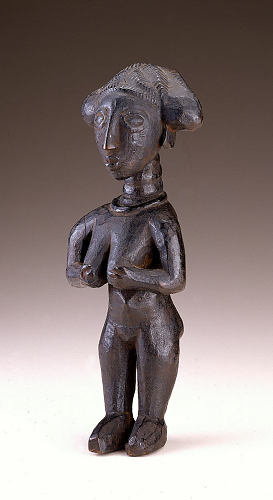
Like Dadaism, Surrealism has a subset of afro-surrealism works. And, like its predecessor, this styling of art has seen another tick in popularity within the 21st century. This is most evident in the realm of filmmaking — think media like Sorry to Bother You and Lovecraft Country.
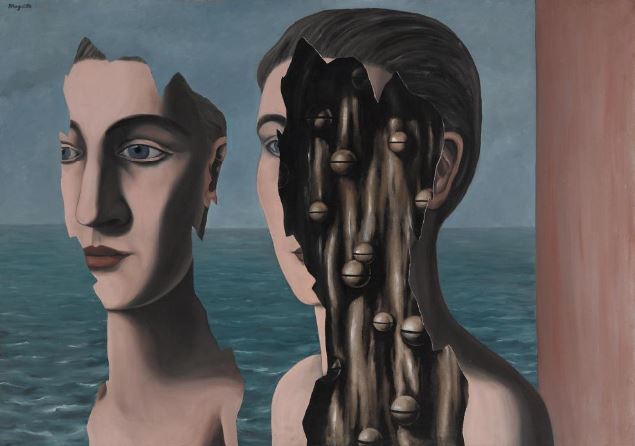
There is an inextricable connection between Black culture and the art world, yet histories and creations brought on by Black peoples are largely left out of the mainstream narrative. These modern art styles are, as they have been historically, attributed to white artists. Their work is modeled in classes and shown in museums, without acknowledgement of the very roots in which they take in African and Black culture.
Find out more about history through Bookstr’s article: Unveiling the Fascinating History of Social Issues in Comics.
Add some diversity to your library! Check out Bookstr’s Bookshop list Diversifying Your TBR: Beautiful Black Voices in Literature.