



In today’s edition of Bookstr Trivia, we invite you to take a closer look at one of pop culture’s most fearsome monsters — the zombie. When we envision zombies, our mind usually conjures up some of our favorite horror classics, such as Night of the Living Dead, Dawn of the Dead, and 28 Days Later. While these movies have established the foundation of the zombie in modern pop culture, the symbolism and the history of “zombies” run deep and possess some interesting sociopolitical themes. Let’s jump into the history of our favorite monsters and discuss how they are presented in pop culture today, from literature, to film.
Trigger Warning: The mention of certain content and topics in this article may be triggering to some readers. Such issues include racism, slavery, and brief mentions of suicide.
What Are the Historical Origins of the Zombie?
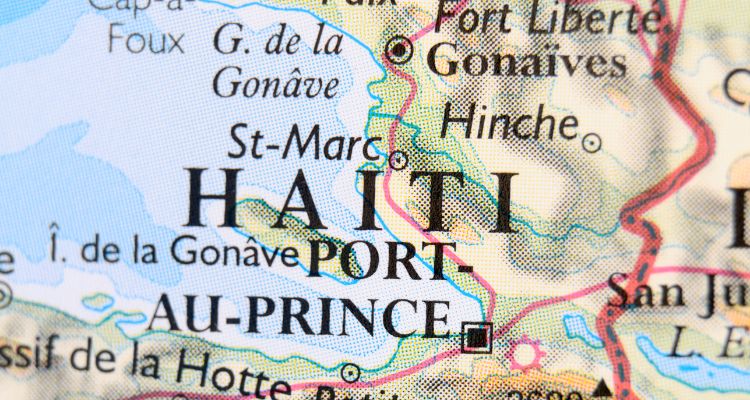
The initial presentation of the zombie seems to stem from cultural ideas from the island nation of Haiti, in the Caribbean. Back in the 17th and 18th centuries, Haiti was a busy port, with one of its most flourishing imports being enslaved people coming from Africa. The conception of the zombie was born as rumors flew that escaping slavery by suicide would result in transforming into the walking dead rather than an afterlife in their homeland. Additional early ties to Haitian culture can be found with Haitian Vodou. Also relating to instances of slavery, zombies were widely believed to be created by Vodou priests, as they reanimated newly deceased corpses to produce free labor.
Beyond Haitian cultural mentions, the first instance of the word “zombi” (first appearing without the ending -e) can be allegedly discovered in a short story entitled The Unknown Painter, which was published in newspapers in the United States in 1838. According to sources, after immigrating from Edinburgh, the story, penned by an anonymous author, was featured in the Alton Telegraph newspaper. The tale describes a “zombi” that sneaks into an art studio owned by a Spanish painter named Bartolome Esteban Murillo and works on paintings by Murillo’s students. Even though one of Murillo’s slaves attempts to raise the alarm concerning the zombi, no one believes him, instead chalking up the stories as just African myths. However, research has since dismissed this publication as the first instance of “zombi,” instead claiming that the word was added some years later.

Some years later, a new definition was formed for “zombi.” Born in Sweden but later residing in Virginia, Maximilian Schele de Vere was a professor at the University of Virginia and studied modern languages. His scholarly work mingled with paranormal reflections as he penned a novel entitled Modern Magic — a volume that explores the magic and necromancy rituals during this time. In this text, according to de Vere, a “zombi” was more closely related to “a phantom or a ghost.” He continued to establish that this concept of “zombi” was relayed by the rumors from nannies and servants from the Southern United States, continuing the ties of zombies with the history of African slavery.
When Did Zombies Start Taking Over Pop Culture?
The birth of the zombie genre as we know it today can possibly be credited to a very peculiar gentleman, journalist, author, and (alleged) cannibal — William B. Seabrook. As a veteran of World War I, Seabrook was exposed to horrors on the front line. In his later years, these horrors would influence his writings and interests until his death by suicide in 1945. With his interests in the occult, specifically ideas presented by Aleister Crowley, Seabrook’s world travels would lead him to Haiti in the mid-1920s. After a year of living in Haiti, Seabrook published his most popular work, The Magic Island. This pivotal book was the first real view of Haitian Vodou for Western society. Not only does it represent a firsthand account of Seabrook’s experiences, but The Magic Island also lays the foundation of the modern zombie as it appears in pop culture today.

Decades before the cult classic zombie films began to hit the screen, scholars believe that Seabrook’s work was a direct influence on what is known as the first zombie movie — White Zombie, a 1932 film starring Bela Lugosi as Murder Legendre, a terrifying zombie witch doctor living in Haiti. The elements in this film draw heavily from the folkloric background of Haitian Vodou and its ties with zombies. However, these customs are appropriated to feature the main Vodou villain as a white man (Lugosi).

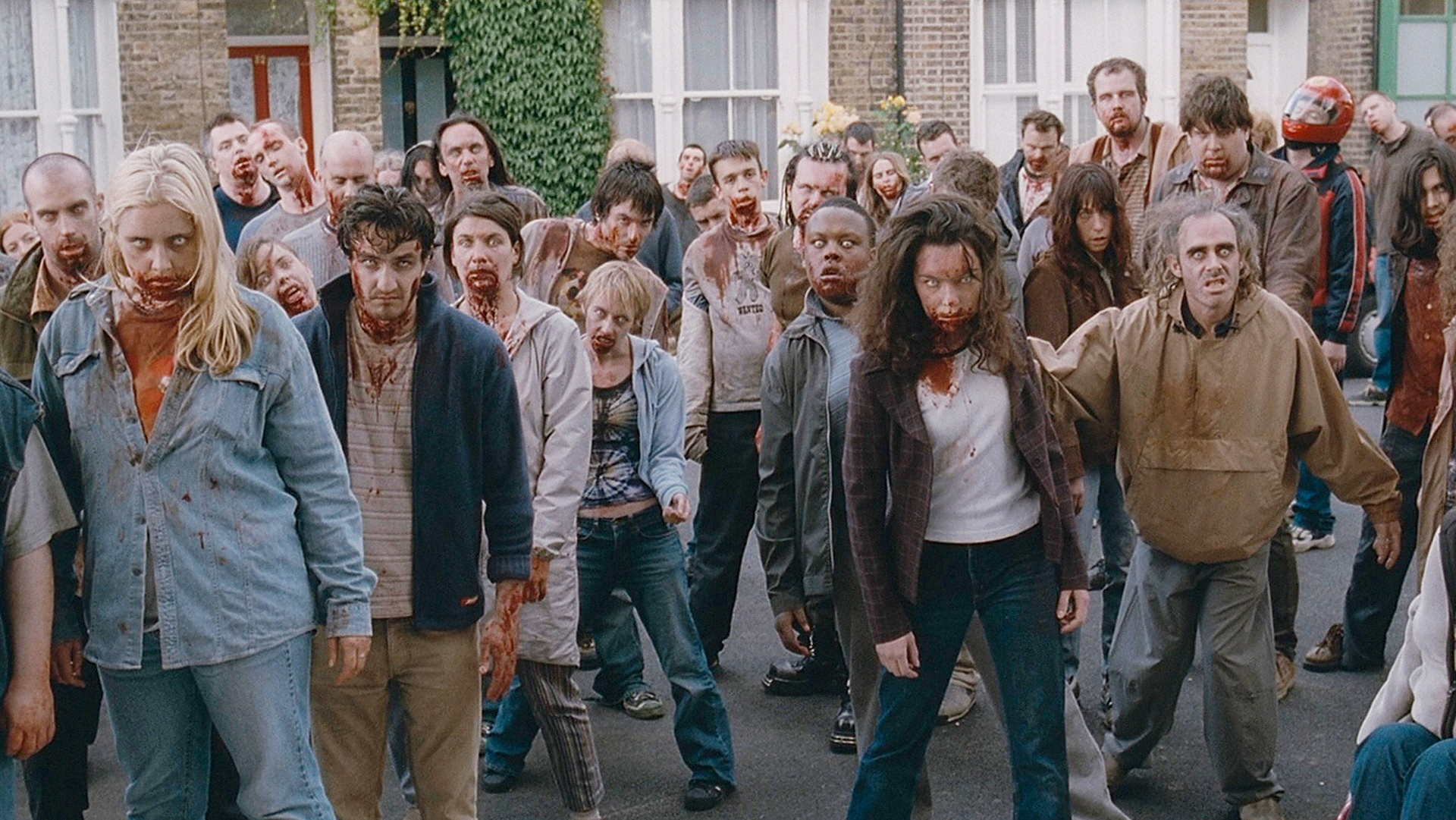
Then, in 1968, George A. Romero altered the face of zombies in pop culture forever with his debut film, Night of the Living Dead. While never referred to as “zombies,” the creatures that stalk the group trapped within a small farmhouse in the Pennsylvania countryside would be known from this point on as “zombies,” sparking a genre that has continued until today. Romero would continue his exploration into zombies ten years later with Dawn of the Dead.

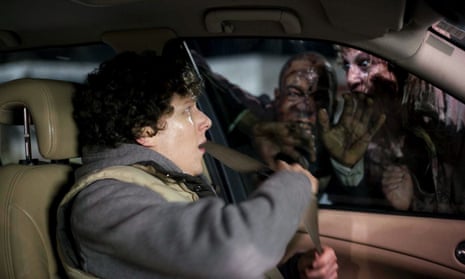
Ushering in a new millennium, zombies would continue to make their appearance in such films as 28 Days Later — a film that would challenge the zombie image again by swapping out slow-moving monsters with terrifying frenzy attacks. However, the zombie profile would continue to be questioned with the production of comedies (even romantic comedies), as seen in Shaun of the Dead, Zombieland, and Warm Bodies. As zombies have been relevant in pop culture for years, their inclusion in parodies highlights how popular they have become in modern society.
The Sociopolitical Symbolism of Zombies
As with all elements of pop culture, parallels relating to political and societal issues can be explored through the narratives associated with zombies. Since the late 1960s, these tales of horror have been a medium to express the anxieties in society during their time. One example can be observed with Night of the Living Dead, as this film was released during the turbulent times of the Civil Rights Movement, and only a short time after the assassination of Martin Luther King, Jr. In Romero’s film, not only do the zombies represent these turmoils, but viewers can recognize racial tensions with the main character, Ben, played by Black actor Duane Jones. Romero’s casting of Jones revealed the racist attitudes of society, as many were shocked by a Black man being cast as the main protagonist. The film’s ending also explores these tensions, as Ben survives the zombie horde but is killed by the rescuing militia, who shoots him after failing to check if he is a zombie.

These reflections of societal issues continue to be explored in other zombie films. One example is Dawn of the Dead, which takes place in an abandoned mall swarming with zombies, a reference to society’s unchecked obsession with consumption and mindless shopping. In 28 Days Later, World War Z, and I Am Legend, zombies are caused by a global pandemic that threatens to devour all of mankind. While these films came out pre-COVID, they show that the fear of contagion has been gnawing on the minds of society for years.
Zombies in Literature
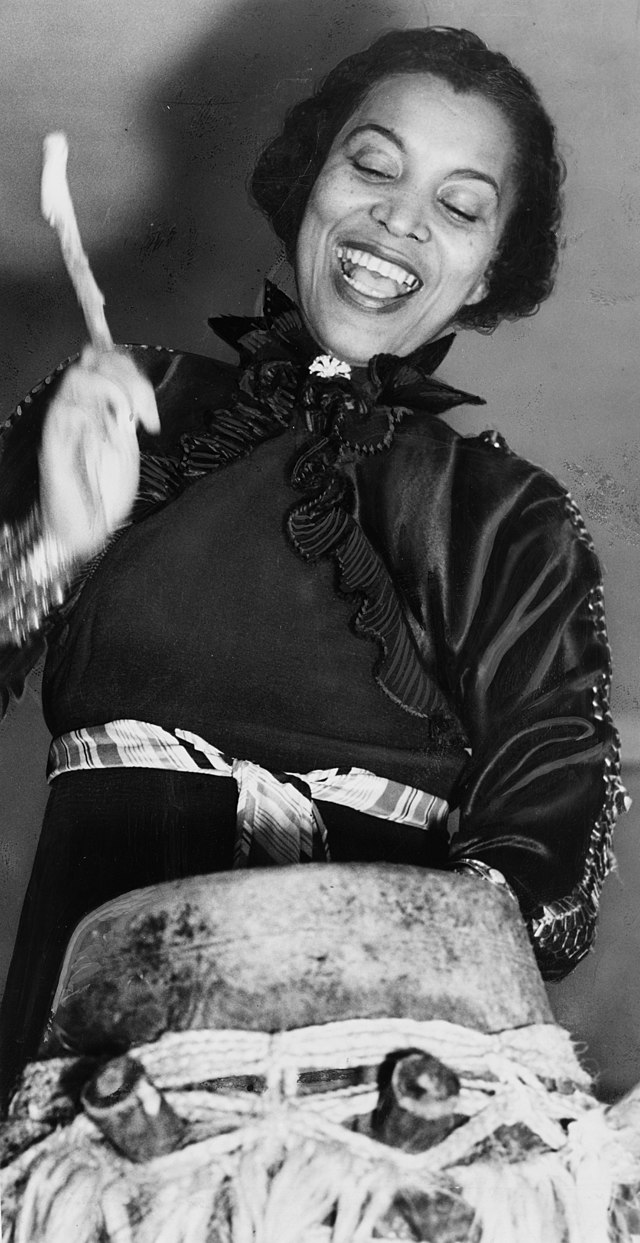
While we mostly place zombies in the context of film, literature has had a major impact on the genre, as we have seen previously in our discussion about William Seabrook’s The Magic Island. While Seabrook’s publication initiated this discussion of Haitian Vodou and zombies, Zora Neale Hurston continued the exploration with her 1938 work Tell My Horse: Voodoo and Life in Haiti and Jamaica. Following Seabrook’s method of immersing themself in the culture, Hurston traveled around Jamaica and Haiti to study Vodou tribes. Seeing these cultures firsthand, Hurston also witnessed the Haitian perspective of the zombie, and when asked to define a zombie in 1943, her response was:
“A zombie is supposed to be the living dead: people who die and are resurrected, but without their souls. They can take orders, and they’re supposed to never be tired, and to do what the master says.”
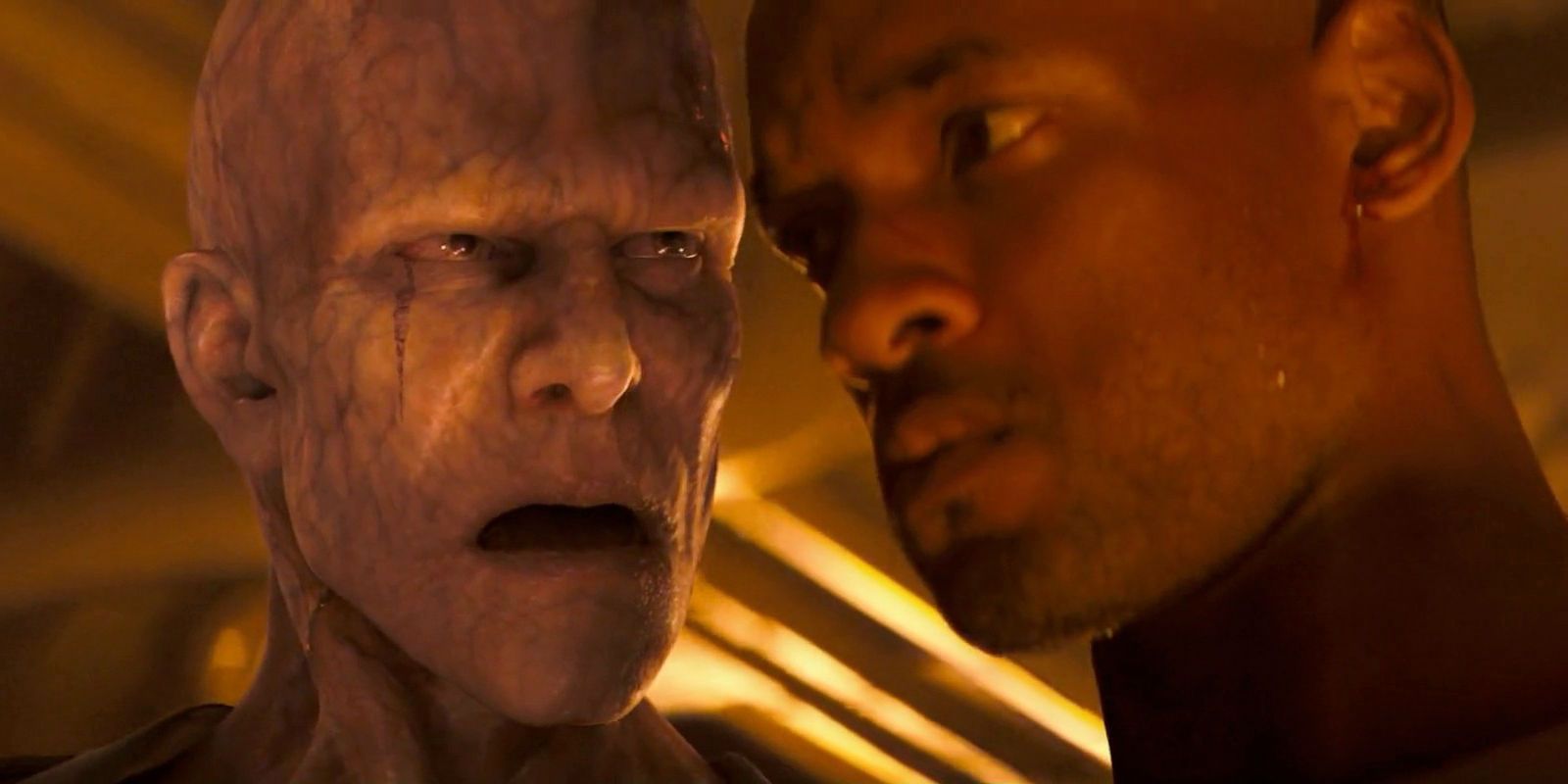
Just as Bram Stoker’s Dracula was a catalyst for vampires in fiction, Richard Matheson’s I Am Legend can be credited with introducing zombies to the modern realm of fictional literature. Later remade into the 2007 film of the same title starring Will Smith, Matheson’s 1954 novel tells the story of Robert Neville, the last surviving man on Earth, as he attempts to hide from a society composed of flesh-eating monsters. While it describes these creatures as “vampires,” this novel was later credited as a major influence on George A. Romero’s Night of the Living Dead.
Following the trend of placing the genre in the context of a parody, one novel that attempts to achieve this is Pride & Prejudice & Zombies by Seth Grahame-Smith. In this publication, Grahame-Smith takes the classic Jane Austen work and infuses it with apocalyptic zombie scenes. Not only does Elizabeth Bennet have to worry about Mr. Darcy, but now she has flesh-eating suitors to outrun. Also, following the popularity of Twilight, a wave of young-adult novels popped up during the early 2000s with such hits as The Enemy, The Zombie Survival Guide, and World War Z.

Finally, dominating the graphic novel and comic book world, The Walking Dead was a super popular fandom that led to an extremely successful television series airing from 2010 to 2022. Similar to 28 Days Later, the series follows a police officer named Rick Grimes, who wakes up from a coma to discover his world has been ravaged by a zombie apocalypse. The series explores the horrors of dealing with not only zombies but also humanity in the face of world-ending disaster. The Walking Dead has already inspired successors with such massive hits as The Last of Us, both as video games and television series, exploring the horrors of humanity in the form of zombie narratives.

From folkloric origins to modern-day hits, the image of the zombie is here to stay. It is a monster that has seemed to adapt to our times and has proven to be the perfect vehicle to explore our anxieties in humanity.
Check out my article: Will Thou Love To Live Deliciously With These Literary Witches?
Need some more horror recs? Check out our shelf: Spine-chilling Horror Novels Not for the Faint of Heart!