






In this edition of Bookstr Trivia, we’re taking on the history of witches in literature, exploring the ideas and symbolism of how they are represented in text worldwide. From a westernized perspective, when one mentions the word “witch,” one possibly pictures something along the lines of the green-faced, wart-nosed, heckling Wicked Witch of the West from The Wizard of Oz. However, this description can vary wildly, depending on the geographical location and culture. Literature can be an important form of self-expression as well as a vital medium for discovering new cultural perspectives. So, let’s take a journey across the globe to explore the concept of witches and how their narrative is expressed in different forms of literature.
Where Did the Anglo-Saxon Image of Witches Originate?
To begin our literary journey, we delve into the history of witchcraft by way of Western Europe, where the Anglo-Saxon, or Saxon, concept of witchcraft is believed to have originated in France and Switzerland, influenced by classical antiquity. However, the infamous witch hunting trials began in 1500 through 1650, blazing throughout Europe, and eventually crossing the ocean to affect the newly formed American colonies. The witch trials mainly targeted women who did not conform to religious doctrine or those who had been accused by their neighbors.

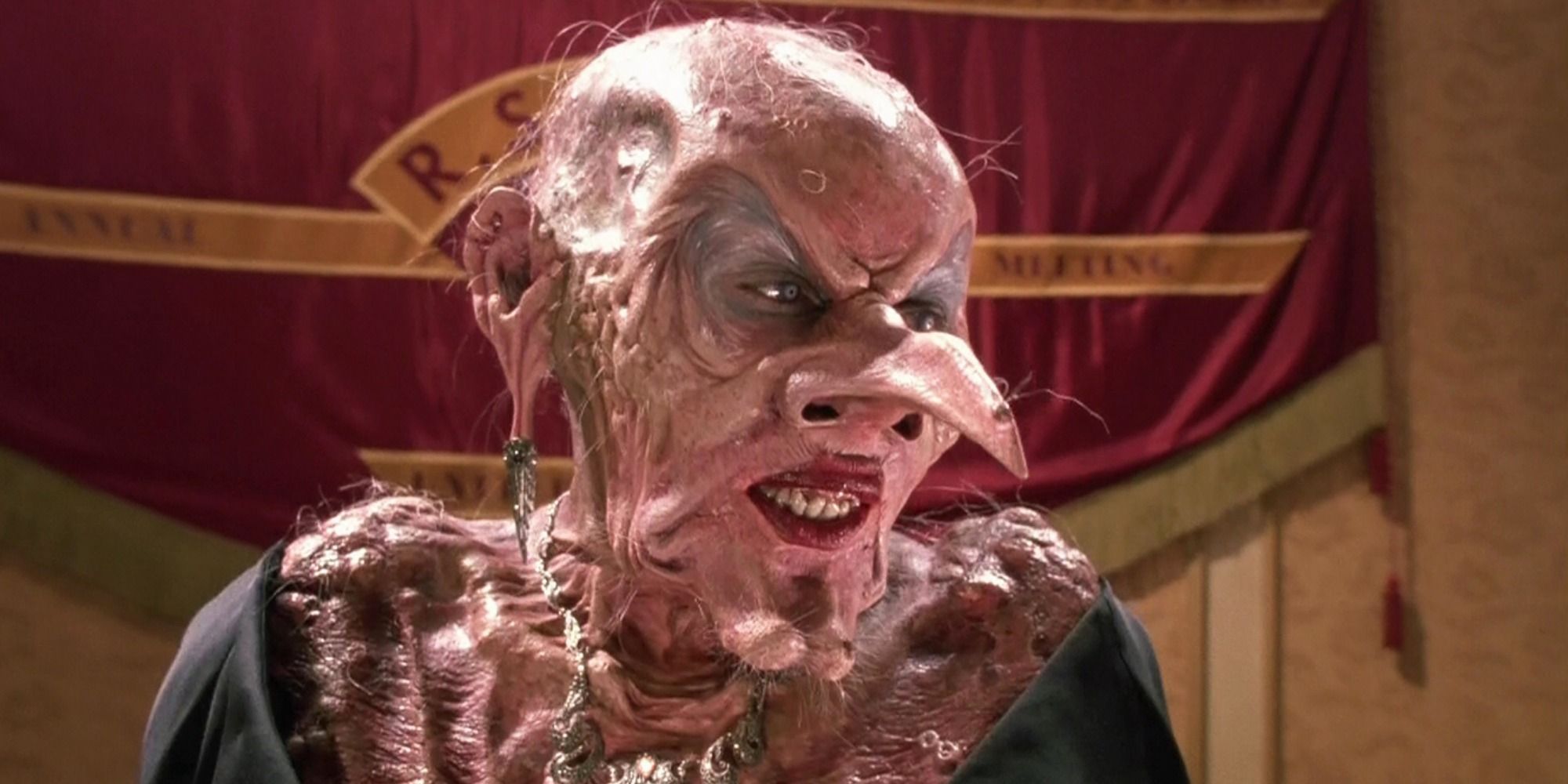
Published centuries later in 1983, British author Roald Dahl penned his novel, The Witches, as a story geared toward children. The main character is The Grand High Witch, who is portrayed as a hideously evil woman who hates children. Dahl continues a long-running stereotype of witches being ugly and wicked, reflecting the same anxieties against women that sparked the European witch trials in the past.
It is possible that, while growing up, the 1990 film version, starring Anjelica Huston, was nightmare fuel to many children. And rightfully so, as Eva is presented as hating children and feared by her fellow witches. However, this representation of witches was controversial, as Dahl claims witches were always women, and further elaborates in his novel that:
“This is about real witches. Real witches don’t ride around on broomsticks. They don’t even wear black cloaks and hats. They are vile, cunning, detestable creatures who disguise themselves as nice, ordinary ladies.”
The Witches, Roald Dahl, 1983
For another take on witches, we venture over to eastern Europe, specifically Moscow, Russia where The Master and the Margarita (1966-1967) paints a different picture, leaning toward a more romantic and tortured image of women. Mikhail Bulgakov’s novel includes a labyrinth of intertwining supernatural characters and storylines. At the heart of the story is Margarita, who is in love with The Master. With the influence of a mysterious character named Woland (who happens to be the devil) and his assistant Azazello, Margarita is transformed into a witch after Azazello gives her a magical cream. Margarita aligns herself with Woland, going on a quest to save her true love.

The American History of Witches
As the nation was still young and developing, the idea of witchcraft immigrated over to the American colonies. These foundational times coincided when the European craze of witch trials was transpiring. The most notorious site for colonial American witch trials was a small town in New England called Salem during the spring of 1692, which brought about the deaths of 25 innocent people accused of witchcraft.
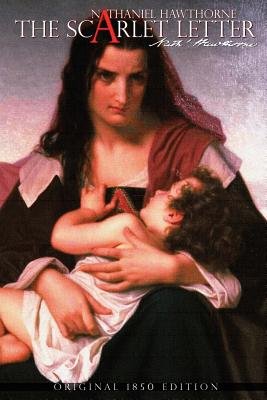
Over a century later, Nathaniel Hawthorne — who was related to John Hathorne, the “hanging judge” during the Salem Witch Trials — penned the classic novel, The Scarlet Letter (1850). In this narrative, Hawthorne presents the character of Ann Hibbins (borrowing from the real Ann Hibbins, who was accused of witchcraft in a nearby community in 1656). Hibbins attempts to influence the main character, Hester Prynne, to indulge in witchcraft. The community shuns Prynne due to her swaying from their Puritan ways, as she does not embrace their values and religious doctrine.
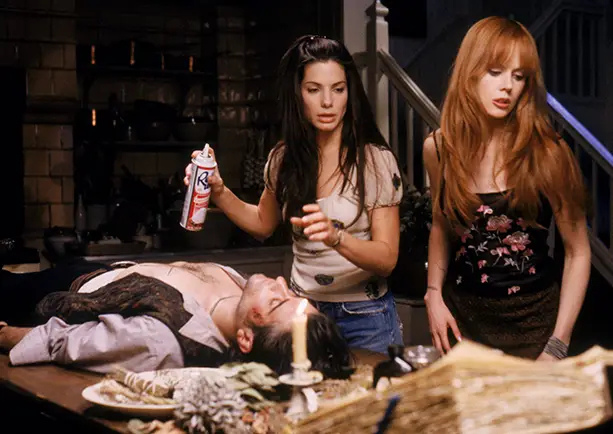
Although there have been numerous American novels featuring witches since The Scarlet Letter, one novel that particularly challenged the outdated idea of witches is Alice Hoffman’s 1995 novel Practical Magic. The 1998 movie version, starring Sandra Bullock and Nicole Kidman, is probably the catalyst responsible for introducing a generation of millennials to embracing witches. We all wanted that giant, old Victorian house by the sea while making margaritas in the kitchen of our dreams and dancing to Harry Nilsson’s (Put the Lime in) Coconut.
Again, the idea of sisterhood is applied to the novel with Gillian and Sally. Their love and strength are a magic that conquers all. There are so many other elements in this story that highlight the ideas of witches, such as the generational curse that is passed on through the matriarchal line of the family and the stigma of the townspeople being frightened of the family.
The Latinx Representation of Witches
If we look beyond the stereotypes of Western European representation of the witch, we find that many forms of witches exist in various cultures worldwide. In Spanish, the word for witch is bruja. Brujería has a complex history stemming from influences originating from African, Indigenous, and even European customs. So, although Brujería is adopted throughout Latin America, historians have been able to trace the origins of the definition to Catalan Bruxia from the Middle Ages, which possesses roots from Celtic or Iberian.
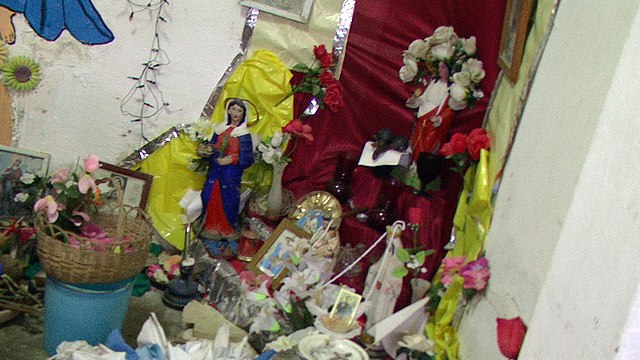
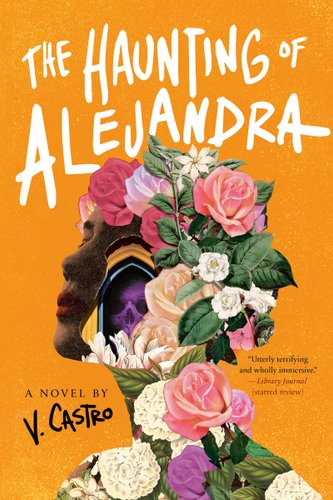
One example of a recent literary work that embraces this idea of blending cultures and the representation of Brujeria is V. Castro’s The Haunting of Alejandra, which represents a more modern version of the witch, as Alejandra is a contemporary woman. But she also represents the struggles of being caught in a patriarchal society as a mother and wife. On top of the everyday anxieties and obstacles of structured gender roles, she also faces the challenge of a generational curse of La Llorona, a recurring folkloric legend from Mexican traditional narratives. In order to battle these demons, Alejandra embraces her cultural roots and establishes an altar in her home to fight off La Llorona.
The Roots of Witchcraft in Africa
Journeying over to Africa, we find this vast continent containing 54 countries and over four different territories is filled with numerous instances of witchcraft, and it’s quite difficult to narrow down all of them, as Africa is extremely complex in its cultural diversity. That said, one common occurrence is visible in witchcraft practices found in Latin America, such as Brujería and Santeria. Given that these rituals are rooted in Africa, it makes sense to see a lot of similarities cross over the continents.
One example of what the Western world would consider witchcraft can be found in South Africa where the Zulu people reside — a tribe that immigrated to their current location centuries ago, from 2000 B.C. through the 15th century. One tradition that is unique to the Zulu is Bungoma, or traditional healing. This idea of Bungoma embraces forms of divination, psychic abilities, and communing with the dead.

Over the years, different tribes throughout the continent have been subjects of anthropologic studies for their cultural practices, which researchers view as witchcraft. In 1937, E.E. Evans-Pritchard studied the Azande people and discovered that they believed in the “soul of witchcraft,” a type of ritual that is practiced psychically as the witch’s psyche travels across astral planes to inflict their spells on their target’s soul.
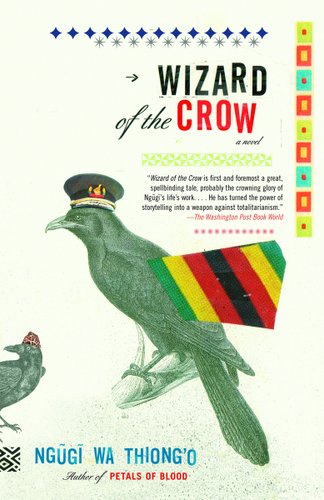
In Wizard of the Crow, a comic novel set in the fictious Free Republic of Aburiria, Nigerian author Ngũgĩ wa Thiong’o successfully creates a postcolonial narrative that embraces the ideas of folkloric witchcraft to conquer corruption and political power struggles. By including these instances of traditional folklore, Thiong’o provides agency and identity for a marginalized section of the population.

Witches in Asia
Traveling over the Pacific to explore Asian cultures, specifically Japan, the idea of witches is expressed through the tale of Yama-uba, which is traced back to the Muromachi Period spanning from 1336-1573. Regarding this tale, the common theme of empowered women is found within Yama-uba, as she is a powerful witch residing in the mountains and who is a threat to men. Yama-uba is synonymous with Western labels of crone or hag, since she is portrayed physically as an old, frail-looking figure living alone up in the mountains.

The Presence of Familiars and Witchcraft in Japanese Literature
It is common to make a connection of black cats or other spooky animals as companions to witches. You may wonder, Where did this idea originate? This connection between familiars and witches began during the European witch trials, specifically during the 15th and 17th centuries. The idea was that these animal friends were actually demons sent by the devil to aid in witchcraft shenanigans. Hence, the definition of a familiar, in relation to witchcraft, is “a demon supposedly attending and obeying a witch, often said to assume the form of an animal.”
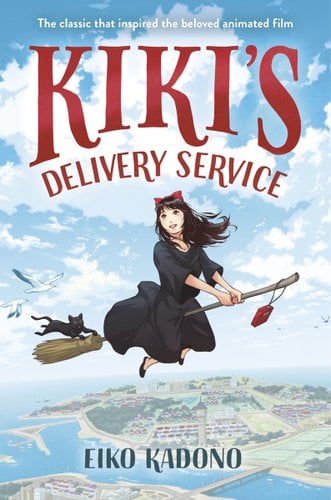
In Japanese folklore, the idea of familiars also appears in witchcraft; however, the common animals are usually a snake or fox. Nevertheless, in Eiko Kadono’s Kiki’s Delivery Service, a young witch named Kiki is paired with her familiar in the form of a black cat named Jiji, which blends Japanese folkloric ideas of witchcraft with American influence.
Ultimately, the notion of witches is an idea that takes on many forms, depending on geographical location and culture. However, as concepts immigrate from country to country, one can see interchangeable influences reflecting in the structure of these traditions. We all have these stereotypical ideas on what a witch looks like and how they behave. But, through literature and listening to other narratives, we can certainly expand our understanding and definition of “witch.”
For more information on the feminist history of witches, check out our article on 7 Iconic Witches That Shatter the Status Quo!
For more interesting and informative book recommendations, check out our Bookstr Trivia Bookshelf!