

















On this week’s trip around the world, we’re exploring the most terrifyingly good horror authors from Asia. Their themes and writing styles are incredibly diverse, so there’s definitely something for everyone. From body horror to folklore to the supernatural, you’re in for a very spooky treat.
Junji Ito, Japan
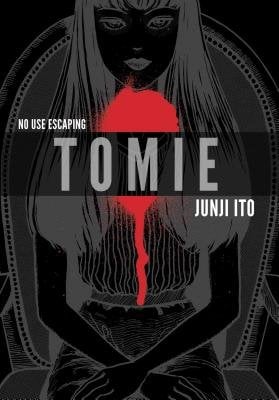
Junji Ito is a household name when it comes to horror manga. He combines body horror with the macabre, using themes such as obsession and the supernatural. His stories often feature ordinary people who begin experiencing strange things. As things turn horrific, Ito’s detailed art style emphasizes this transformation visually. One of his widely celebrated works is Tomie. This horror series centers around Tomi Kawakami, a beautiful young girl who can drive men to murder — but it’s impossible to kill her.
Bora Chung, South Korea
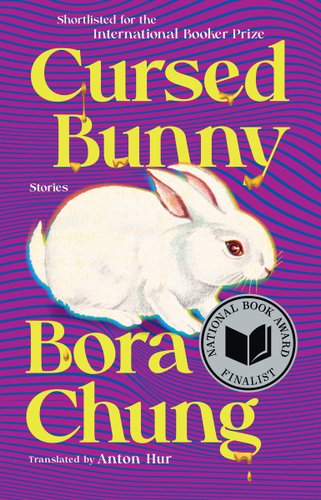
If you’re looking for an author who combines horror with dark fairy tales and magical elements, Bora Chung is for you. She uses supernatural and psychological horror to create an eerie setting. Her short story collection Cursed Bunny showcases her unique blend of horror elements particularly well. The title story focuses on a revenge plot; in it, a man creates a porcelain bunny to curse the nemesis that destroyed his family. With sprinklings of dark humor mixed into the detailed depictions of violence and horror, you will be laughing and gasping.
Hon Niangzi, China
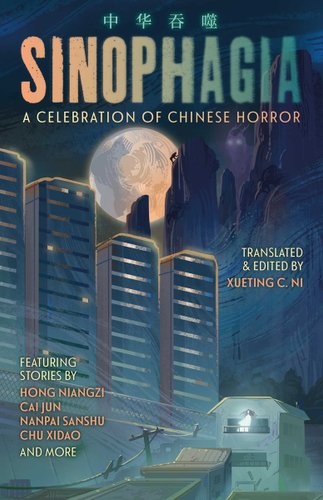
Hon Niangzi blends the traditional with the modern. Her stories are inspired by Chinese myths and folklore, while her settings are predominantly contemporary. The supernatural is a key part of her writing, featuring ghosts as well as demons and other spirits. One of the best ways of enjoying Niangzi’s writing for us abroad is through the translated anthology of Chinese horror authors, Sinophagia. It features one of her most celebrated stories, The Regret of Chang E. Chang’e is the Chinese moon goddess who desperately wanted to live forever, prompting her to drink a forbidden elixir to attain immortality. Niangzi uses this important legend from Chinese mythology and turns it into a moral lesson. In her version, the moon goddess attains immortality but suffers terribly because of it.
Indra Das, India
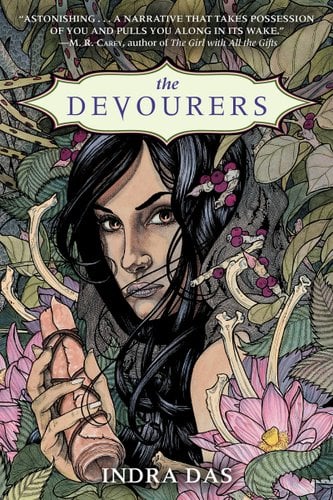
Indra Das uses Indian history and mythology to create an incredibly detailed and eerie backdrop for his horror. He often explores the relationship between man and monster, using fantastical and supernatural elements to do so. His novel The Devourers is a complex mixture of horror, fantasy and romance. A shapeshifter by the name of Fenrir falls in love with a human woman. Their story spans centuries and is unearthed by a modern day historian who starts translating ancient texts. Full of powerful prose, Indra Das explores violence, hunger, and love through the eyes of creatures that are both animal and human.
Tunku Halim, Indonesia
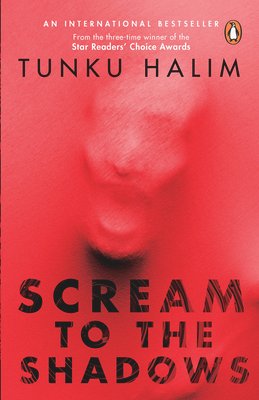
Tunku Halim has most certainly earned the nickname “The Malaysian Prince of Darkness.” His stories are as dark as they are thought-provoking. Halim’s special blend of horror includes Malaysian folklore and the supernatural. Themes such as death and revenge play a big role in his writing. His short story collection Scream to the Shadows showcases how unsettling it is when mythology and modern life collide. Night of the Pontianak especially depicts those themes particularly well. The Pontianak is a vampiric creature from Malaysian mythology, said to be a pregnant woman who died during childbirth. Halim transplants this mythological creature into a modern-day setting, with terrifying consequences.
Eka Kurniawan, Indonesia
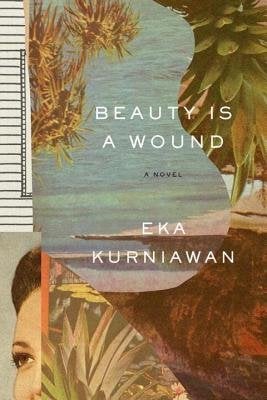
Do you prefer your horror stories with some dark humor? Look no further; Eka Kurniawan’s writing often focuses on the dark aspects of human nature. He blends folklore, violence, and the supernatural into a darkly amusing masterpiece, Beauty Is a Wound, a complex yet lyrical novel. It focuses on a beautiful prostitute by the name of Dewi Ayu. She rises from the grave to tell the reader the story of her and her daughters’ lives. Their beauty is more of a curse than a blessing, inviting grave misfortune in the form of violence, curses, and supernatural beings. Kurniawan uses the depiction of their tragic lives as a way to critique Indonesia’s colonial history.
Indulging in great horror is a thrilling way to celebrate incredible, diverse talents and terrors from around the world. We hope some of these authors and their work piqued your interest because these spooky treats are worth the risk of having a haunted bookshelf!
Want some more nail-bitingly scary horror novels? Click here for a spooky dose of horror debut fiction!
Need to refresh your horror TBR? Get inspired by our horror bookshelf on Bookshop.org.
