

















Monstrous and macabre, the gothic world appeals to lovers of dark stories spanning multiple subgenres, including horror, fantasy, and romance. However, even the most die-hard fans of gothic fiction may have yet to hear of the penny dreadful — a type of serialized publication popular in the Victorian era inspired by gothic themes. If you’ve read this far, you’re truly in for a penny, in for a pound, but beware as we venture into the past to unearth this week’s installment of Crazy Book Genre.
The horrors that lie ahead are not for the faint-hearted.
Terribly Awful Origins
The penny dreadful (also known as “penny horrible”, “penny awful,” or even more morbidly, “penny blood”) was a type of weekly pamphlet popular in 19th-century Britain. The genre name originates from the cost of an edition of the serial literature — one penny — and the grisly and sensationalist nature of many of the stories. In other words, it was “simply dreadful stuff”. However, as the penny dreadful became increasingly popular, the term evolved to include other types of “pulp-like” periodical publications and booklets. Nowadays, the term can even be used to refer to any particularly violent and scandalous story from the 19th century, regardless of whether it was ever published as a penny dreadful.
With the backdrop of the Industrial Revolution during this period, it became more common for the average Brit to spend on recreational and leisurely activities. This included reading for pleasure (courtesy of higher literacy rates amongst the general populous). Plus, with the establishment of nationwide railway services, it became far easier to mass distribute cheap literature, resulting in a booming publishing industry.

Lives of the Most Notorious Highwaymen Footpads, &c. was the first-ever penny dreadful, published in 1836, and ran for more than 60 issues. The penny periodicals fast gained prominence in the mid-Victorian era of the 1850s-1870s. Priced at only one pretty penny, unlike more expensive serialised works, e.g. Charles Dickens novels, penny dreadfuls were more affordable and accessible for the working class, which helped drive their popularity.
Thrilling Themes and Woeful Works
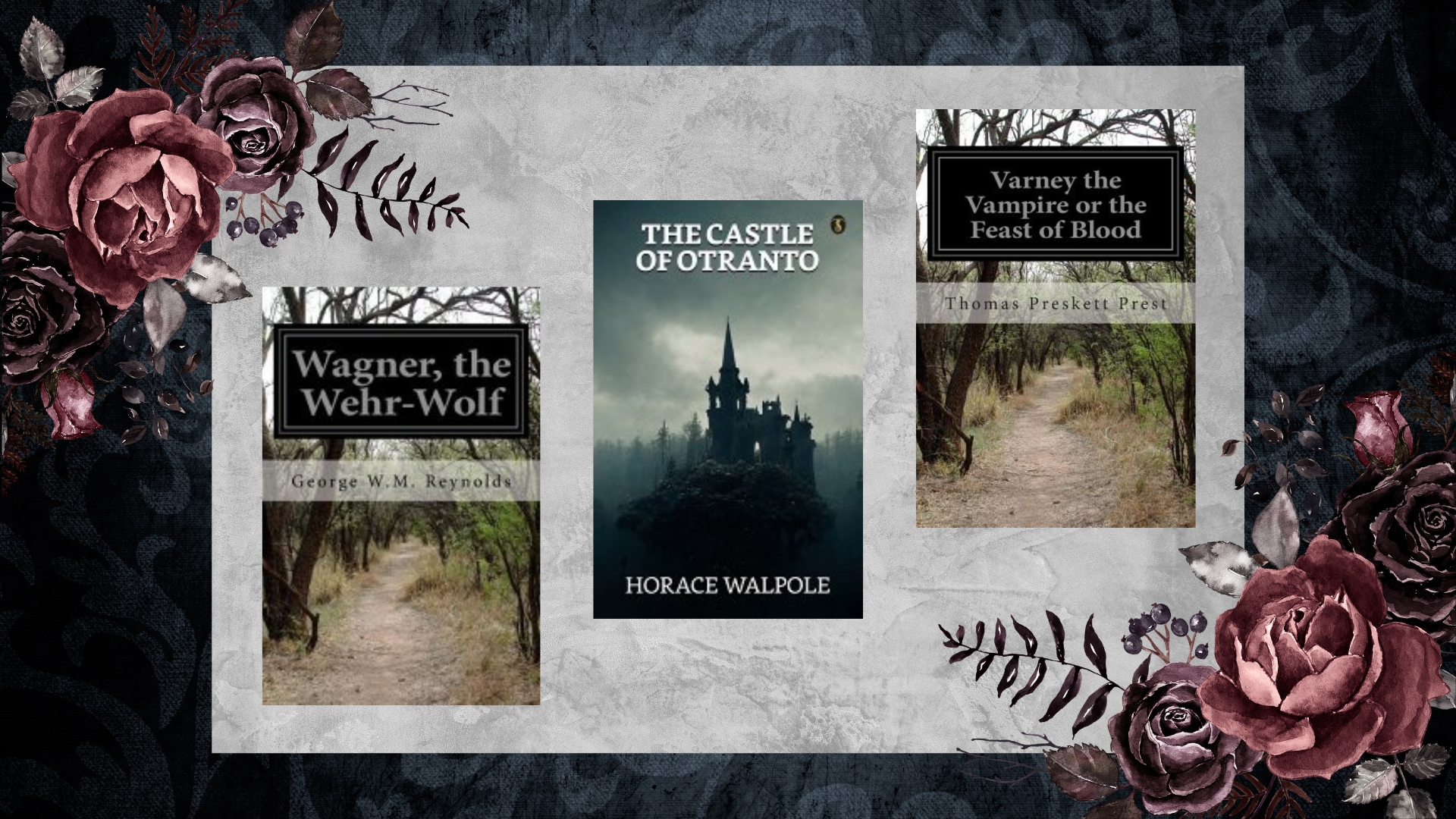
Penny dreadfuls were often retellings of classic gothic tales such as The Castle of Otranto, Frankenstein, and The Strange Case of Dr Jekyll and Mr Hyde. They featured various tropes typical of the gothic genre, including supernatural beings and criminal adventures. The fictional character of Sweeney Todd, “the Demon Barber of Fleet Street,” was first introduced to the literary world through the penny dreadful The String of Pearls by James Malcolm Rymer. Popularised by the titular play and Tim Burton film adaptation, in his story, Todd was known for butchering his clients with a razor and his accomplice selling their remains off in baked goods.
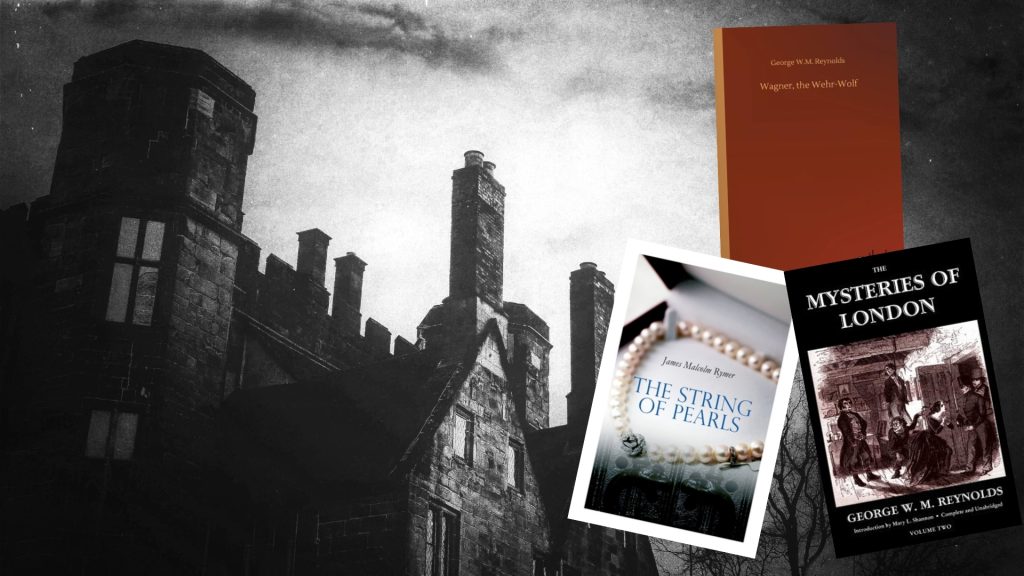
Famous penny dreadfuls with supernatural elements include Wagner the Werewolf by George W M. Reynolds, Varney the Vampire by James Malcolm Rymer, and Greta the Ghost. (Ok, I made up that last one, but you can see a pattern here.) In Wagner the Werewolf, the eponymous character sells his soul for youth and beauty (Dorian Gray-style). However, this is at the cost of his humanity since he’s forced to live out the remainder of his days as a beastly man-wolf hybrid. Reynolds also penned the Penny Dreadful The Mysteries of London, exploring various tales of crime and corruption in the City of London.
Varney the Vampire, also known as The Feast of Blood, was a chaotic saga detailing the escapades of the titular character who overpowered his victims with his superhuman strength and used his sharp fangs to drink their blood. The story inspired much of the lore associated with vampires in popular culture and featured in other works of fiction, such as Bram Stoker’s Dracula.
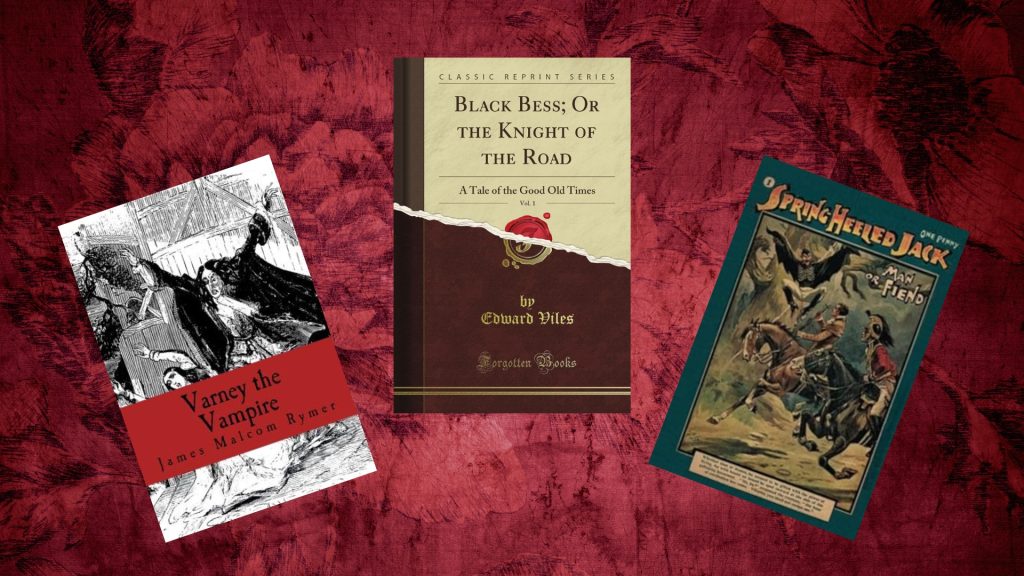
Many penny dreadfuls revolved around the lives of high-profile criminals, with Victorian readers particularly fond of the archetypical Highwaymen anti-hero. For example, Black Bess or The Knight of the Road by Edward Viles was based on the real highway criminal Dick Turpin. There was also the monstrous fiend Spring-Heeled Jack, borne from urban legends of a menacing figure who tore up his victims with fierce claws.
End of an Era: Penny Painful Dreadful Death
Cheapness was part of what propelled Penny Dreadfuls to success, but unfortunately, it also drove them out of fashion. Once the “half-penny” dreadful, half the cost of their penny-wise counterparts, came onto the scene in the 1890s, it was the beginning of the end for the original penny dreadful. Despite its fateful demise, penny dreadful stories have since been resurrected and given new life through modern adaptations in literature, TV, and film.
Upon exploring this awfully dreadful piece of literature, a penny for your thoughts, anyone? Do tales of the grim and supernatural scare you away, or are you perhaps intrigued by their premise? Only one way to find out…
Looking for more spooky stories? Read about the fascinating genre of Jiangshi horror.
Check out the Bookstr Bookshelf for more horribly terrifying books to sink your teeth into.
