














Since Juliet first sighed out her balcony window, or Penelope waited twenty years for her beloved Odysseus to return home, romantic stories have been woven into the fabric of human civilization again and again. Matters of the heart are never simple, and writers often return to stories of love to investigate the complex human psyche. The forbidden ache of emotional and sexual desire is a gripping way to hook readers into a character’s journey. Yet in the early days of literature, romance was relegated to theatrical performances or flowery poetry.
When the novel burst onto the scene in the 18th century, this new medium provided writers with more creative expression than they had ever had before. No longer confined by the specified rules of the stage and the poem, authors (as they were now called) felt free to explore more controversial topics without worrying about word count or meter. Sex and love took on a whole new (explicit) meaning in literature, and scandals erupted across the publishing landscape. By tracing the history of key figures in the early days of romance writing, we can see the foundation that paved the way for the modern wave of romance that is currently taking the bookish world by storm.
Trigger Warning: This article contains references to sexual assault and domestic abuse. Please exercise personal care while reading.
Samuel Richardson Creates the First Romance Novel
The romance genre as we know it today was arguably started by Samuel Richardson’s novel, Pamela; or, Virtue Rewarded. Published in 1740, this controversial book tells the tale of 15-year-old servant Pamela, whose employer, Mr. B, sets out to seduce her. Pamela refuses his advances, and Mr. B grows aggressively insistent on having her, even going so far as to kidnap and threaten to rape her. When she faints in shock at this horrifying intention, Mr. B pivots his strategy by instead offering to marry her. Pamela agrees (having fallen in love with him), and she spends the remainder of the story proving her legitimacy to the rest of society.

Richardson’s novel isn’t exactly romantic by today’s standards. The coercion and attempted rape are unsettling, only made more problematic by the fact that Mr. B and Pamela are supposed to have fallen in love with one another over the course of the ordeal. The book is written in the style of letters Pamela exchanges with her family; Mr. B is said to have intercepted these letters and, through her writing, fallen in love with her virtuosity and conviction of spirit. The titular “reward” for Pamela’s virtue, supposedly, is her marriage to Mr. B, which allows her to climb the social ladder.
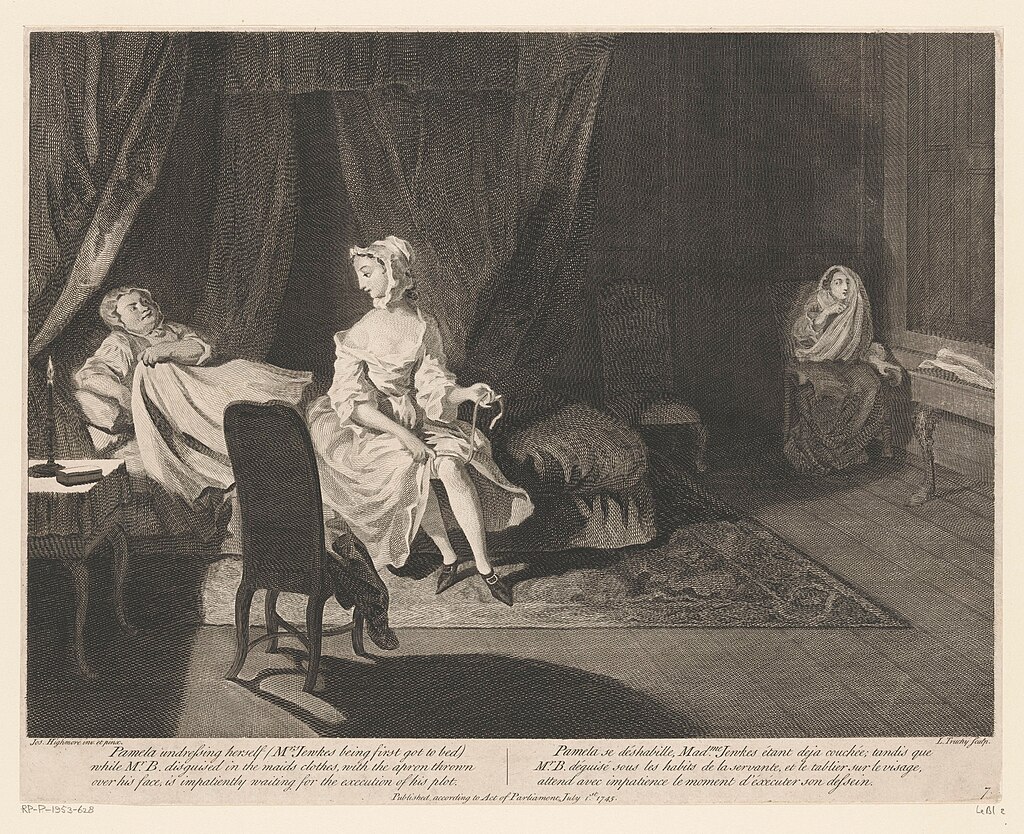
Pamela received considerable criticism upon its release. Unfortunately, it was not necessarily considered controversial for the sexual assault themes, pointing to the horrific way women (especially those in servitude) were viewed at the time. Instead, audiences were scandalized by the novel’s approach to social class and Mr. B’s internal conflict of falling in love with a low-class woman. Pamela may not be remembered with the same fondness as other works from the early days of romance literature, but it is the first time that we see the genre being used as a way to criticize and comment on the social politics of the era.
Ann Radcliffe Starts the Gothic Romance Craze
Ann Radcliffe’s legacy in literature was nearly lost to history, despite inspiring many authors after her. The work most widely recognized as her masterpiece is The Mysteries of Udolpho, a dark thriller about a young woman named Emily who is trapped in an Italian castle by her cruel uncle, Montoni, who psychologically tortures her and attempts to marry her off to one of his friends. Meanwhile, Emily fights to free herself from Montoni and return to her true love, Valancourt.
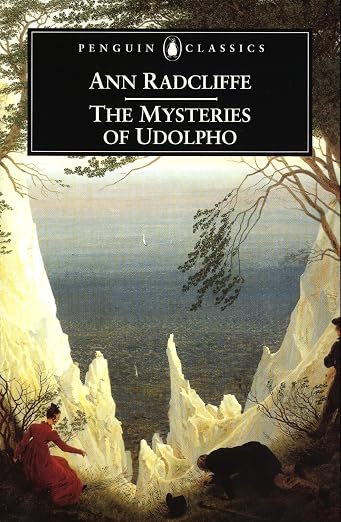
Interestingly, Radcliffe’s writing may have been lost for good if it weren’t for Jane Austen. In Austen’s novel, Northanger Abbey, the main character, Catherine, gushes over her love for Radcliffe’s harrowing tales, particularly The Mysteries of Udolpho. Radcliffe’s mention in Northanger Abbey was a driving force for scholars to rediscover her work and investigate its place within the Gothic romance canon.

While Austen portrays Catherine’s obsession in a humorous light, using it as a lesson against allowing fiction to overcome the imagination, in truth, Ann Radcliffe’s writing had a strongly feminist angle. Her young heroines (often orphans) lacked protection from the cruelty of the world, and, most notably, abusive men. The vulnerability of her subjects highlighted the precarious power imbalance that existed in real life.
Jane Austen Drafts the Early RomCom Formula
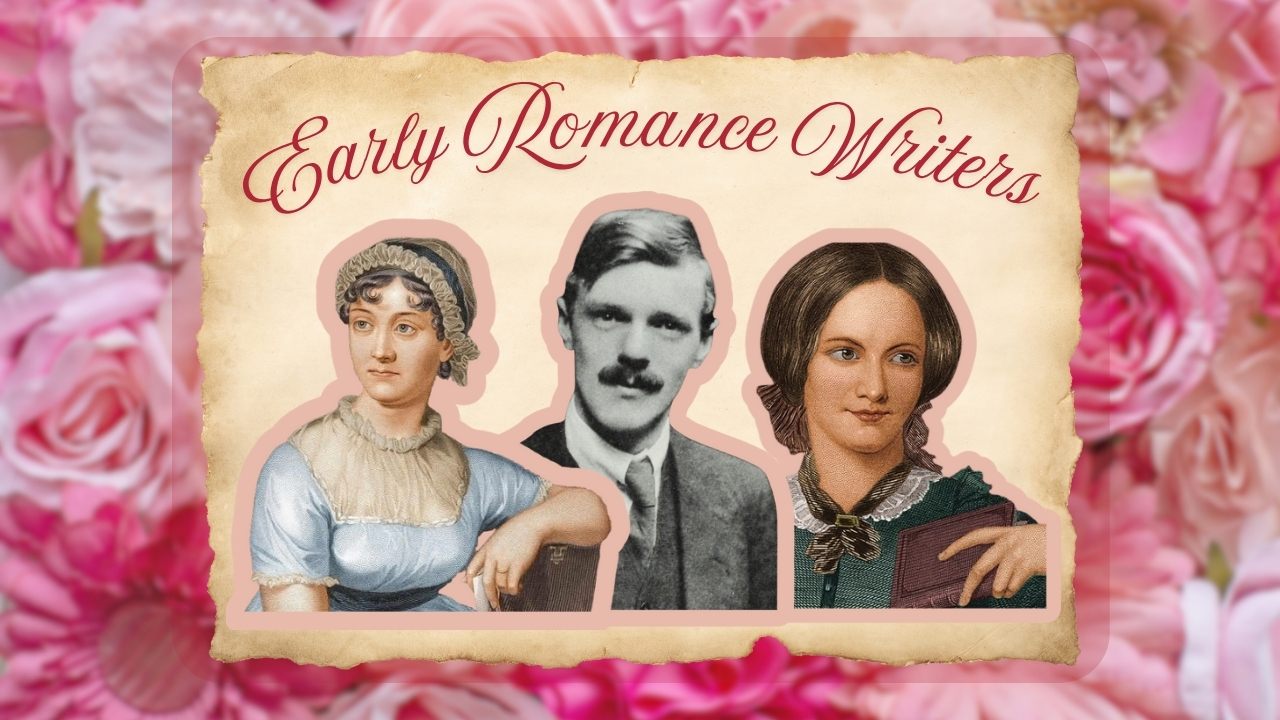
Where would modern romance dynamics be without Jane Austen? Her illustrious collection centers on a woman’s experience within the marriage politics of the era. In a departure from the dark and more melodramatic work of earlier writers, Austen’s novels take a softer approach. Although many of her books do include heightened stakes or dramatic subplots, the endings guarantee happiness and marital bliss for the two romantic leads.
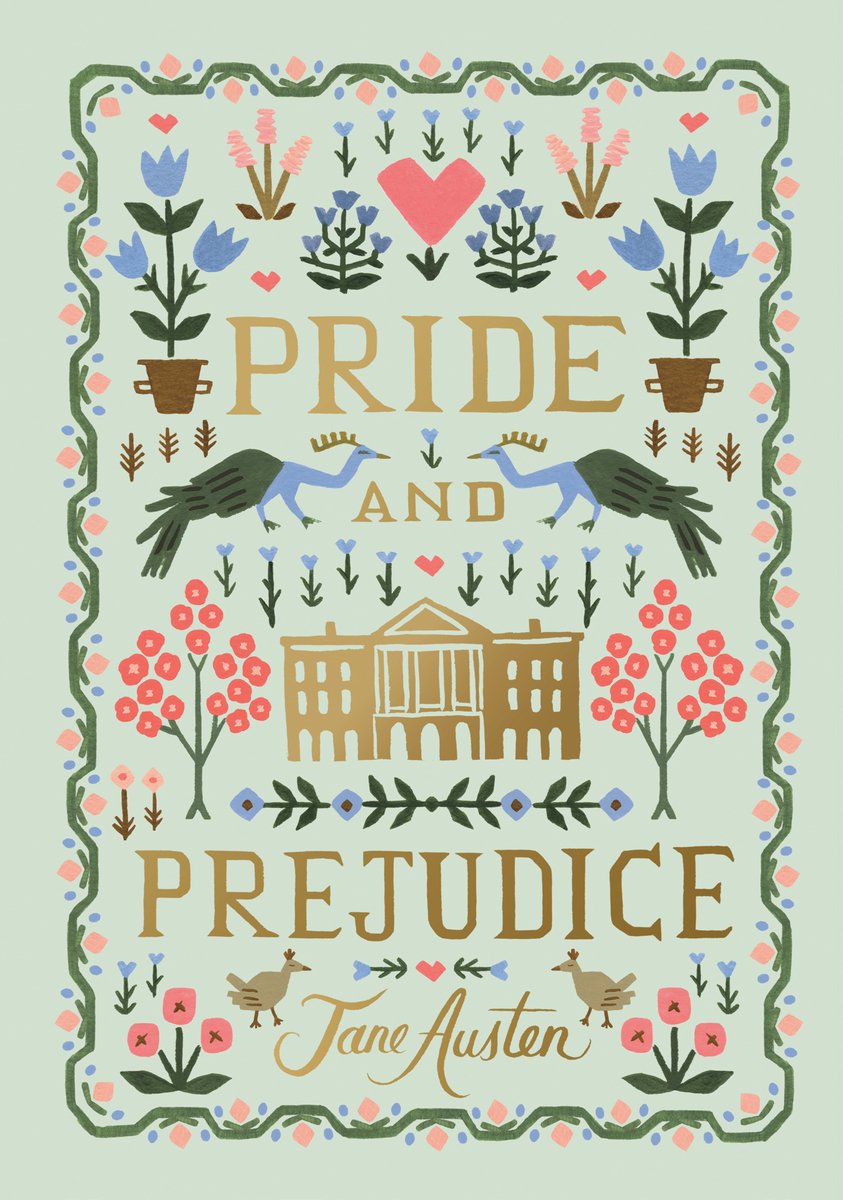
Pride and Prejudice is the most famous of Jane Austen’s works, and the power play between the enemies-to-lovers has been adapted and reimagined again and again. Near the beginning of the novel, Elizabeth Bennet boldly declares, “I am determined that only the deepest love will induce me into matrimony.” In an era where marriage was treated as an inevitability for all women, Austen’s characters dare to proclaim their hopes for their futures. Many of them do wish for marriage, but only on their own terms — a daring position, indeed.
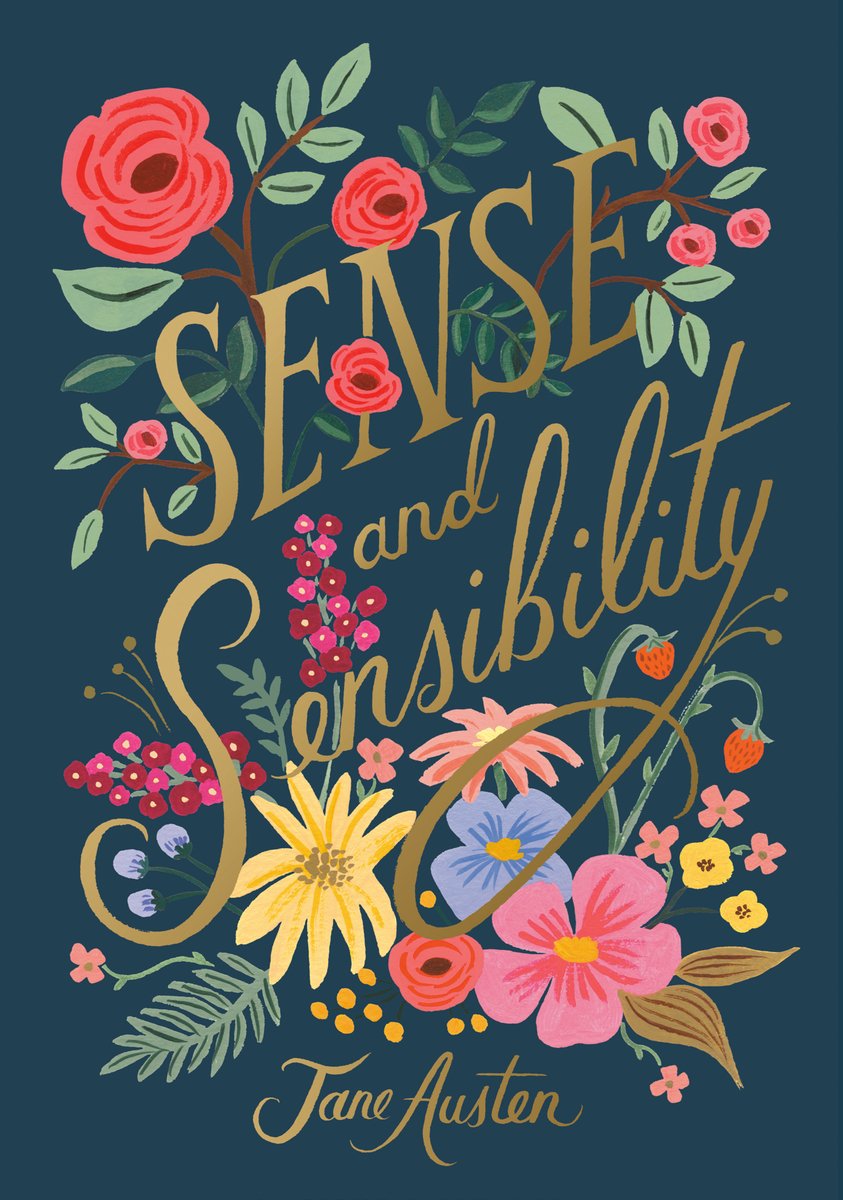
Jane Austen never married, and her experience as a single woman is reflected in her books. Each heroine feels the weight of societal pressure to secure the perfect match for their family. Jane Bennet and Elinor Dashwood from Pride and Prejudice and Sense and Sensibility, respectively, are the oldest in a family of only daughters. In the absence of a male heir, they suffer from the monumental responsibility of saving their sisters from eventual poverty. The consequences of the marriage mart are heavy in these novels, and the fact that these protagonists dare to love in the face of it all is admirable, to say the least.

Empathy is an underlying aspect of an Austen romance. The audience is asked to consider the difficulties faced by the female characters and treat their concerns seriously. She also didn’t restrict her subjects to the “acceptable” marriage ages of the time. Take, for example, Persuasion, which features Anne Elliot, a 27-year-old woman who gets a second chance at love with the man whose heart she broke eight years prior. Anne is mistreated and ostracized by society due to her status as an old maid, but Austen invites readers into Anne’s mind to recognize the feelings of a woman beneath the surface. Every character’s story, regardless of age, personality, or appearance, is treated with respect and dignity, daring the audience of the time to question a woman’s contributions not just to literature but to society at large.
The Brontë Sisters Build on Ann Radcliffe’s Legacy
If Ann Radcliffe started the Gothic romance trend, the Brontë sisters cemented it. Full of harsher subjects and characters with dubious morality, these romances spoke to the darker passions hiding within many women of the age. Twisted love is common in these novels, and the excitement present in the stories stems from the forbidden attraction between the leads.

Charlotte Brontë was the first of the sisters to be published, and her novel, Jane Eyre, follows the story of the titular Jane, a plain, mistreated orphan who accepts a governess position for the young ward of the mysterious Mr. Rochester. The more time Jane and Rochester spend in one another’s company, the more tangled their attraction becomes, but damaging secrets from Rochester’s past threaten to separate them forever.
Jane is an incredibly passionate lead, declaring in a heated argument to Rochester, “Do you think, because I am poor, obscure, plain, and little, I am soulless and heartless? You think wrong! — I have as much soul as you — and full as much heart!” She displays incredible bravery throughout the book and never lets Rochester or anyone else rob her of her integrity.
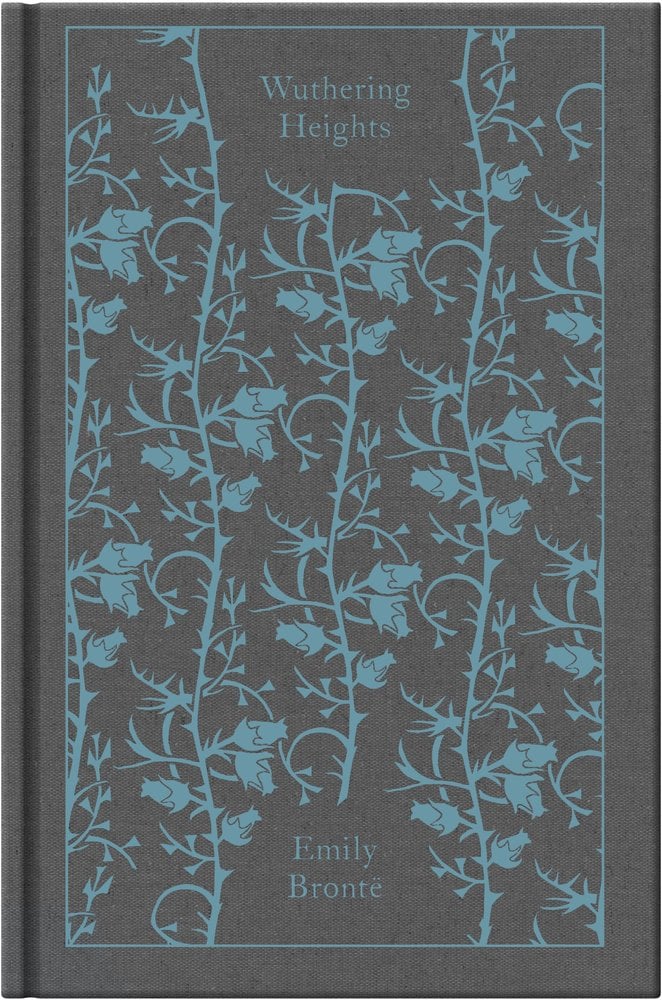
Wuthering Heights, written by Emily Brontë, is perhaps the most famous Gothic romance. When Mr. Earnshaw adopts the poor Heathcliff into his family, his daughter, Catherine, quickly develops an unhealthy attachment to him that continues into their adulthood. Heathcliff isn’t exactly the typical leading man; his attraction to Catherine is extremely possessive, and the two are tortured by their ill-fated love for one another.
The real romance in this novel, arguably, is the one between Hareton and Cathy, the next generation of the two main families in the story. Wuthering Heights tackles the ugly, all-consuming side of passion through Heathcliff and Catherine, while also exploring the concept of trauma bonds and breaking abusive cycles through Hareton and Cathy. Once again, the romance novel is used as a way to dissect social issues of the time.

The youngest Brontë sister, Anne, is most known for her novel, The Tenant of Wildfell Hall. In this book, Gilbert Markham becomes invested in the life of the widowed Helen Graham, who moves next door to him with her young son. Helen is determined to build an independent artistic career — a taboo move for the era — which leads the community to gossip about her disapprovingly.
As Gilbert gets closer to Helen, he eventually learns that she is not actually a widow but instead has fled from her cruel husband to protect her son from his damaging influence. The Tenant of Wildfell Hall is full of strong feminist themes and was immensely controversial at the time of its release. Similar to Austen, Anne Brontë used her writing to comment on women’s disenfranchisement and question the harsh politics of marriage.
Gustave Flaubert Holds a Mirror Up to Romance
Although not a Gothic author, Gustave Flaubert was similar to the Brontës in terms of using his writing to explore the harmful side of intense romance and attraction. His most famous novel, Madame Bovary, details the injurious saga of Emma Bovary, a woman who destroys her marriage through an extramarital affair that still fails to grant her the happiness she seeks. Emma is never content because she continually suffers from the trap of believing that each new thing will be the answer to all her problems. She is unhappy in her marriage, so she seeks a new romantic partner, only to find that her passionate sexual relationship grows sour when it fails to fix her dissatisfaction.

Flaubert’s deconstruction of the romance novel echoes Leo Tolstoy’s prose in Anna Karenina. Similar to Emma, Anna’s affair with Vronsky only sets her on a path of self-destruction, and the audience is left to question the validity of being led by your heart. Gustave Flaubert’s Madame Bovary proves that the romance genre can also create brilliant introspection.
Edith Wharton Enhances the Affair Plot
Born and raised within New York’s upper class, Edith Wharton used her writing to both capture and condemn the pretentious values of high society, especially in relation to marriage and romance. Her most famous novel, The Age of Innocence, follows Newland Archer, who, though engaged to the desirable match, May Welland, falls madly in love with May’s enchanting cousin, Countess Ellen Olenska.
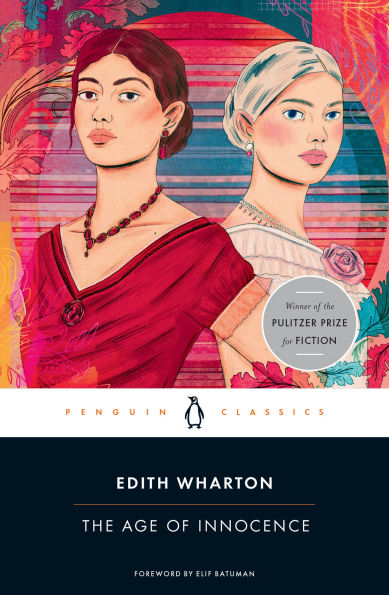
Newland at first sees May as the ideal wife because she represents the traditional culture of Old New York, but his attraction to Ellen soon surpasses this perceived perfection. Ellen courts scandal at every turn, most recently due to her intention to divorce her husband, an unforgivable misstep in the era. Newland eventually succumbs to the pressures of his conservative society, marries May despite his ambivalence to her, and convinces Ellen to remain in her loveless marriage to the Count. Even though both Newland and Ellen made what were considered at the time to be the “right” choices, readers are left with the implication that true love will never be a part of their lives.
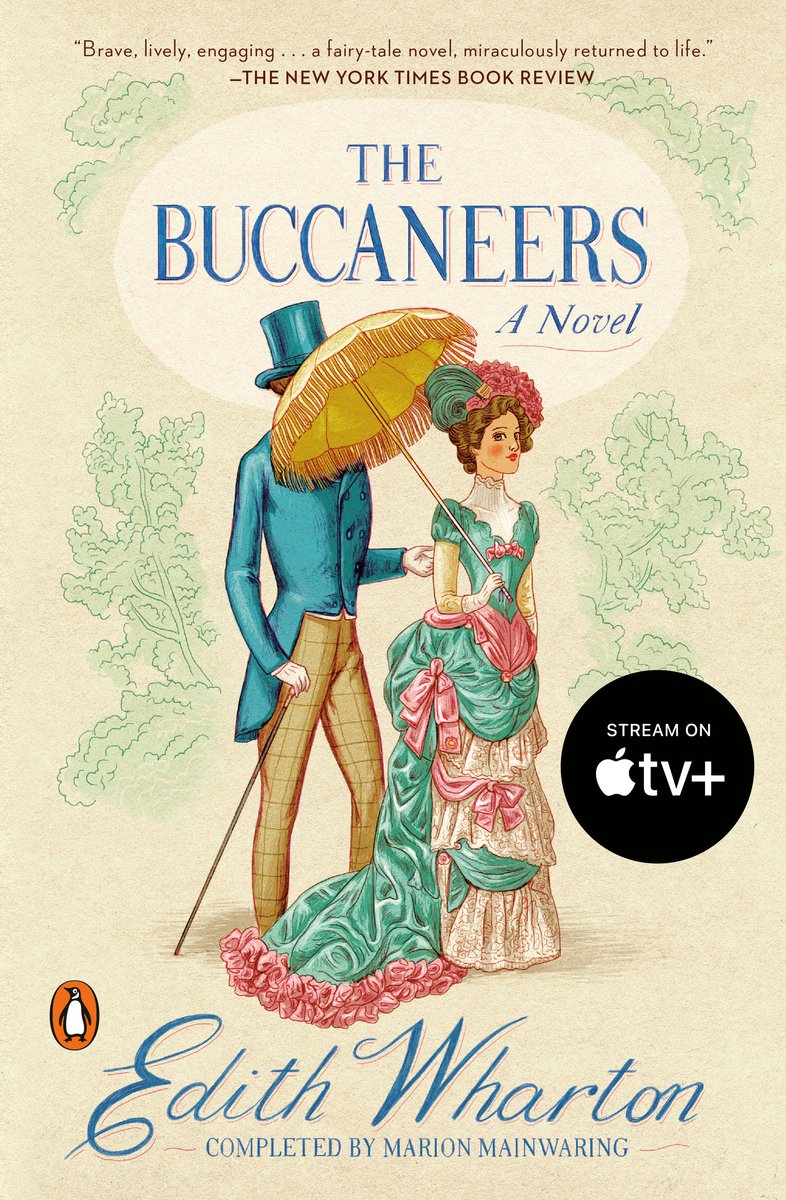
Wharton uses the affair plot with increased skill in her unfinished novel, The Buccaneers. In her final work, a group of American society women clash with the English aristocracy, upsetting the machinations of both worlds. Unlike The Age of Innocence, the characters bravely go after their hearts’ desires, seeking divorces and affairs, and placing their personal happiness above convention.
Though Wharton passed away before The Buccaneers could be completed, she left detailed notes that outlined the entire story, and Edith Wharton scholar Marion Mainwaring eventually used this record to finish the novel in 1993. Mainwaring’s additions garnered intense debate between book fans, but most scholars can agree that if Wharton had lived, The Buccaneers may have been her magnum opus and could have led to more work that continued to explore a woman’s agency within the romantic sphere.
D. H. Lawrence Dares to Embrace Erotica
D. H. Lawrence was a highly contentious author, primarily owing to the gratuitous sex within his novels. Characters in books like Women in Love freely embrace their sexuality and give in to desire. While lust and sexual satisfaction are cast in a cautionary light in writing by the Brontës and Gustave Flaubert, Lawrence chooses to portray sex not as inherently deviant but as a tool for self-actualization.
Lady Chatterley’s Lover is Lawrence’s most famous novel, and its explicit sex scenes were so controversial that after its publication, Penguin Books was actually taken to court on charges of obscenity. In this novel, Lady Chatterley is trapped in a loveless and emotionally abusive marriage, and she ends up having a passionate affair with her estate’s groundskeeper. Though the relationship starts as a way to satisfy Lady Chatterley’s sexual needs, she and the groundskeeper eventually fall in love with each other and plan to find a way to be together. D. H. Lawrence’s works are some of the earliest examples of erotica and demonstrate how transformative the genre can be.
The romance genre peels back the thin veneer of propriety and uses hidden desire and sexual themes to reveal societal tensions. Notably, a woman’s romantic agency and sexual pleasure are common motifs in early examples of the genre. Even today, modern romance books continue to center women in this way and face considerable backlash because of it. Which begs the question: has society come far enough since the early days of romance literature?
Dive into the history of a popular romance trope here.
Check out our Bookstr Trivia bookshelf on Bookshop to explore more niche topics.