








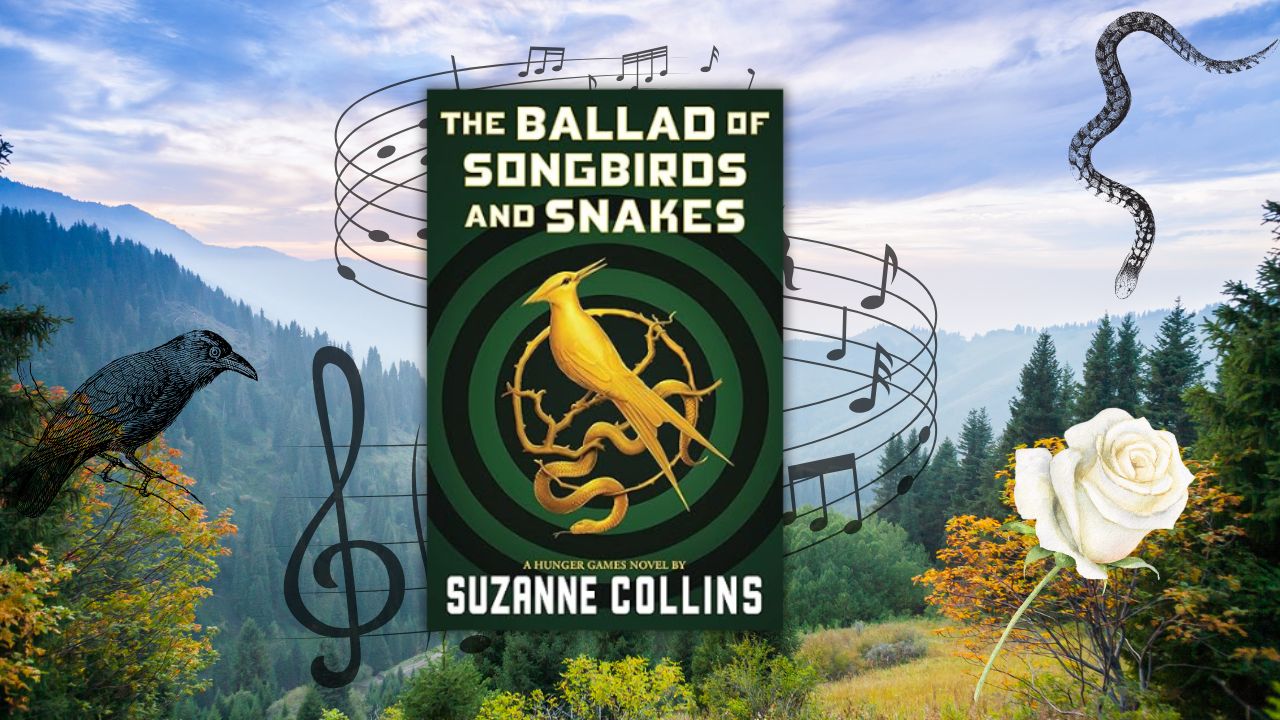
Fans of the original Hunger Games series were gifted a unique insight into how the Games came to be. Set more than sixty years before Katniss Everdeen volunteered as a tribute, The Ballad of Songbirds and Snakes reveals layers of hidden connections that make rereading the OG trilogy even more rewarding. Here are some of the most fascinating Easter eggs, and what they reveal about the world of Panem.
Content Warning: Please note that this article contains spoilers about the book.
Origins of the “Hanging Tree”
One powerful Easter egg is the mention of the iconic song, “The Hanging Tree.” In the third novel, Mockingjay, Katniss sings the haunting song in the ruins of District 12, as a relic of rebellion. But, in Ballad, we learn of its true origins, with Lucy Gray Baird writing it herself after witnessing a public hanging.

Its lyrics are urgent and devastatingly beautiful, and now carry a new weight. The song becomes a piece of history passed down through generations, one that will eventually outlive its singer and spark a new revolution.
Snow and his White Roses
President Snow is synonymous with the blood-flecked white rose. It’s hard not to picture his snowy, white hair and ice-cold disposition as he inhales their too-sweet scent, while scheming over Panem. In the original trilogy, these roses become a dark symbol, with Snow using them to send subliminal threats to Katniss.
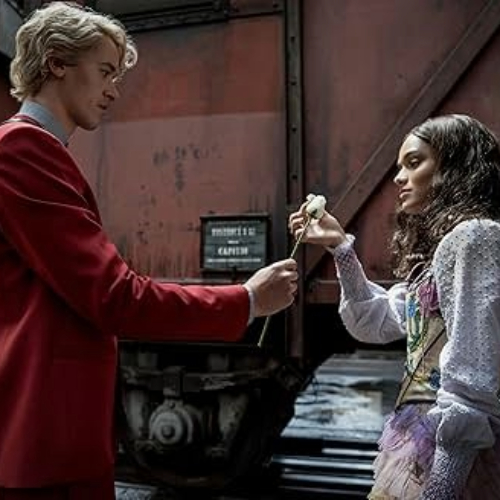
In Ballad, Collins reveals the origin story of these ominous flowers. Snow’s cousin, Tigris, tends to them to maintain the illusion of wealth. These roses become a dangerous icon of power and control, foreboding Snow’s eventual tyranny.
The Root of “Katniss”
Katniss Everdeen, one of the most legendary heroine names, has her origins unearthed in Ballad. Briefly mentioned in the original trilogy, katniss is a root vegetable that grows in the marshes, deep in the meadow.

In the book, Lucy Gray shows Snow the katniss plant in a striking moment, connecting readers with the beloved heroine from the trilogy. It’s the epitome of foreshadowing, and almost laughable, considering Snow’s later hatred for the name (and the girl). Still, it wouldn’t be a Hunger Games novel without even a brief mention of Katniss.
Beginning of the Modern Games
The novel takes place long before the original Hunger Games, with the Ballad games being an early trial of the modern spectacle. They’re purely primitive, devoid of any sensationalism and glamor associated with the later versions. Tributes are simply thrown into the arena and forced to fight to the death, much closer to how colosseum fights would take place.

However, Snow’s twisted innovations, including mentor involvements, interviews, and betting, directly forebode the spectacle we later come to know in Katniss’s world. Every cruel element that horrifies readers of Ballad comes to fruition in the Capitol’s later signature entertainment. It’s a perverse look at how ambition sows the seeds of institutionalized violence.
Tragedy of Tigris
Tigris, later introduced as a Capitol stylist in Mockingjay, is Snow’s older cousin and confidante. She’s a compassionate, empathetic artist; the exact opposite of her later, darker self in the third novel.
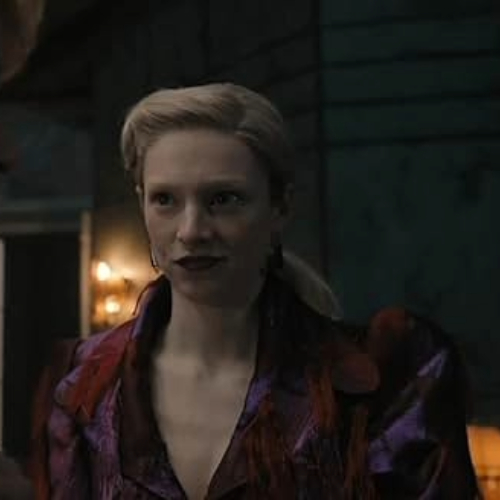
Mentioned briefly in the trilogy, Tigris is exiled from the Capitol. In light of her skepticism towards Snow’s growing status in Ballad, this seems all too inevitable. Her quiet heartbreak lies between the lines of the novel; her once caring and devoted cousin descends into a heartless tyrant, and there’s little she can do to prevent it.
Early Mockingjay Birds
In Panem, mockingjays are the accidental offspring of Capitol jabberjays and wild mockingbirds. These become an iconic symbol of freedom, the birth of rebellion against Capitol control. The birds are first described in Ballad as a strange curiosity and an undeniable nuisance.
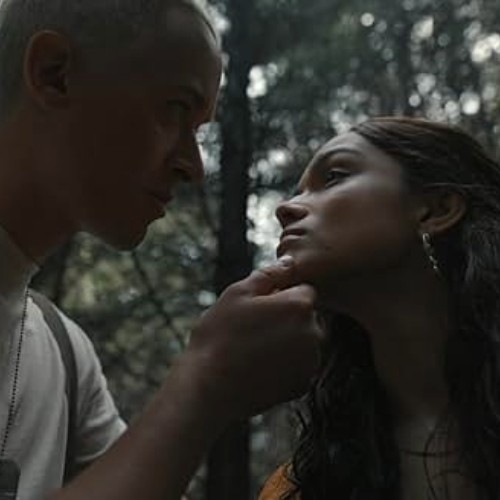
Snow becomes fascinated and unnerved by how they repeat human songs, particularly Lucy Gray’s music. Lucy seems to have an affinity for music as a member of the Covey. To readers familiar with the original trilogy, it’s poetic (and musical) irony: the very birds that mock Snow here will later become the symbol of rebellion against his rule.
Familiar Names
Suzanne Collins decorates the Academy with surnames that longtime fans will recognize.
Students such as Arachne Crane and Hilarius Heavensbee hint at the later lineage of Seneca Crane and Plutarch Heavensbee, the future Head Gamemakers of Katniss’s Games.
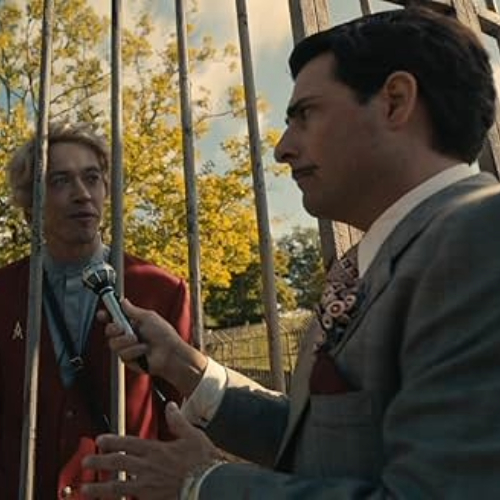
These familiar echoes suggest that the elites of the Capitol have succeeded for generations, passing down a line of corruption and cruelty. Readers will have to get through three novels following the prequel (if they’ve not devoured them already) before they witness the families’ fates.
The Real Meaning of Songbirds and Snakes
And finally, no guide would be complete without a closer look at the title itself. Collins cleverly layers meaning into The Ballad of Songbirds and Snakes, with the “songbirds” and “snakes” foreshadowing the future dynamic between Snow and Katniss. The songbirds embody the free-spirited resilience of the Covey, and, later, the rebels, while the snakes symbolize Snow’s deception and eventual downfall.
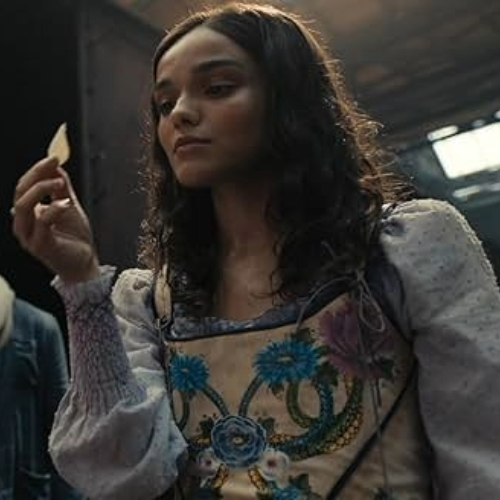
Reading the prequel after the original trilogy feels like uncovering the DNA of Panem. Every fleeting gesture carries the weight of what’s to come. Even decades before the Mockingjay rose, rebellion was already taking root, first sung softly by the songbird, and then betrayed by the snake.
Loving the Panem lore? Uncover more of it here.
Check out more of Bookstr’s reading lists over on Bookshop.org.