

















You know that feeling when you’ve read the same paragraph five times and still have zero clue what just happened? Or when you get three pages into a book, realize your brain has been thinking about lunch this entire time, and have to start over?
If you’re nodding along, welcome to the wonderfully chaotic world of reading with ADHD. Your brain needs different tools to unlock the magic that lives inside every book. The good news is that with the right combination of digital tools, book recommendations, and lifestyle tweaks, reading can go from frustrating to fantastic.
Tools That Will Help Make You A Reading Champ
Assistive technology tools can be total game-changers for people with ADHD, and many are already available at little to no cost on your devices.
Immersive Reader (Microsoft)
This free tool is truly amazing, and it’s likely already on your device without you even knowing it. Built into Microsoft Edge, Word, and other Office applications, Immersive Reader combines text-to-speech with visual highlighting, allowing you to see and hear the words simultaneously. You can adjust font sizes, change background colors, increase line spacing, and even break words into syllables. It’s like having a personal reading coach that adapts to exactly what your brain needs in the moment.
Bionic Reading
This clever tool utilizes bold formatting to guide your eye movement through the text, making it easier to stay focused and reducing the dreaded re-reading cycle. The bolded letters create what researchers call artificial fixation points that help your brain process text more efficiently. Available as both a browser extension and smartphone app, Bionic Reading works especially well for online articles, PDFs, and news stories. Plus, it’s surprisingly satisfying to watch your reading speed increase almost immediately.
Voice Dream Reader
If you’ve ever felt guilty about “cheating” with audiobooks, it’s time to throw that guilt out the window. Voice Dream Reader takes text-to-speech to the next level with natural-sounding voices and customizable playback speeds. You can load in your own documents, highlight important passages, and even set bookmarks for later review. The app works with multiple file types, making it perfect for everything from academic papers to your latest novel obsession.
BeeLine Reader
Ever lose your place mid-sentence and have to hunt around to figure out where you were? BeeLine Reader solves this by adding subtle color gradients that guide your eyes from the end of one line to the beginning of the next. It’s like having training wheels for your eyeballs, and it significantly reduces that frustrating moment when you realize you’ve been reading the same line over and over. The tool works as both a browser extension and a mobile app.
Noise-Canceling Headphones + White Noise Apps
Sometimes the biggest barrier to reading isn’t the book itself — it’s everything happening around you. Quality noise-canceling headphones paired with white noise, brown noise, or even ambient soundscapes can create the perfect reading bubble. White Noise Apps like Brain.fm, Noisli, or even simple rain sounds can provide just enough background noise to keep your brain from wandering without being distracting. This combo works especially well when paired with audiobooks or text-to-speech tools.
Five Books Every ADHD Reader Should Know About
These brilliant titles are just the beginning of your ADHD reading journey — for more comprehensive reading lists, check out ADDitude’s 25 must-read ADHD books or Wondermind’s expert-recommended titles.
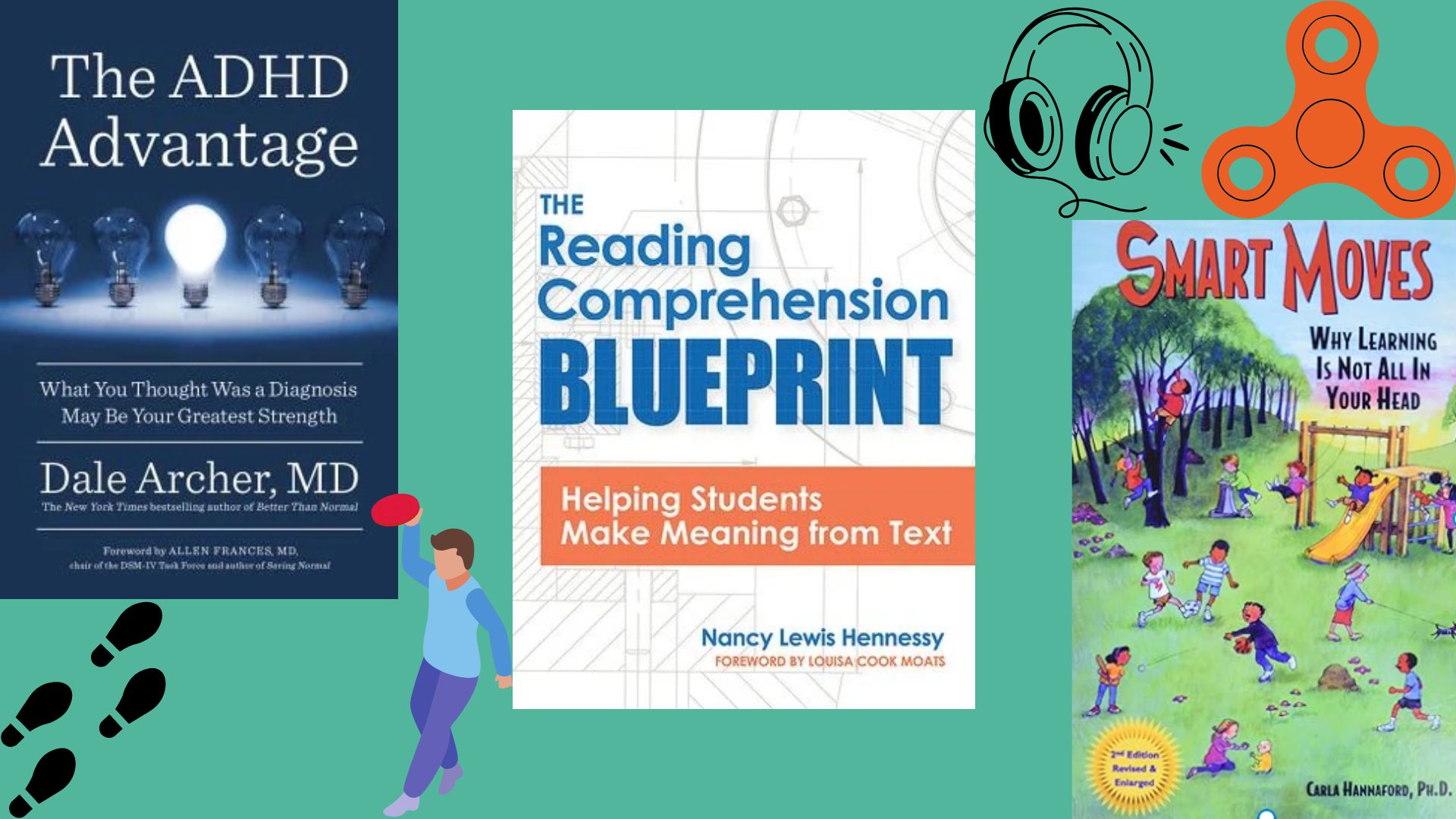
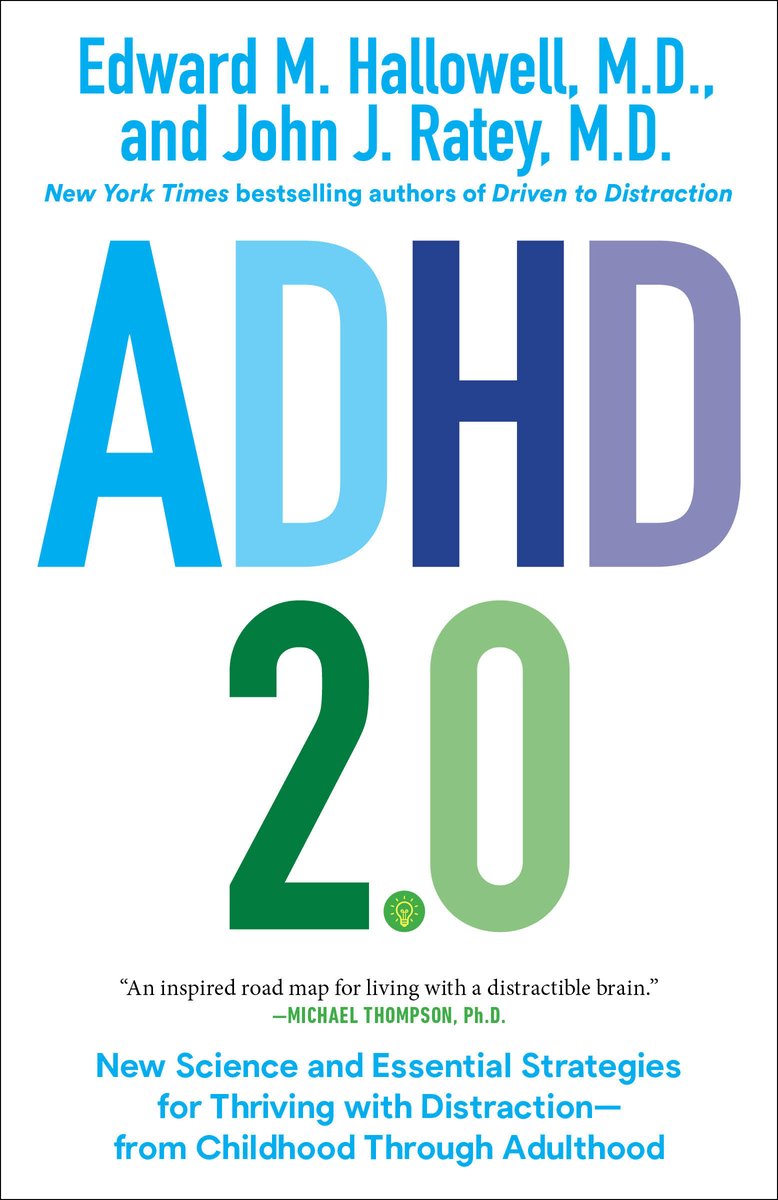
ADHD 2.0 by Edward M. Hallowell and John J. Ratey
This updated take on the classic Driven to Distraction reflects the latest research and understanding of ADHD. What makes this book particularly valuable is its practical and hopeful approach — the authors focus on leveraging ADHD traits as strengths rather than just managing deficits. Available in multiple formats, it’s written in an accessible style that doesn’t feel like a textbook. Many readers report that this book helped them reframe their relationship with their ADHD brain entirely.
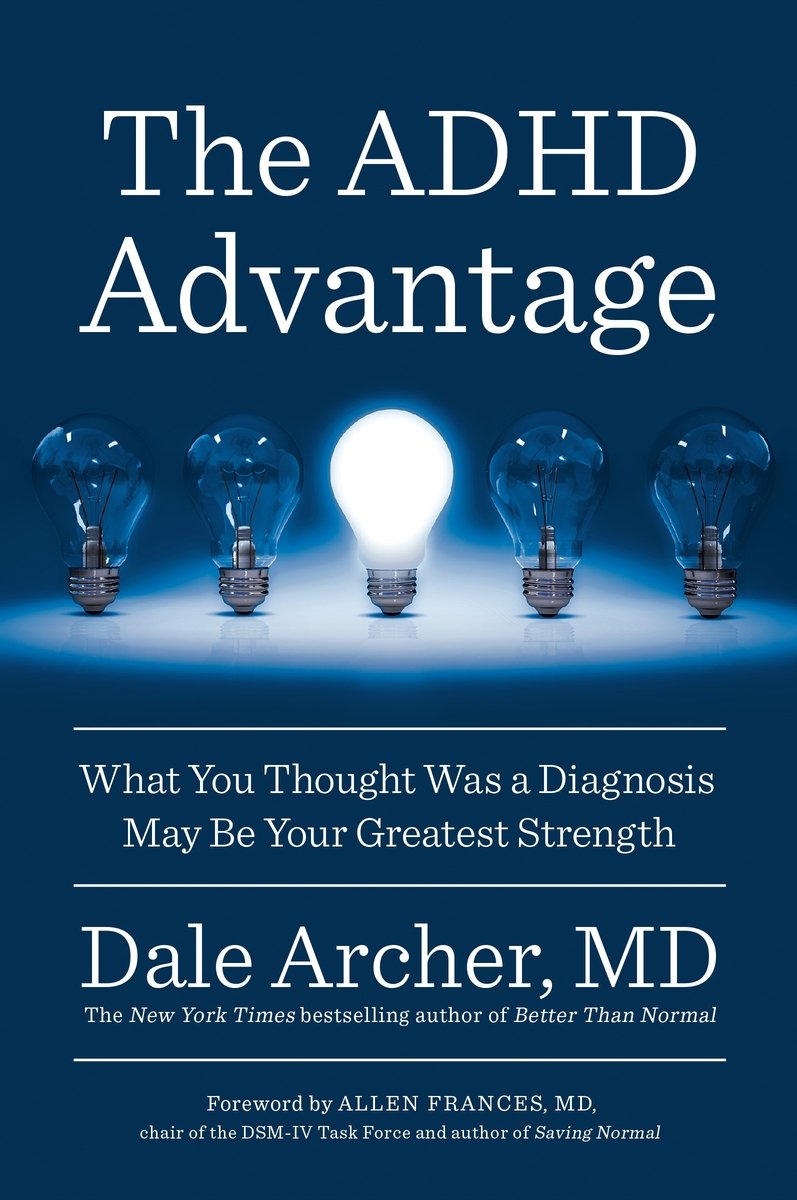
The ADHD Advantage by Dale Archer
If you’ve spent years thinking of ADHD as something that’s “wrong” with you, this book offers a refreshing perspective shift. Archer highlights the creativity, innovation, and out-of-the-box thinking that often come with ADHD brains. It’s particularly motivating for readers who’ve given up on books because of past frustrations. The author presents compelling evidence that many successful entrepreneurs, artists, and leaders have ADHD — and that these traits contributed to their success rather than hindering it.
Smart Moves by Carla Hannaford
This fascinating book explores the connection between physical movement and learning, which is especially relevant for people with ADHD who often think better when they’re moving. Hannaford explains the science behind why walking, fidgeting, or even gentle exercise can actually improve reading comprehension and focus. If you’re someone who’s always been told to “sit still and focus,” this book will give you permission and scientific backing to read while pacing, bouncing on an exercise ball, or using a standing desk.

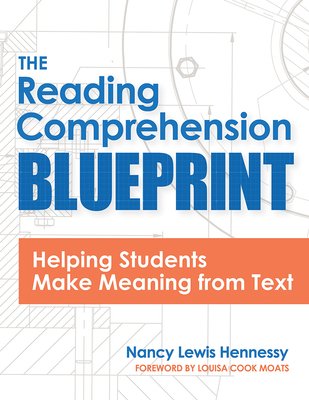
The Reading Comprehension Blueprint by C.C. Bates
Written specifically for people who struggle with reading comprehension, this book offers concrete, step-by-step techniques for staying engaged with text. Bates covers everything from pre-reading strategies to note-taking methods that actually work for ADHD brains. This study guide stands apart by recognizing that traditional reading advice often doesn’t work for neurodivergent readers and designing strategies specifically for brains that work differently. For additional evidence-based reading comprehension strategies, research continues to support multimodal approaches for ADHD learners.
Teaching Kids with Learning Difficulties in Today’s Classroom by Susan Winebrenner
Even if you’re not a parent or teacher, this book is incredibly valuable for understanding evidence-based accommodations that can help with reading. Many of these strategies can be adapted for adult self-advocacy, whether you’re in college, dealing with workplace reading requirements, or simply seeking to understand what accommodations might help you. It’s also excellent for understanding your own learning style and developing personalized reading strategies. For educators working with ADHD students, additional research-based teaching strategies provide valuable classroom insights.

Three Lifestyle Changes That Actually Move the Needle
These brilliant strategies can significantly improve your reading experience when you stick with them consistently.
The Reading Environment Makeover
Your reading space matters more than you think. Start by creating a dedicated, clutter-free area that’s specifically for reading — even if it’s just a corner of your room or a specific chair.
Good lighting is essential; many people with ADHD are sensitive to harsh fluorescent lights, so consider using warm, soft lighting instead. Remove or silence digital distractions — put your phone in another room, log out of social media, and consider using website blockers during reading time.
The goal is to make it as easy as possible for your brain to focus on just one thing.
The Movement Integration Method
Contrary to what people might have told you growing up, good reading doesn’t require sitting perfectly still. Here’s the cool part: research shows that many people with ADHD actually focus better when they’re moving.
Physical activity, even something as simple as fidgeting, increases levels of dopamine and norepinephrine in the brain—the same neurotransmitters that ADHD medications target.
Here’s what the science tells us:
- Physical exercise improves attention in people with ADHD by increasing key neurotransmitters
- Fidgeting serves a functional purpose in maintaining attention during demanding tasks
- Multi-sensory activities (like listening to music while reading) can enhance performance
- The key is finding non-disruptive movement that doesn’t interfere with the primary task
So what does this look like in practice? Try reading while walking on a treadmill or pedaling a stationary bike at a gentle pace. Set up a standing desk for your study materials, or invest in fidget tools that keep your hands busy while your eyes focus on the page. Some readers swear by bouncing on an exercise ball while reading, or even pacing back and forth while listening to an audiobook.
Find the right amount of movement that helps rather than hinders your focus. What works for one person might not work for another, so give yourself permission to experiment. Your ideal reading setup might look nothing like the traditional “quiet desk and chair”—and that’s perfectly okay.
The Format Flexibility Approach
Permit yourself to be format-fluid. Start an audiobook during your commute, switch to the e-book version during lunch, and maybe read the physical copy before bed — all for the same book. Many libraries offer the same title in multiple formats, making this easier than ever. Don’t feel guilty about switching between audiobooks and text, or even using text-to-speech for books you own. The goal is to finish and enjoy the book, not to prove you can read it in a specific way.
Here’s the great news: research shows that reading, listening, and even combining both formats result in similar comprehension and retention, so choose whatever format works best for your situation, preferences, and lifestyle.
Your Reading Journey Starts Now
Reading with ADHD requires you to use tools, books, and strategies that match your individual brain structure instead of trying to fit into typical brain patterns. Every ADHD brain is different, so what works for your friend might not work for you, and that’s completely normal. The most important thing is to experiment without judgment and celebrate the small wins along the way.
Remember that finishing a chapter counts as an achievement. Enjoying an audiobook is real reading. Taking breaks doesn’t make you less of a real reader. Using assistive tools doesn’t diminish your accomplishment in any way. Your brain might work differently, but that doesn’t make your reading journey any less valid or valuable.
Start small — pick one tool to try this week, choose your reading format based on your current energy level rather than what you think you should do, and be patient with yourself as you figure out what works. The bookish world needs your unique perspective, creativity, and the insights that come from your wonderfully complex ADHD brain. Now go forth and read in whatever way brings you joy.
Ready to explore more books that celebrate neurodiversity? Check out our curated collection of books on Bookshop.org with excellent ADHD representation and discover stories where you can see yourself reflected in the pages.
Craving ADHD characters who feel real and relatable? Dive into The Best YA Books That Accurately Portray ADHD Characters and discover stories that celebrate both the superpowers and struggles of ADHD minds. Because everyone deserves to see themselves as the hero of their own story!
