





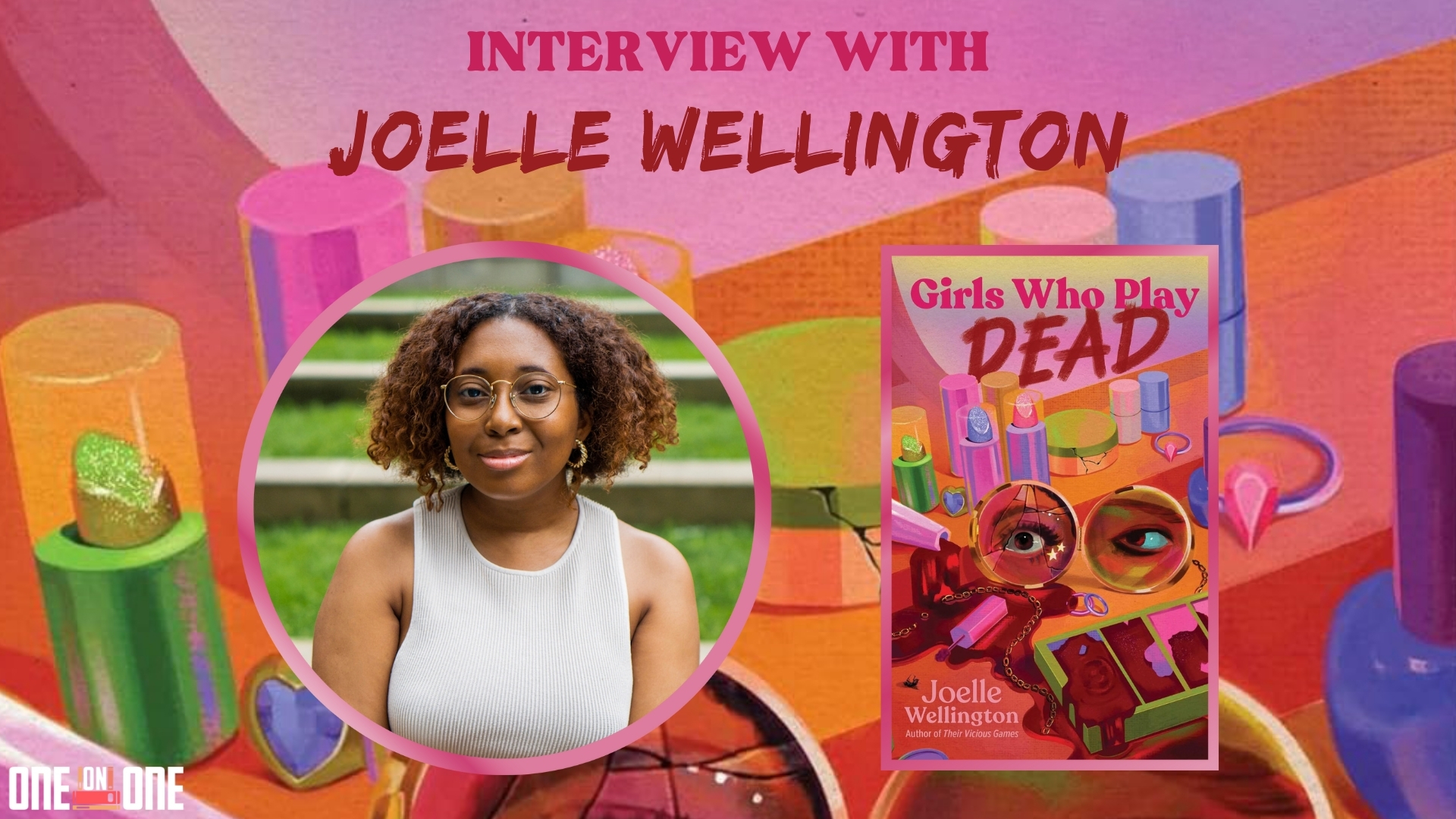
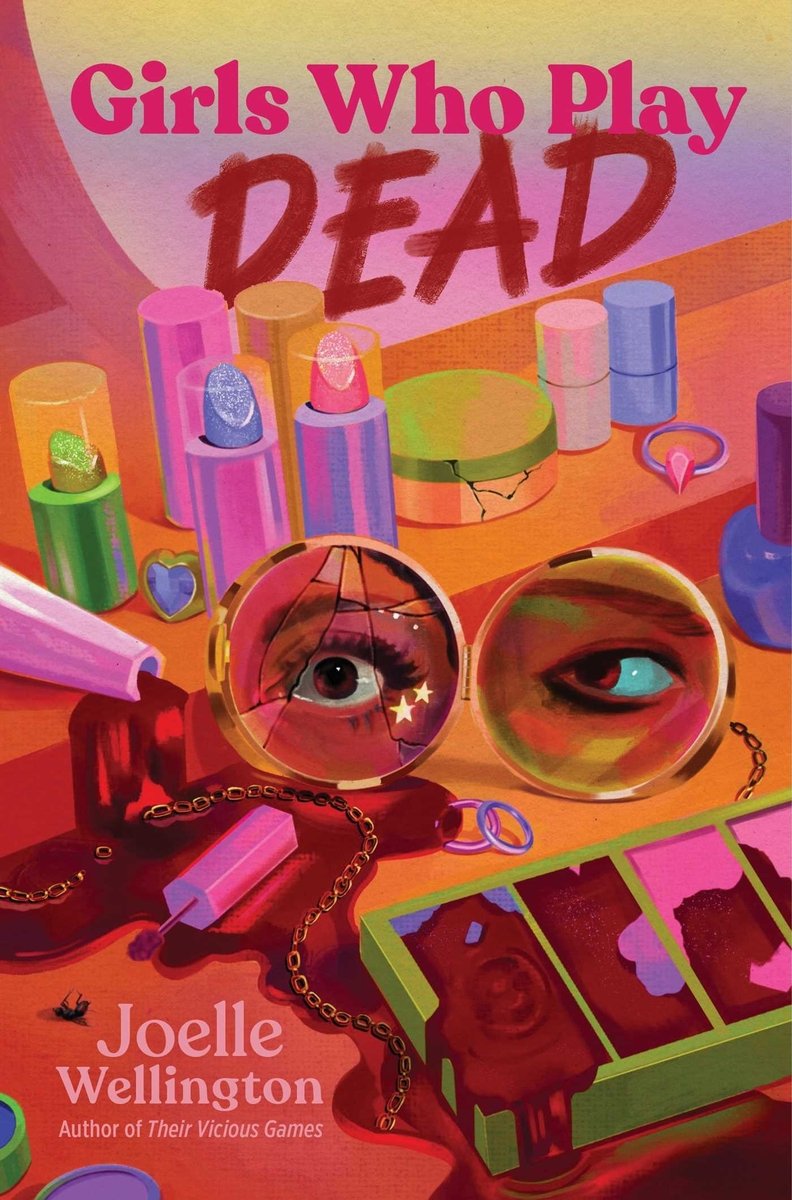
In her upcoming release, Girls Who Play Dead, Joelle invites readers into the intoxicating world of Prophets Lake, where beauty and danger shimmer just beneath the surface. The heart of the story brims with characters grappling with an entangling bond bound by secrets, desires, and betrayals, in ways that blur the line between indulgence and destruction. As the hidden darkness of the town unravels, the novel confronts the readers with the thrill and terror of what it means to play dead, literally and metaphorically. We had the chance to speak with Joelle about the inspirations behind Prophets Lake, the intricate process of creating such layered characters, and the themes of danger, survival, and allure, balancing this riveting tale with a lush yet tense atmosphere that pulses through the book.
About Joelle Wellington
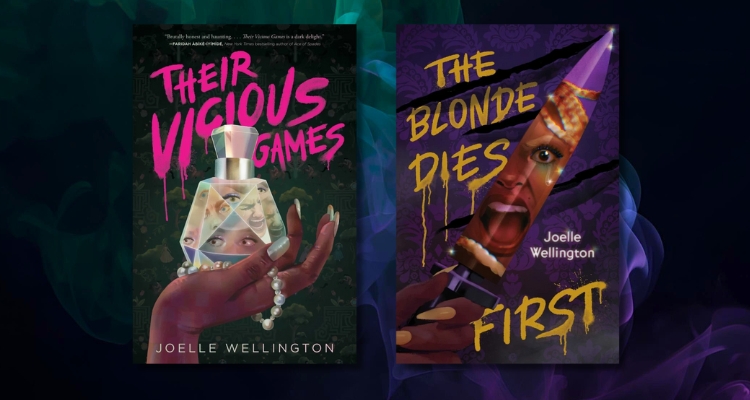
Joelle Wellington grew up in Brooklyn, New York, where her childhood was spent wandering the main branch of the Brooklyn Public Library. Her love of the written word led her to a BA in Creative Writing and International Studies. Her debut YA thriller, Their Vicious Games, came out in 2023 after a whirlwind of an eight-house auction — she even described the experience as “like being the Bachellorate,” complete with offers from everywhere. Since then, she’s released The Blonde Dies First in 2024 and has Girls Who Play Dead slated for 2025. Notably, The Blonde Dies First earned a nomination for the Bram Stoker Awards in the Young Adult Novel category. When she isn’t writing, she’s reading; besides that, she’s attempting to bake bread with varying degrees of success or strengthening her encyclopedia-like pop culture knowledge. She is represented by Stuti Telidevara and Peter Knapp of Park, Fine & Brower Literary Management.
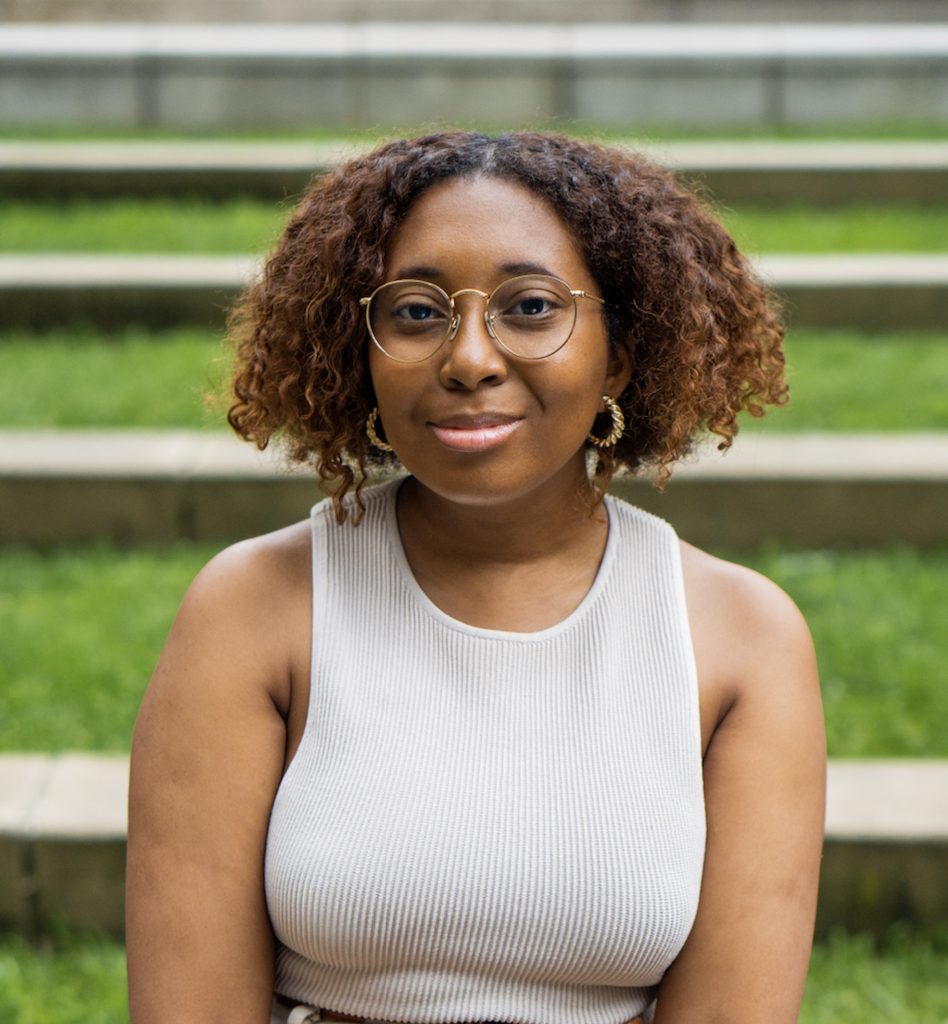
Thank you for sharing this moment with us, Joelle. Without further ado, let’s get started!
For our readers who aren’t already familiar, can you give an elevator pitch for your upcoming release, Girls Who Play Dead?
Girls Who Play Dead is a book that I describe as a suburban gothic thriller. A bit like Dare Me meets Twin Peaks about an alternative Black teenager moving back to his small town to solve the murder of a childhood friend and unravelling all sorts of mysteries about said town, including his sister, who may be involved in said murder, and the makeup company at the heart of it all.
Your book contains a strong sibling dynamic as one of the central drivers of the plot. Where did the inspiration for this come from?
This is the second sibling book that I’ve written, and it’s honestly because I have a little sister. That’s all I’ve ever known, and I really love books about siblings. I think it’s a communication that is just full of absolute, innate tension. And I don’t think tension is necessarily a bad thing, but it’s really interesting to examine sibling friction to me, especially as an adult who now gets along really well with my little sister.
Kyla, one of the main characters in Girls Who Play Dead, seemingly has something to hide. Can you tell us anything more about Kyla and her journey in this story?
I don’t want to say too much because I don’t want to give anything away, but Kyla is grieving deeply throughout this entire book. Her chapters are saturated in her pain, and all of her motivation connects back to that grief. Her best friend, a girl she presumed to be her other half, has only been dead ten days by the time the book starts, and that’s so painful to her. A lot of this book isn’t about her necessarily getting over that grief — I don’t know if you can — but finding ways to verbalize that pain and process it in non-violent ways for the people around her.
Is Prophet’s Lake, the small town in Girls Who Play Dead, inspired by anywhere that you’ve been in real life?
Only a little. My parents divorced when I was quite young, and so my father lived on Long Island and I lived with my mother in Brooklyn. I’d visit Long Island a lot, and I had this strange fascination with suburbia, which was so different from what I knew. That fascination has stuck with me, I guess.
While small towns are often seen in the YA genre, they all have their own special quirks. What makes your spin on the “small town murder mystery” unique from other stories with a similar setting?
I think that my take on the “small town murder mystery” is very much rooted in who I write about. It’s not so often that Black teenagers are written about in these small-town environments. I really wanted to delve into how that specifically affects them, because often, small towns are more homogenous in terms of race. And for this family to have been here for a few generations, as implied, I think that really means something and colors their experiences.
What drew you to write in the young adult genre? Do you ever see yourself writing in any other genre? Why or why not?
I’ve never actually aspired to a specific age category or genre. It’s not really how I look at my writing. I think about a larger story idea and its themes, and then I think about the most effective lens to execute it through. That basically determines the age/genre I write. That is to say, I definitely see myself writing in other age categories (I’m even working on something now). And as for genre, I don’t even think any of my books so far have been the same genre, really! Their Vicious Games is a satirical social thriller. The Blonde Dies First is a horror comedy. And now here I am with Girls Who Play Dead, which is more of a murder mystery.
Were there any obstacles you had to overcome while navigating the publishing industry as a BIPOC author? What was your experience with getting your book seen and published?
I’ve actually had a pretty charmed experience compared to a lot of other Black people, specifically Black women in publishing. I’ve had really good agents, an amazing editor, and a team that really champions me. I actually think that obstacles and difficulties come from outside pressures of what I’m “allowed” to write. I think often there comes a preconceived notion about what Black authors want to write about, and I don’t know if I necessarily always live up to these expectations, especially when I came out of the gate swinging with a very politically-charged book at a very politically-charged time. I think all of my work still has something that challenges the status quo, whether that’s commentary on gentrification, class, or capitalism, but I think as I write in different genres, that commentary gets a little more subtle, and I think people may find that a little off-putting after how direct I was at first.
Finally, can you recommend any of your favorite YA books and authors to our readers that have influenced or inspired you recently?
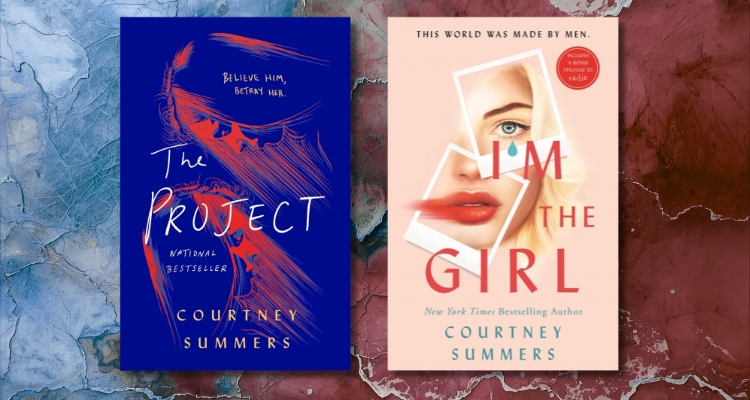
I am always inspired by Christina Li, Racquel Marie, Camryn Garrett, and Jake Maia Arlow. They all write the kind of books that I would have devoured as a teenager. Just really raw and honest books that don’t treat teens like they’re dumb. And my forever inspiration is Courtney Summers. I think she’s absolutely brilliant. I actually re-read The Project when I was first drafting Girls Who Play Dead, and it was really grounding. I’m the Girl, also really fed my soul while I wrote this book, too. Just really amazing books.
A warm thank you to Joelle for offering a glimpse into the world of Girls Who Play Dead, as it carves out a thrilling space in YA fiction with her sharp storytelling and unforgettable characters. Her books are filled with heart, suspense, and just the right touch of chills — making them impossible to put down. Now is the chance to dive into the world of Prophet’s Lake, revisit her earlier novels, or discover her work for the very first time. Keep up with Joelle’s latest updates and stories on her Instagram, TikTok, Twitter, and website!
Craving more thrilling YA reads? Click here to dive into the latest interviews and behind-the-scenes stories.
To uncover more chilling and captivating YA mysteries like this, check out our Nail-Biting YA Thrillers, Mysteries, and Horror Reads bookshelf at Bookstr’s Bookshop.