

















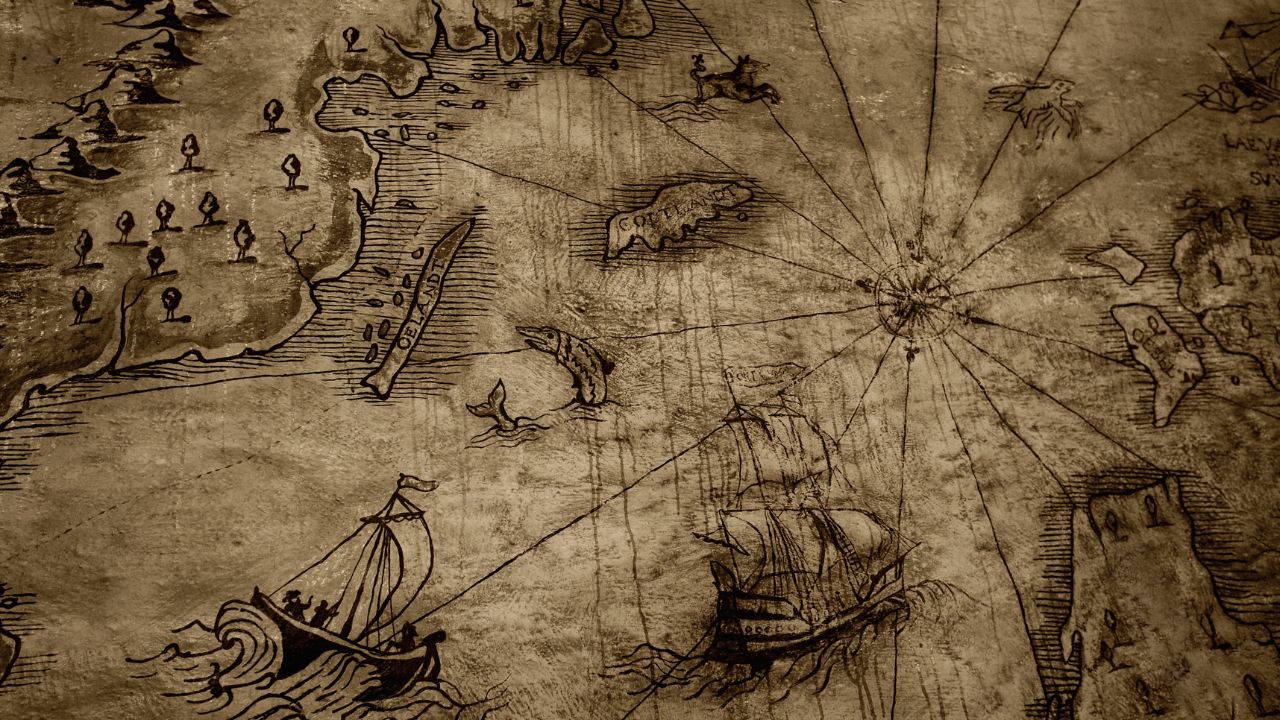
Folkloric creatures are present in almost all cultures around the world, and often appear as fantastical variations of creatures from their environment. If you’re thinking of how cultures from all different corners of the world have mermaid and dragon myths, so are we, but that investigation is for another day. Today we’re exploring the mythical creatures and their tales from each of the six habited continents.
North America
Bigfoot

With sightings officially being recorded in the late 1800s and associated with the western US — though not exclusively limited to it by any means — the legend of Bigfoot is one of America’s most prolific. This cryptid has been reported to be a large, incredibly hairy humanoid, sometimes being over 8 feet tall. A master of elusivity, Bigfoot has been sighted just enough times and with just enough frequency to keep groups like the Bigfoot Field Researchers Organization active and searching.
Mothman

Mothman is a cryptid whose origin story began in West Virginian folklore from the late 1900s. Described as a man-sized winged creature with glowing red eyes, Mothman struck fear into the hearts of many, and sightings of this creepy cryptid continue to this day. These stories have since been transformed into multiple books and movies.
La Siguanaba
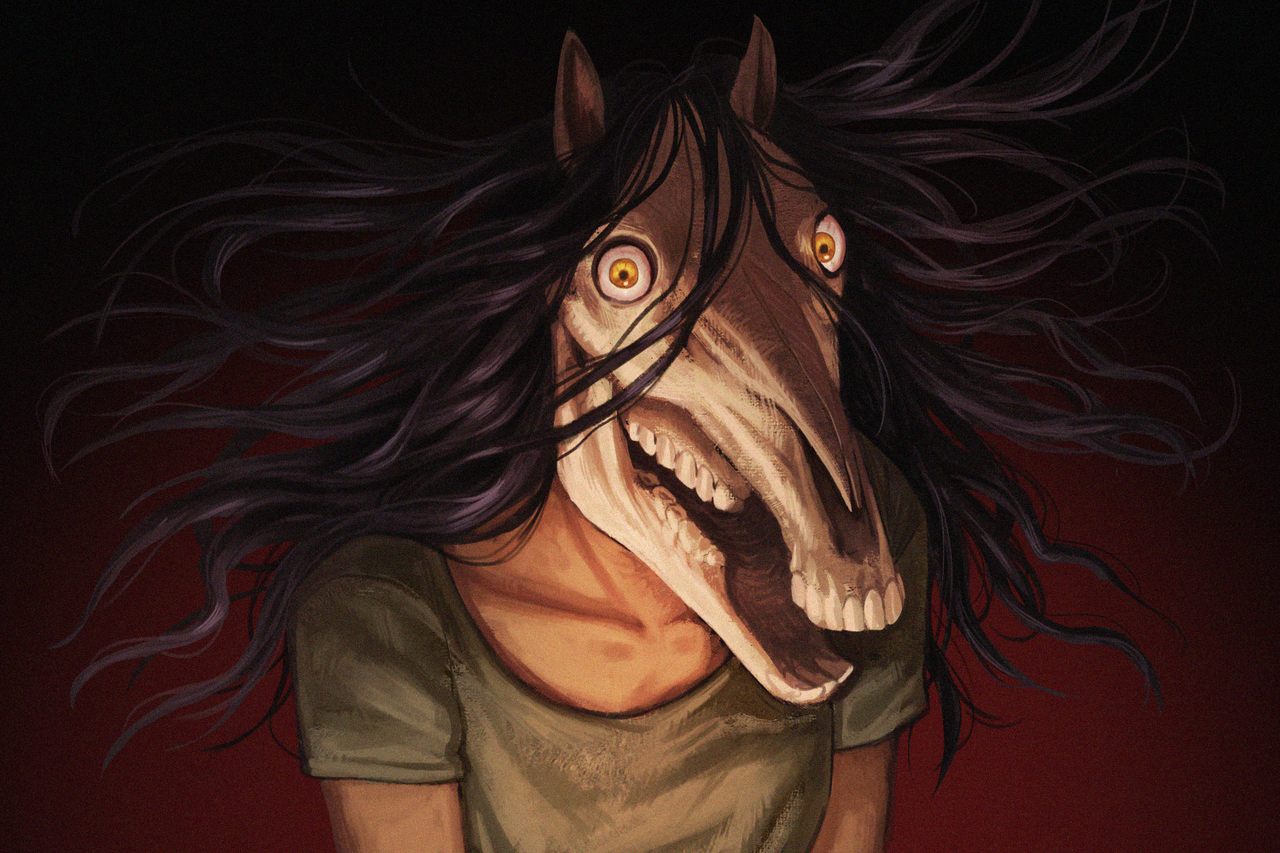
Donning many names from La Cihuatnawal in El Salvador to La Cigua in Honduras, La Siguanaba, as she is known in Guatemala, is a cunning and creepy creature. From behind, she looks to be a beautiful woman, often dressed in white flowing robes. When people — usually men — are drawn to her, they are said to follow her great distances across many different terrains. When she finally turns around, she is said to have the face of a horse, or sometimes just the skull of one, and tries to attack her pursuer. And honestly, who could blame her?
Chupacabra

This vampiric beast is said to attack livestock and drain them of their blood. In Spanish, the name translates to “goat sucker”, and reports of these creatures vary. Most agree, though, that while they are fearsome, they are not very big — usually not much larger than an average dog. Beyond that, things start to vary. Some say they are hairy, while others report seeing lizardlike skin. Despite these discrepancies, Chupacabras have become a prominent legend in various regions of the Americas.
South America
Yacumama

One of the most legendary South American creatures, the Yacumama is said to be the guardian of the Amazon River, and her tales are present in many of the countries that it runs through. Yacumama is a fearsome protector, and locals believed that blowing into a large conch horn would cause her to reveal herself if she was near. When a 60-meter snake did not emerge from the river after they’d blown their horn, they were free to enter the waters. It is believed that perhaps the now-extinct titanoboa may be the origin creature for these stories. The titanoboa grew to at least 12 meters and is thought to have been a venomous apex predator.
Mapinguari
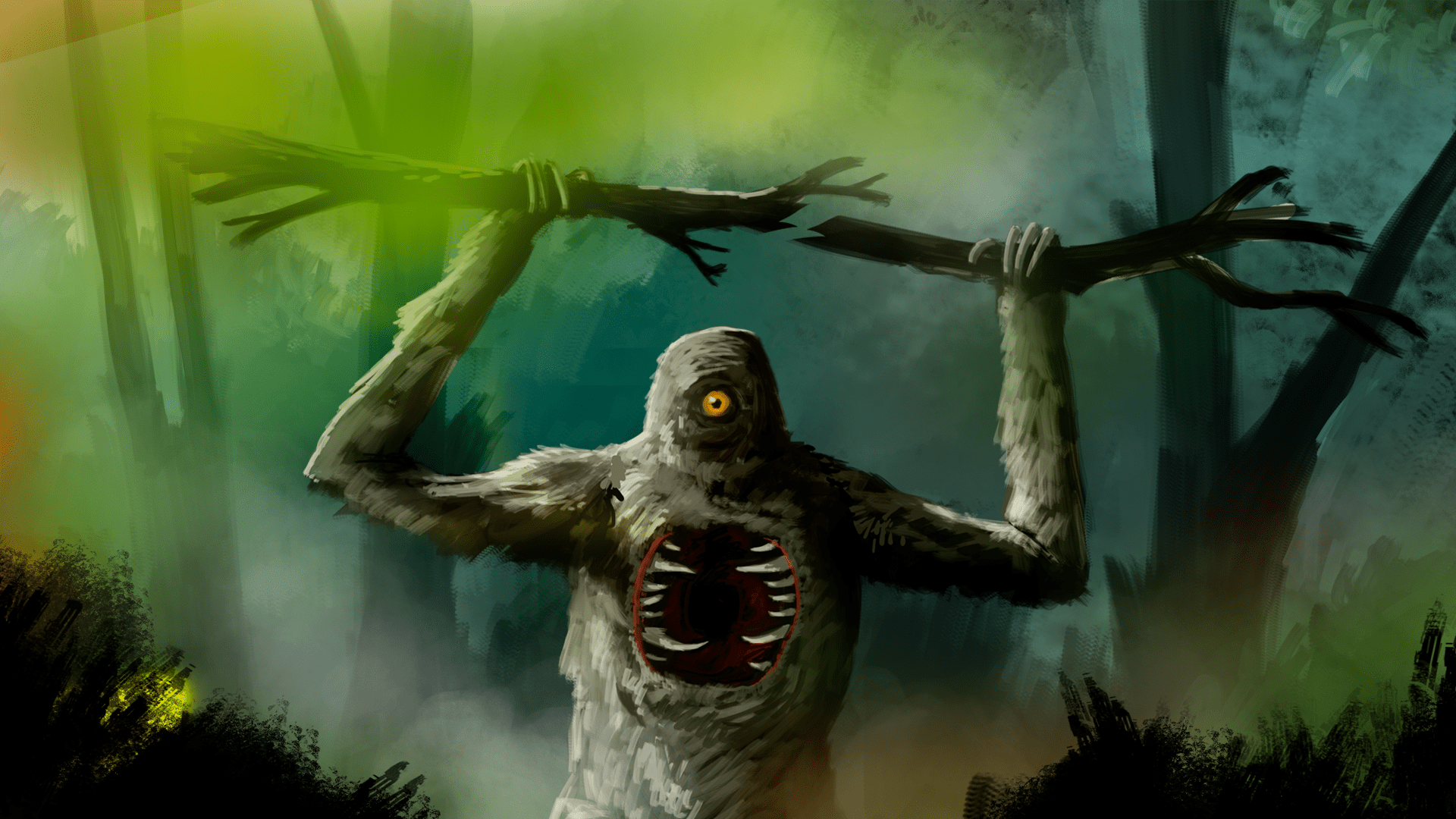
In Brazil, the Mapinguari (or Mapinguary) was said to have once been a powerful shaman who discovered the secret to immortality and was severely punished by the gods. Now, he walks the world in a beast-like form. Described once as apelike, modern sightings report more of a giant sloth appearance. Some stories even tell of a creature with massive claws, one bulging eye, and a mouth with sharp teeth on the creature’s stomach. Interesting, as giant sloths did once roam these areas during the Ice Age.
Kayeri
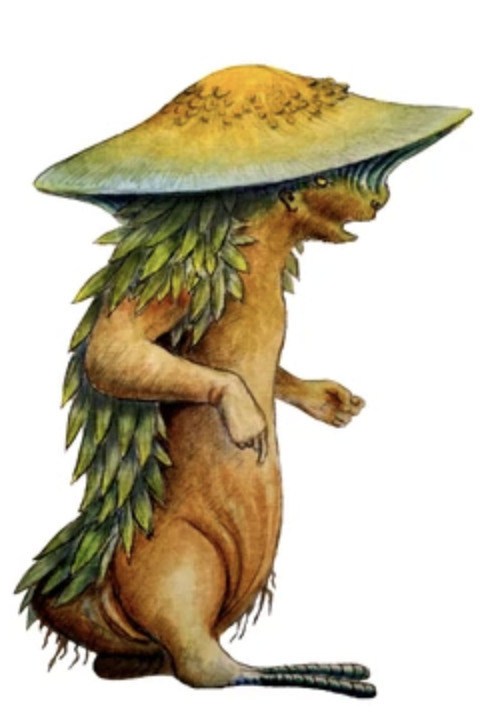
The Cuiba people of Venezuela and Columbia have long reported sightings of the mysterious Kayeri. This botanical humanoid is sometimes reported to wear a mushroom hat or don the leaves of a ficus tree. They are thought to be related to the fungi of the forest and, like them, are most often spotted after heavy rainfall. Unlike fungi — or, maybe not — they are said to have a diet of cattle, and the Cuiba people often attribute their missing livestock to the actions of the Kayeri.
Carbunclo
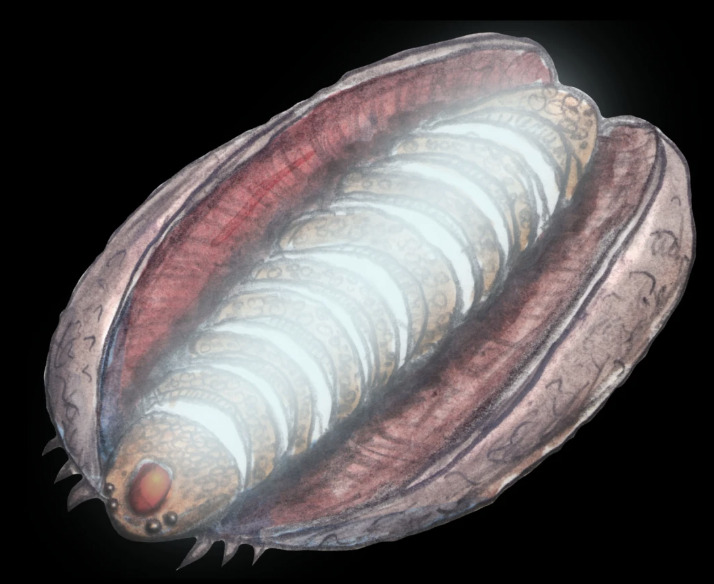
Reports of this glowing, cat-sized creature come from mining communities in Argentina, Chile, and Paraguay. Associated with vast riches (and hard to imagine as anything other than kind of adorable) the Carbunclo is a swift, elusive, and shy creature with a hard shell that it will snap shut if it detects danger, appearing then as just a normal rock. They are nocturnal, which is convenient for those who wish to pursue them, yet no one has captured one.
Europe
Basilisk
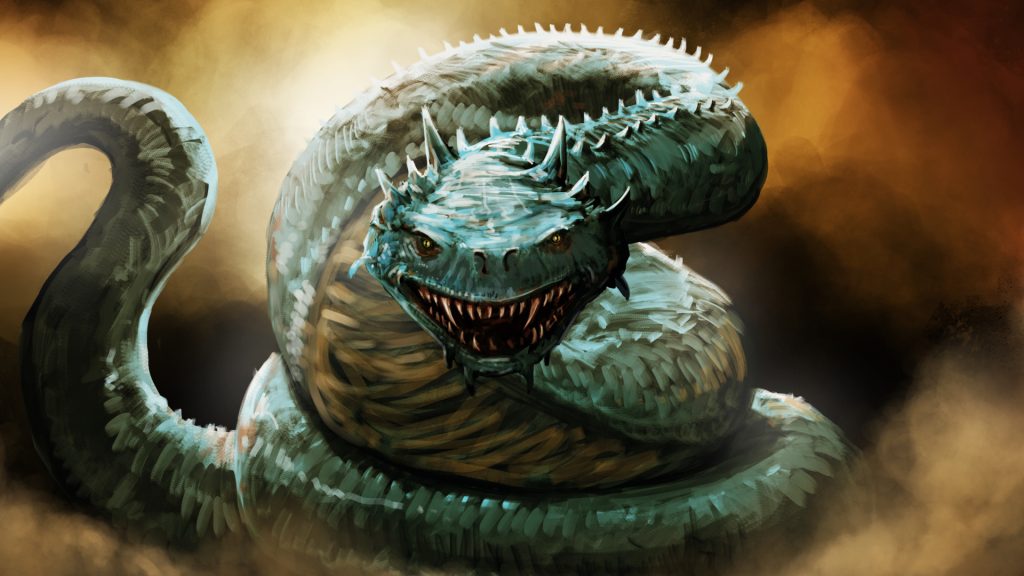
First referred to in the 13th century, Basilisks are fearsome, giant snakes or lizards with the power of Medusa in their stare. A Basilisk’s stare is said to either turn those it gazes on to stone or cause their death through eye contact. Today, common basilisks are a type of lizard native to Central and South America known for their impressive and seemingly magical ability to run great distances on water.
Bannik

This Slavic spirit of the bathouse is described as a tiny old man, with a small body and overly large head. His hair is often unkempt, and though he can be intimidating, he is a protector and is known to be satisfied with all kinds of offerings. In Slavic folklore, the steam of a bathhouse has powerful spiritual properties, so the Bannik is the protector of this spiritual power.
Changeling
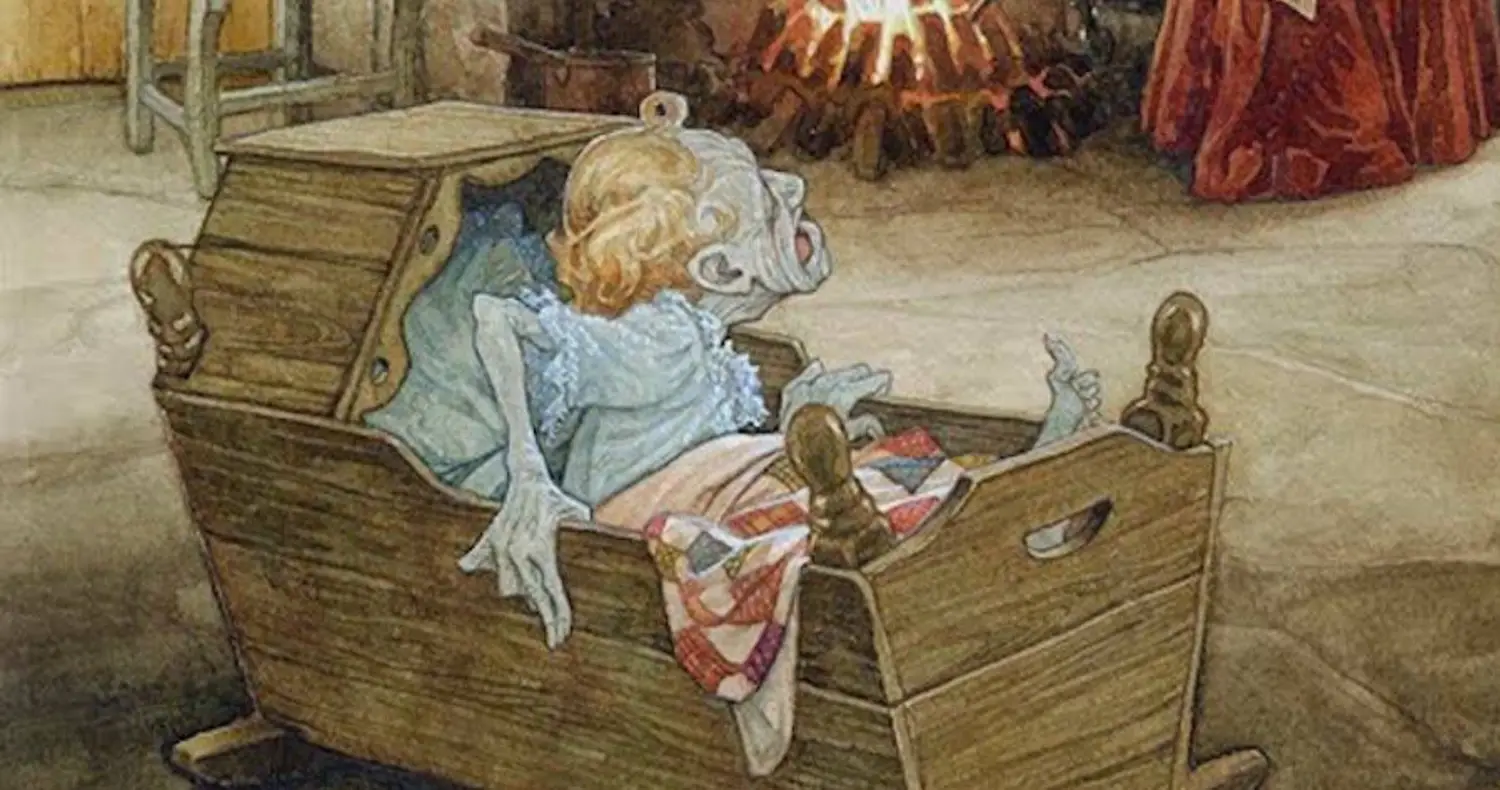
In several European cultures, Changelings are the possessed or sickly children of faeries or elves that have been swapped for healthy, human children. Reasons for this exchange vary from offerings to the Devil to strengthening faery bloodlines and often were used in older times to reckon with the pain of peoples’ infants suddenly falling ill or the confusion of changing behaviors.
Wyvern
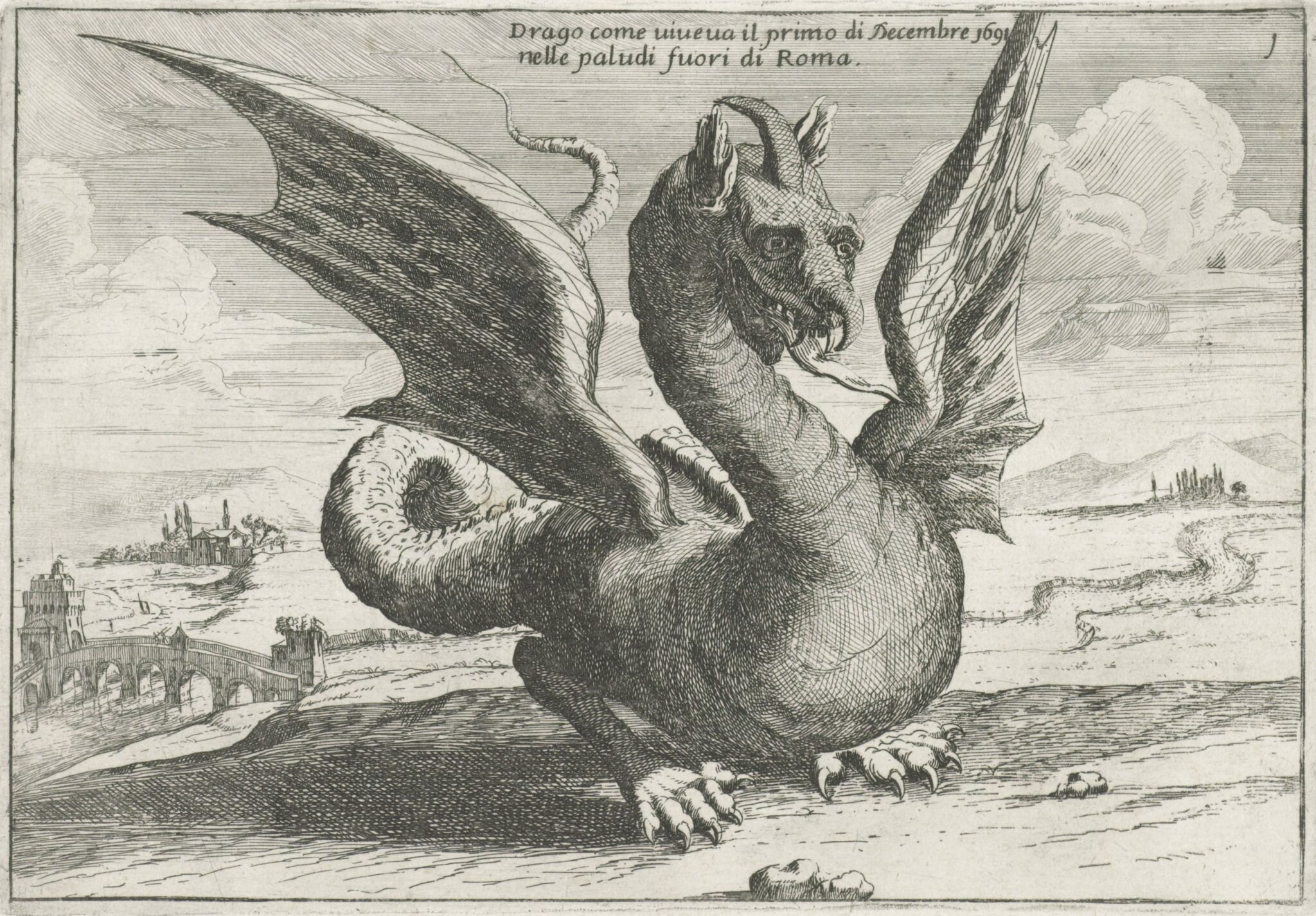
Wyverns are similar to Dragons in that they are enormous flying lizardlike creatures, but Wyverns are a bit more … snakey. Described as two-legged flying reptiles with massive wings and terrifyingly sharp barbed tails, these creatures certainly appear sinister. References to these creatures appear much later in history, and some cultures still debate whether there are, in fact, enough notable differences that make Wyverns different from dragons.
Australia
Bunyip

This human-eating creature lived in the swamps and marshes of Australia, and its keening howls could be heard all through the night. This caused great fear among people about entering the waters at night (which, personally, we can get behind). When the British began colonizing Australia, they appropriated this story into a milder tale of an herbivorous creature that is now a main character in many children’s books.
Yowie

This Bigfoot-like cryptid shares many similarities with its North American counterpart. Large, hairy, apelike, and elusive, the Yowie also is said to come out during thunderstorms, which certainly helps them stay mysterious. Spotted as recently as 2021 in Queensland, the Yowie continues to shake up people’s conceptions of the mythological.
The Hawkesbury River Monster
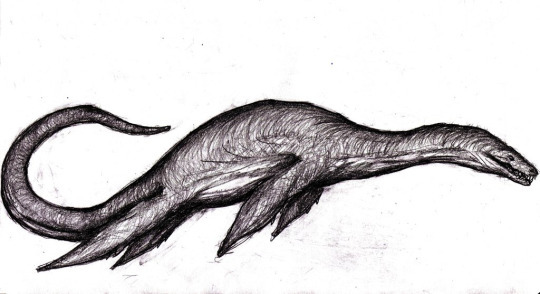
Like Nessie in Scotland, there have been hundreds of sightings of the Hawkesbury River Monster, yet no one has captured one — or, it? While not having much of a personality through reputation or tales, the Hawkesbury River Monster has fascinated cryptozoology fans for decades. Its features have been described as being snake, eel, turtle, or alligator-like. Clearly, much remains to be discovered about these creatures.
Yara-ma-yha-who
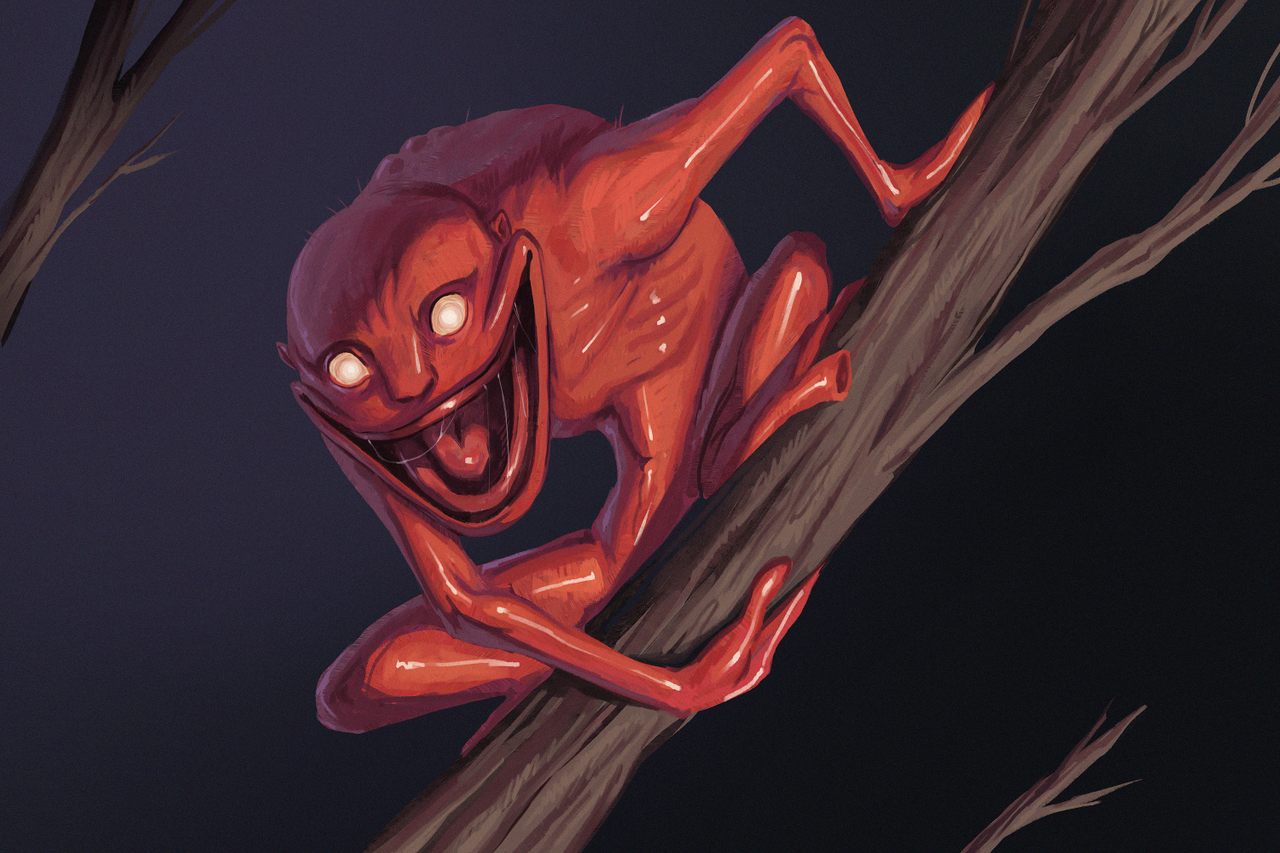
This cautionary tale originated on Australia’s southeastern coast as a way to warn young children against wandering off alone. The Yara-ma-yha-who is a child-eating, goblin-like creature with red skin and the suckers of an octopus. They would pounce on their prey, swallow them whole, and then regurgitate them. They would then continue this process until the unlucky child became a Yara-ma-yha-who themselves.
Asia
Bake-kujira
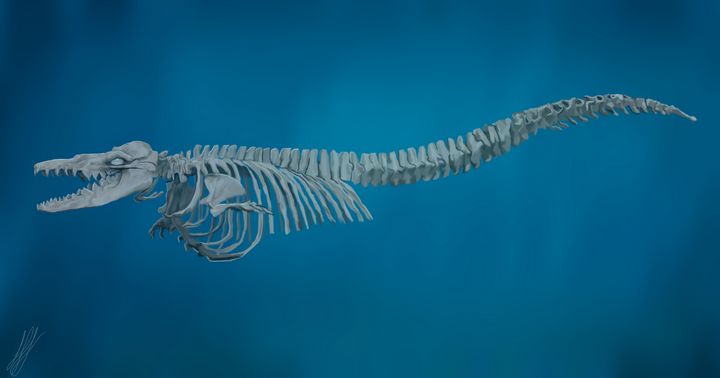
This ghost-whale wanders the seas off the coasts of Japan and is said to bring terrible luck to those who see or try to hunt it. For coastal villages, this was especially bad news, since bringing in a whale would usually mean great prosperity and resources for the village for a great while to come. These whales were often followed by great swarms of birds and schools of strange fish. There is evidence now to suggest that perhaps these ghost-whales were actually the carcasses or skeletons of once-living whales, and their decomposition is what caused the disease and decreased liveliness of their oceans for a time.
Naga

These mythical beings are described as half human, half cobra, and are potentially dangerous shapeshifters that can take the form of either human or serpent. They are described in mythology to be responsible for biting and killing truly evil people, and, a bit more grimly, those destined to die prematurely. Naga are aquatic and are associated with rivers, lakes, oceans, and even wells.
Nine-Tailed Fox

The Nine-Tailed Fox, or Kitsune, is a wise, mischievous, shapeshifting spirit. It usually chooses to take the form of gorgeous or enchanting young women, though this is not a hard rule. The number of tails is related to the amount of wisdom and magical ability, so these nine-tailed spirits are incredibly powerful. Kitsune has been transformed into a plethora of stories and modern media forms, and remain a fascination in many countries, particularly Japan and Korea.
The Kappa

This water dweller is both feared and revered in Japanese culture. Described as childlike in size with webbed fingers and toes and scaly skin with a hard shell like a turtle, their most notable feature is a bowl-like depression atop their head filled with water. This is believed to be the source of their power, and when trying to outsmart the playful, yet dangerous, Kappa, many tales suggest bowing to it, tricking it into bowing back and spilling out its precious power.
Africa
Ninki Nanka
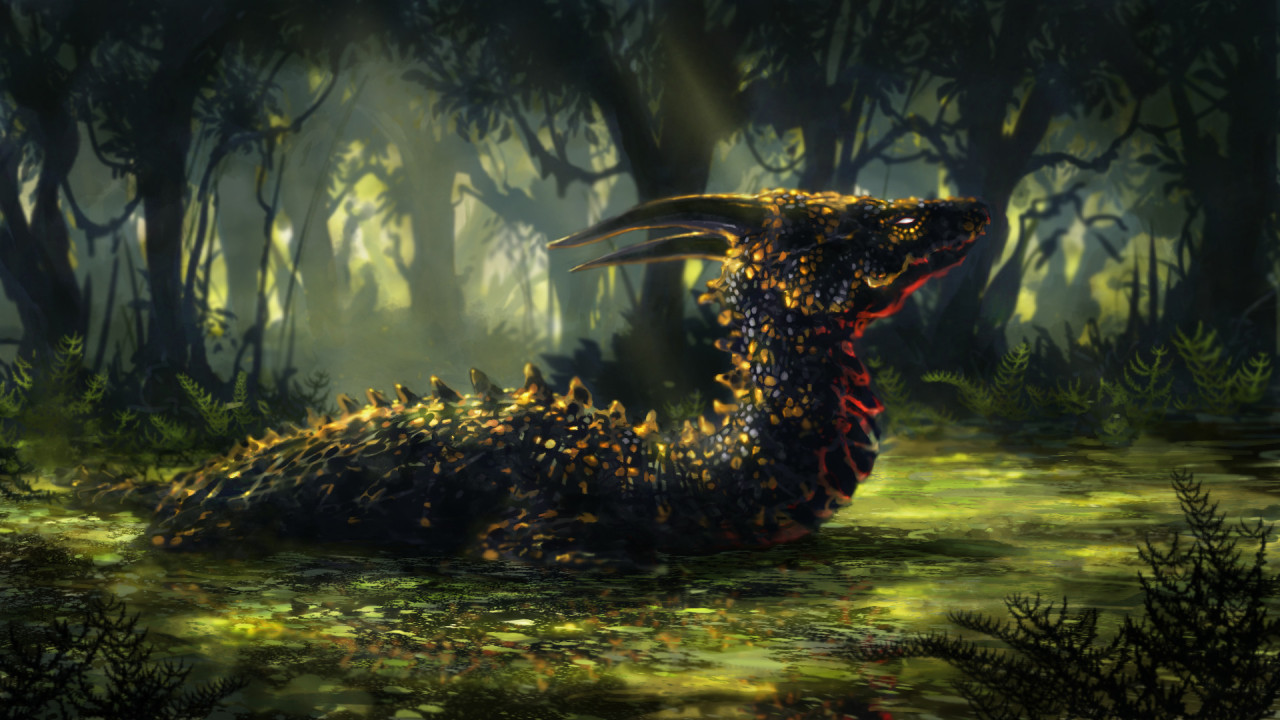
Spotting this creature from West African folklore is thought to be a death sentence. Some say it predicts one’s immediate death or grave illness, while some say it suggests a death in the coming weeks. Similar to The Hawkesbury River Monster, the Ninki Nanka has been described as having a variety of aquatic features — from snake to hippo to lizard. Though, interestingly, some reports describe a creature with a neck like a giraffe or even a crocodile.
Asanbosam

This vampiric ogre is truly a tale from a nightmare. Delighting in hanging from trees by its hooked feet and relishing in the terror of its victims, Asanbosam were thought to be cruel and evil. Some rumors describe Asanbosam as having snakes for tails, which perhaps were used to distract their prey before they pounced.
Adze
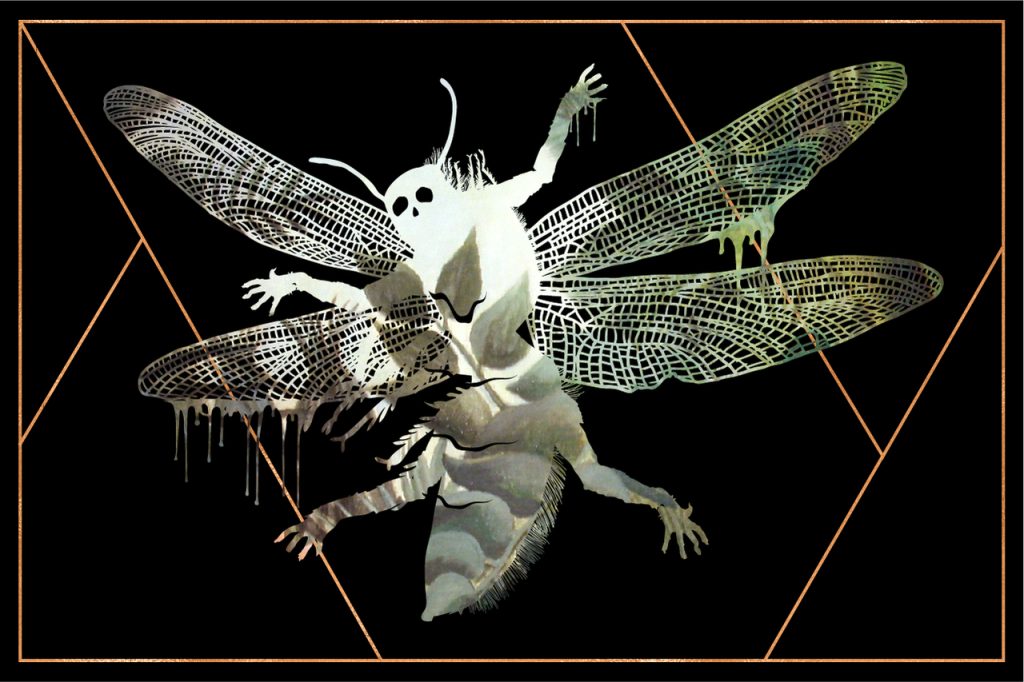
Adze are tiny, sneaky, flying creatures small enough to fit through keyholes and pesky enough to bite anyone they can find. They appear as insects of all kinds, from beetles to mosquitos, and sometimes even just as a ball of light. They prey on victims while they sleep, but affect children most. The bite of the Adze causes madness, sickness, and even death. It is not known when this lore originated, but considering the damage that disease-carrying insects cause humans, it’s reasonable to believe that this bit of folklore originated long ago to cope with the deaths of loved ones after they succumbed to diseases like malaria.
Nandi Bear
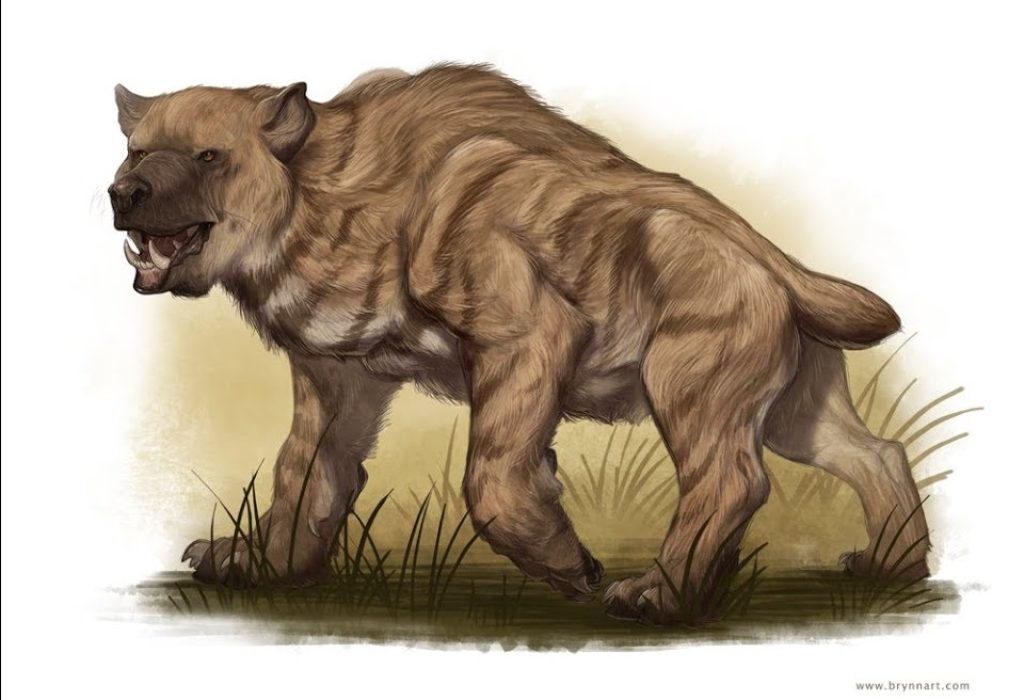
The Nandi Bear is often described as a cross between a hyena and a bear, though some describe it as baboon-like. These creatures were originally reported in western Kenya, and the folklore has since spread. Deforestation has hit this cryptid hard, and there have been no reported sightings since the 1990s. Though some believe perhaps this mythical creature was simply confused for a hyena, many of their reported behaviors are inconsistent with those of the spotted hyena native to the same areas.
Though not even close to an all-inclusive list of folkloric creatures from around the world. We hope that some of these piqued your interest! Do you have a favorite cryptid? Let us know on our socials!
Want some fantasy recs based on global folklore? Click here!
Looking for more fantastical vibes? Click here to check out Bookstr’s featured fantasy bookshelf on Bookshop!
