






March marks a special time of year for the disability community, as it celebrates both Developmental Disability Awareness Month and Neurodiversity Celebration Week. There is much crossover between neurodivergence and developmental disabilities, as many conditions such as autism, cerebral palsy, and Down syndrome fall under both categories. For young readers who share these identities and those who care about them, finding meaningful representation in children’s books can be difficult. Therefore, in honor of both celebrations, we’ve gathered a list of picture books that are all about the joy, friendship, and confidence to be found in developmental disability and neurodivergent-inclusive representation.
I Will Dance by Nancy Bo Flood, Illustrated by Julianna Swaney
Eva has one dream: to dance. With very limited mobility due to cerebral palsy, her moms and teachers encourage her to “imagine” or “pretend” that she is dancing, but Eva wants to swirl, glide, leap, and twirl. When one of her moms finds an audition notice for dancers of “all abilities, all ages”, Eva is nervous: what if the others laugh or stare, or tell her she doesn’t belong?

This beautifully inclusive and affirming tale, based on the real-life Young Dance Company, uses a balance of lyrical text and soft, graceful illustrations to tell a powerful story. Eva’s dance company features children of all sizes, genders, and abilities — other dancers use crutches, walkers, prosthetics, etc. — who work together to choreograph and rehearse a dance that culminates in a breathtakingly illustrated performance sequence.
Too Much!: An Overwhelming Day by Jolene Gutiérrez, Illustrated by Angel Chang
For people who have sensory sensitivities or processing issues, sensory overload is an all-too-familiar experience. Sometimes one’s surroundings are simply “TOO LOUD! TOO TIGHT! TOO ITCHY! TOO BRIGHT!” Drawing from the author’s experience with sensory processing disorder, the rhyming text walks readers through the day of a child who gradually becomes overstimulated in certain situations, and how she and her adult caregiver work together — and separately — to manage these feelings.
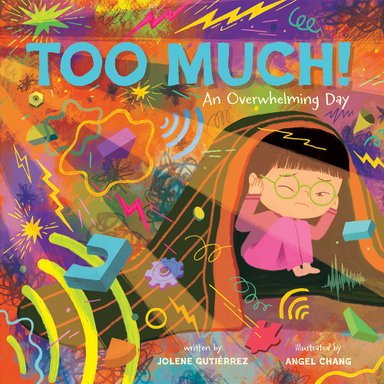
The artwork here is particularly special, ably depicting the child’s sensory experiences through her expressions as well as a collection of sentient, abstract shapes that accompany her adventures. It’s a wonderful affirmation for kids who experience overstimulation, and a helpful way for friends and caregivers to understand how to help.
Talking is Not My Thing by Rose Robbins
Oftentimes, nonspeaking individuals are mistakenly viewed as not having complex thoughts or personalities, simply because they are unable or prefer not to use verbal methods of communication. The simple and heartwarming story in this title proves that not to be the case, as the adorable nonspeaking critter at the center spends the day with her loved ones.
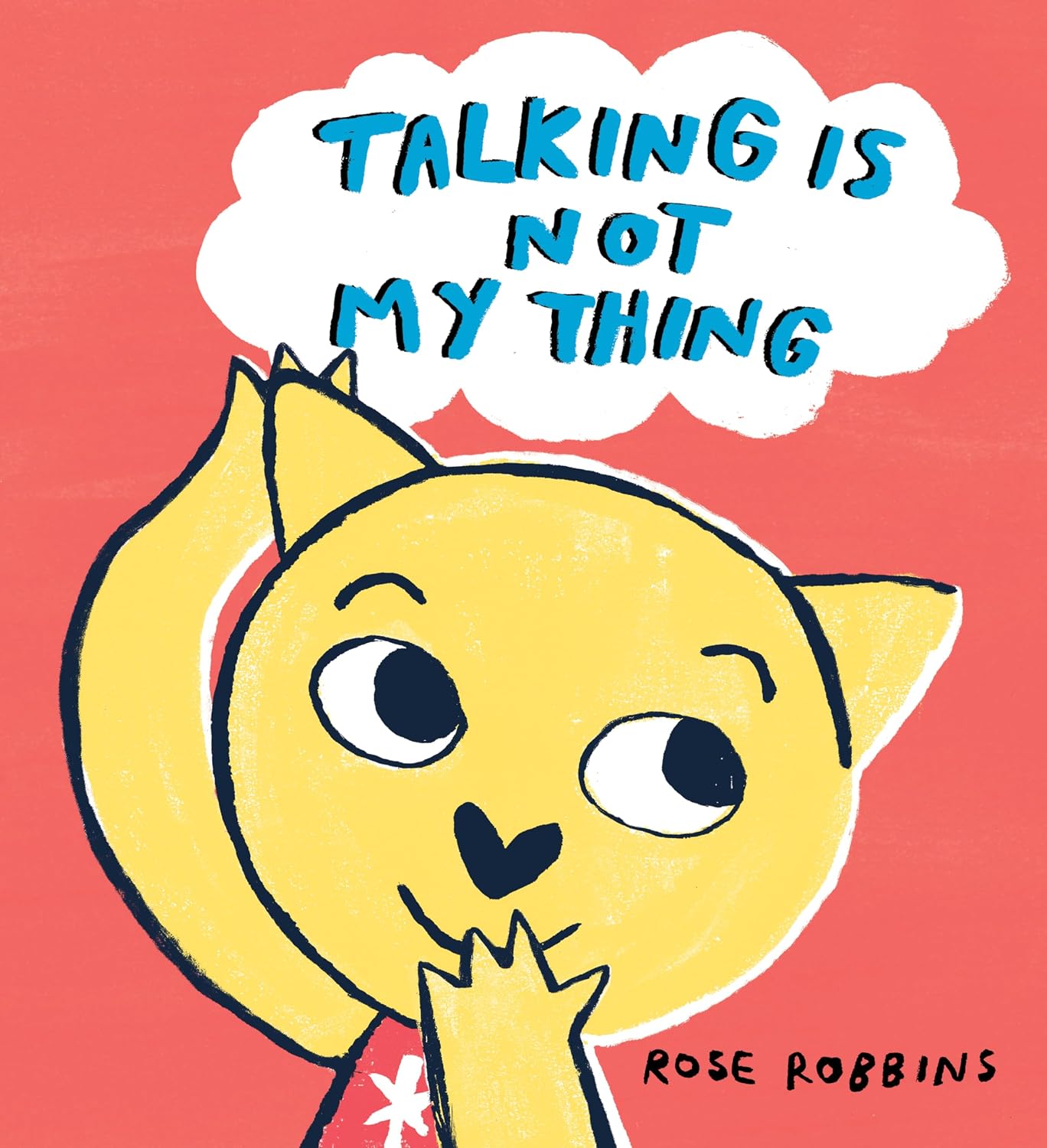
Through a cozy, day-in-the-life tale, the child expresses her narration through thought bubbles, uses flashcards and physical communication to teach her older brother a game, enjoys a noisy yet delicious meal, and even rescues a lost stuffed animal. It’s a straightforward yet incredibly effective approach to exploring the life of a nonspeaking child, and one that deftly smashes long-tired stereotypes.
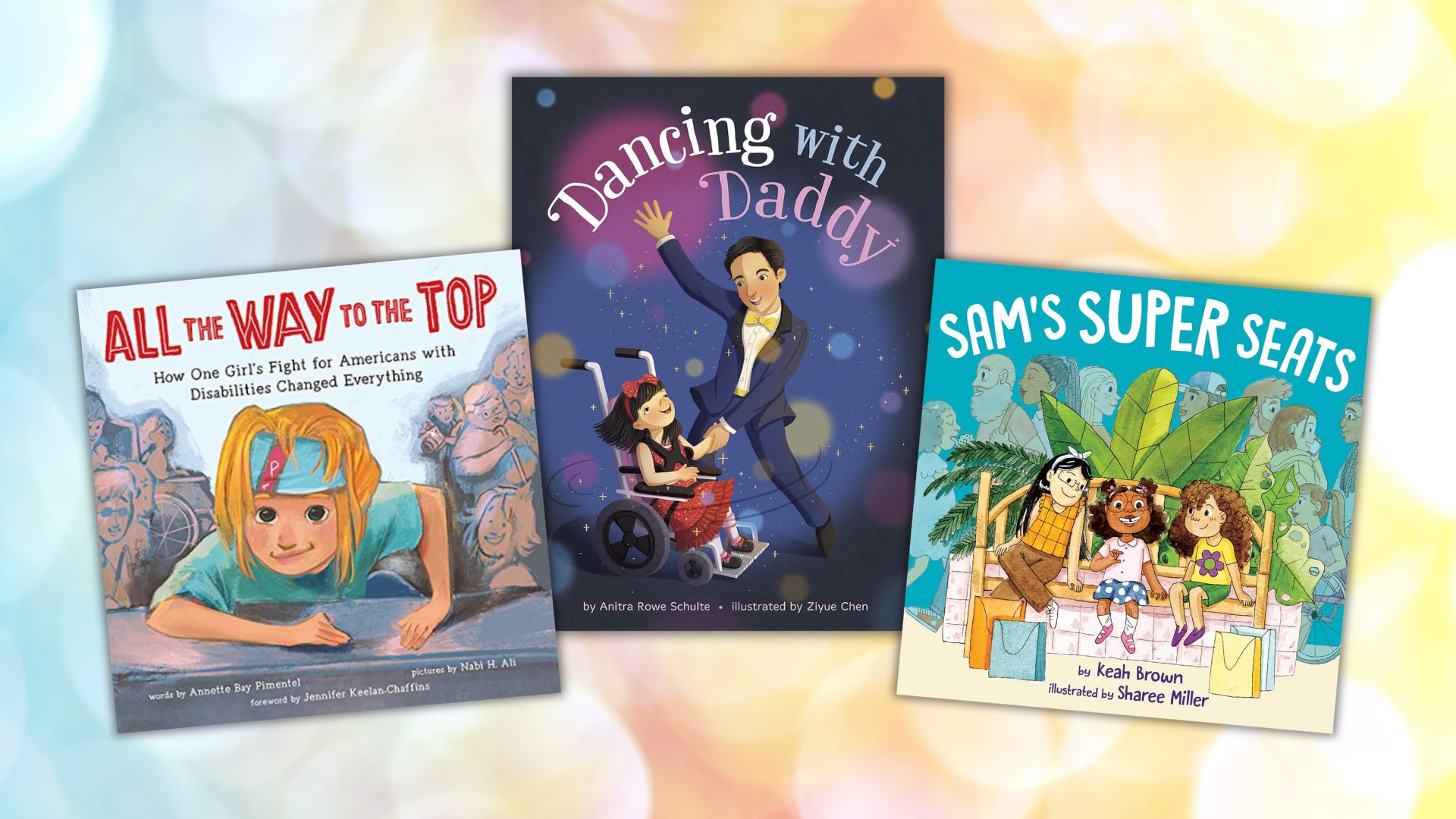
Sam’s Super Seats by Keah Brown, Illustrated by Sharee Miller
Sam likes to start each morning by listing the qualities about herself that she likes while her Daddy brushes her hair. For instance, today she likes her dance skills, her eyes, and her fingers; Dad says he likes her smile. An infectiously joyful child, Sam is excited to go to the mall today with her two best friends, Sydney and Sarah, to shop for back-to-school clothes.

It will take a lot of walking, though, which combined with her cerebral palsy can be tough on her legs. So, Sam’s sure to rely on her Super Seats: a collection of specially named (and creatively anthropomorphized) rest areas where she can relax, recuperate, and continue on her day. A bright and bubbly tale that fully embraces Sam’s cerebral palsy as a proud part of her identity, this tale is a delightful and meaningful affirmation.
Dancing with Daddy by Anitra Rowe Schulte, Illustrated by Ziyue Chen
Elsie can’t wait for the upcoming father-daughter dance! She’s picked out a dress that matches her Daddy’s soccer jersey, complete with a sparkly bow, and her sisters have helped her find her dancing groove. Unfortunately, the snow keeps coming down all night, and Elsie is scared that the dance will be canceled. Will Elsie get her chance to spin and swirl?
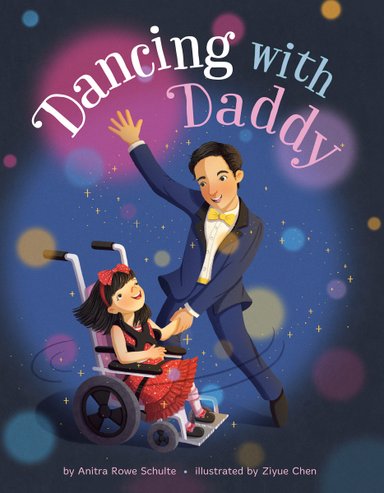
A simple, lovely tale of family togetherness that normalizes all aspects of Elsie’s Wolf-Hirschhorn syndrome and her special needs, such as using a wheelchair, communication book, and a feeding tube. Like Talking is Not My Thing, her complex inner thoughts are also conveyed to the audience, giving her an independent narrative voice. Charming and heartwarming, this is a lovely family tale that also happens to feature some Grade-A representation.
Bitsy Bat, School Star by Kaz Windness
When Bitsy Bat arrives for her first day of school, she finds that her way of doing things doesn’t always fit into the classroom norm: sitting right-side up instead of hanging upside-down makes her dizzy, painting with her wings leaves her feeling sticky and uncomfortable, and the other kids don’t like the bugs that she brought for lunch (they’re the only thing she eats). No matter how hard she tries, she is told that she’s doing things “wrong,” and all this frustration leads to a major meltdown. Bitsy’s parents remind her that there’s nothing wrong with her; she’s different and perfect as she is.
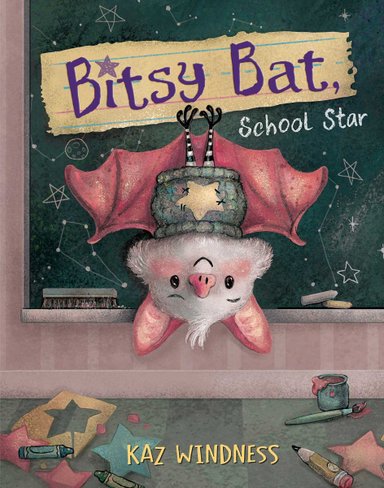
Windness cleverly weaves a metaphor that expresses the challenges of attending school as a neurodivergent child without patronizing those with special needs. Bitsy is depicted as being a capable, intelligent, social, and eager student; the classroom — and the attitudes of the other students — are simply not conducive to her. This is a beautiful tale for reminding readers that accommodating those with differences strengthens the diverse communities that we live in.
My Brain Is Magic: A Sensory-Seeking Celebration by Prasha Sooful, Illustrated by Geeta Ladi
“My brain is MAGIC!” is the greeting offered by our child protagonist, who explains that how they experience the world has much to do with their senses and how their unique mind processes them. Sometimes, for instance, their brain is a busy and buzzing bee, and it tells them to flit around the room and give crashing hugs. Sometimes their brain is an octopus, and wants to touch everything; sometimes it’s a sloth and prefers to move slow and steady.

Indeed, what makes the child’s brain so special is that it can be many things — the possibilities are limitless. Sooful approaches sensory-seeking children in a highly relatable way, exploring sensory processing in terms that readers of any age and ability can understand. It’s a clever approach that can help the neurotypical better understand neurodivergent people while affirming those who have their own “magic brains.”
Next Level: A Hymn in Gratitude for Neurodiversity by Samara Cole Doyon, Illustrated by Kaylani Juanita
Beginning its story at Sunday church services, a mother addresses her nonspeaking autistic child through the lyrical, rhythmic text as he stims, drawing curious and even judgemental looks from others. Afterward, the pair appreciate the beauty of an autumn tree, change the boy into less restrictive clothing, and dance together at a bus stop.

While others often side-eye the mother and son, the mother pays it no mind; she assures the child that they simply don’t understand that his way of viewing and experiencing the world is “next level.” The artwork is wonderfully representative of both autistic and Black culture; a scene in which the mother and son respectively wear a bonnet and durag while cuddling under a sensory nightlight before bedtime is lovely. Simply, this is a gorgeous love letter that bursts with parental love and autism pride.
The Boy with Big, Big Feelings by Britney Winn Lee, Illustrated by Jacob Souva
Big feelings can be wonderful to experience, such as joy when one hears a great joke or plays an exciting game with friends. Yet for someone who feels everything in a big way, like the main character of this title, big feelings can feel overwhelming, exhausting, or even embarrassing. The young boy cries when a garbage truck is too loud, gets immensely frustrated when playtime is over, and feels anxiety like a weight on his chest at bedtime, and as upsetting as those big feelings are, he worries even more about what other kids will think if they see it.
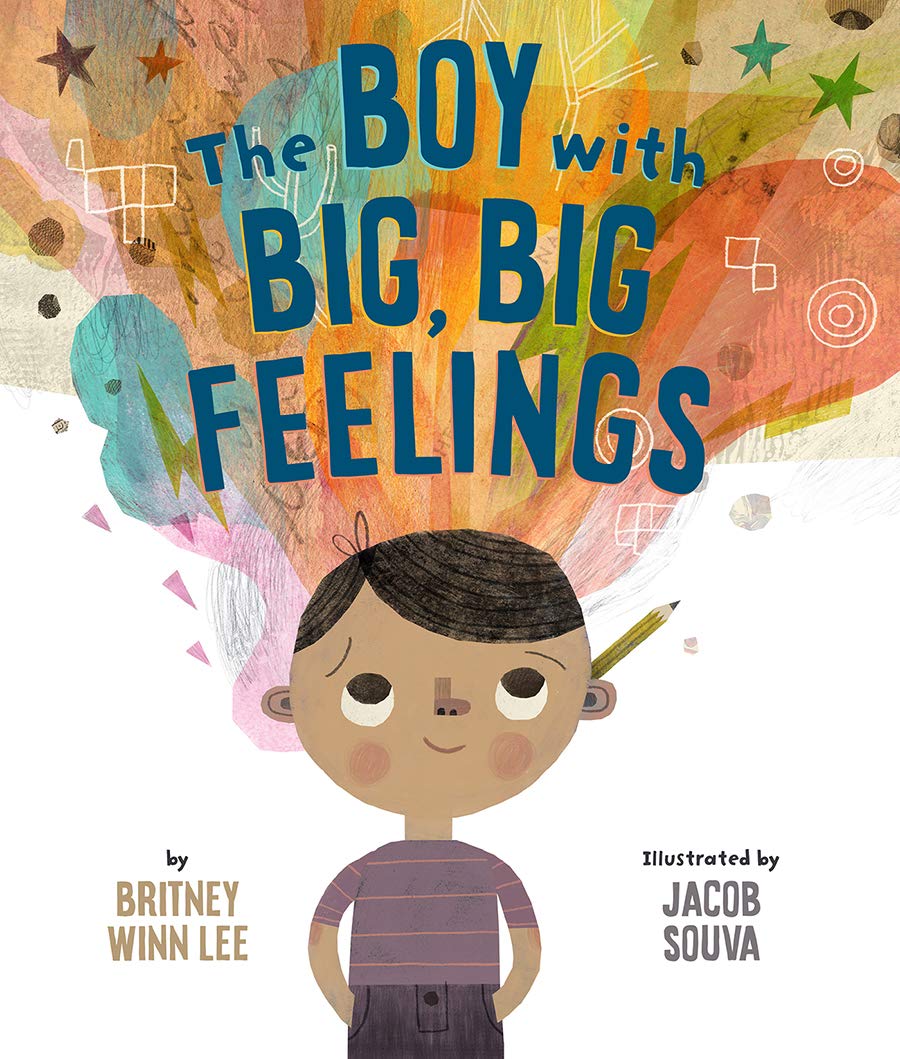
The boy resolves to mask these big feelings, but that only leads to more pressure and bigger sorrows. This title is an important look at how neurodivergent individuals process big emotions, as well as an affirming and even practical guide to managing these emotions — both in social settings and within oneself — as an ND person.
I Talk Like a River by Jordan Scott, Illustrated by Sydney Smith
The world is filled with words, and so is the head of the young narrator in this title. The issue is that he struggles time and again to get the words out — in the right order, and the desired speed, or even at all. The words are all around him, but they lodge in his mouth, gripping and scratching and leaving him frustrated and ashamed. After one rough morning, his father takes him swimming in the river, where he can listen to nature as he clears his lungs and his thoughts.

Afterward, his father opines that the boy talks “like a river”: sometimes it will be choppy and rough, but there will be smooth and steady times too. This is a tender tale that heartbreakingly captures the anxiety of speech differences while offering reassurance and encouragement to those who have them.
All the Way to the Top: How One Girl’s Fight for Americans with Disabilities Changed Everything by Annette Bay Pimentel, Illustrated by Nabi H. Ali
If you’re looking for an incredible real-life role model within the disability community, look no further than the iconic Jennifer Keelan-Chaffins. As a young girl, Jennifer wanted to do what all kids love to do: ride horses, go to kindergarten, and play. Yet wherever she turned, the world told her “STOP!” — from wheelchair-inaccessible schools to exclusive programs to a simple four-inch curb.

Jennifer decides that though she may be young, her voice is needed to fight for disability rights; after all, “children with disabilities get ignored too.” A powerful and strikingly honest look at the history of — and sadly ongoing — push for disability rights and Jennifer’s lifelong contributions to it, including her incredible participation in the mass crawl up the U.S. Capitol steps at only eight years old, this read is a can’t-miss.
You Are Enough: A Book About Inclusion by Margaret O’Hair, Illustrated by Sofia Cardoso
Inspired by the life of collaborator and youth Down syndrome advocate Sofia Sanchez, readers are welcomed with the simple yet true statement that everyone is different. Sure, being different can be lonesome at times, and others might view your differences as “scary.” Without these differences, however, the world wouldn’t be half as beautiful, colorful, and interesting as it is.

This title not only celebrates the differences of having developmental disabilities and neurodiversity, but also the importance for all children to embrace what makes ourselves and the people around us unique. It starts by assuring young readers that they are enough, and concludes with moving instructions to “look for the good in the world. […] Start by looking in the mirror. Love what you see there.”
We hope that you and your young readers enjoy these books and that you find empowerment, affirmation, and empathy within their pages. The things that make us different are always to be celebrated and honored, and the human rights of all people are to be respected and protected. Happy reading.
For more recommendations on disability representation, check out our Three to Read, Jr. on Developmental Disability in Children’s Books.
For all of our recommendations for mini bookworms, check out our Bookshop bookshelf.