

















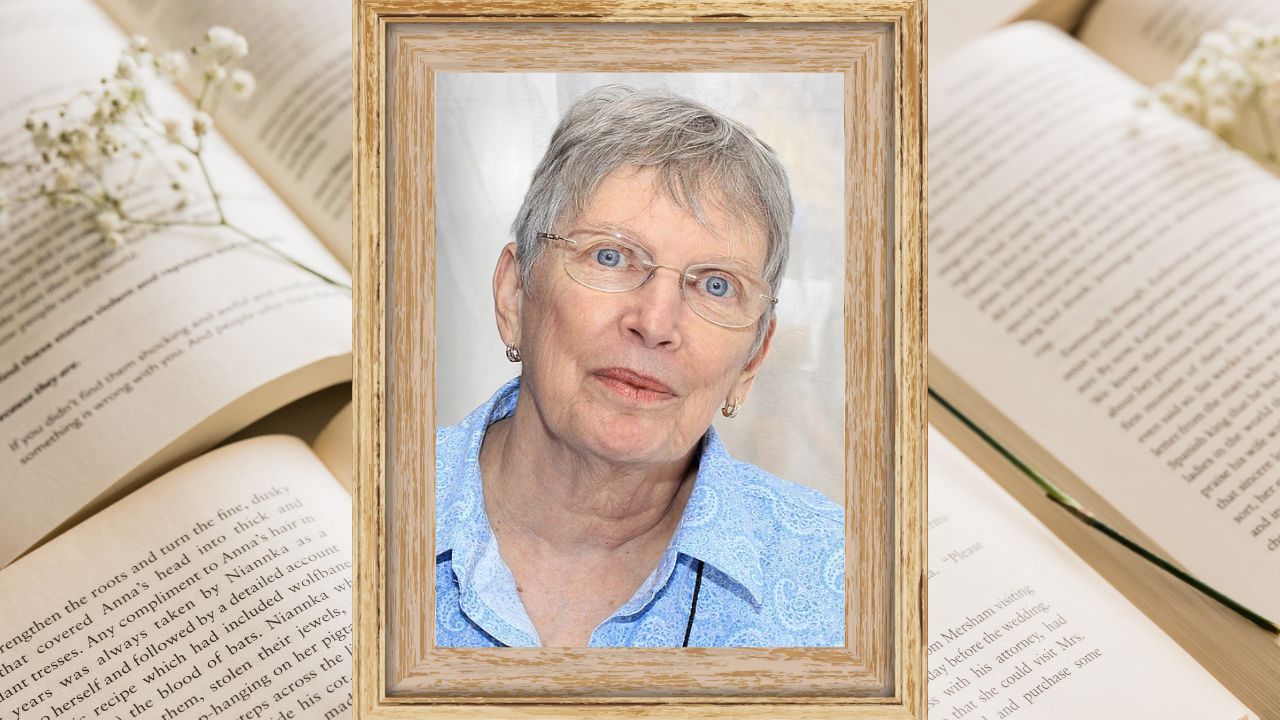
Lois Lowry is best known for her incomparable book The Giver and its dystopian quartet series. Her expert handling of grim, human stories is why she is often taught in class curriculums. She has a particular gift for recognizing the maturity of her young adult audience — never shying away from the harsh realities of the world. But Lowry’s canon includes many unsung heroes with just as much to offer as her most famed work.
Read on for a glimpse into this two-time Newbery Medal award-winning author’s exceptional portfolio.
Trigger Warning: The books within this article discuss topics of domestic abuse, racism, war, and the Holocaust. Please exercise personal care while reading.
Number the Stars
Number the Stars follows a young Danish girl named Annemarie Johansen in 1943. As the Nazi regime tightens its control over Denmark, the life of Annemarie’s Jewish best friend Ellen Rosen hangs in the balance. The underground Danish Resistance works tirelessly to help the Jewish community flee to Sweden. Out of necessity, the Johansens must take in Ellen and have her assume the identity of Annemarie’s dead sister, Lise. Suspicion rises amongst the Nazi soldiers and the window of opportunity to bring Ellen to safety begins to narrow. Facing danger and persecution, Annemarie’s bravery is tested in her pursuit to help her friend.
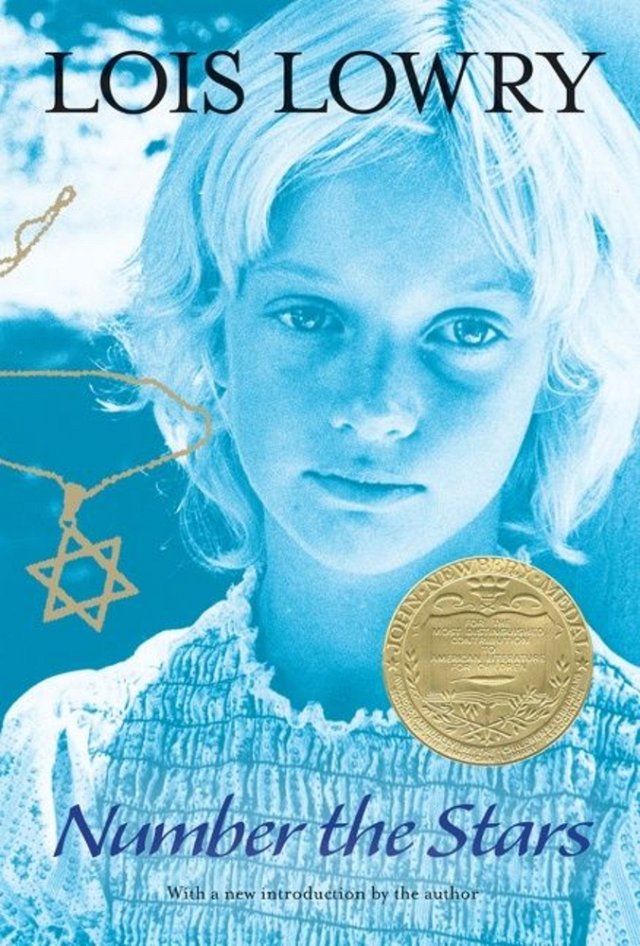
Lois Lowry’s handling of the grim subject of the Holocaust is admirable. By placing readers in the shoes of a young girl, Lowry shields the audience from the worst of the violence while also acknowledging its presence on the outskirts of the conflict. It also teaches about the Danish Resistance — a movement that successfully relocated almost seven thousand Jewish citizens to Sweden.
Gossamer
Gossamer is a remarkably imaginative book that dives into the world of dreams and nightmares. We follow two sprites, Littlest and her mentor Thin Elderly, as they enter an old woman’s home in the night to give dreams. Thin Elderly teaches Littlest how to draw memory from objects in the house in order to craft dreams — warning her to never dwell too long in each memory. When the old woman takes in a troubled boy, Littlest’s talent is tested. Can Littlest protect the boy from his sorrow, or will he succumb to the nightmare-giving monsters called Sinisteeds?
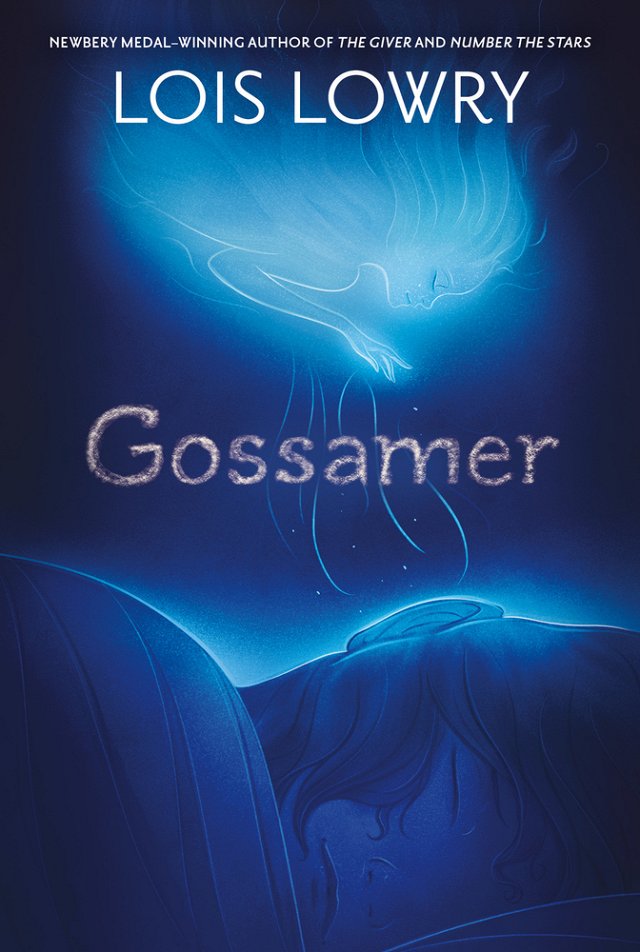
This book is a true testament to Lowry’s writing ability. Its omniscient narration allows the audience to occasionally peek into the lives of the human characters. We gain a holistic view of their individual worlds, which allows us to better understand the memories Littlest accesses at night. This story is a thought-provoking exploration of grief, abuse, and the hope hiding in our dreams.
A Summer to Die
A Summer to Die follows two sisters, Meg and Molly, as they move to the country with their father, an aspiring writer. Forced to share a room, Meg and Molly squabble constantly over their differences. The younger Meg is a shy and mousy child, whereas Molly is beautiful and confident — basically, everything Meg is not. But when Molly falls ill unexpectedly, Meg realizes just how much she loves her sister — and how much she cannot live without her.
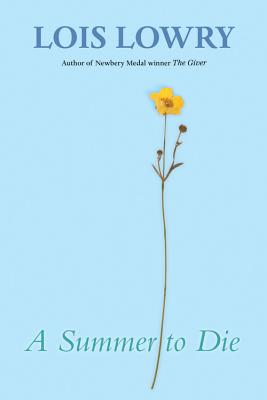
This semi-autobiographical story is based on Lois Lowry’s experience with losing her sister as a child. It was the first novel Lowry ever published, and she has remarked on the incredible healing process of capturing her sorrow in language. Featuring illustrations by the late Jenni Oliver, this story is a heartwarming tale of grief and family love.
The Silent Boy
The Silent Boy centers on Katy Thatcher, a young girl living in rural Pennsylvania in the early 1900s. As the daughter of the town doctor, Katy encounters many families in the area, including the Bishops. It’s on the Bishops’ farm where Katy first meets Jacob Bishop, a teenage boy born with a developmental disability that affects his speech. Though Jacob is mute, Katy quickly discovers how to communicate with him through gesturing and is amazed by his uncanny connection with the animals — especially the horses. Katy’s friendship with Jacob grows deeper, and the other members of the town are awed by her ease and comfort with him. Then, tragedy strikes, and Katy may be the only one with the answers.
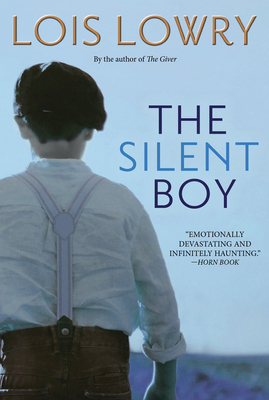
As with her other novels, Lowry demonstrates a knack for crafting compelling stories. Katy’s friendship with Jacob is a study in empathy and prejudice. Lowry explores the isolation that Jacob experiences due to his disability and the minimal to nonexistent resources present in his era. Sprinkled throughout the book is a collection of historical photos that first inspired Lowry to write the story.
Autumn Street
Autumn Street is the story of a young girl named Elizabeth Farley. When her father goes to fight in WWII, Elizabeth’s family are sent to live with her grandparents. Elizabeth is plagued by uncertainty and finds herself growing more fearful of the shadowy unknown that is the forest at the end of Autumn Street. Her one solace is her friendship with Charles, a young Black boy who happens to be the son of her grandparents’ cook. Their interracial friendship encounters new challenges, and Elizabeth is horrified by the hate that follows them. Confused by the dark adult world around them, Elizabeth and Charles retreat into the woods where they find an inner strength they never knew they had.
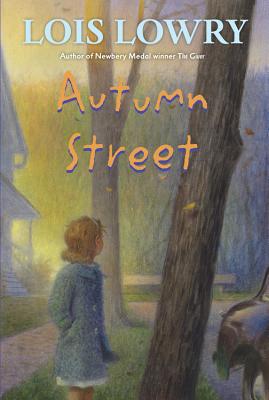
Yet another semi-autobiographical account, this story pulls from Lois Lowry’s childhood. The emotionally driven narrative presents readers with the opportunity to watch Elizabeth mature in reaction to the contentious environment around her. Though the world war is thousands of miles away, Elizabeth’s friendship with Charles and the racist backlash from the community remind us all that there is always a battle to be fought at home.
Who knew that Lois Lowry’s catalog contained so much excellence? If you’re a fan of her nuanced writing within The Giver, we know you will love these books. Happy reading!
For another deep dive into a popular author’s writing history, click here.
Find these books and more on our Recommendations bookshelf on Bookshop.org.
