


















In Friendaholic: Confessions of a Friendship Addict, Elizabeth Day offers a nuanced exploration of female friendships. In a world where relationships are often measured by quantity over quality, Day challenges the notion of what it means to be a good friend and delves into the complexities of maintaining friendships. Through a blend of personal anecdotes, social observations, and cultural critiques, Day paints a vivid picture of the unique beauty, strength, and sometimes the difficulty of sustaining friendships in today’s fast-paced world.
The Concept of “Friendaholism”
Friendaholic explores the idea that some people, like Day herself, have the compulsion to befriend everyone, a phenomenon she refers to as “friendaholism.” This is not merely the desire to have many friends but the deep-rooted need to be liked by others and to maintain a certain image of social connectivity. Day reflects on her own life, where she believed that the number of friendships equated to her worth, leading her to spread herself too thin emotionally.

She describes how the pressure to maintain multiple friendships can become overwhelming, even detrimental. Day’s experiences reveal a struggle many women face — the burden of expectation placed on female friendships. Society often paints women as the ultimate caretakers in relationships, responsible for the emotional labor that sustains them. This expectation, coupled with a drive to please, can lead to overextending oneself, ultimately causing friendships to falter.
The Evolution of Female Friendships
In Friendaholic, Day discusses how female friendships evolve over time, influenced by life events such as career changes, motherhood, and personal growth. These friendships, once bound by shared experiences or proximity, often undergo significant shifts as women navigate adulthood.
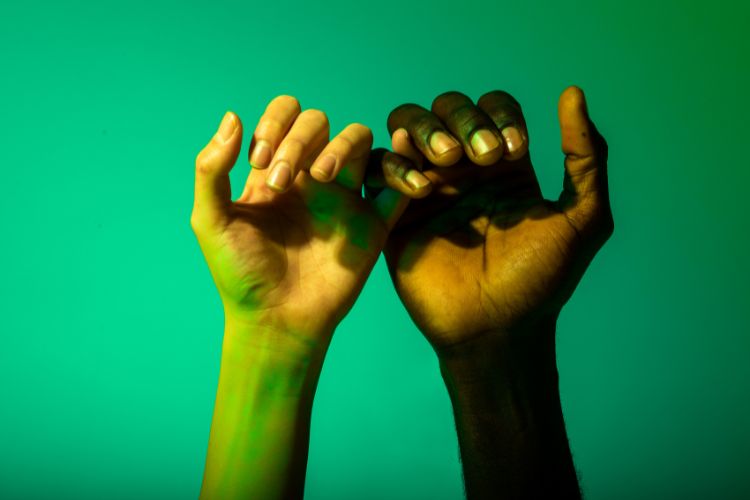
One of the book’s strengths is how Day contextualizes these changes, acknowledging that while some friendships fade, others transform or grow stronger. The evolution of these relationships reflects the growth of individuals. Women may change as they move through different life stages, and friendships are not immune to these changes. Day illustrates how female friendships can be a source of stability and understanding during turbulent times but also how they can be marked by disappointment or betrayal when expectations are not met.
Day’s exploration of friendship highlights a unique dynamic among women — the ability to form deep, emotional bonds that serve as both a source of joy and a potential source of pain. The high emotional stakes of female friendships are often rooted in the sense of empathy and shared vulnerability that many women offer one another. However, this emotional intensity can also lead to misunderstandings or conflicts, especially when communication breaks down.
The Role of Boundaries in Friendships
A key takeaway from Friendaholic is the importance of setting boundaries in friendships. Day discusses how her desire to be everything to everyone left her feeling drained and unfulfilled. This is a common theme among women, who often feel societal pressure to prioritize the needs of others over their own.
By learning to set boundaries, Day emphasizes that women can foster healthier and more sustainable friendships. Boundaries help prevent emotional burnout and ensure that relationships are mutually beneficial rather than one-sided. Day’s message is clear: friendships should not be a source of guilt or obligation but a space where individuals feel supported and valued.

Day’s insights into boundaries are particularly relevant today, where social media creates an illusion of constant availability. Many women feel compelled to maintain superficial connections to keep up appearances or avoid offending others, which can lead to emotional fatigue. Friendaholic encourages readers to reassess their relationships and focus on those that truly matter without feeling guilty about letting go of friendships that no longer serve them.
Female Friendships in a Digital Age
In today’s digital age, where social media dominates interpersonal interactions, Day’s reflections on friendship take on a new dimension. She discusses how the online world has changed how women connect, making it easier to form and maintain friendships and harder to cultivate genuine, meaningful bonds.
Social media often amplifies the pressure to appear socially active, and for many women, this can exacerbate the desire to collect friends like trophies. Day critiques this superficial approach to friendship, reminding readers that true connections are not based on the number of likes or followers but on emotional intimacy and mutual respect. She advocates for taking a step back from digital validation and focusing on in-person, authentic relationships.

While the internet can serve as a tool for fostering friendships — especially across distances — Day points out that it also complicates these relationships. The constant connectivity can blur the lines between acquaintances and true friends, making it harder to discern who is genuinely invested in your well-being versus those who are simply maintaining a casual connection.
The Healing Power of Female Friendships
Despite the challenges, Day highlights the healing power of female friendships. She emphasizes how women often turn to one another for support in times of hardship, whether it be through a breakup, loss, or personal struggles. These friendships provide a space for emotional validation, shared experiences, and empathy. For many women, female friendships serve as a lifeline, offering comfort and understanding in ways that romantic or familial relationships sometimes cannot.

Day’s personal stories about her friendships illustrate the transformative power of these relationships. From childhood friends to those she met later in life, her experiences demonstrate how female friendships can shape a woman’s identity and provide a sense of belonging.
In Friendaholic, Elizabeth Day not only acknowledges the importance of female friendships but also encourages readers to reconsider their approach to these relationships. She challenges the notion that more is better, urging women to focus on quality over quantity. Through setting boundaries, embracing change, and cultivating meaningful connections, Day believes that women can foster healthier, more fulfilling friendships.
Elizabeth Day’s Friendaholic is a powerful exploration of female friendship in all its complexity. Through her personal stories and thoughtful analysis, Day offers a refreshing perspective on what it means to be a good friend and how to maintain authentic, meaningful relationships. Her reflections remind readers that while friendships can be challenging, they are also one of life’s most rewarding experiences, especially when nurtured with care, honesty, and mutual respect.
Dive into these book recommendations about friendships here!
Our Bookshop shelf is filled with books about iconic friendships. Check them out here!
