


















As we remember his life and work, let us explore his legacy left behind and how his stories continue to inspire and captivate us. His unique voice and profound insights into the human condition have left an indelible mark on literature, influencing countless writers and readers.
Wilhelm Grimm’s Personal Life
Wilhelm Grimm was born on February 24, 1786, in Hanau, Germany, into a large and academically inclined family. Wilhelm and his brother Jacob were extremely dedicated to their studies and attended the University of Marburg. They developed a deep interest in folklore and philosophy, setting the stage for their future work in collecting iconic fairy tales.

His passion for folklore was deeply intertwined with his academic pursuits and personal interests, which encouraged him to begin studying and preserving traditional German tales. He believed these stories were a vital part of the cultural heritage of the German people, so he traveled the country in pursuit of stories and other written sources.
The brothers’ work culminated in the publication of Grimm’s Fairy Tales, which not only preserved these beloved stories but brought them to an international audience.
Preserving Classic Tales
Wilhelm and Jacob Grimm gathered stories from local storytellers and previously written stories. They made adjustments to the tales by making them more suitable for children and family reading. This involved refining the language and softening the more gruesome aspects of the original story.
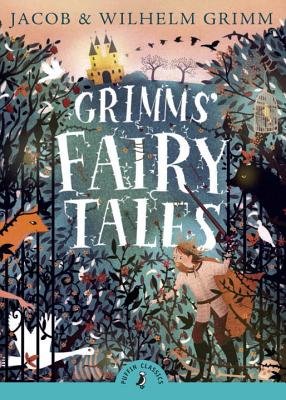
Their work in Grimm’s Fairy Tales helped standardize and popularize these stories, turning them into the beloved versions we know today.
Little Red Riding Hood
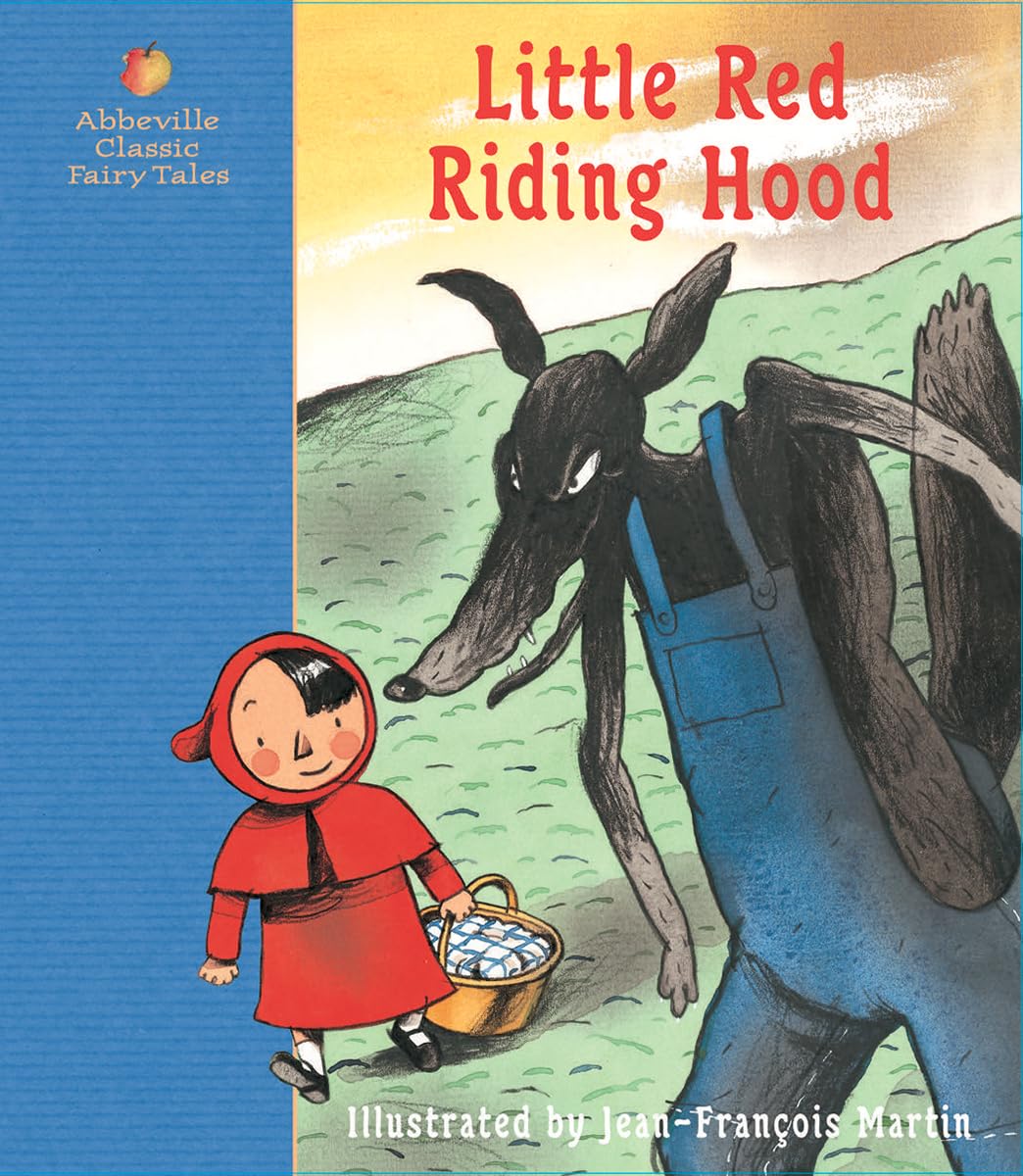
The original version of this story was dark and quite violent, but the Grimms’ version was toned down to be more suitable for children. They focused more on themes of obedience and the dangers of talking to strangers, making the story both entertaining and educational.
Snow White
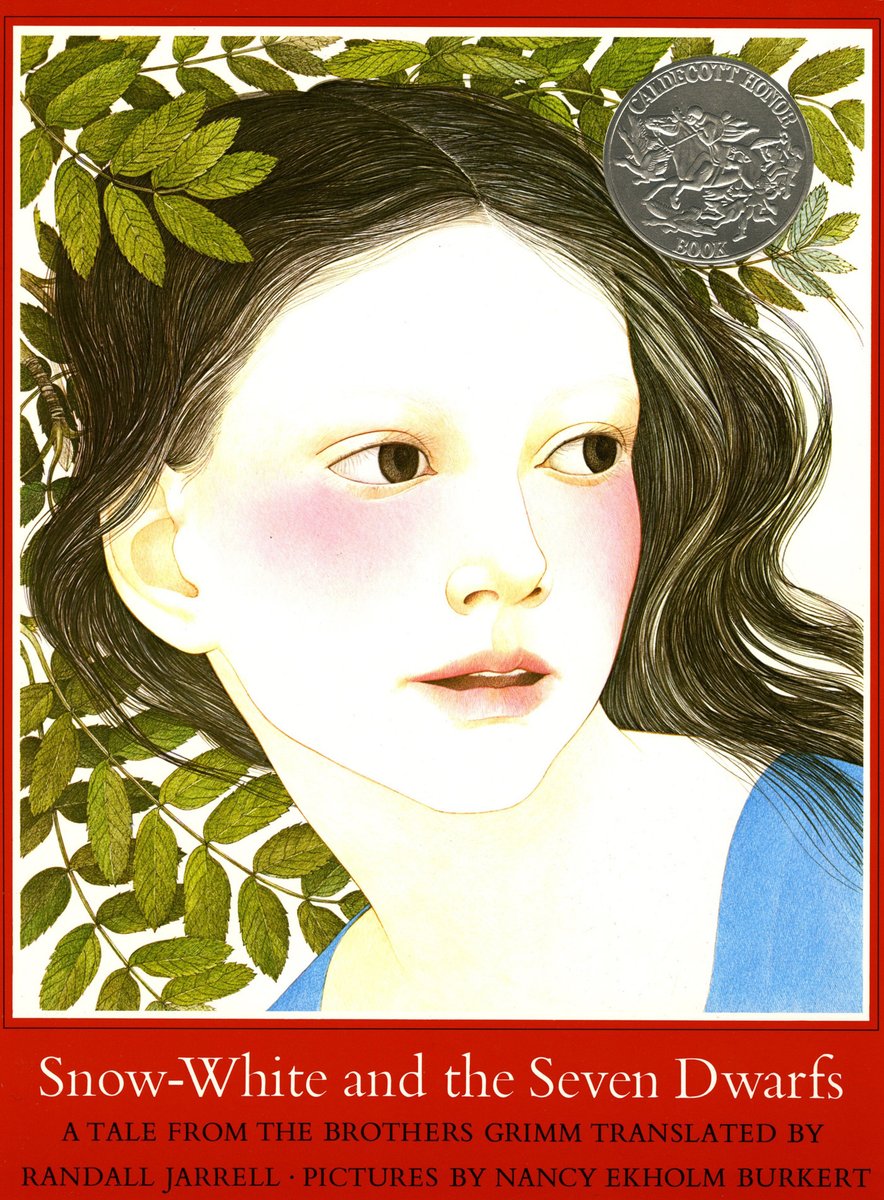
The Grimms focused on themes of jealousy, beauty, and innocence, making sure to include moral lessons about the consequences of vanity and envy. Their adaptation of the story has become one of the most beloved fairy tales, inspiring countless adaptations.
Hansel and Gretel
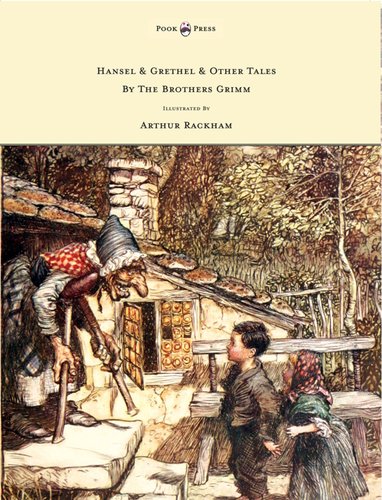
The story of Hansel and Gretel has already been told in a number of different ways, but the Grimms’ version emphasizes themes of resourcefulness, bravery, and family. It also included moments of danger and suspense to support the story’s main themes further.
Legacy
From Little Red Riding Hood, to Snow White, and Hansel and Gretel, Wilhelm Grimm will forever be remembered for his iconic retelling of classic fairy tales. These stories will continue to teach valuable lessons to children around the world. Wilhelm’s efforts helped shape the way we understand and appreciate folklore, leaving a lasting legacy that continues to influence pop culture.
To read more about the origin of classic fairy tales, click here.
Discover fairy tale classics at Bookshop.org.