

















Once upon a time, in the land of ancient historia, well before the notion of reading and writing, lived the tradition of storytelling. For generations, stories were kept alive through word of mouth. These stories came to be called fairy tales. And while some details of these stories may deviate from the original tellings or have gotten lost in translation, the main messages remain the same.
Over time, scholars and historians made it their mission to gather these stories across various cultures and write them down. Quite surprisingly, many of our favorite fairy tales share similar yet unique cultural aspects. In fact, multiple versions of Cinderella have been unearthed in and around Asia, Europe, and Africa, and there may even be hundreds more variations of this very story.
These discoveries, however, only scratch the surface of what we know about fairy tales. In fact, through modern technologies, researchers and historians have also been able to determine the origins of fairy tales, thankfully due to the need to trace and preserve them. So, for this latest trivia edition, get comfy and read on as we jump down the rabbit hole into the dark, twisted, and whimsically alluring origins of the fairy tale!
The Beginning of the Fabled Fairy Tale
For a long time, it was thought that fairy tales dated back to as early as the 16th or 17th century. But this estimation was found to be well off the mark, more than likely stemming from a time when these stories had been written down in history. Researchers hadn’t considered many of the generations of oral history. However, recent techniques used to examine the words in fairy tales across different cultures have found that fairy tales, such as Beauty and the Beast and Rumpelstiltskin, are thousands of years older than previously reckoned. As a matter of fact, the oldest fairy tale in existence possibly dates back over 6,000 years to the Bronze Age.
The tale is as old as time, or at least as old as humankind. The Smith and the Devil is considered the first official fairy tale. It tells the story of a blacksmith who trades his soul to the devil in exchange for magical powers. Details of the story may’ve varied throughout time; the smith sometimes sells his soul to a djinn, the devil, or even Death, but the crux of the tale describes the smith selling his soul for the knowledge to fuse objects, only to dupe the devil and wield his newfound power against the trickster. The tale of The Smith and the Devil seems to have been traced back through ancient Indo-European languages, societies, and cultures, specifically Russian. Although, there are reasons to speculate whether this story rings true as the very first fairy tale, calling into question vocabulary that may not have existed all those thousands of years ago.
The history of the fairy tale may yet still travel the road of discovery. Even so, the road most certainly has been made easier for us due to penning them in order to firmly hold on to what has already been lost — which is to say much of the original tellings that can’t be recaptured today. We look to scholars and authors who collected these fairy tales and permanently wrote them into history. Early renderings of these collections can be traced back to Italian authors Gianfrancesco Straparola and Giambattista Basile, whose Le Piacevoli Notti (The Pleasant Nights of Straparola) and Lo Cunto de Li Cunti (Il Pentamerone) collections contained the stories of Sleeping Beauty, The Maiden in the Tower, and Snow White within their pages and served as the precursors to the collections we still read today.
The Brothers Grimm and Other Stories
Enter German academics Jacob and Wilhelm, the Brothers Grimm — renowned collectors of the fairy tales we still enjoy today. They, along with others like Danish author Hans Christian Anderson and French author and collector Charles Perrault, took on the immense task of adapting such stories as:
- Puss in Boots from Charle Perrault’s Contes de Ma Mère l’Oye (Tales of Mother Goose) collection – 1697
- Rumpelstiltskin from the Brothers Grimm’s Kinder- und Hausmärchen (Children’s and Household Tales) collection – 1812 (The Smith and the Devil also appears in this and the 1815 collection)
- The Little Mermaid from Hans Christian Anderson’s Hans Christian Andersen Fairy Tales collection – 1835
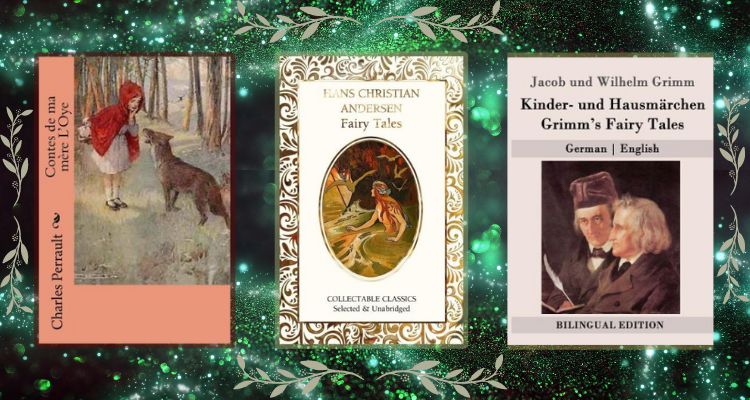
These stories have shaped our youth and given form to a phantasm of imagination. But in their beginnings, these stories, written with polished literary elegance, were actually intended for adults due to their text-heavy nature. Not until the mid-18th century were these stories geared toward younger audiences. This may explain our first introduction to such fairy tales as Little Red Riding Hood and Cinderella and the terribly gruesome tales they, at one point, told.
Out of the Darkness and Into the Light
Much like many old folk tales, fairy tales were meant as parables that held some nugget of wisdom to keep you from straying off the right path. Today, the idea of fairy tales conjures up sweet, innocent characters thrown into harrowing situations that end with good beating evil. But there once was a time when these stories ended tragically, all in the name of morality.
“The original versions of these popular fairy tales were much darker in nature… often designed to be parables with a moral twist, they featured painful punishments, sadistic parents and children being devoured by wild beasts.”
The Disturbing Origins of Fairy Tales, Sarah Roller
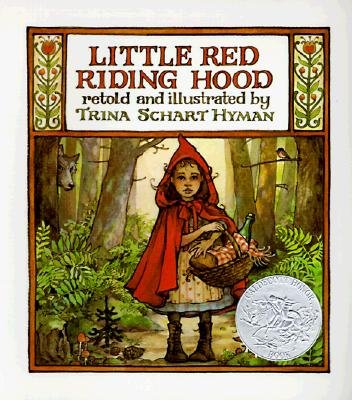
These stories featuring characters facing cruel fates were popularized by none other than the Brothers Grimm, who turned these tales of horror into family-friendly reads. Later, these, too, were watered down from their original tellings to appeal to both adults and children. Still, there are many of the most dreadfully disturbing fairy tales imaginable. Some of the lesser-known original versions like Snow White and Cinderella feature a jealous mother who murders her daughter in this Celtic fairy tale, Gold-Tree and Silver-Tree; a girl and her stepsisters who mutilate themselves to gain the prince’s favor, only to be humiliated and further dismembered by doves at their sister’s wedding ceremony in Aschenputtel; and this original German fairy tale of a blood sausage chased by a knife-wielding liver sausage in The Strange Feast.
Contemporarily, some of our favorite tales, like The Little Mermaid, Rapunzel, and others, while still quite terrifying, now seek to satisfy our eyes and hearts with happy endings. It’s possible that all that goes into making these memorable stories is what makes us fall in love with them. They enlist common tropes that are recognizable from the moment we read them. No matter the story, they all stick to the fairy tale recipe. These elements, like our fairy tales, are as old as time.
Fairytale Brew: Elements That Make Up a Fairy Tale
But what is a fairy tale? In short, they are short stories full of magic and whimsy. They begin with “once upon a time” and end with “and the moral of the story is…” They feature characters who are inherently good or evil at their core, a damsel in distress, and a hero or heroine thrust into a conflict they must solve by defeating the big bad in some epic way. We see these tropes play out in timeless succession, knowing what will occur and still leaping out of our skins when the hero or heroine fails at the start and sighing with all our hearts when they finally save the town, the damsel, or the day, and the evil is no more. So, let’s get into these elements and brew us up a fairy tale.
Magic, Morals, and Make-Believe
One of the first ingredients we throw into the pot is the element of magic. These are our spells, enchantments, and even curses. This also includes magical creatures, such as fairies, wicked, witches, ogres, and talking animals. Sprinkle in a bit of make-believe and a moral lesson on how to wield said magic for the greater good, and you’ve got a nice fairy tale brew going.
The Old ‘Good vs. Evil’ Cast of Characters
One of the essential components of our fairy tale brew is the archetypal characters. You can’t have princesses without wicked witches or evil fairies. You can’t have brave knights without dragons to slay. And you can’t have magical protectors/ guides without an innocent to protect from a troll, wolf, or ogre, as our innocent makes their way to grandma’s house or dwells in the woods in secret. There’s a balance to this recipe. The old good vs. evil presents us with philosophical themes, messages, and symbols that show up in numbers ‘threes’ and ‘sevens’ in The Three Little Pigs, Snow White and the Seven Dwarves, and The Three Billy Goats Gruff, to name a few.
Royal Ties
Like adding salt or pepper, this is pretty self-explanatory; on land or deep below the sea, there’s usually a princess or a young girl who, in some magical ceremony, weds her prince (Charming, that is) and becomes a princess. Ask Disney — canonically, there are seven. In truth, so many princesses exist in fairy tales. They dwell in faraway kingdoms ruled by kings and queens. And you can always count on the old rags-to-riches tale to appear. But no matter what, a dash of royalty will undoubtedly be an ingredient added to your fairy tale brew.
A Problem To Solve
Now we’re ready to toss in our main ingredients — our meat and vegetables — that make for a hearty brew, which comes in the form of a problem. What is a hero or heroine without a mountainous hurdle in their way? There is no evil to do away with, no decisions to make, no trials to get through, and no lessons to learn along the way. In short, you’ll have one dull, not-so-fantastical fairy tale without a major mental or physical obstacle for your characters to endure and come out on the other side.
A Happy Ending
To finish off our nice brew, we turn to the very thing that brings us to these fairy tales in the first place. The happy ending. While stories have become much more complicated over the years, there’s still the element of a satisfactory ending with “happily ever after.” Most people, children especially, want to see something good come of our archetypal hero or heroine. They want to see that rotten troll or wicked witch outsmarted or banished for good. They want the prince and his bride to live in bliss forevermore. Nothing spells a well-put-together fairy tale like a quintessential feel-good happy ever after.
Whimsical Fairy Tales From Around the World
With all of our elements mixed together in a rather delicious fairy tale brew (if I don’t say so myself), we sit and wait until it cools off, taking a trip around the world through some fairy tales we may or may not know about.
Zimbabwe
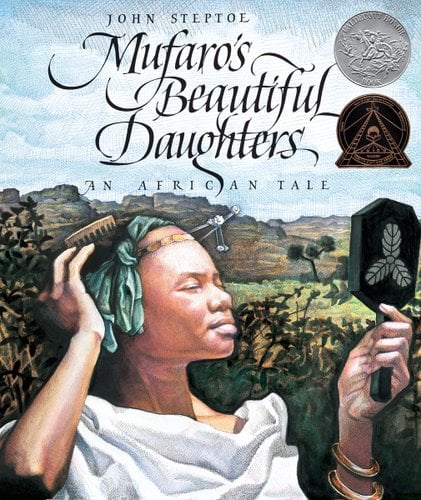
This magical tale of two sisters, one spoiled rotten and the other kindhearted, comes from the southern part of the African continent. In this tale of good vs. evil, there’s trickery that sees a lesson learned in the end in this retelling of Mufaro’s Beautiful Daughters by John Steptoe.
Japan
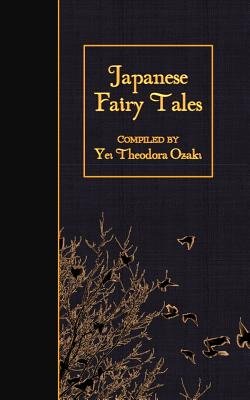
The Goblin of Adachigahara, a story about a curious priest and an old woman who’s not what she seems, is one of the many fairy tales in this collection translated by Yei Theodora Ozaki entitled Japanese Fairy Tales.
New Zealand
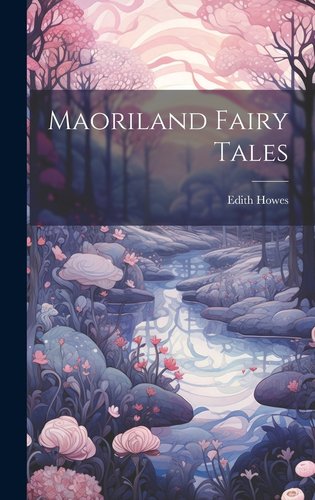
From the continent down under comes Māori fairy tales from New Zealand. One such story, How the Moon Was Made, is about two young girls, Shining Eyes and Rippling Hair. They help to form the moon. You can find this and other tales in the Maoriland Fairy Tales collection by Edith Howes.
Peru
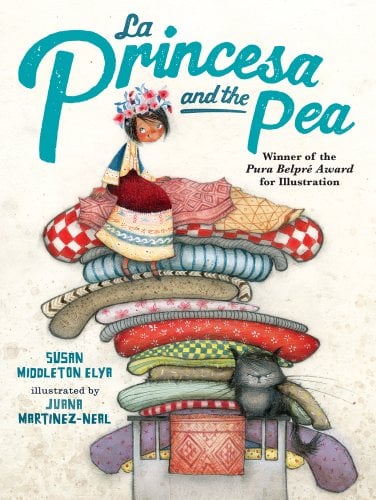
A Peruvian retelling of The Princess and the Pea by Danish author Hans Christian Anderson comes La Princesa and the Pea by Susan Middleton Elya. In this fresh retelling sprinkled with Spanish words, the prince believes the princess is meant for him, but his mother disagrees and decides to test the girl. However, the prince may have a plan of his own.
Algonquin Tribe of North America
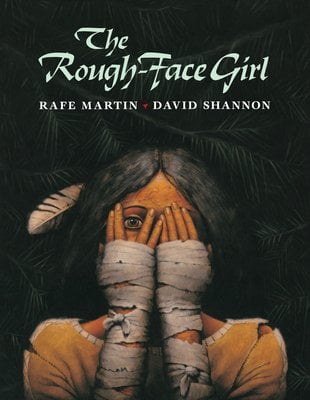
A Cinderella retelling, The Rough-Faced Girl by Rafe Martin, tells the story of an invisible man and the young women who wish to win his heart. Among these young women is the Rough-Faced girl. Can she win over the invisible man’s heart where her beautiful but cruel sisters have failed?
Turkey
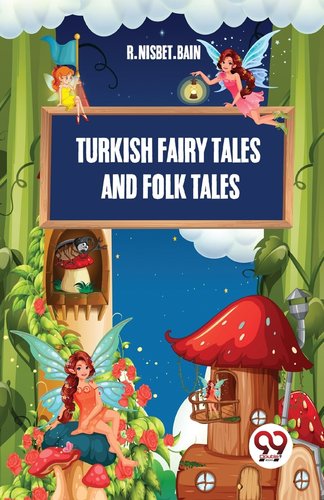
Author and translator R. Nisbet Bain brings traditional stories from Turkey into this collection of Turkish Fairy Tales and Folk Tales, featuring stories of magic, adventure, and love that also let readers peek into the culture and traditions of Turkey.
Fairy tales may have gone through centuries of transformation to bring us into today, but the core of what they mean to us as children of every age stays with us forever. They’ve traveled thousands of years, been reimagined through many renditions, and yet, somehow, they still remain the same. Fairy tales bring us joy, take us on wild adventures, allow us to live through the characters as they conquer obstacles, teach us lessons that we can apply in the real world, and ensure us that happiness does exist at the end of the story. Let us celebrate fairy tales and keep these treasured stories alive.
If you liked this article and want more trivia, Click here.
Be sure to browse our Did You Know? Bookstr Trivia for Your Curious Bookish Mind bookshelf on Bookshop.org.
