












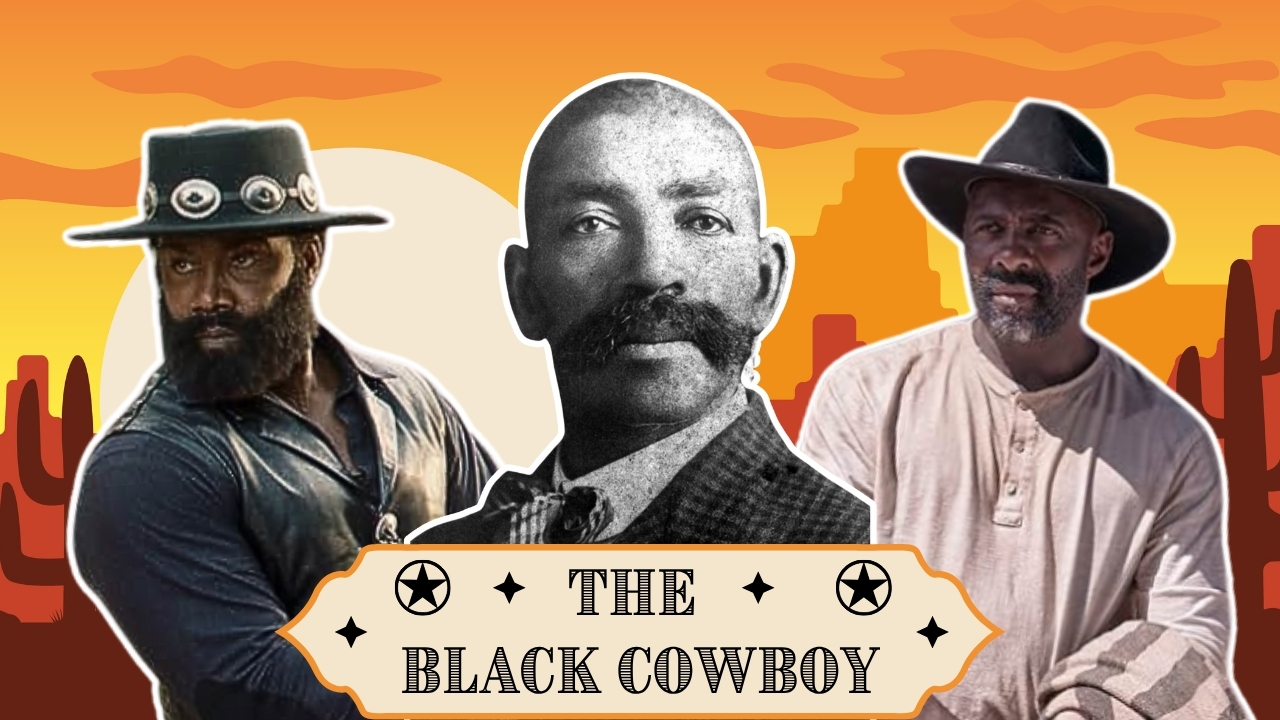
A hawk screeches at noon, a tumbleweed rolls across a desolate desert, a boot clicks its spurs with every step: these are iconic images of the American West. Whether you’ve lived the life or not, you’ve probably seen at least one cowboy movie. The cowboy is synonymous with the West itself, yet he is also the most misrepresented. There is one version of him, in particular, that has nearly been erased from history and pop culture: the Black cowboy.
Read on as we trace the legacy of the Black cowboy from the Old West to the modern era and take a look at his representation on screen.
Trigger Warning: This article contains mentions of racism and slavery. Please exercise personal care while reading.
How the Black Cowboy Was Born
Black men made up 25% of the cowboy population, yet their contribution to the culture has largely been forgotten. What led to their stake in the West?
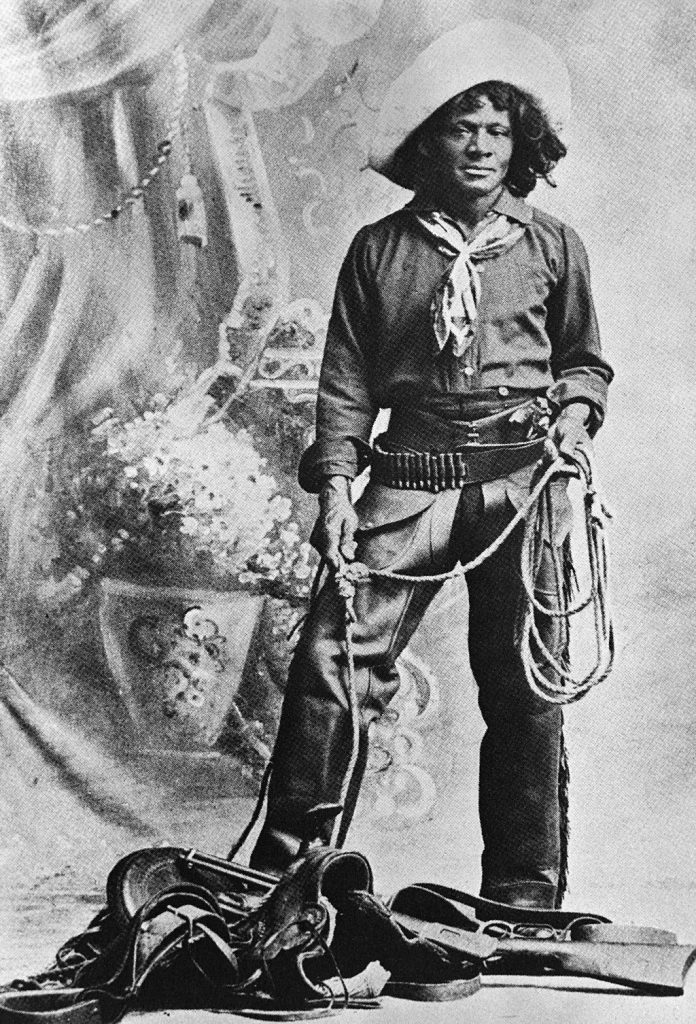
Most Black cowboys were escaped or former slaves. Those who escaped enslavement often assimilated into American Indian nations and learned the ways of Western life there. The former slaves learned the trade on cattle ranches in the South, many of which were located in Texas. After the Civil War ended, the White landowners were forced to hire their former slaves as properly paid cattlemen. Their cattle drives led them across the Western states, where they continued to assert their new skillset among the other cowboys.
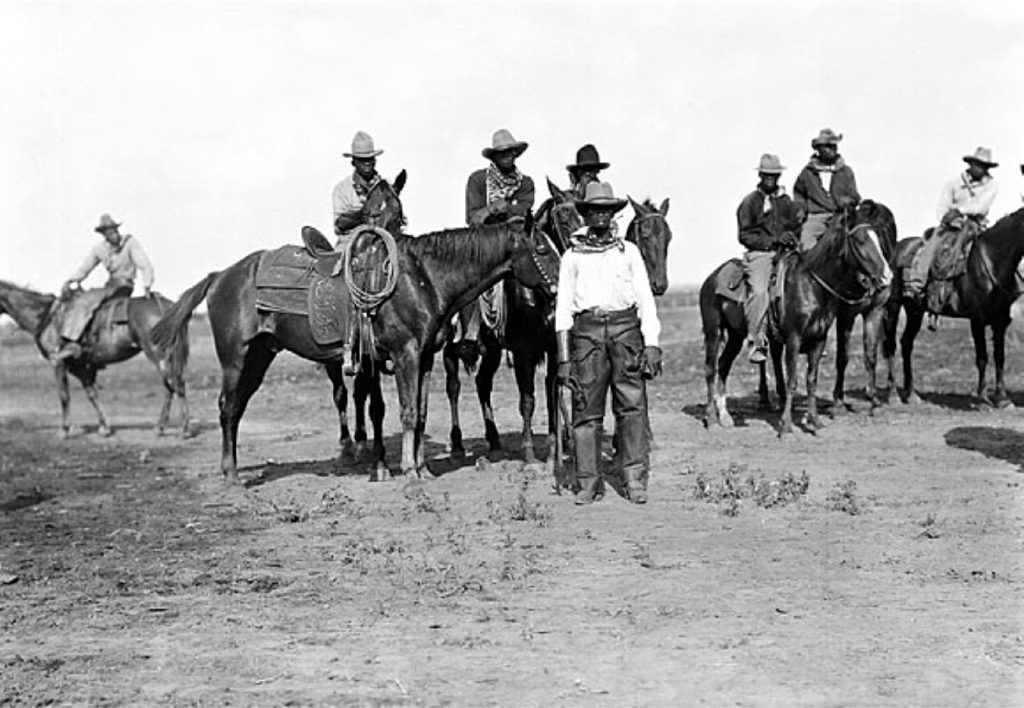
Life on the trail was hard for all, necessitating a trusting atmosphere among the herders. Though Black cowboys still faced prejudice in the towns along their path, their crews offered them a social equality they couldn’t find elsewhere. On the open range, skill and hard work mattered above all else. A wrong move meant certain death, so petty bigotry like racism had no place within their circles. It was this newfound community that allowed the Black cowboy to thrive.
Bass Reeves and The Lone Ranger
One of the most famous Black cowboys was Bass Reeves, one of the first African-American deputy U.S. marshals. Reeves was a former slave who was believed to have escaped into Native territory in the 1860s. His time living among the American Indian nations allowed Reeves to later become a trusted guide through the territory. In 1875, Bass Reeves became a deputy U.S. marshal for a region encompassing parts of Oklahoma and Arkansas. During the span of his career, Reeves arrested over 3,000 outlaws and killed 14.
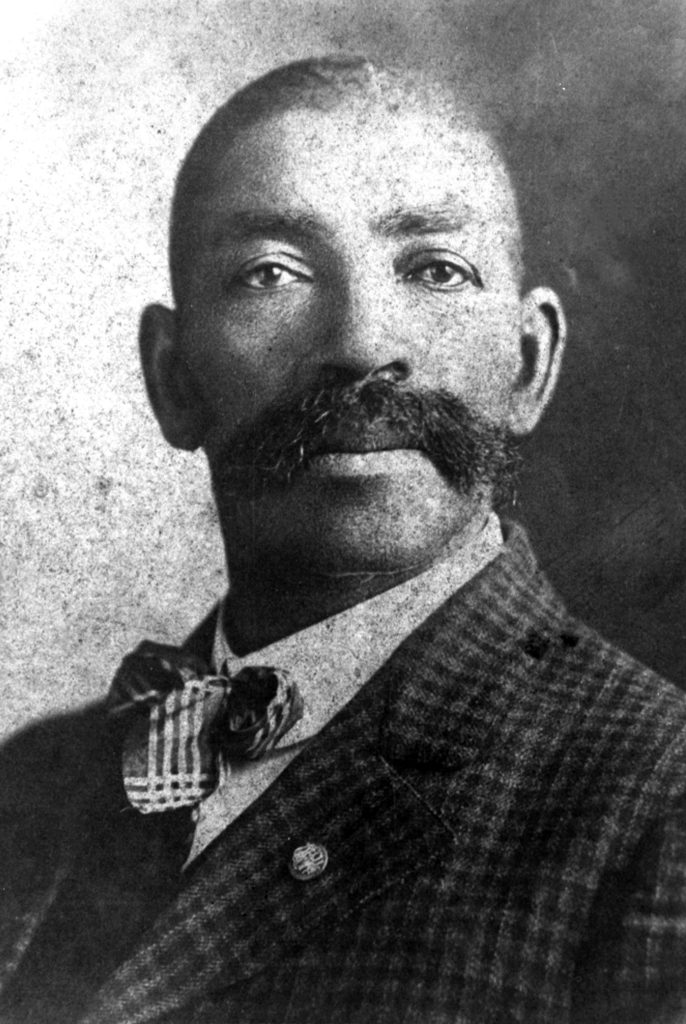
The life of this incredible man is said to have inspired the most famous fictional cowboy of all time, the Lone Ranger. John Reid, also known as the Lone Ranger, is a vigilante lawman who wears a black mask and roams the West to fight evil, accompanied by his Indigenous sidekick, Tonto. His impeccable law career and relationship with Native peoples are remarkably similar to those of Bass Reeves. The only difference? The Lone Ranger is White.
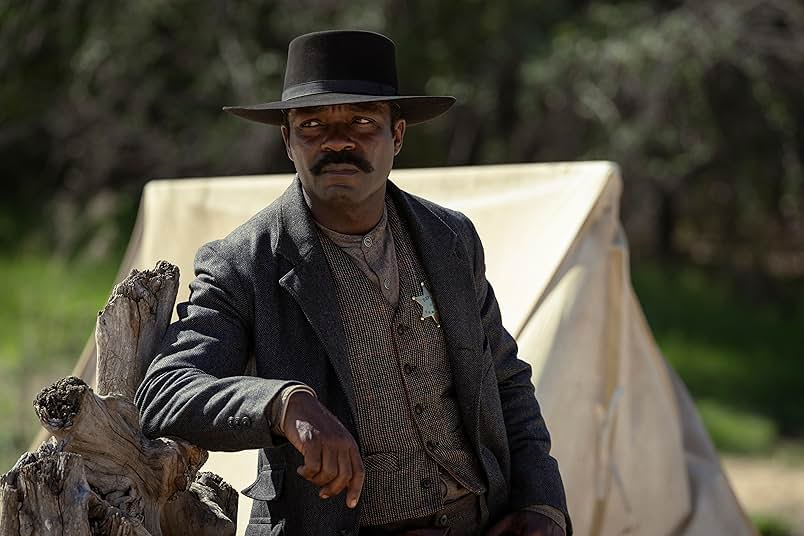
Whitewashing the Lone Ranger is one of many ways that the Black cowboy has fallen into obscurity. Pop culture has a troubling pattern of taking pieces of Black history and giving them to White characters. Luckily, modern adaptations of Bass Reeves’ tale are beginning to correct this mishap. The 2023 miniseries Lawmen: Bass Reeves places the real man’s story front and center, granting it all the pomp and circumstance it deserves.
The Modern Black Cowboy
The Black cowboy is still a fixture of modern society, though his appearance and location have drastically changed. Among the urban sprawl of North Philadelphia is the Fletcher Street Urban Riding Club (FSURC), a non-profit organization that teaches young Black men equestrian skills and discipline, as well as fostering academic excellence and providing a safe haven. Though no one can pin down the exact origin of the Fletcher Street Cowboys, many believe the community was started by Black workers who migrated from the South. The Fletcher Street Urban Riding Club, as it is known today, was founded by Ellis “El-dog” Ferrell in 1980 and was later established as a nonprofit in 2004.
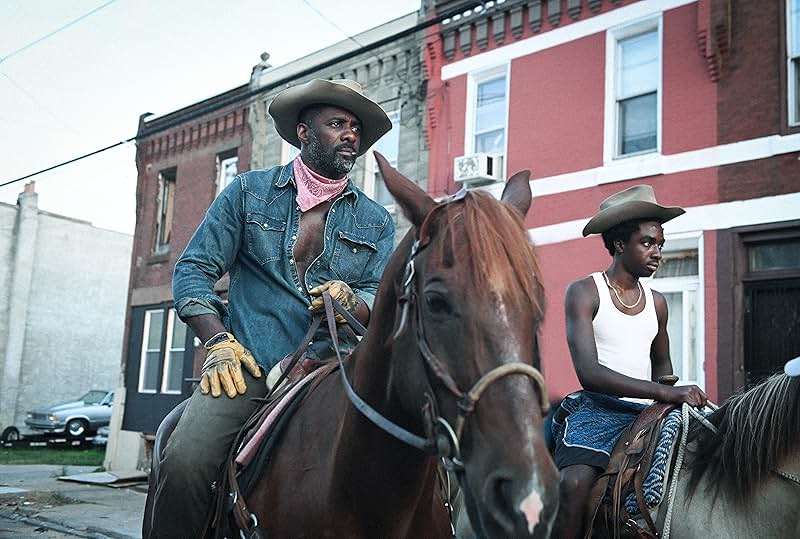
The 2020 film Concrete Cowboy is based on the story of the FSURC. While the main characters, Cole and Harp, are fictional, real members of the Fletcher Street Cowboys made cameo appearances in the movie. As they hash out tales of the group’s founding around the fire, they also mention Bass Reeves and the Whitewashed Lone Ranger. Within the FSURC, the legacy of the Black cowboy is alive and well.
Recent Representations of the Black Cowboy
The Black cowboy has appeared in Western media, albeit sparingly, since the dawning of film. Over the past decade, more of these stories have been produced and adapted by notable Black directors. If you’re looking for a movie with a fresh perspective on the Wild West, these three recommendations will get you started.
The Magnificent Seven (2016)
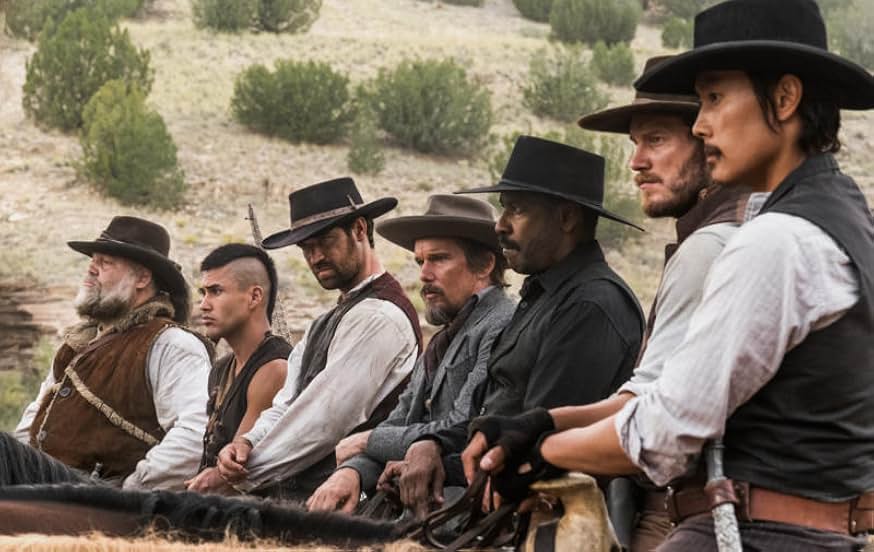
A remake of the previous two films from 1954 and 1960, The Magnificent Seven sees an unlikely group of gunslingers banding together to defend the helpless town of Rose Creek. The posse is led by Sam Chisholm, a Black U.S. marshal who bears a striking resemblance to Bass Reeves. This iteration of The Magnificent Seven is unique in that it also contains characters that illuminate three other unsung narratives of the West: the Mexican cowboy, the Chinese cowboy, and the Indigenous cowboy.
The Harder They Fall
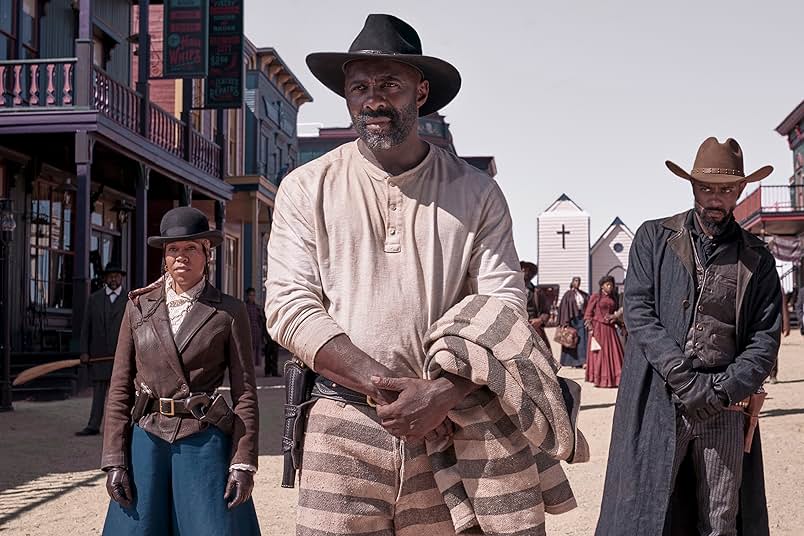
The Harder They Fall is a classic revenge story; an outlaw learns that his rival was released from prison and reunites his gang to finally take him down. Though the characters are named after real Black cowboys like Nat Love and Rufus Buck, the plot and relationships are entirely fictionalized. This movie is the only American Western to feature all Black actors in the main cast.
Outlaw Johnny Black
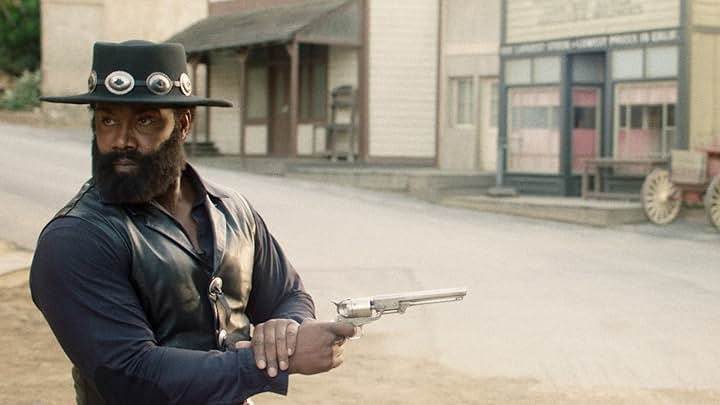
In a departure from the other productions on this list, Outlaw Johnny Black is a comedy. Johnny Black is hellbent on seeking vengeance for the death of his father, but in order to do so, he must pose as a small-town preacher, where hijinks inevitably ensue. Outlaw Johnny Black draws inspiration from the Blaxploitation and Spaghetti Western films of the 1970s.
With such an intriguing history, it’s a shame that the Black cowboy has nearly faded from memory. Hopefully, more creators will follow in the footsteps of those mentioned here, so that the Black cowboy can live on and be celebrated for years to come.
To read more about the importance of Black characters in media, click here.
Check out our Black Voices bookshelf on Bookshop.org for excellent books on the Black experience.