

















As we forge on in life, fighting for justice and equality, let us not forget to reflect on the past, admire those who fought and cultivated a life of freedom for this present day, and offer support toward Black individuals working toward their own success story.
This might look like learning more about Black culture — the art, the music, and the fashion. Go out and support local Black-owned businesses. Or, to immerse yourself into Black literature. There is power in representation, and this style of literature allows authors to voice authentic realities that many Black individuals face. In 2025, there is a wide variety of Black representation within literature that focuses on the hardships Black women face, what Black kids in school face, or how the teenage years are experienced differently by Black youth. Black literature offers a perspective on a beautiful and complex heritage that faces challenges that some will never understand.
Several themes can be found within Black literature that highlight different aspects of Black heritage, such as the culture, experienced racism, class differences, generalized stereotypes that are broken, and Black female empowerment. Here is an in-depth analysis of the importance of Black literature and the different themes at play.
The Culture
Black literature allows authors to highlight Black culture. From the art to style to the music, food, and the general lifestyle — authors use the beauty of writing to fully encapsulate Black culture. It can be a setting, a Black character representing and sharing their life in their neighborhood, or family dynamics.
Homegoing by Yaa Gyasi is a compelling novel in which two half-sisters living in Ghana during the eighteenth century are born in completely different villages and live different lives. One marries an Englishman, where she is granted comfort, while the other is captured in a raid on her village and sold into slavery. The story ends up tracing the lineage of those two sisters, what happened to each of their descendants, and the impact it has on who they are. Everything about the generations is different, from the way they live to how they are treated to understanding the legacy of those before us.
The Hardships
A reality that must be faced — the hardships. Black literature exposes how characters navigate racism, class, relational differences, and more. This type of literature allows everyone to have an open discussion regarding the truths in this world. It fosters questions to be asked, cultivates more empathy, and articulates the hardships a Black individual faces and how that can oftentimes look different. Black literature can dive into life 100 years ago for a young Black man or can look into the life of a young Black girl in the present and show the trials both have/continue to walk through.
After a man was falsely convicted of a crime he didn’t commit, he faced 27 years on death row, missing out on most of his life. After someone finally helped him win his freedom, the man went on to write one of the most powerful, heart-wrenching, and spectacular books. Anthony Ray Hinton is no stranger to trials he has faced as a black man. His novel, The Sun Does Shine, discusses the hardships he endured during the years he lost his freedom.
Breaking Out of the Stereotypes
Black literature facilitates an authentic voice (if written correctly and by people with pure intentions), which allows stereotypes to be broken. It challenges the narratives. It demonstrates the realness and the beauty alongside the pain. Black literature also creates empowerment among the people. It breaks out of a small-minded lifestyle that is set to limit the people and supports Black individuals to reach for more.
In the book, Uncomfortable Conversations with a Black Man by Emmanuel Acho, there is an open discussion about systematic racism and prevalent issues facing our society today. After an awakening year in 2020, Acho takes on the questions that many are eager to shy away from because they are difficult. While his book shines light on some of the failures people have contributed to throughout the years, he offers compassion and understanding to cultivate empathy for his readers.
Additional Recommendations You Just Can’t-Miss
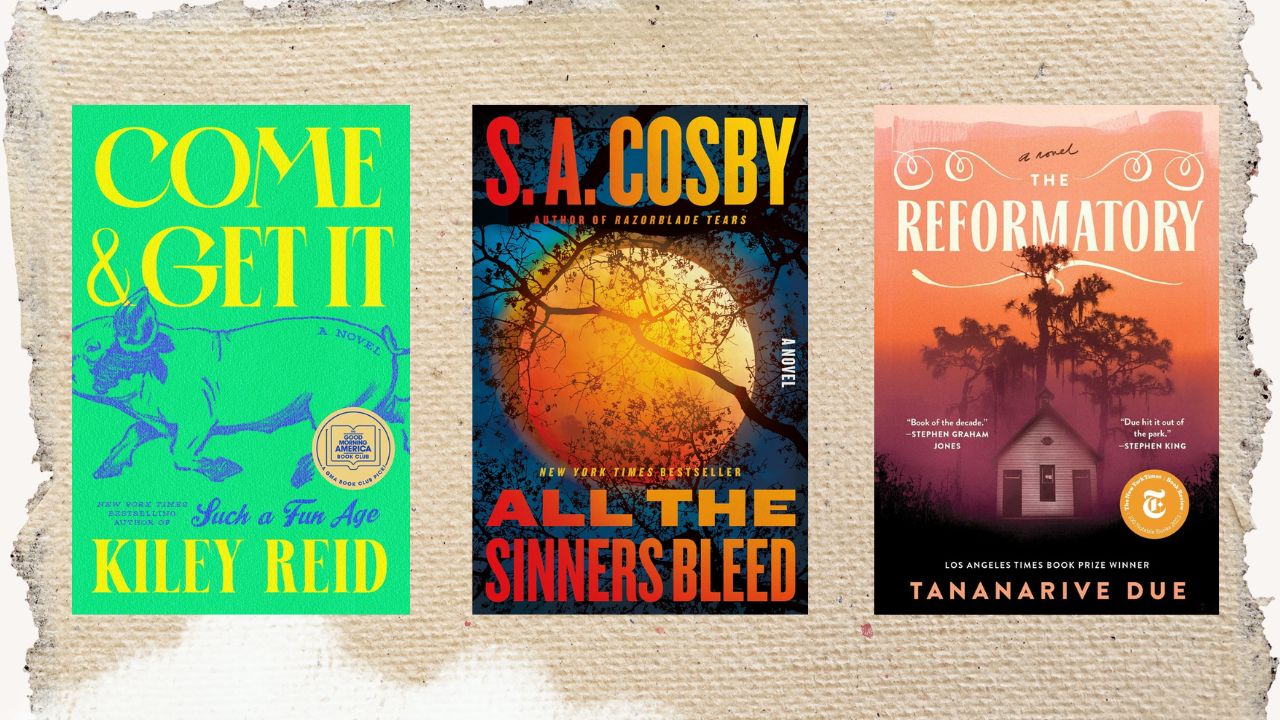
Come and Get It by Kiley Reid
It is a story about a young girl, Millie Cousins, who, just like any other young college girl, just wants to graduate, get a job, and buy a house. Eager for a jumpstart for her career, Millie’s professor, Agatha Paul, a writer and visiting professor, offers her the opportunity for both of them to further their own interests. However, Millie quickly realizes that her eagerness for this opportunity is jeopardized by a lonely transfer student, unruly residents, and illicit intrigue.
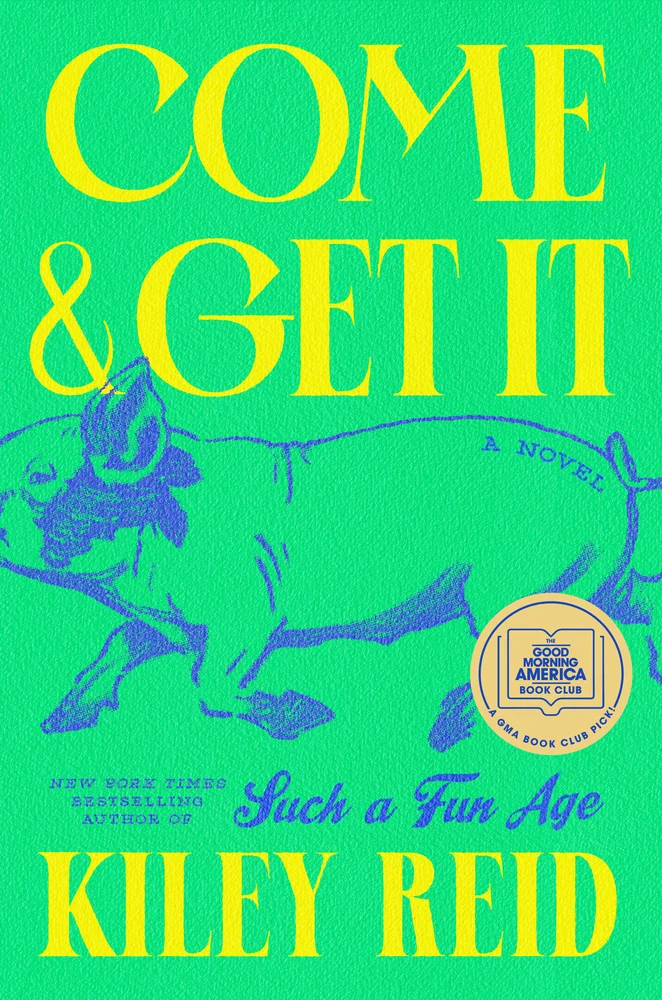
Killey Reid explores our choices, particularly those regarding what can and cannot be paid for. Millie and Agatha must confront the toughest question some of us all face — how much are we willing to trade to get what we want?
The Reformatory by Tananarive Due
A chamber of horrors. Something no young boy should face, but when fate strikes at poor timing, Robert Stephens Jr. finds himself locked away at the Gracetown School for Boys. Robert, who is only twelve years old, complicates his life when he and a white boy scuffle. However, when Robert settles into his new normal, he finds that the reformatory is not just a segregated school, he is haunted by the boys that have died there. In an unlikely twist, Robert calls on the help of the ghosts to survive the challenges in the school, but ghosts aren’t always easy to negotiate with.
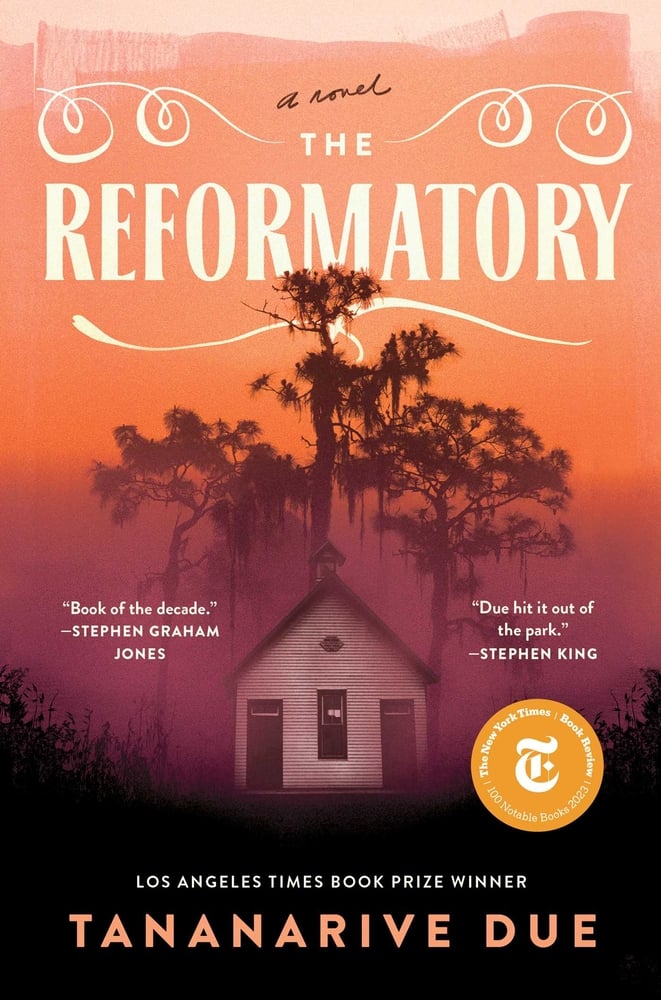
The novel reveals Robbie sees ghosts that comforted him after his mother’s passing, but soon becomes a window to the truth of what happens at the reformatory. In this historical fiction, Tananarive Due touches on the tragedies that take place at the infamous Dozier School for books as well as piecing together the life of a relative no one spoke about in her family.
All The Sinners Bleed by S. A. Cosby
In this investigative novel, Titus Crown is the first Black sheriff in Charon County, Virginia. One year after Titus is signed on, a school teacher is killed by a former student, who is then shot by one of Titus’ deputies. As he investigates what the motive was behind the killing, he learns a troubling truth about a serial killer, haunting the dirt lanes and woodland clearings of Charon. Nothing could prepare Titus for what he continues to uncover about his town and the political motivations particular groups embody.
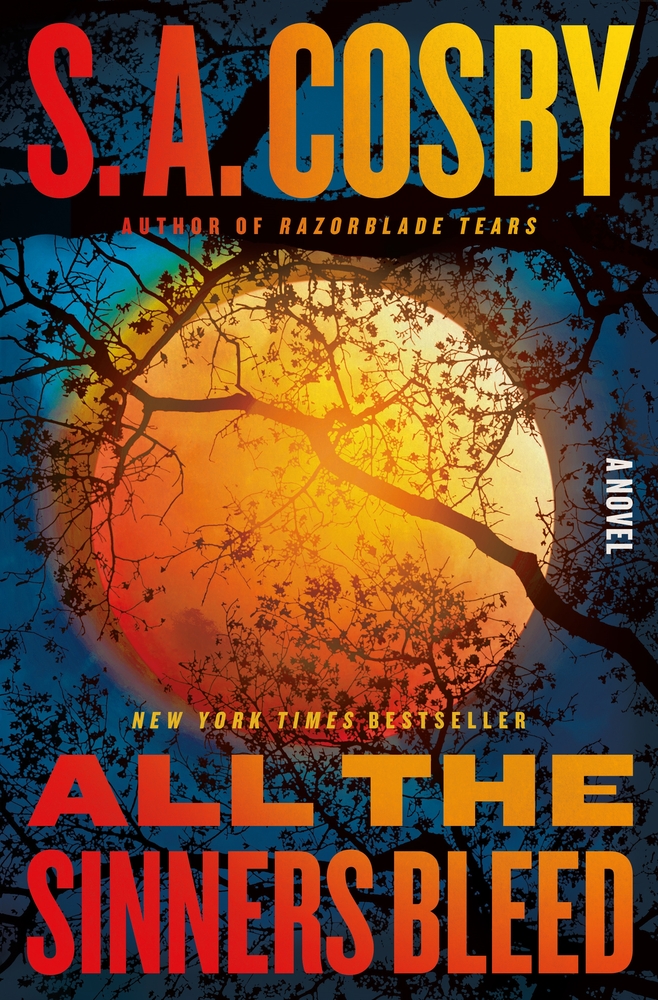
S. A. Cosby explores complex themes of race, the American South, and the troubling realities of small-town life. Titus is forced to deal with tensions from the white landowners and other complicated individuals. The book shows how racism deeply impacts criminal investigations through the efforts of Titus, who is simply trying to complete his job.
Black literature plays a significant role in celebrating Black heritage. While we celebrate the beauty, we recognize the hardships, the conversations of race and class structure, and the harsh realities Black culture faces. By taking part in reading Black Literature, we embark on an enriching journey where we open ourselves up to Black voices in fiction and nonfiction alike.
Check out this article from one of our own to expand your reading list this Black History Month. Click here.
Want to learn more about standing with the well-informed? Click here.
