









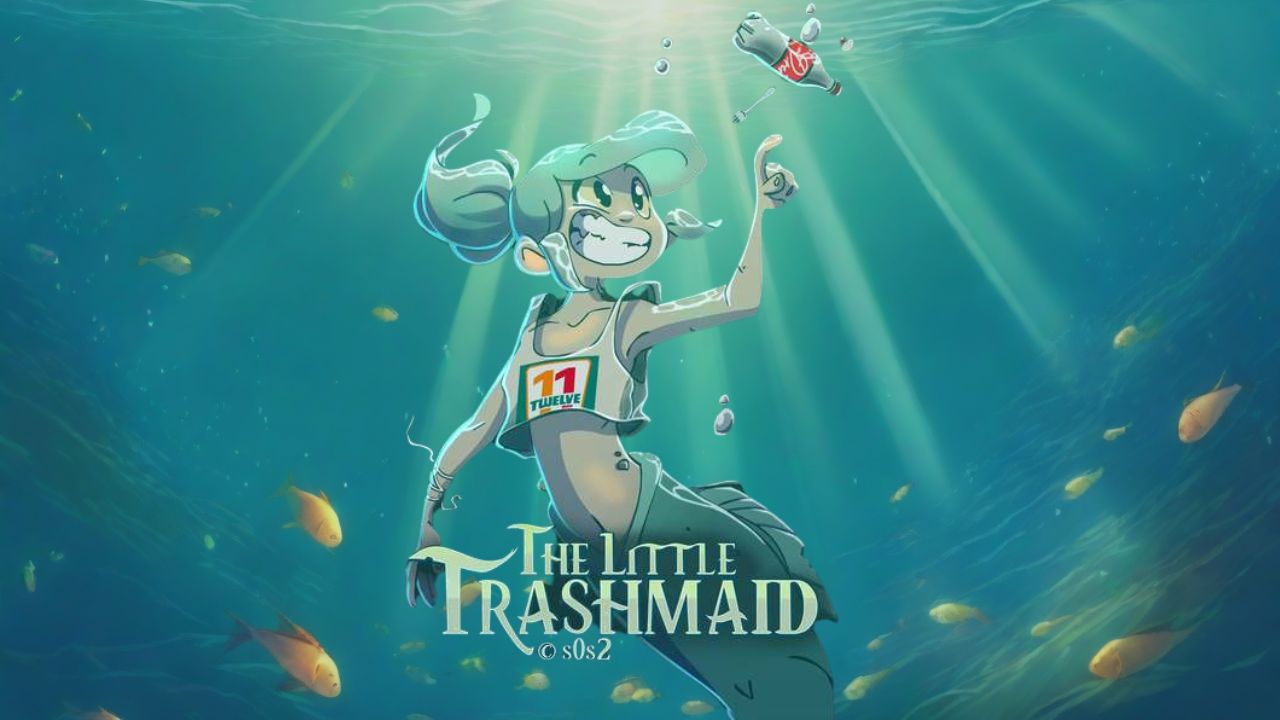
Ocean pollution has become a rising threat to marine life and human health alike in recent years. With billions of pounds of trash and other pollutants entering our oceans every year, bringing our attention to this issue has become of crucial importance. As effective as scientific reports and alarming statistics are, we should not forget that creative storytelling also plays a vital role in educating and keeping the public engaged with a cause.
One standout example of this is Stephanie Hermes, the author of the popular comic The Little Trashmaid. Through the adventures and daily lives of her characters she sheds some light on the dire state of our oceans currently, in a way that can resonate deeply with readers and encourage them to take action.
What Is Ocean Pollution?
So, what is ocean pollution? Ocean pollution happens when harmful substances enter the ocean and harm the marine ecosystem. Ocean pollution can take many forms such as chemical pollution or nonpoint pollution, oil spillages, sewages, ocean drilling and plastic pollution.
Current State of Ocean Pollution
Covering 70% of the surface of our planet, the ocean plays a vital role in the health of our ecosystem, and what happens within it can greatly affect marine life and eventually us. According to the National Oceanic and Atmospheric Administration (NOAA), billions of pounds of trash and other pollutants enter the ocean every year, and at least 80 percent of this pollution originates from land-based activities — meaning it is primarily caused by human actions.
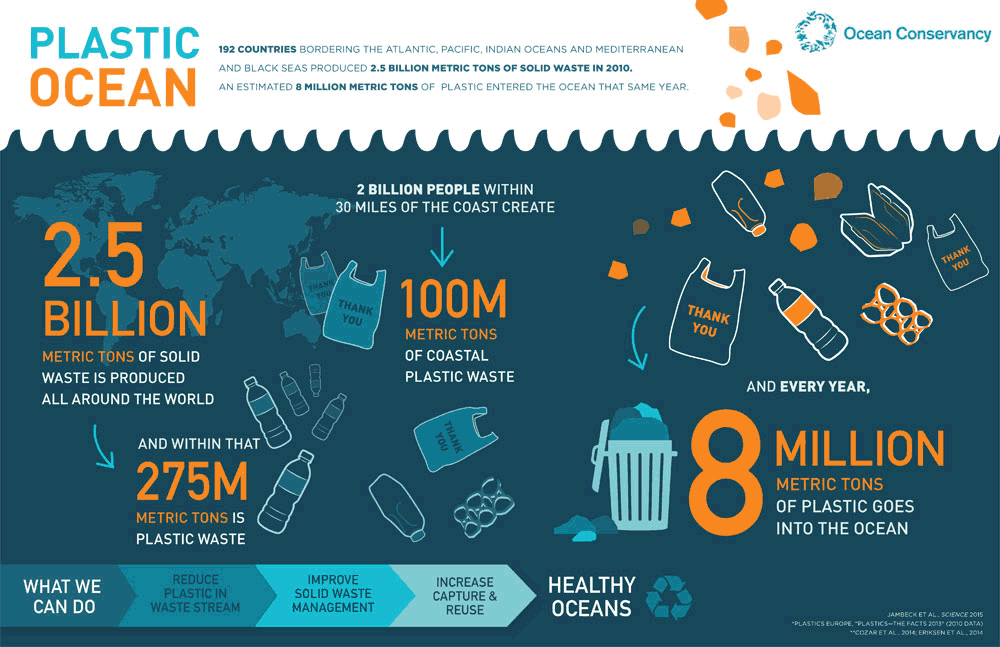
The main causes for Ocean pollution are:
- Runoff pollution: Pollutants from agriculture, industrial waste, and sewage systems are carried to rivers and oceans by wind and rain. A 2016 UN study revealed that 300-400 million tons of toxic waste enter our oceans annually.
- Oil Spills: Oil spills occur from accidents involving tankers, pipelines, refineries, drilling rigs, storage facilities, and boats. According to NOAA, there have been 48 major spills in US waters from 1969 to 2024, each exceeding 420,000 gallons or 10,000 barrels of oil.
- Deepsea mining: Deepsea mining involves excavating seabed mineral deposits deeper than 200m to extract metals like copper, nickel, aluminum, manganese, zinc, lithium, and cobalt, driven by demand for modern technologies and declining terrestrial deposits. As of May 2022, the International Seabed Authority (ISA) has issued 31 contracts to explore over 1.5 million km² of seabed. Exploration could begin as early as 2026, pending regulatory development.
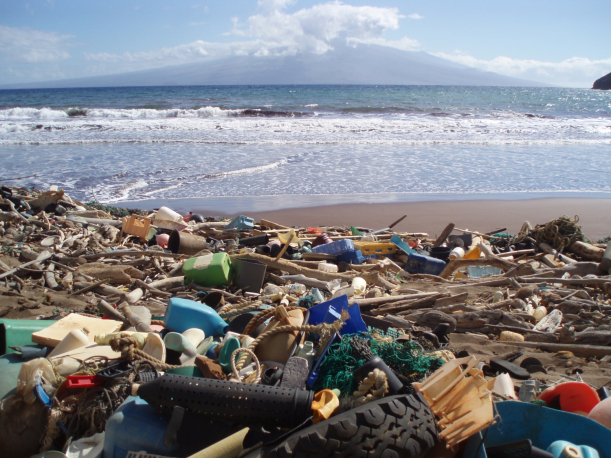
- Plastic Pollution: Plastic pollution Plastic pollution is a major threat to ocean conservation, taking hundreds of years to degrade, with at least eight million metric tons entering the ocean annually. According to the Ocean Conservancy, this amount is expected to rise significantly over the next decade. Plastic breaks down and forms giant patches like the Great Pacific Garbage Patch.
The Problem With Pollution
Ocean pollution has heavy consequences for marine life as well as for human health, making it imperative for us to understand what these consequences are.
Harmful to Marine Life
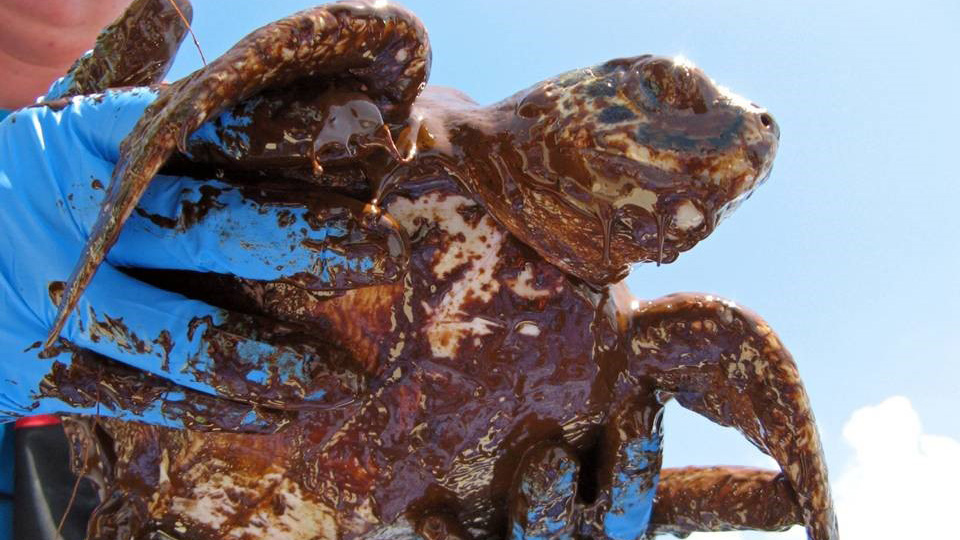
As mentioned before the biggest impact from pollution will be to marine life. We are already seeing some of its effects, for example, with oil spills. There have been multiple instances where animals have been suffocated due to crude oil permeating their gills, or birds that have been unable to fly due to the oil in their feathers. Even if they manage to survive the initial oil spill, they still suffer behavioral changes or diseases.
Similarly, runoff pollution can prevent the growth and reproduction of coral reefs which are vital for the survival of sensitive species. Furthermore, runoff pollution can bring an excessive amount of nutrients such as phosphorus and nitrogen that encourage the growth of algae bloom, which absorbs oxygen and prevents sunlight from reaching other plants in the ocean — creating a dead zone where very few species can survive.
Even species meant for the harshest conditions would face trouble, as deep sea mining would disturb their habitat and lead to the possible loss of many of these unique species (many of which are found nowhere else).
Speaking of depths, not long ago a plastic bag was found in the Mariana Trench, and it has brought new attention to the ocean pollution problem. You may have read or seen videos of whales trapped in fishing nets asking humans for help, or the endless cases of turtles swallowing plastic bags mistaking them for food. All of these are caused by plastic: by the sheer amount of plastic that is currently residing in our oceans.
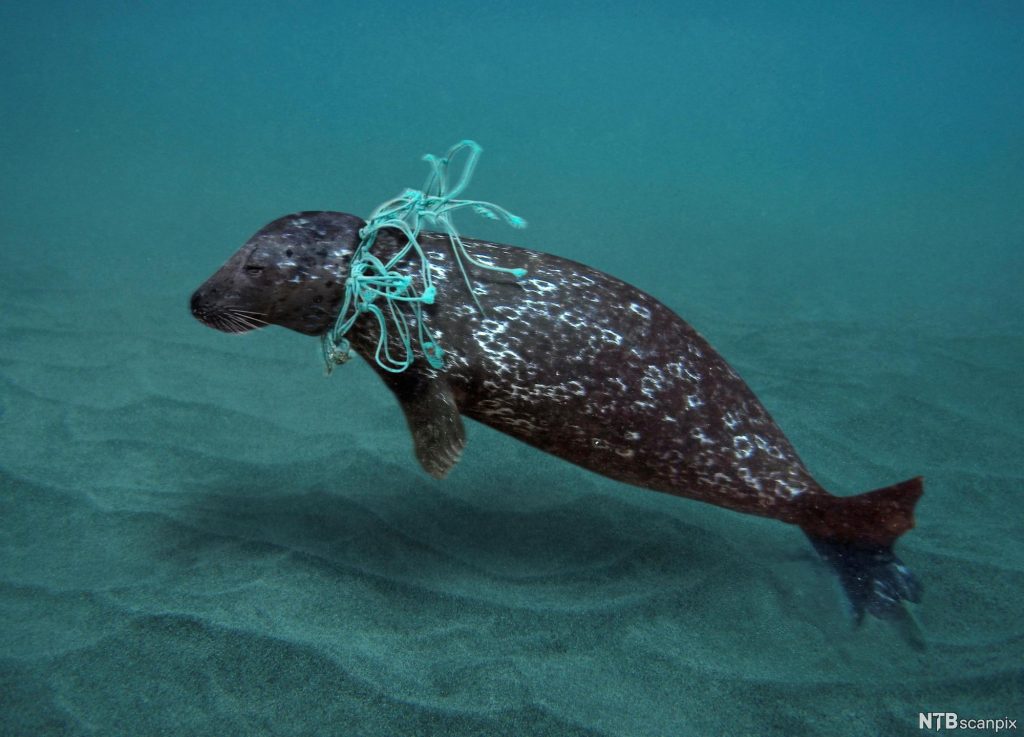
The Ocean Conservancy has found that 60% of all seabirds and 100% of sea turtle species have consumed plastic, mistaking it for food. According to The Ocean Cleanup, 900 species of marine life have encountered marine debris, and 92% of these interactions were with plastic, while 10% of these species have ingested microplastics. Furthermore, 17% of the species affected by plastic are in the IUCN’s (International Union for Conservation of Nature) Red List of Threatened Species.
But how does this affect humans? Well, when any form of marine life is affected by any of the aforementioned forms of pollution, it travels up the food chain, eventually returning to us at our dinner table. Studies show that 28% of commercially sold wild-caught fish from markets in Makassar, Indonesia contains microplastics, and 25% of processed fish coming from California, USA also contain microplastics. Right now, you may be eating a fish that has swallowed tons of microplastics.
Creativity at Work
I could be here for hours explaining the importance of ocean conservation and marine life preservation but what good would it make if it doesn’t stay present in your head after you click off the article? When it comes to spreading awareness, it’s important to do it in an effective way that ensures people will understand the weight of the message, and actively engage with it. Facts are important but it’s emotion that inspires you to take action in the end.
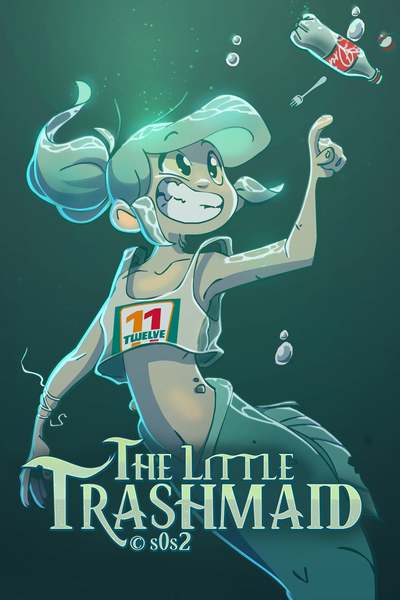
One remarkable example of this approach is the comic The Little Trashmaid by Stephanie Hermes, also known as s0s2. This unique webtoon is the perfect blend of creativity and environmental activism, bringing to light the harsh realities of ocean pollution through the adventures of a cute little mermaid adorned with trash. We had the pleasure of interviewing Stephanie Hermes herself about her webcomic and the topic of ocean conservation.
Thank you so much for joining us, Stephanie! Let’s dive in.
Q. What inspired you to create The Little Trashmaid? Was there a particular experience that sparked this idea?
I always wanted to raise awareness about environmental issues with my art. It has been a very important topic to me since I was a kid. When a friend of mine suggested that I draw a mermaid, I decided to give her a plastic bag top instead of a seashell bra since that felt more realistic. One idea led to the other and that’s how the Trashmaid was born.
Stephanie’s inspiration showcases the importance of connecting creativity to advocacy. The plastic bag top she gave the little mermaid immediately connects the character with the issue of plastic pollution.
Q. Many chapters in the comic have no dialogue. What led you to make this creative decision?
Having no dialogue has the advantage that everyone can read it, no matter the language they speak. The visuals tell the story. It can be very challenging at times to tell a story with just the expressions, gestures and poses of the characters, but I think it’s worth it.
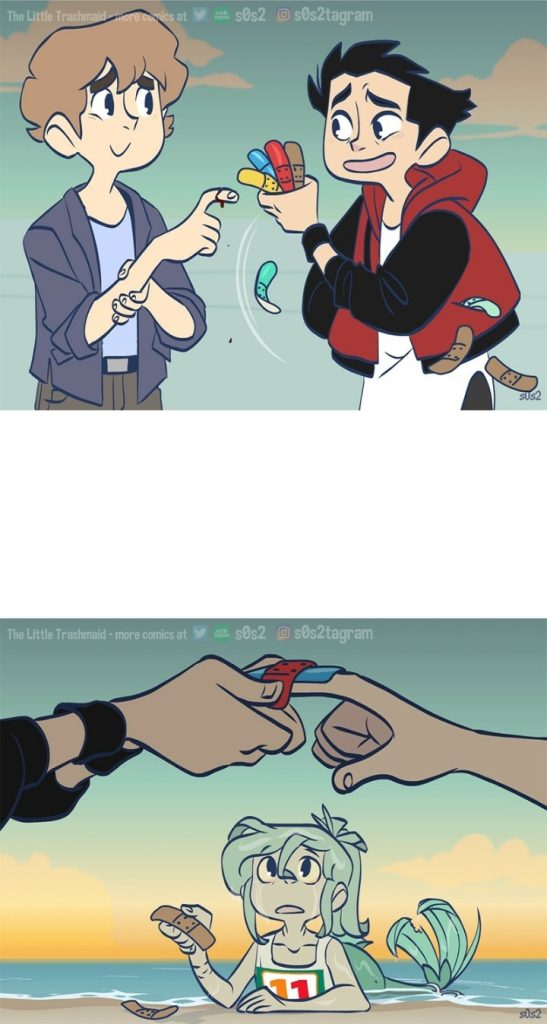
This creative decision makes the webtoon’s message universally understandable and emphasizes the issues of marine pollution without the barrier of language.
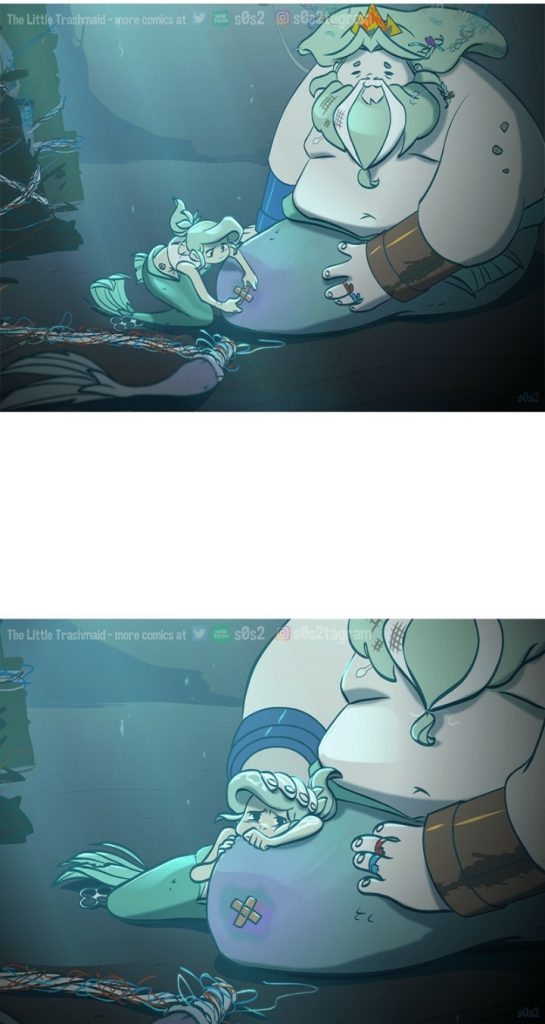
Q. In two particular chapters, the character NEAT has a gas metal ring around his neck, and the king loses his tail due to a fishing net. Was there any specific experience or event that inspired these scenarios with these particular objects?
I’ve watched and read a lot of reports of animals getting caught and injured by trash floating in the ocean and they are just not capable of freeing themselves. “Ghost nets” especially pose a big threat to them. That was the inspiration.
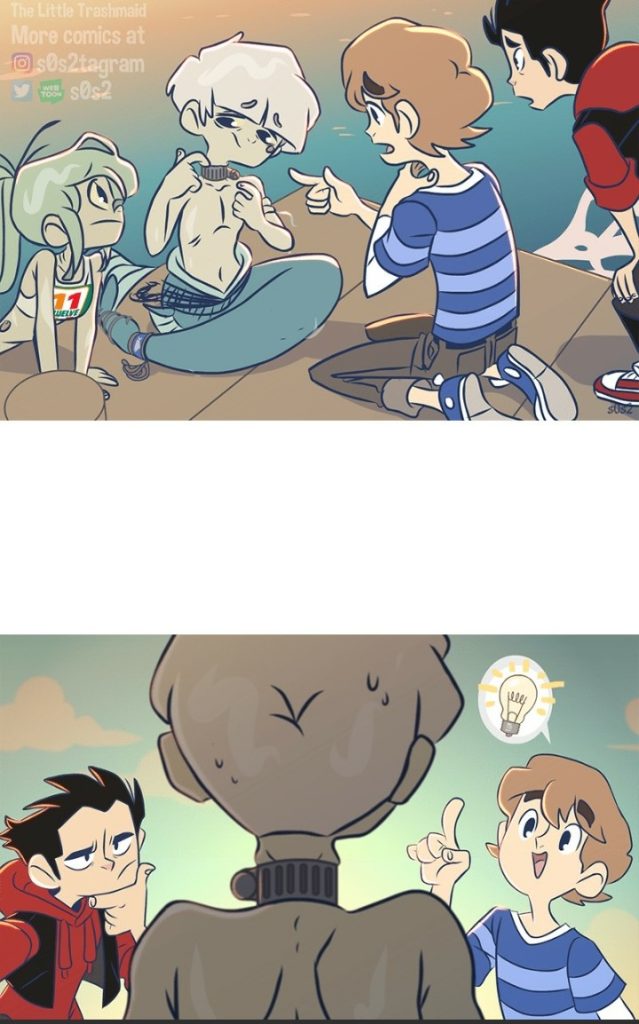
A lot of situations Stephanie’s characters find themselves in highlight actual consequences of ocean pollution on marine life, making these issues tangible and personal for the reader.
Q. What is the main takeaway you want readers to take away from your comic? Is it awareness, a call to action, or something else?
Being more considerate towards nature. Thinking of ways to reduce the trash we produce, and to recycle whenever we can. Showing that we care about these topics so that governments and companies will take more responsibility in these regards.
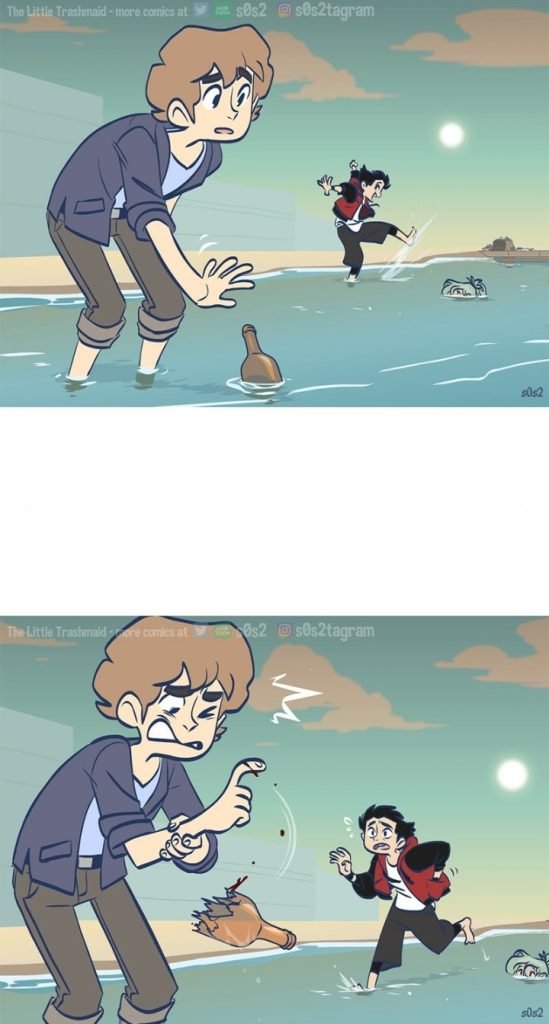
The Little Trashmaid encourages its readers to sympathize with the effects of pollution on marine life and the ocean by fostering a sense of personal responsibility that can lead to systemic change.
Q. Have you ever volunteered or participated in ocean conservation efforts? If so, what do you consider the best way for an individual to contribute to ocean conservation efforts, and why?
As an individual, you can reduce the trash you produce in your daily life, like avoiding single use plastic items. Vote for a party that supports climate change actions and protecting nature.
You can organize clean-ups, plus, sensitize and educate your friends and family about this topic. Even the smallest steps count!
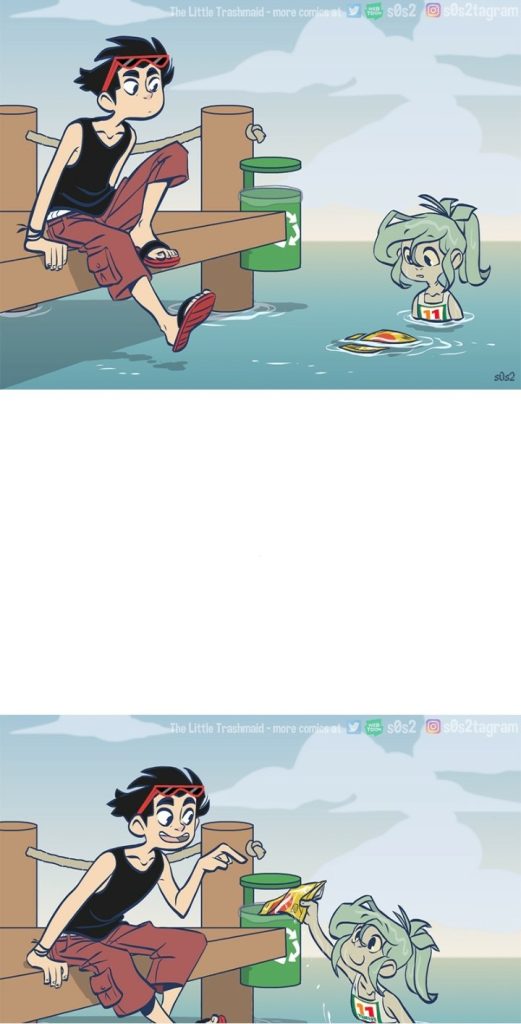
Q. I noticed you promote organizations involved in ocean preservation, such as Team Seas and Coral Reef Gardens. Can you tell us why you chose to partner with these particular organizations, and if there are any others you would recommend for those wanting to help with ocean conservation efforts?
Coral Gardeners replant coral reefs, which are essential for the planet. You can support them by adopting a coral.
The Ocean CleanUp and Oceana are other great ocean conservation organizations that continue to improve and find new ways to clean the ocean.
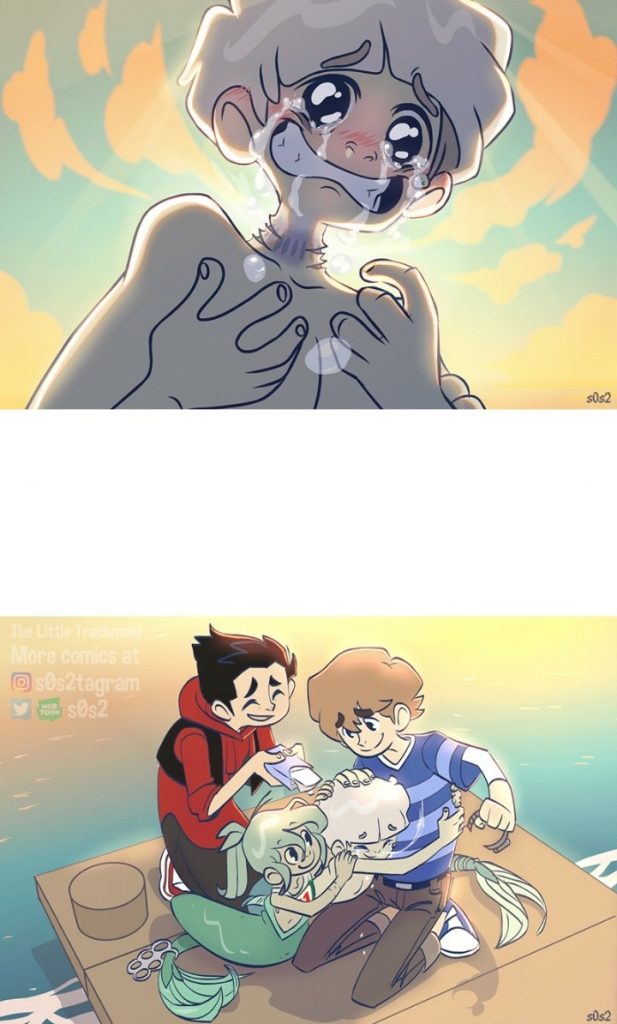
Stephanie often promotes ocean conservation organizations in her social media to encourage her readers to support and donate to a great cause.
Q. Do you have any special plans for The Little Trashmaid moving forward?
The first volume of The Little Trashmaid book was published last year, and the second one is on its way. It will most likely come out at the end of the year. We are also working on a little animation series for YouTube.
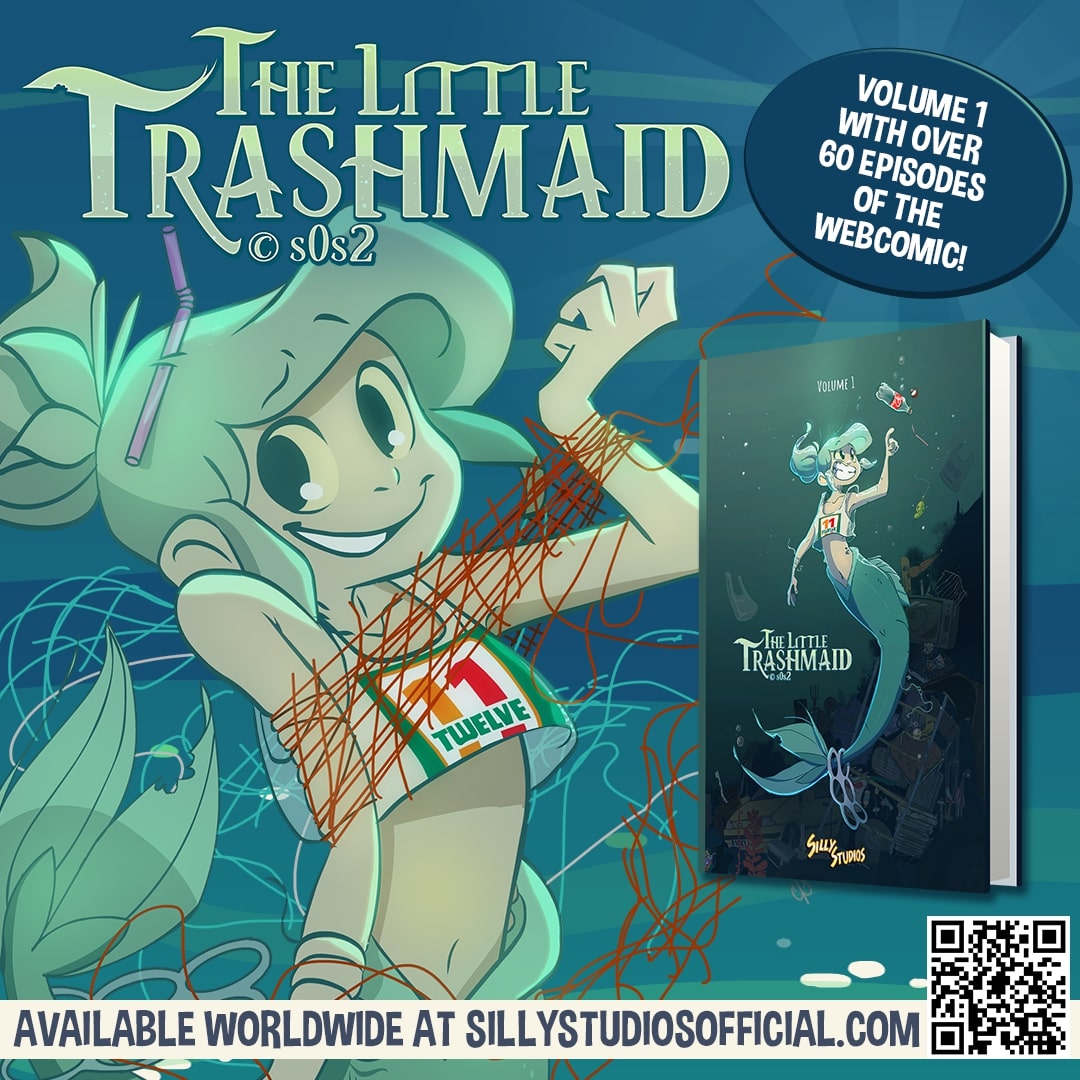
Expanding The Little Trashmaid into different formats allows the message of ocean conservation to gain a wider audience.
It’s About the Message
Ocean pollution has become a major problem for the world, especially since it comes from multiple sources at the same time. Oil spills, runoff, deep sea mining, and plastic pollution all represent major sources of pollution that have greatly affected the marine ecosystem for decades and have only worsened over time. Without proper intervention, these negative effects will eventually come back to affect the human population. Therefore, it is crucial to spread the word and raise awareness about ocean conservation. Through creative initiatives like The Little Trashmaid, we can engage people in understanding the severity of ocean pollution and inspire them to take action in preserving our oceans for future generations. Take action today.
Do you want to know more about the wonders of the ocean? Check out this article.
Find more mermaid stories to add to your TBR list in our Illustrious Comics, Manga, and Graphic Novels on Bookshop!