





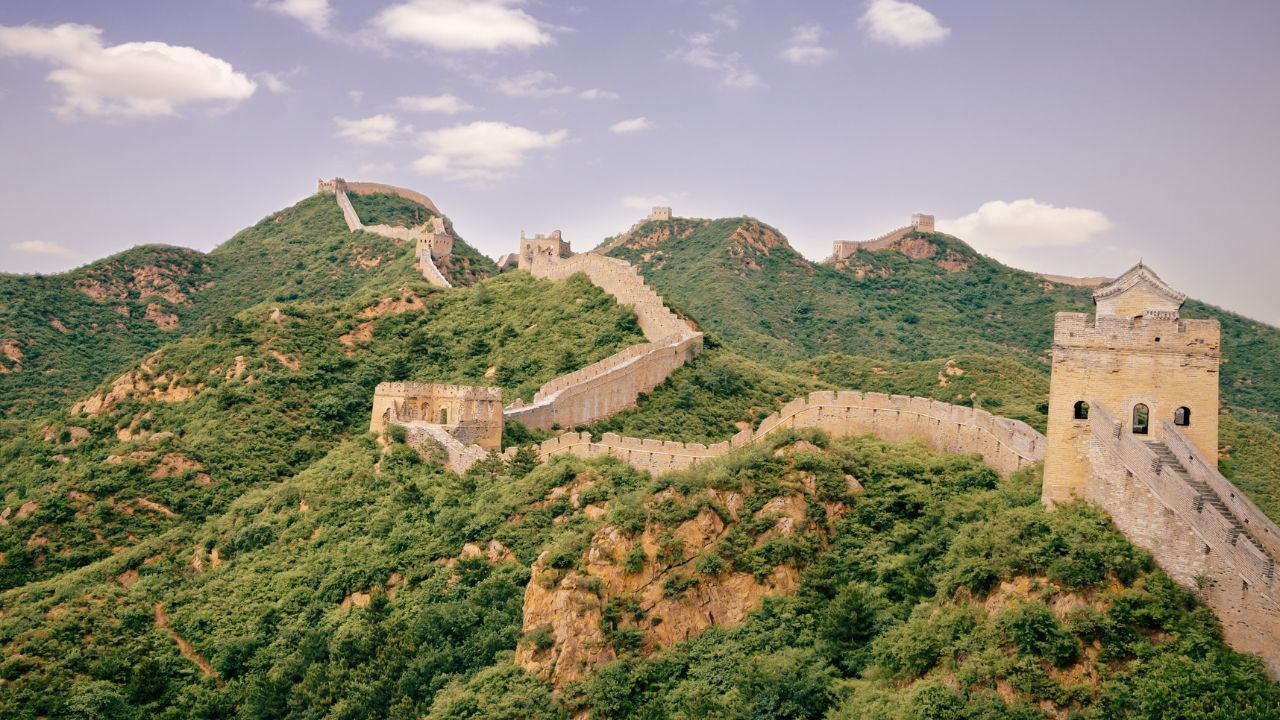
Dive into a rich cultural and intellectual hub of China: Beijing. Whether you are looking for classic Chinese literature to broaden your knowledge or to enjoy more modern picks, Beijing is a city full of famous writers. Now, step into this new city, and let’s begin!
Rickshaw Boy by Lao She
Lao She is one of the most famous 20th-century Chinese novelists. Born in Beijing in 1899, his specialty was satirical novels and short stories. Preferring to be called a storyteller, his works are filled with humor. His most famous novel is Camel Xiangzi (骆驼祥子), or Rickshaw Boy. It was published in 1937 and follows the main character Xiangzi, who makes a living as a rickshaw puller in Beijing.
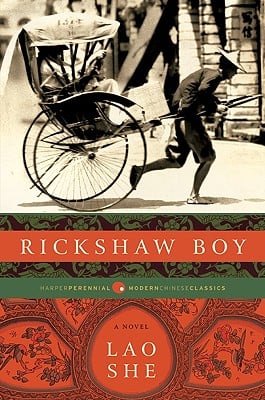
Xiangzi wants to work hard and live an honest life. His goal? To make enough money to buy his own rickshaw one day to become free and independent. However, the story explores the corruption of society in the early 1900s and the despair that befalls hardworking individuals in Beijing at that time. Rickshaw Boy is a political and thought-provoking novel that is the defining story of Lao She’s career.
The Song of Youth by Yang Mo
Yang Mo was born in 1914 to a wealthy Beijing family. Her youngest sister was Yang Bai, renowned as one of the great actresses of China. Yang Mo lived a very politically active life and became revolutionized at a young age. Her life story is remembered in her semi-autobiographical novel The Song of Youth.
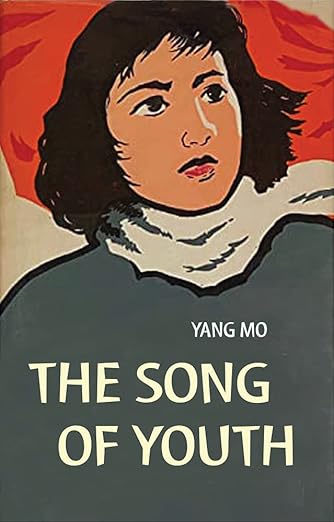
The Song of Youth (青春之歌) was published in 1958. It recounts the 1937 Japanese invasion of China, and a patriotic student movement called the Mukden Incident. The heroine, Lin Daojing, is a high school student who slowly transforms into a revolutionary. The novel follows many different perspectives, from Marxist characters to communists. It is a powerful story that heralds the Chinese Communist Party’s ideas and is a well-loved and thoroughly taught novel in China.
Please Don’t Call Me Human by Wang Shuo
While Wang Shuo was not explicitly born in Beijing, he grew up in an army compound within the area. As part of China’s Cultural Revolution, his Manchu family was sent away to the countryside, leaving him, like many others, as a lone child in the city. Over the years his fame has grown, becoming an influential figure in the 1980s and 90s, and continuing his genre of “hooligan literature.” His style is full of a Beijing flair and includes satirical comments about the Chinese regime.
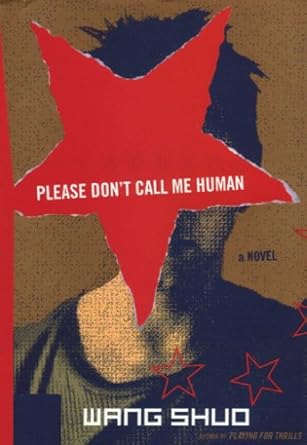
Published in 2000, Please Don’t Call Me Human is a novel that uses Wang’s cynical style to reimagine the Olympic Games: instead of a contest built on athleticism, his fictional version is one based on its participants’ humiliation. It is deemed akin to a political cartoon in its critique of China and is banned in the country as a result. Controversial, stewed in Beijing culture, and enlightening, Please Don’t Call Me Human is a staple of satirical Chinese novels.
If You Could See the Sun by Ann Liang
A modern face in the crowd of Beijing literature is Ann Liang. She was born in Beijing and resides in Melbourne, giving her a dual Chinese-Australian identity. Her style focuses on individual growth and identity but within the young adult realm. She has become critically acclaimed and an international bestseller.
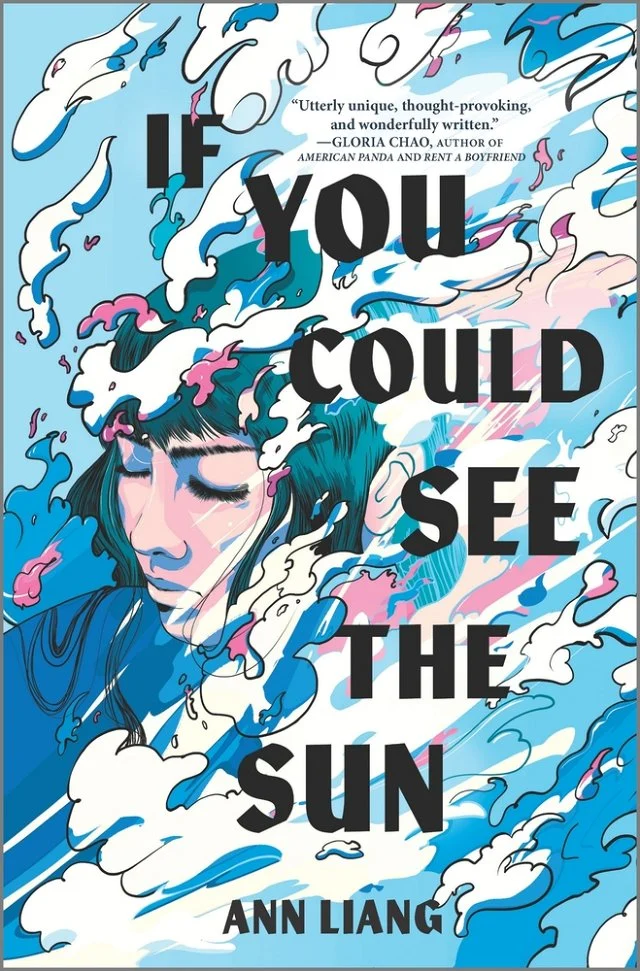
Her YA fantasy If You Could See the Sun follows Alice Sun, a scholarship student at an elite Beijing international boarding school. Among the incredibly wealthy, she can’t help but always feel invisible. But while trying to excel at her studies to hopefully lift her family out of poverty, and drowning in the weight of tuition even with the scholarship, she becomes literally invisible. A blessing in disguise, her new power opens up an entirely new world of secrets — if she’s skilled enough to navigate the scandals.
The capital Beijing is a place stewed with rich history and culture. Whether you want one of the classic reads or something new, these authors have got you covered as they contribute to the deep well of important Chinese literature. That’s it for this week, travel safe!
Looking for more of our global recommendations? Check out our installment on Berlin here!
For even more classic recommendations, check out our bookshelf here.