


















Despite the passage of centuries, many of the themes explored in the novel such as sin, guilt, and the struggle for redemption, remain relevant today. As we revisit The Scarlet Letter, we can see that while the specific context may have changed, the underlying issues of moral judgment and societal pressure continue to resonate in our modern world.

Sin
Sin is a central theme that drives the narrative and shapes the characters’ lives. Hester Prynne’s sin of adultery is the catalyst for the story, leading to her public humiliation and the imposition of the scarlet letter “A” on her chest. This symbol of her sin becomes a constant reminder of her transgression and society’s harsh judgment.
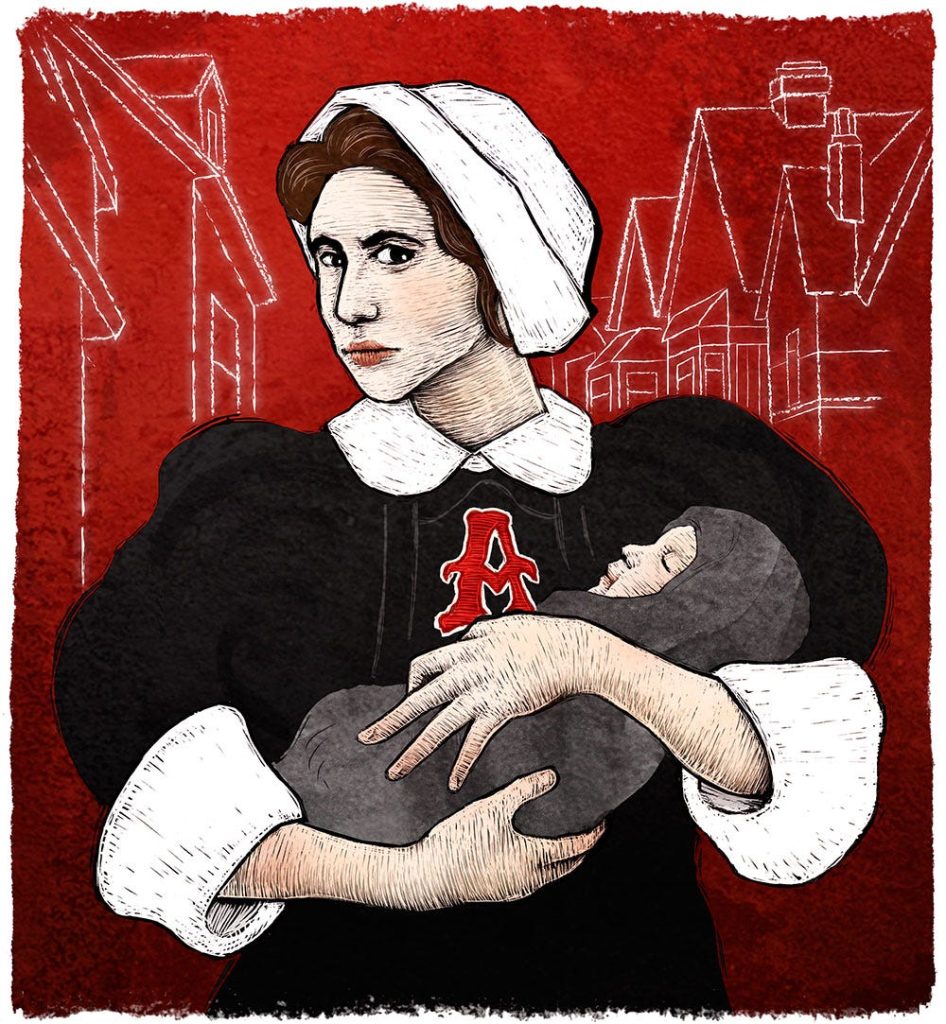
In the present day, people still face public scrutiny and personal guilt for their actions, much like Hester Prynne did. Modern society continues to grapple with issues of shame and forgiveness, making Hawthorne’s exploration of sin timeless. This story reminds us that while societal norms may change, the human experience of dealing with sin and its repercussions remains constant.

Crime and Punishment by Fyodor Dostoevsky is a stellar novel that explores the themes of sin much like The Scarlet Letter. In this novel, the protagonist commits a crime and wrestles with intense guilt and moral dilemmas. The novel dives into the psychological torment and eventual search for redemption, highlighting how sin affects individuals internally and externally, as well as the possibility of redemption.
Guilt
The theme of guilt in The Scarlet Letter is still very relevant today. Arthur Dimmesdale, the minister who commits adultery with Hester Prynne does not confess his sin publicly which consumes him. His guilt manifests in severe physical and psychological torment and ultimately leads to his deteriorating health and tragic end.

People today experience guilt over their actions, whether due to personal mistakes, moral failings, or societal pressures. Just like Arthur Dimmesdale, individuals often struggle internally with their guilt, which can affect their mental and physical health. The way society judges and shames people for their perceived wrongdoings can exacerbate these feelings of immense guilt.

Another novel that shares the theme of intense guilt is The Kite Runner by Khaled Hosseini. In this novel, the protagonist experiences deep guilt that haunts him throughout his life over betraying his childhood friend. Like The Scarlet Letter, The Kite Runner explores how guilt can shape a person’s identity and the lengths one might go to seek forgiveness.
Redemption
After being publicly ridiculed, Hester Prynne chooses to stay in the Puritan community and gradually earns back some respect through her good deeds. She becomes a selfless caregiver, helping the sick and the poor, and her charitable action leads the townspeople to reinterpret the meaning of the scarlet letter “A” on her chest from “adultress” to “able.” Hester’s transformation from being viewed as a sinner to a valued member of the community exemplifies the theme of redemption.

Individuals who have wronged others might engage in acts of kindness, community service, or personal growth to atone for their actions. Similar to Hester Prynne, who transforms her life and becomes a symbol of strength, people today can find ways to redeem themselves and rebuild their reputations. This process of seeking redemption and striving to become better humans is a universal aspect of life.

Tess of the d’Urbervilles by Thomas Hardy is very similar to The Scarlet Letter as its protagonist faces severe judgment after being seduced and abandoned. Despite her attempts to start anew, society continues to judge harshly as she grapples with her feelings of guilt and her desire for redemption.
The protagonist’s journey highlights the harsh realities faced by women who were judged and marginalized for their perceived sins. Her story, much like Hester Prynnes, highlights the themes of sin, guilt and redemption in a society that is quick to condemn and slow to forgive.
The Parallels To Modern-Day Issues
The struggles faced by Hester Prynne are still relevant today, reflecting modern issues of societal judgment, gender inequality, and the harsh consequences of public shaming. In modern-day, social media can amplify public shaming, where individuals are quickly judged and condemned by a wide audience. This can lead to severe emotional and psychological consequences, similar to what Hester experienced.
The Scarlet Letter reminds us of the importance of compassion, understanding, and the need to challenge societal norms that unfairly judge and marginalize individuals. This novel encourages us to reflect on how we treat others and the impact of our judgments.
To start exploring stories centered around womanhood, click here
To find more stories that critique societal norms, click here