

















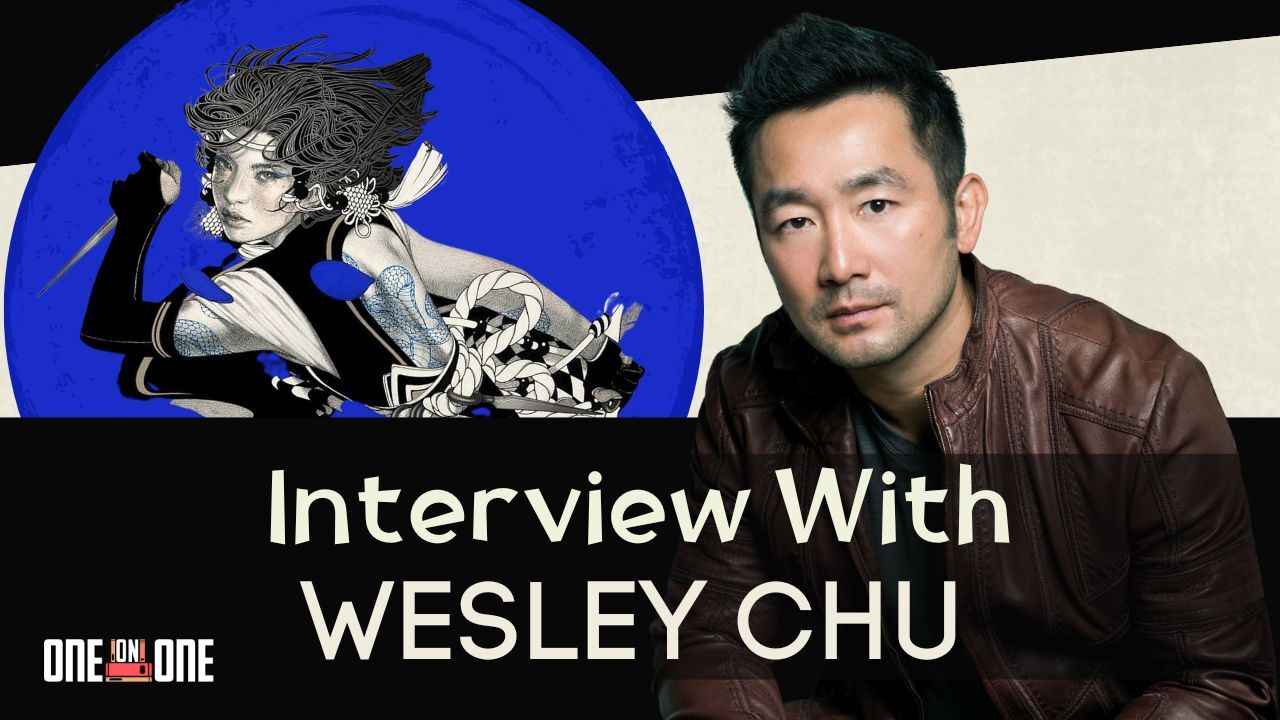
Nothing compares to escaping into the depths of a fantasy world for the first time. The genre took the bookish community by storm, and over time, authors revolutionized it by putting their own spin on these magical narratives. The brilliant author Wesley Chu’s approach to writing fantasy throughout his acclaimed The War Arts Saga is rooted in wuxia, a genre of Chinese fiction featuring warriors with borderline supernatural martial arts skills set in ancient China.
As the saying goes: When one door closes, another door opens. In this exclusive interview, we dive into the recently released The Art of Legend, which is the highly anticipated concluding book of his trilogy, and discuss whispers of a new beginning as Sony Pictures plans to adapt the trilogy into an animated series. Read on to discover what you can expect from Wesley Chu in the future and his breakdown of the past few years spent immersing himself in the crafting of The War Arts Saga.
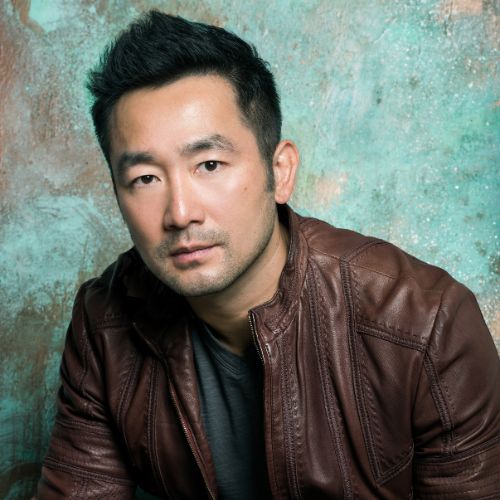
About Wesley Chu
Wesley Chu is the #1 New York Times bestselling author of fourteen novels, including The Art of Prophecy, Time Salvager, The Rise of Io, and The Walking Dead: Typhoon. He won the Astounding Award for Best New Writer, and his debut, The Lives of Tao, won the Young Adult Library Services Association’s Alex Award. An accomplished martial artist and a former member of the Screen Actors Guild, Chu has acted in film and television, worked as a model and stuntman, and summited Kilimanjaro. Wesley Chu lives in Los Angeles with his two boys, Hunter and River.
Thank you, Wesley. Let’s get started.
You’ve said in an interview with Penguin Random House that this story was the reason you wanted to become a writer and that you held the idea for it in your head for 15 years before “putting pen to paper,” so finishing it must have been quite special. How did you feel once the final chapter of your series was completed?
Hi, thanks for having me! The answer, to be perfectly honest, is relief. Part of it is because the story of The War Arts Saga has encapsulated the past five years of my career. I lived and breathed this massive story of over 800,000 words spanning almost a decade for these characters. Big series are exhausting, so on one hand, it was incredibly fulfilling to have finished telling these characters’ stories. Now I can tell new and fresh stories.

On the other hand, I learned English by watching badly dubbed martial arts movies back when I first immigrated to the United States. The War Arts Saga is the culmination of a lifelong dream to write a wuxia-inspired book. Eight-year-old Wes would have really loved this story.
How much of the trilogy did you have planned out when you started writing it? Were there any plot points that surprised you when you wrote them?
I am primarily a heavy plotter. I write an extensive outline before putting pen to paper. When it comes to new projects, however, I like to spend a fair amount of pages roaming freely and sometimes aimlessly in the weeds.
Honestly, though, everything about this story surprised me. The only idea I carried into this story was the broken prophecy and the Grass Sea with the giant land masses floating on a bed of ocean — everything else I organically discovered.
One of the things I enjoyed immensely about writing this story was the surprises that came with exploring these characters’ adventures. Every one of them surprised me in some cool but also frustrating ways. You could say I had a destiny planned for them, and each of them was like, “nah, I’m going to do my own thing instead.”
If you could interact with any of your characters at any point in the trilogy, who would it be and when?
I am way too much of a wet noodle to survive in the world of The War Arts Saga. Taishi would chew me up and kick my ass. Saliminde would consider me soft and also probably kick my ass. Qisami would probably just skip the ass kicking and stab me. Jian, I would probably get along with him, mainly because there’s a lot of me in him. However, I’d probably want to kick his ass after spending more than a few hours with him.
So, no. I love each and every one of them immensely, but like a stern parent, I love them, but that doesn’t mean I actually like them.
When fusing the genres of wuxia and fantasy, was there a balancing act, or did it come naturally?
Wuxia, by its very nature, is an Asian subgenre of fantasy. The difference isn’t so much the supernatural aspects of the fighting, but the flavor of the magic in this world.
The main difference between a wuxia tale and traditional Western fantasy lies in their structure and nuance. Western storytelling relies heavily upon the hero’s journey, usually with a main protagonist, an active and reactionary narrative, and a happy ending.
Asian-inspired storytelling is often more communal, with a heavier emphasis on group dynamics and shared values. Their endings tend to be more ambiguous. Watch any Hong Kong gangster flick and you’ll see that the endings are often morally gray.
I enjoy playing with aspects of both storytelling dynamics.
Are there any fun behind-the-scenes facts about The Art of Legend or the previous two books in the trilogy that may surprise your readers to know?
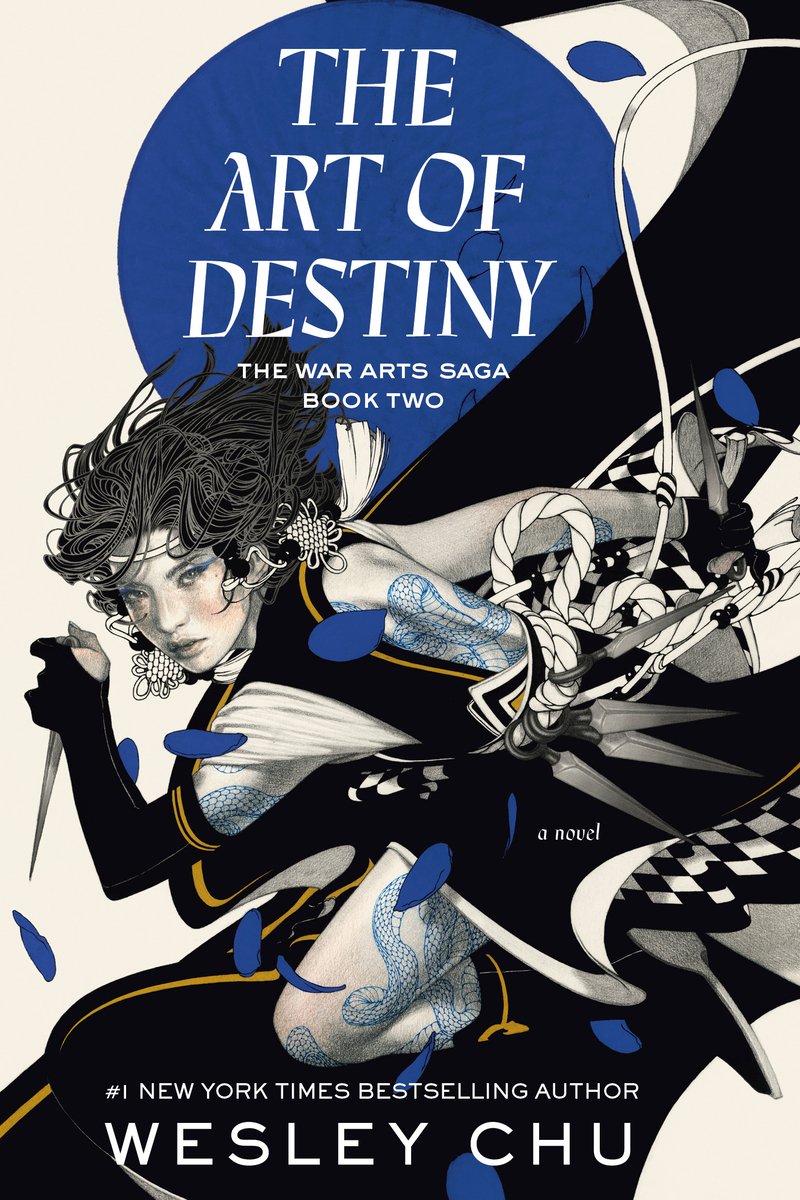
I trained in Kung Fu for a long time. One of the weapons that many readers bring up is Salminde’s tongue, which is a whip-like weapon with a spearhead attached to its end that can stiffen the shaft into a long spear.
This weapon is based on two traditional Kung-Fu weapons: the spear and the rope dart. The rope dart was my speciality. Fun fact: Scorpion from the original Mortal Kombat taught me that weapon. The rope dart is the spear he throws when he yells, “Get over here!”
Is there something from the experience of crafting The War Arts Saga story that you feel will stick with you personally? What do you hope sticks with your readers once they’ve finished reading The Art of Legend?
I’m known for my humor and action in my books. I’ve never had to unleash my full freak-on in my previous books, until now. I hope readers enjoy the full-on Wes experience now that I took the railings off for this series.
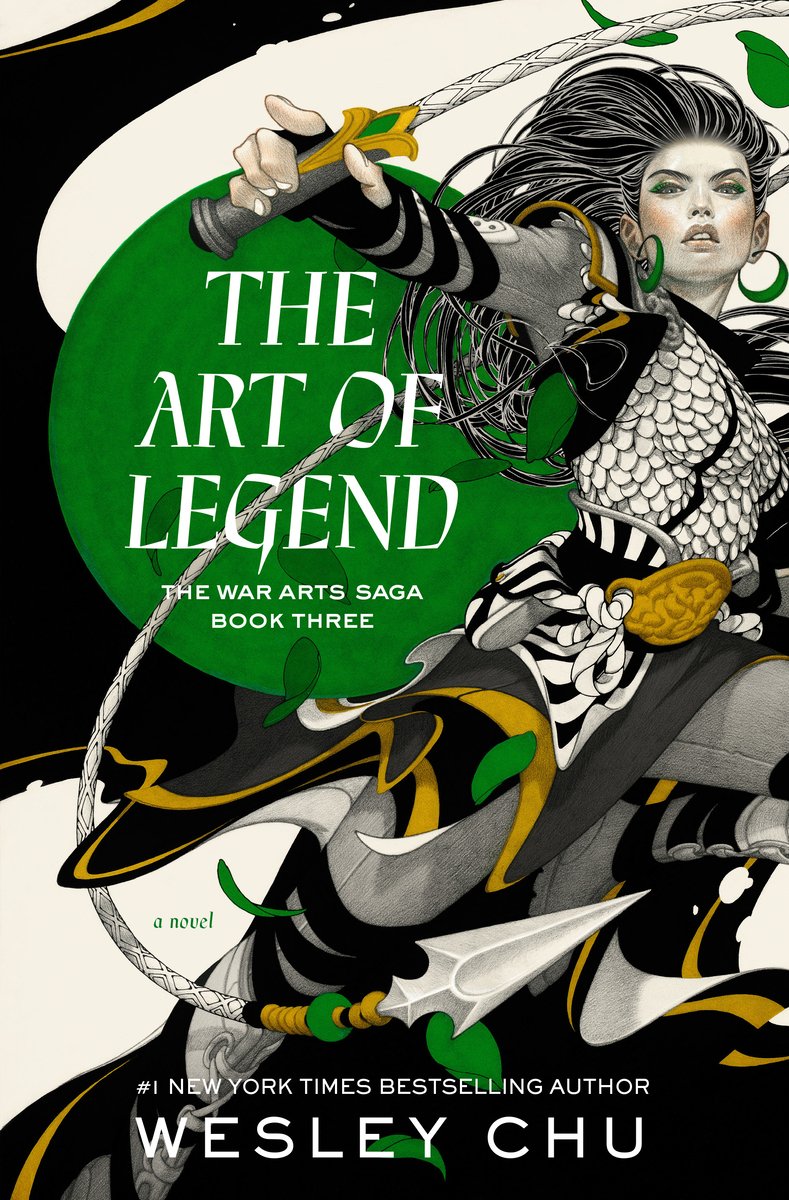
Another aspect of The War Arts Saga I hope they enjoy is the idea of destiny, fate, and free will. This was a concept I deeply explored in this series. I have a mantra I go by: I am responsible for everything around me, even if I am not at fault. I hope readers walk away after finishing The Art of Legend thinking about all the choices they get to make around their own lives and how they really have much more control over their own circumstances than they believe.
What are your hopes for Sony Pictures’ animated adaptation of The War Arts Saga?
Okay, gather around. I’m going to tell you a story about the very first time one of my books was optioned for a movie. My novel, Time Salvager, had been optioned by one of the large studios. A huge director was attached.
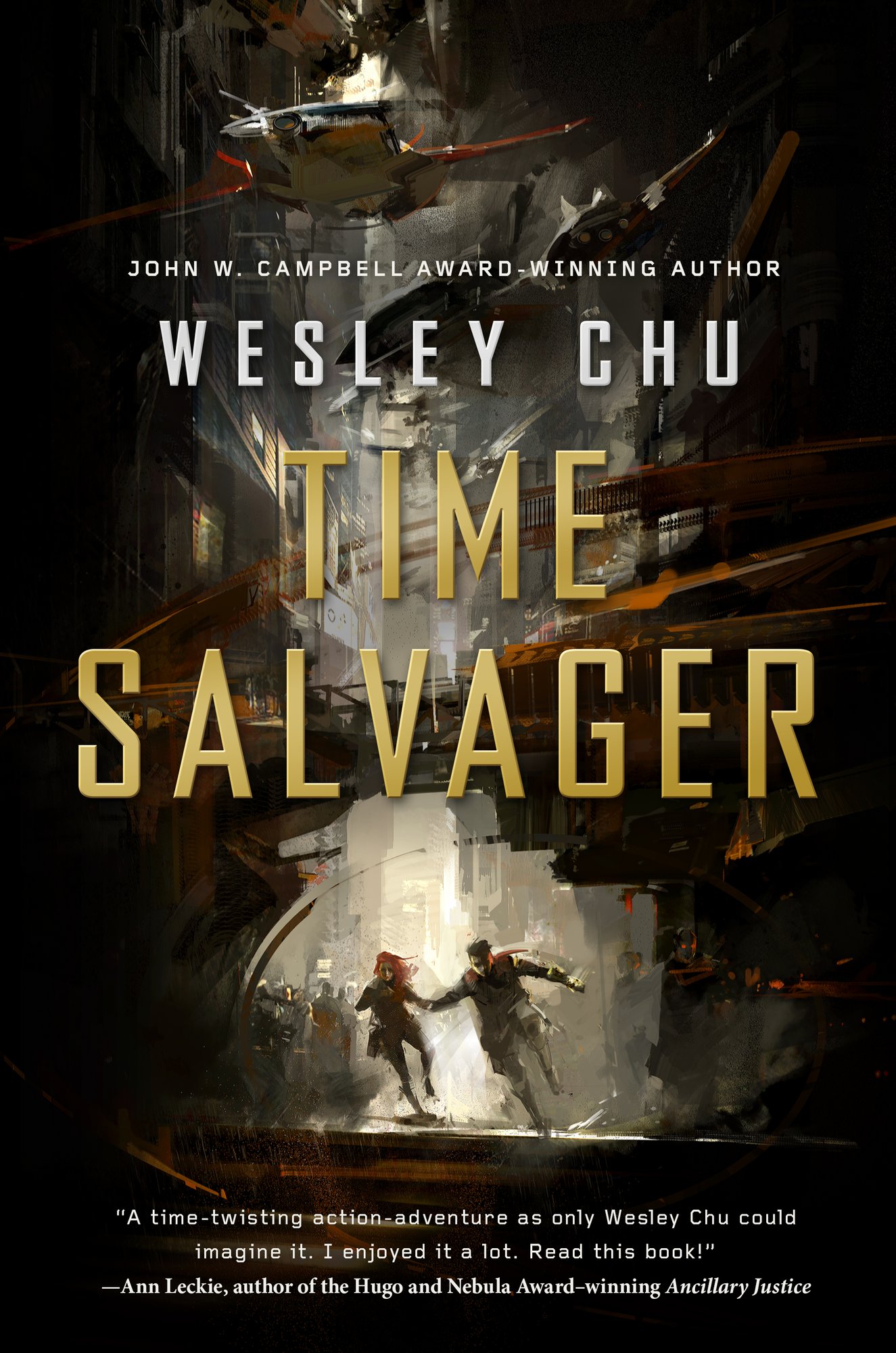
In my amateur exuberance, I wrote a blog post about it, which, of course, due to the huge director, got picked up by every Hollywood media: Variety, Deadline, Hollywood Reporter, etc. Later that day, I got a phone call from my manager (whom I love!). She told me diplomatically in a few words to shut the f*** up.
The moral of the story is, when it comes to the film industry, there is nothing until there is something. Until then, shut the f*** up. And if there actually is something worth saying publicly, let the publicists do it!
What are three books or series you would recommend to your readers who are discovering wuxia for the first time through this trilogy?
I’m going to cheat a little bit. My inspiration for wuxia comes from the old Kung Fu movies from the 1970s and 1980s, before the use of CGI, when wire-fu was used to create the special effects. So, for fans who enjoyed The War Arts Saga and are interested in really seeing great wuxia, I’m going to cheat and offer up three movies that really molded my passion for the genre. Check out:
Once Upon a Time in China 2 (There are four movies, but the second is the best!)
The Legend of the Drunken Master
Kung Fu Hustle (Not really Wuxia but my favorite among the bunch!)
Shaolin Soccer
Fist of Legend
The Legend of Fong Sai Yuk
Iron Monkey
Okay, I couldn’t narrow it to three, but trust me on these. You can’t go wrong!
Finally, what’s next for you now that you’ve finished The War Arts Saga?
Many writers have hundreds of book ideas ready to go. When it comes time to work on a new project, they can just reach out and pluck a story from that idea tree, and then they’re off to the races. I, unfortunately, am not one of those blessed beings.
I have only one or two ideas at a time, tops. The War Arts Saga sat with me for a good five years before I decided to tackle this story. It wasn’t until I had hit the NYT list and finished the Shadowhunters and Walking Dead books that I felt I was finally ready to tell this tale.
At this moment, I have an idea that I’m clinging to that won’t go away. It’s like a festering wound, so I think this will be my next book. It is a deeply personal book for me, and I have no idea how to go about writing it. However, in the Thunderdome of story ideas, this is the only one standing the test of time, so I’m locking and loading it in the queue.
Thank you to Wesley for shining a spotlight on wuxia and for giving us a glimpse into the writing process. Be sure to follow his Instagram, Twitter (X), TikTok, Bluesky, and Facebook. For more information and the latest updates, check out Wesley’s website here. Don’t miss out: add The War Arts Saga to the top of your TBR!
Interested in gaining insight into the experiences of more Asian authors writing fantasy works? Check out Bookstr’s interview with K.X. Song here.
Check out The War Arts Saga and other high fantasy recommendations from the Bookstr team on Bookshop.
