

















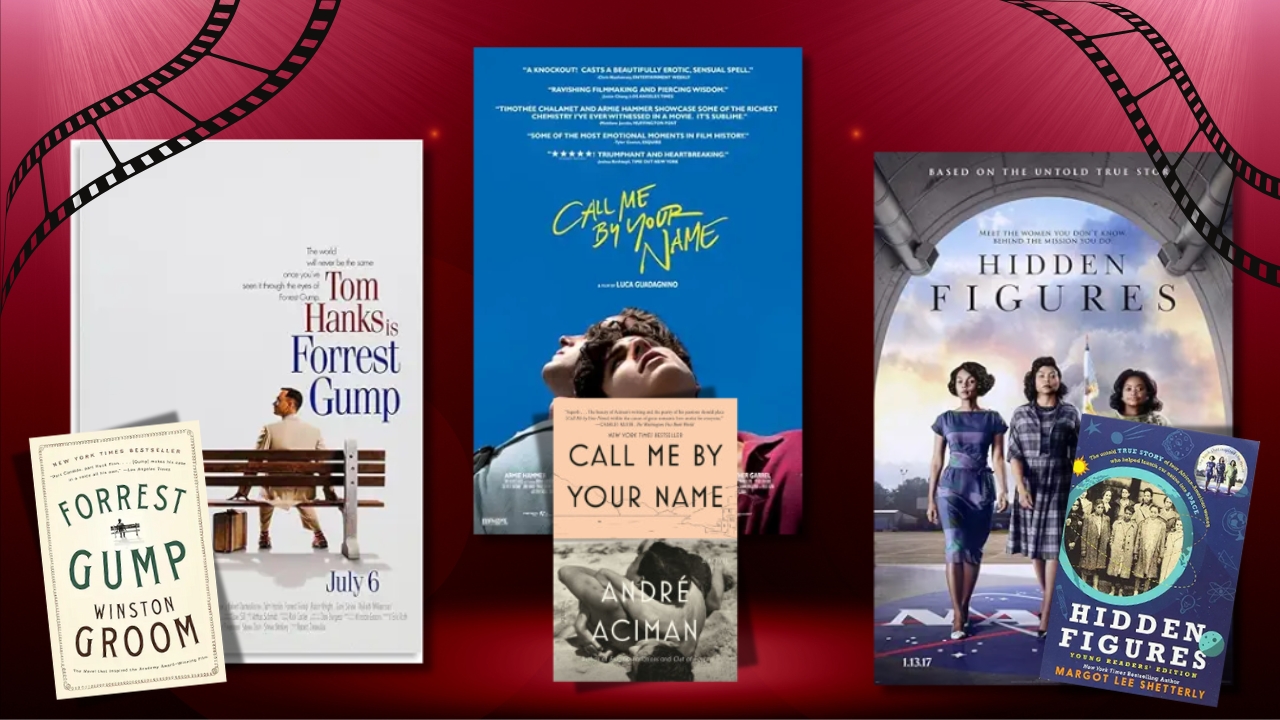
There’s a unique thrill in watching a book you love jump from the page and onto the screen. Sometimes it’s the joy of recognizing a favorite scene perfectly recreated. At other times, it’s realizing a story has grown bigger than the page, sparking conversations and shifting culture.
The most influential adaptations don’t just translate a book; they transform it. They give us fresh perspectives, amplify diverse voices, and remind us that storytelling is for everyone.
So, let’s dive into 10 of the most influential book-to-movie adaptations that changed the way we see ourselves, each other, and the power of a good story.
Trigger Warnings: Some of the books and films discussed include sensitive themes such as racism, police violence, slavery, trauma, and abuse. Please check the individual book or film trigger warnings for more details.
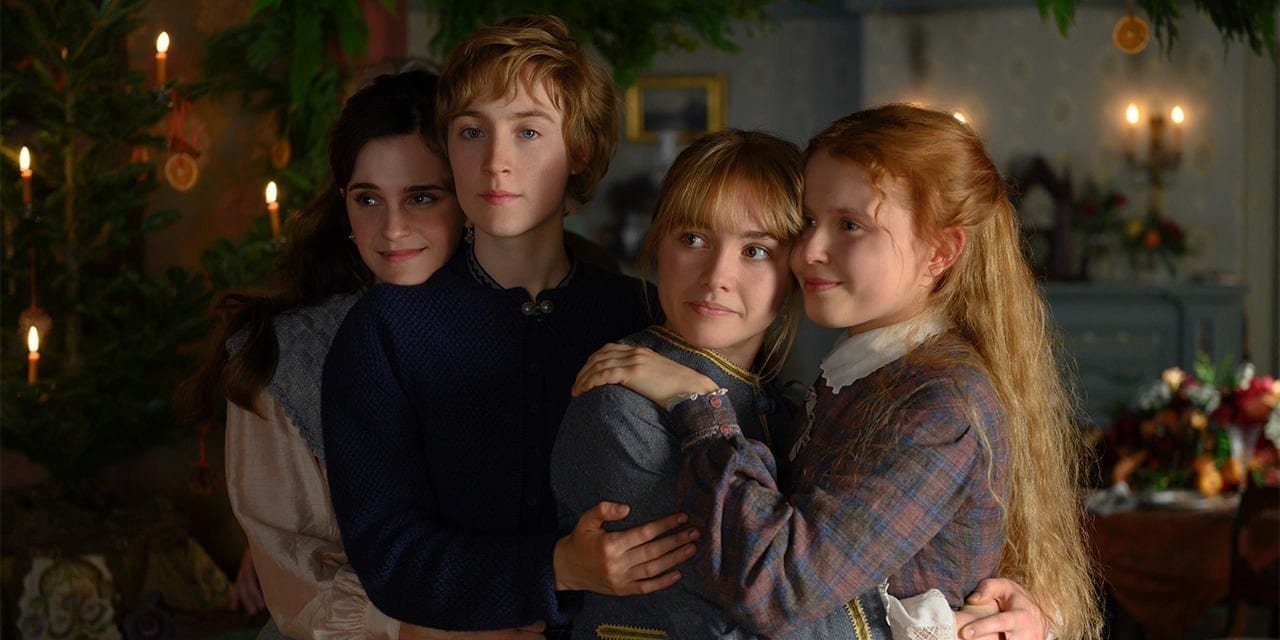
Little Women
When Louisa May Alcott first published Little Women in 1868, she gave the world the unforgettable March sisters, Meg, Jo, Beth, and Amy, navigating love, ambition, and sisterhood in Civil War–era New England.

Greta Gerwig’s 2019 adaptation retained the heart of Alcott’s classic while reimagining its structure. By intertwining past and present, Gerwig highlighted Jo’s story not just as a narrative of independence but as a commentary on authorship and women defining their own futures. With Saoirse Ronan, Florence Pugh, and Timothée Chalamet leading the cast, the film became a cultural event, proving that even the most well-known classics can feel entirely new when told through a fresh lens.
The Hate U Give
Trigger Warnings: Both the book and the movie contain themes of police violence, racism, and death.
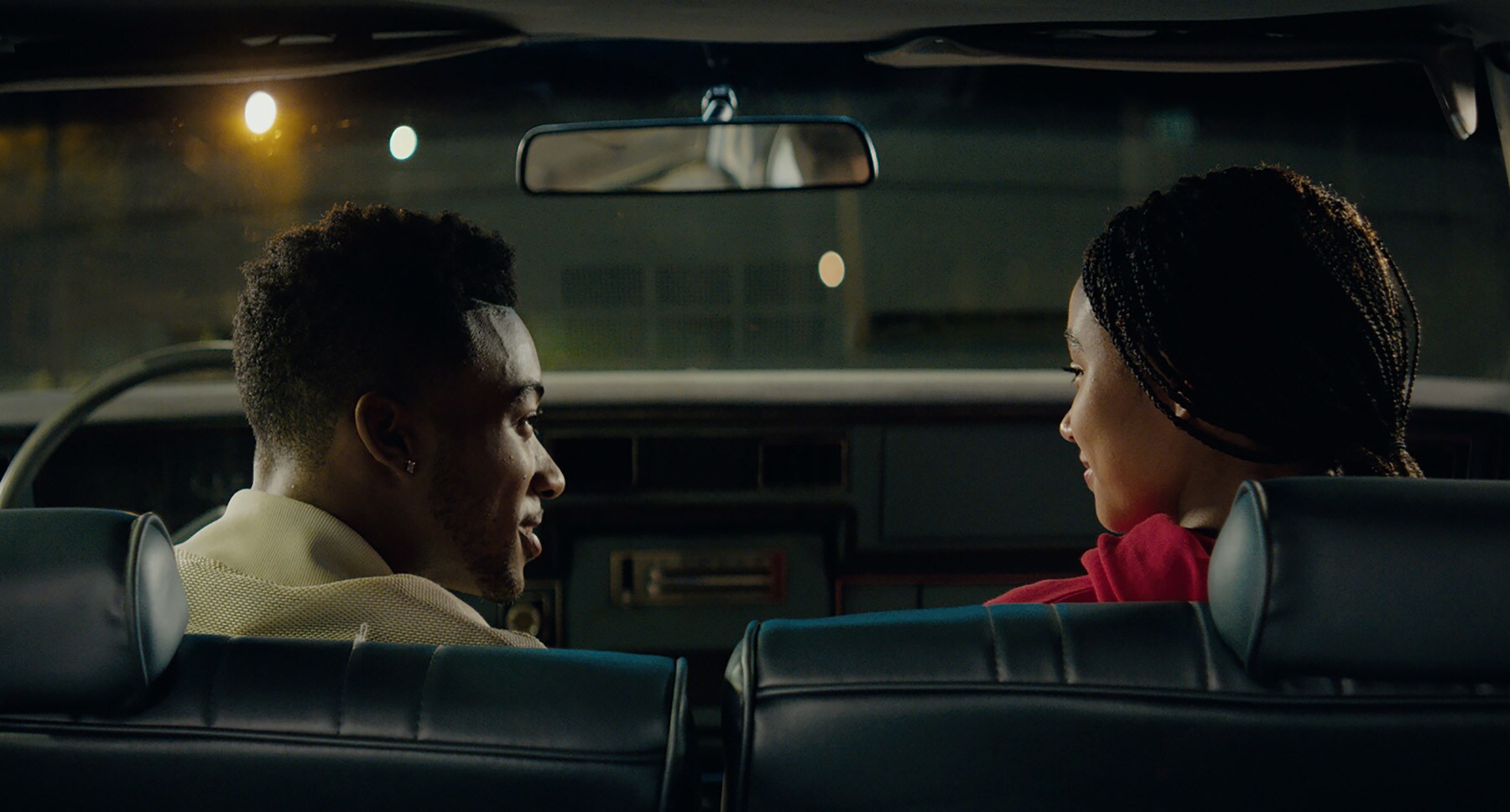
Angie Thomas’s bestselling 2017 novel The Hate U Give follows Starr Carter, a Black teenager who witnesses her friend’s death at the hands of police. Through Starr’s story, Thomas examines systemic racism, identity, and the courage it takes to speak out, making the book a keystone of contemporary YA literature.

Director George Tillman Jr.’s 2018 film adaptation, starring Amandla Stenberg, brought Starr’s voice to life with pressing urgency. By pairing the novel’s intimate perspective with the visual power of film, the story became a focal point for conversations about racial injustice and the role of young people in demanding change.
Beloved
Trigger warnings: Both the book and the movie contain themes of slavery, trauma, infanticide, and haunting.
Toni Morrison’s Pulitzer Prize–winning novel, Beloved (1987), tells the story of Sethe, an escaped enslaved woman haunted by both her past and the ghost of her deceased child. Morrison’s poetic, nonlinear narration explores the legacy of generational trauma and the struggle for freedom and identity in the aftermath of slavery.

Jonathan Demme’s 1998 film, starring Oprah Winfrey, Danny Glover, and Thandie Newton, brought this tormented tale to the screen with ambition. It was groundbreaking in its attempt to visualize Morrison’s determined vision, and it remains significant for opening the door to more adaptations of Black literary classics with the seriousness they deserve.

Pride and Prejudice
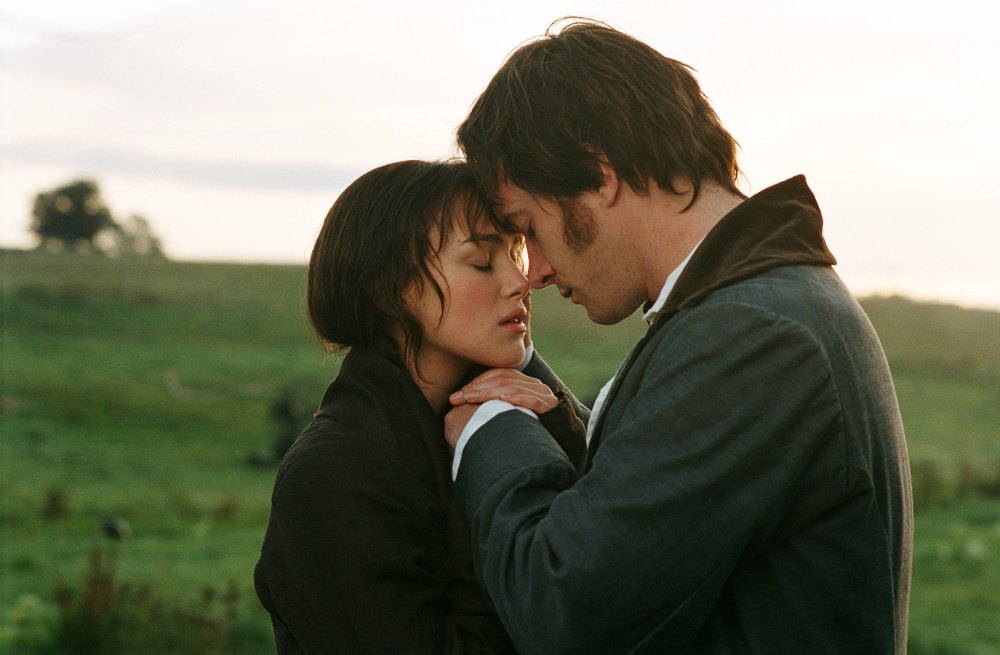
Jane Austen’s Pride and Prejudice (1813) has endured for centuries thanks to its sharp social commentary and the irresistible romance between Elizabeth Bennet and Mr. Darcy.

Joe Wright’s 2005 adaptation, starring Keira Knightley and Matthew Macfadyen, revitalized Austen for a new generation. Its naturalistic style, grand cinematography, and emotionally charged performances gave the story a modern relevance while staying true to the novel’s spirit. The film became especially influential for bringing period drama into mainstream pop culture, turning even a single hand flex into an internet phenomenon, and proving that Austen’s themes of love, pride, and self-discovery are as compelling today as they were two hundred years ago.
Forrest Gump
Trigger warnings: Both the book and movie contain themes of drug use/abuse, illness, war violence, trauma, child abuse, and bullying.
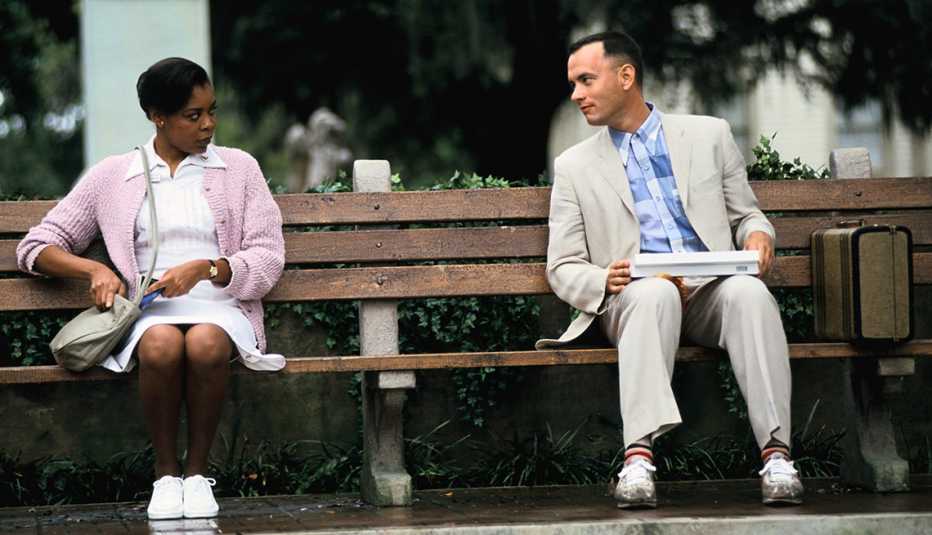
Winston Groom’s 1986 novel, Forrest Gump, is a satirical, episodic tale of a man with a low IQ who unwittingly finds himself at the center of significant historical events. Funny, perceptive, and a little absurd, the book became a cult favorite.

Robert Zemeckis’s 1994 film transformed that satire into a monumental, heartfelt drama starring Tom Hanks. The movie softened Groom’s rougher edges and leaned into Forrest’s sincerity, turning him into an emblem of kindness and perseverance. Winning six Oscars, including Best Picture, Forrest Gump became a cultural phenomenon, embedding lines like “Life is like a box of chocolates” into everyday conversation.
The Social Network
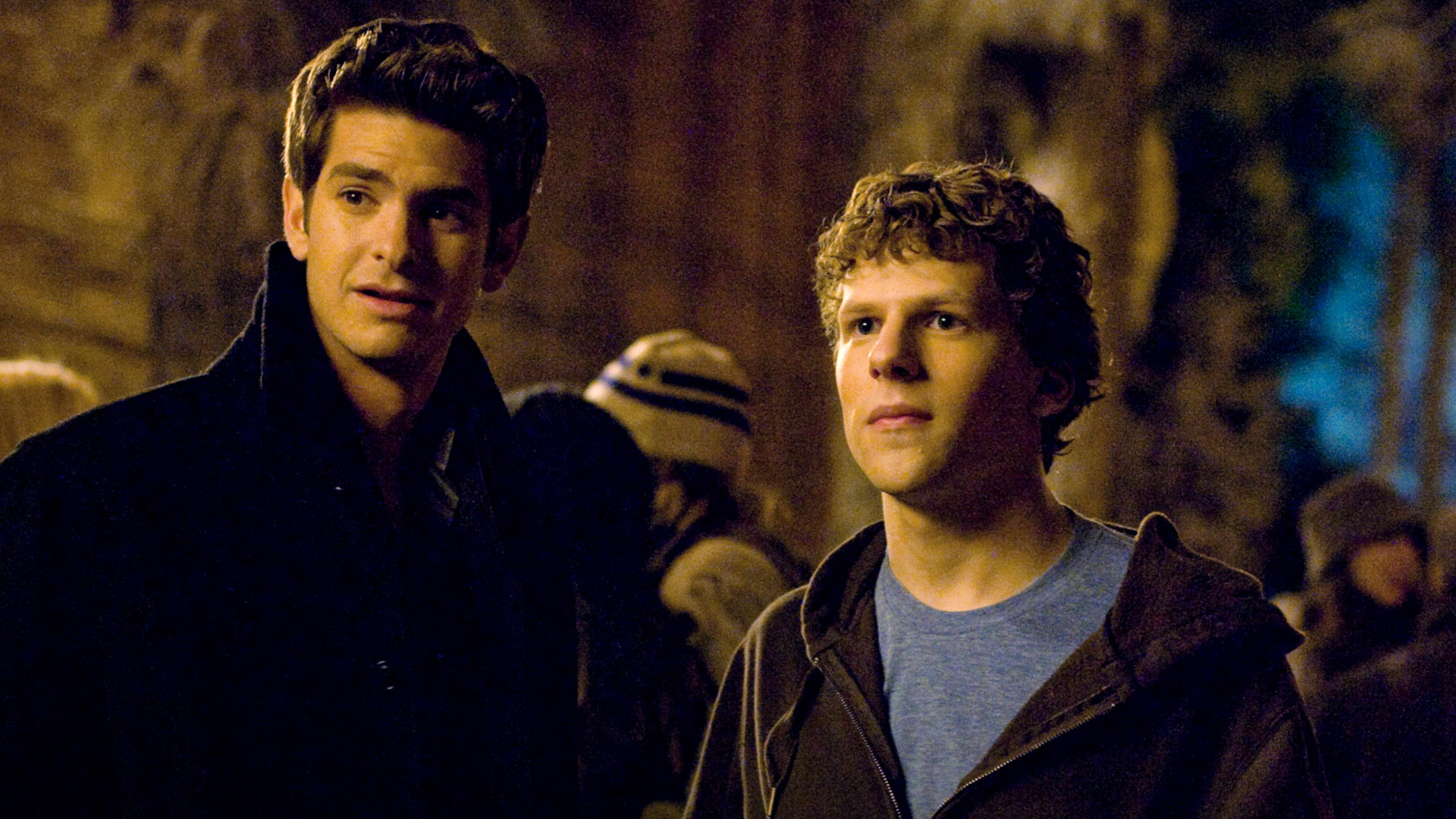
Ben Mezrich’s The Accidental Billionaires (2009) narrated the messy, ego-driven creation of Facebook. The book captured ambition, betrayal, and the intoxicating rise of Silicon Valley power.

David Fincher’s 2010 film, with Aaron Sorkin’s sharp, fast-paced script, turned the story into a modern tragedy about friendship and greed. Jesse Eisenberg’s Mark Zuckerberg became the face of a generation’s unease with technology, ambition, and isolation. The film’s influence stems from its ability to reframe a tech success story into a cautionary tale, thereby cementing its place as one of the defining films of the digital age.
Crazy Rich Asians
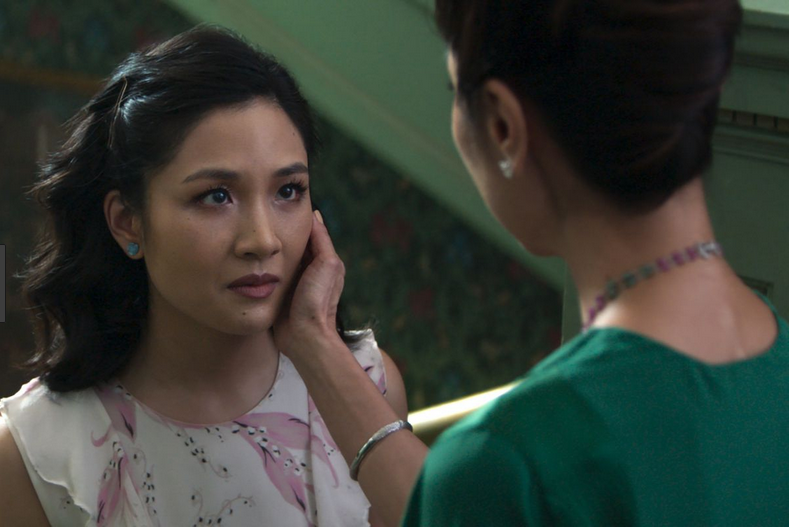
Kevin Kwan’s 2013 novel, Crazy Rich Asians, was an extravagant and hilarious peek into Singapore’s ultra-wealthy elite, blending romance, satire, and family drama. It was a romance layered with sharp social commentary and plenty of breathtaking luxury.

Jon M. Chu’s 2018 adaptation became a global cultural phenomenon. As the first Hollywood blockbuster in 25 years with an all-Asian cast, it wasn’t just a romantic comedy; it was a landmark for representation. Constance Wu and Henry Golding gave us a love story to root for, while Michelle Yeoh delivered one of the most intimidating mother-in-law performances ever. Its success shifted Hollywood’s priorities, proving that diverse stories sell.
The Perks of Being a Wallflower
Trigger Warnings: Both the book and the movie contain themes of trauma, abuse, mental health struggles, and suicide.
Stephen Chbosky’s 1999 novel The Perks of Being a Wallflower became a lifeline for countless teens. Told through letters, it follows Charlie, a shy, observant high schooler, as he navigates friendship, trauma, and first love.

When Chbosky himself directed the 2012 adaptation, it gave the film an authenticity that only its author could provide. Starring Logan Lerman, Emma Watson, and Ezra Miller, the movie captured the rawness of adolescence with tenderness and honesty. Its influence lies in how it translated a cult favorite book into a film that felt just as personal, making it a go-to for a new generation of teens trying to find their place.

Call Me By Your Name
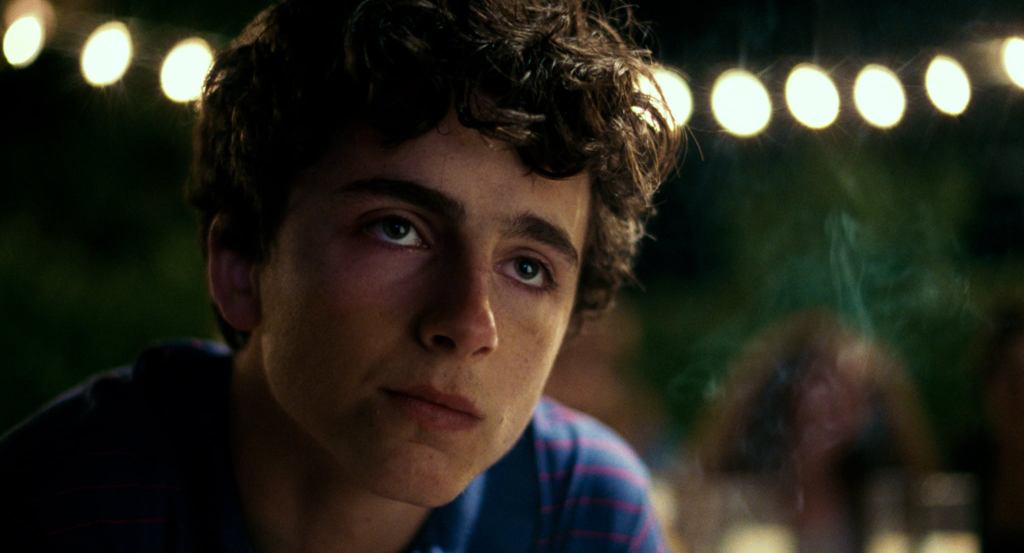
André Aciman’s 2007 novel, Call Me By Your Name, is a bittersweet, intimate exploration of first love, following Elio, a 17-year-old boy, and Oliver, the graduate student who comes to stay with his family one summer in northern Italy. Aciman’s story is filled with longing and desire, making the novel a modern queer classic.

Luca Guadagnino’s 2017 adaptation brought that longing to the screen with an aching beauty. Starring Timothée Chalamet and Armie Hammer, the film captured the fleeting, fragile nature of first love. Winning an Academy Award for Best Adapted Screenplay, it became one of the most influential LGBTQ romances in cinema, expanding representation and leaving a lasting mark on audiences hungry for more authentic queer storytelling.
Hidden Figures
Margot Lee Shetterly’s nonfiction book Hidden Figures (2016) revealed the incredible true story of the Black women mathematicians at NASA whose calculations were critical to America’s space race. For decades, their contributions were overlooked, but Shetterly’s book finally brought them the attention they deserve.

Theodore Melfi’s 2016 adaptation, featuring Taraji P. Henson, Octavia Spencer, and Janelle Monáe, brought those overlooked women into the spotlight and made their names known worldwide. The film reshaped how we think about history, science, and who gets credit for changing the world. Its influence lies in how it inspired new generations, especially women of color, to see themselves in STEM fields.

Why These Adaptations Matter
From Alcott’s 19th-century March sisters to Shetterly’s 20th-century NASA mathematicians, these adaptations prove that stories endure and evolve when brought to the screen. Directors like Barry Jenkins, Greta Gerwig, and Luca Guadagnino didn’t just adapt books; they reimagined them, expanding their reach and amplifying their impact.
The best adaptations don’t just put books on screen; they spark conversations, shift culture, and remind us that the stories we tell (and who gets to tell them) can change the world.
Want more book-to-movie vibes? You’ll love this list of movie-to-book recommendations.
Love exploring book-to-movie adaptations? Explore our adaptations bookshelf at Bookshop.
