

















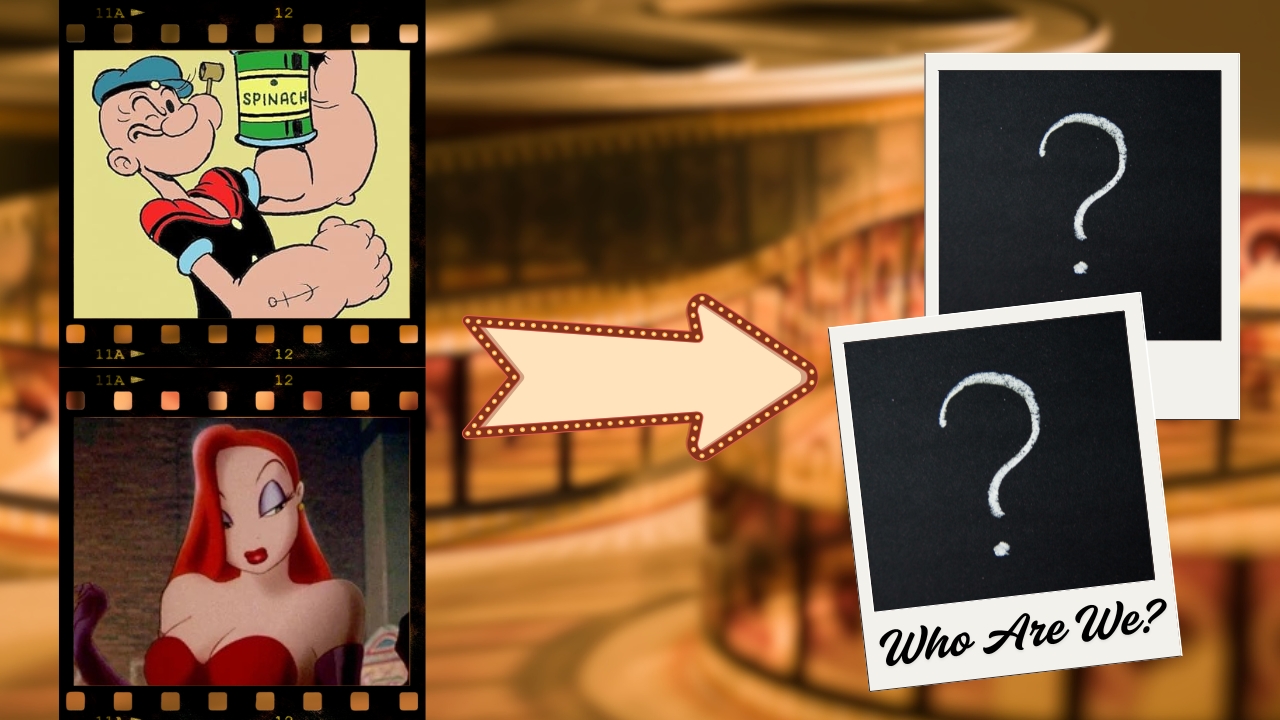
With zany actions, bright colors, and suspicious access to anvils, cartoon characters are truly larger than life. Whether you prefer characters from Warner Bros., Disney, or the pages of your favorite comic book, there’s no denying their cultural impact. But did you know that many of these animated icons were inspired by real people? Join us as we take a look at eight classic cartoon characters and the histories behind their creation.
Betty Boop Is a Blend of Jazz Performers
With her curly 1920s ‘do and bouncing vocals, it’s no surprise that Betty Boop was inspired by the Jazz Age. Her name is an homage to scat-singing, a famous example of which can be found in her 1932 short, Boop-Oop-A-Doop. However, it was these signature characteristics that eventually landed her creators in court.
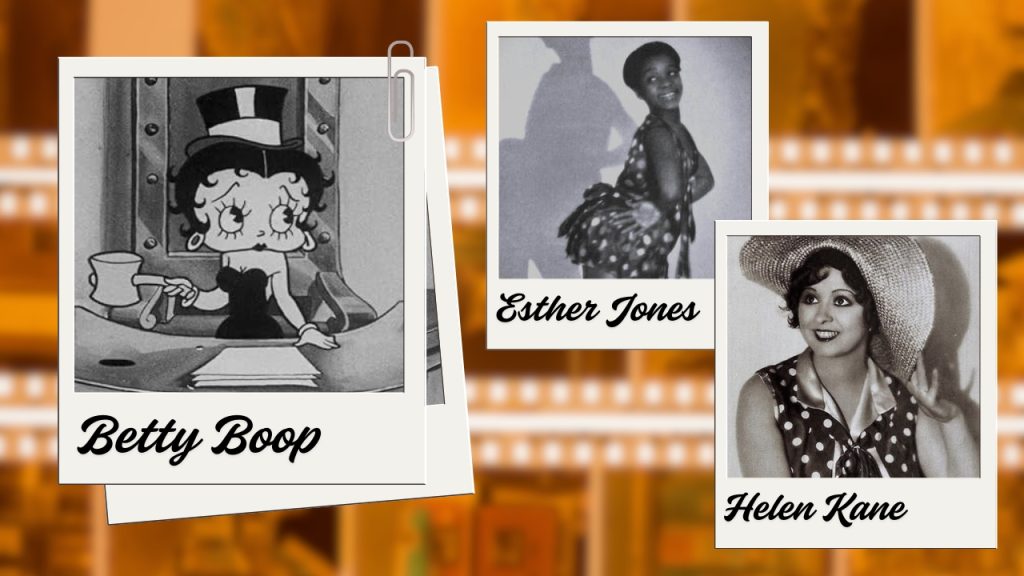
In 1932, jazz singer Helen Kane filed a lawsuit against Max Fleischer and Paramount Studios, alleging that Betty Boop had deliberately copied her “baby vamp” persona, among other qualities. The court case drew national attention, with many other jazz performers, notably some from the Black community, taking to the stand to testify that these mannerisms and techniques were in no way unique to Kane. The witness testimonies eventually revealed that, in fact, Kane had possibly stolen her “boop-a-doop” style from a Black child performer named Esther “Baby Esther” Jones. At one point during the case, Betty Boop’s creator, Max Fleischer, took to the stand and officially stated that her character was an amalgamation of jazz culture, rather than a specific performer. Helen Kane lost her case, and Fleischer went on to create over a hundred animated Betty Boop shorts.
Popeye Is Frank “Rocky” Fiegel
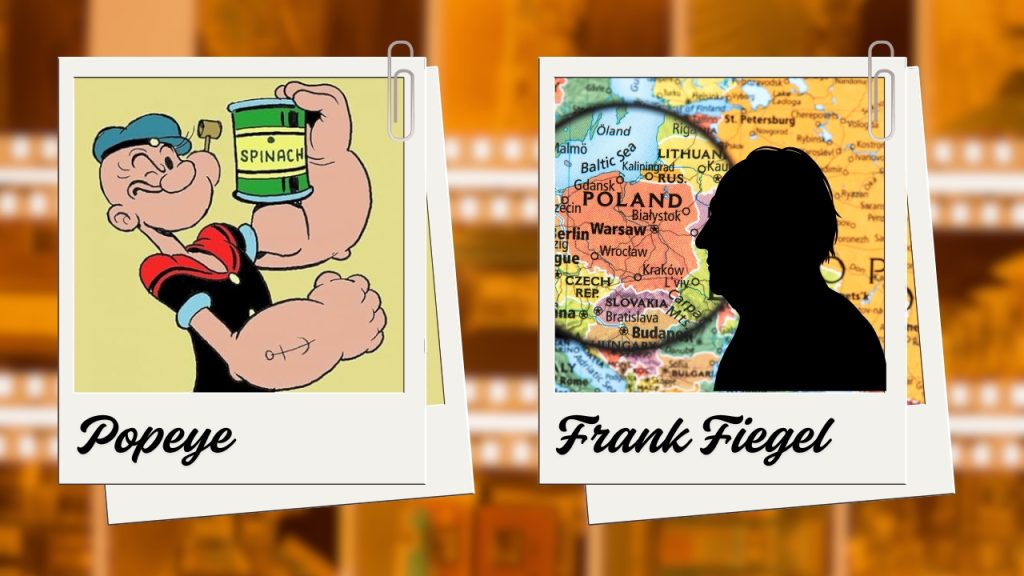
Spinach-loving tough guy Popeye the Sailor first appeared in print before Fleischer Studios adapted him to the screen. Supposedly, his looks and personality may have been based on a man of Polish descent named Frank Fiegel. Fiegel lived in Popeye creator E.C. Segar’s hometown in Illinois, a place that also provided one-to-one inspiration for Segar’s other characters, like Olive Oyl. Known as “Rocky,” Fiegel often got in bar fights with town residents, had a hardened jawline, and was often seen smoking a pipe. Aside from his rougher qualities, Fiegel was also generous and kind to the local children, a trait seen in Popeye’s dealings with his beloved nephews.
Ursula Is Divine
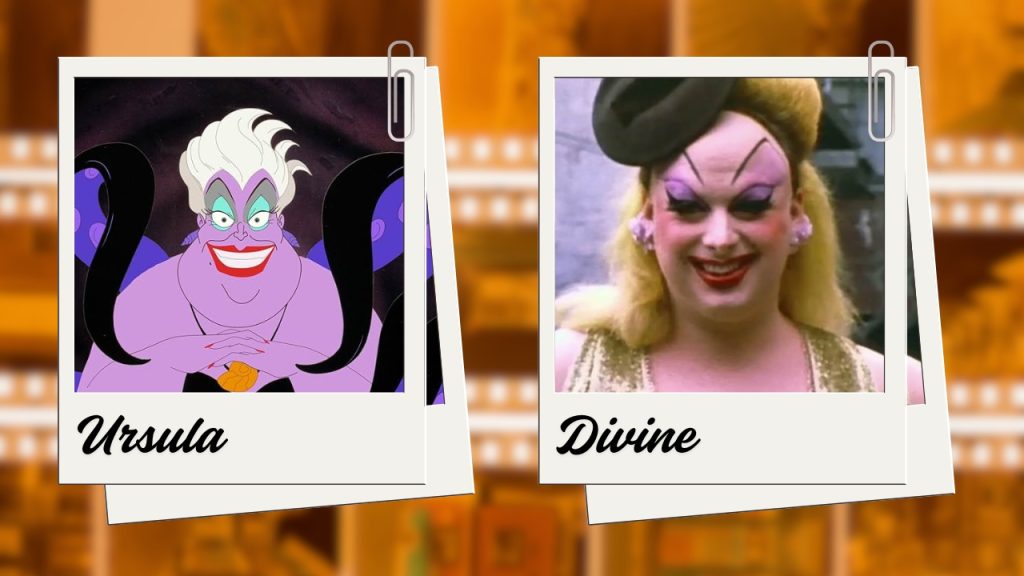
Dripping with theatrical presence and exaggerated makeup, Ursula from The Little Mermaid (1989) owes her striking look to a drag queen named Divine. The film’s lyricist, Howard Ashman, was a gay man, and he incorporated many aspects of queer culture into the production. Divine was a groundbreaking drag performer in the 1970s and 1980s, and her unapologetic confidence and brassy vocals completely transformed the drag scene as we know it today. While Ursula may be a villain, to this day, her “tell it like it is” persona and iconic song are still enjoyed by the LGBTQ+ community.
Bugs Bunny Is Charlie Chaplin, Groucho Marx, and Clark Gable
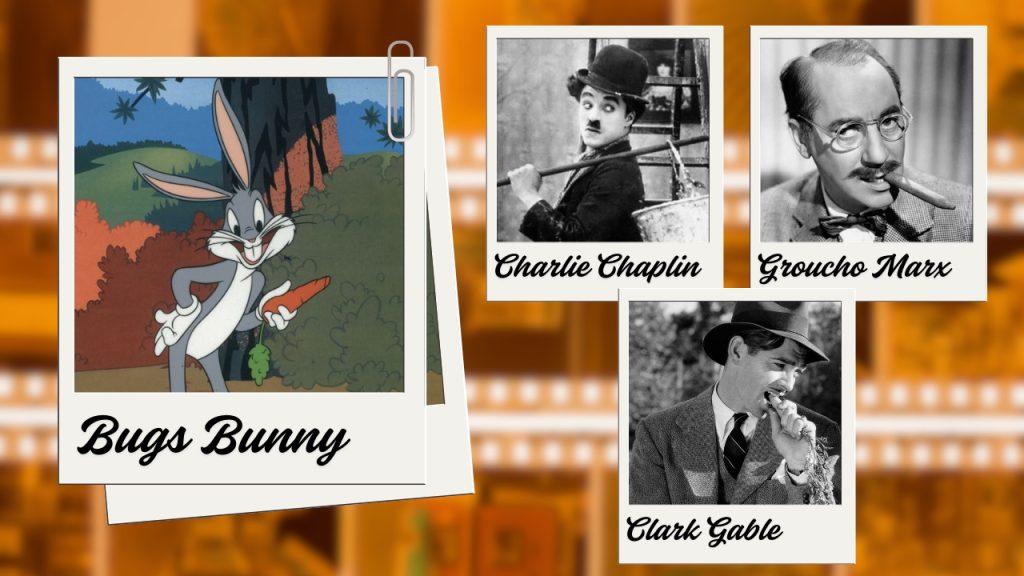
The sardonic star of the Looney Tunes set, Bugs Bunny, is known for his quippy one-liners and clever tricks. This, combined with his slapstick comedy, drew inspiration from early film legends Charlie Chaplin and Groucho Marx, among others. But the most surprising aspect of his character, namely his love for carrots, comes from vintage sex symbol Clark Gable. In the 1934 movie It Happened One Night, Gable chomps down on a carrot while casually speaking to his love interest. In a joking reference to Gable’s performance, Bugs Bunny is often shown doing the same thing. Interestingly, this trait ended up creating the stereotype of rabbits loving carrots.
Harley Quinn Is Arleen Sorkin
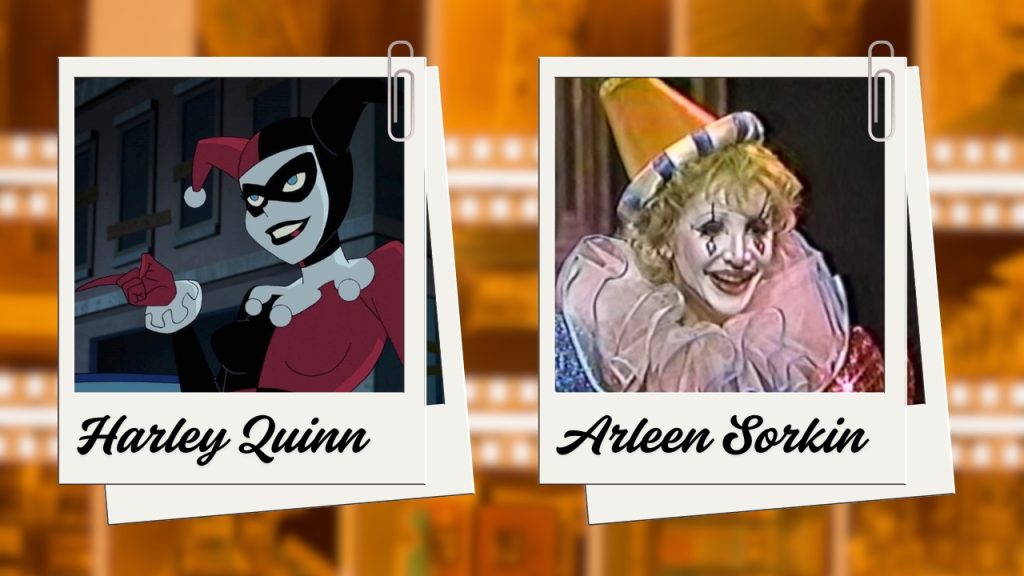
Chaotic crime queen Harley Quinn first appeared in Batman: The Animated Series as the Joker’s girlfriend. And her inspiration was none other than her voice actress, Arleen Sorkin. Sorkin was an old friend of the show’s writer, Paul Dini, and the idea for Harley Quinn’s character came from Sorkin’s performance as Calliope Jones in Days of Our Lives. During a dream sequence, Sorkin appeared in full clown getup, rollerblading across the set. This wacky look, coupled with the actress’ squeaky lilt, gave birth to the Harley Quinn we know today.
Snow White Is Hedy Lamarr
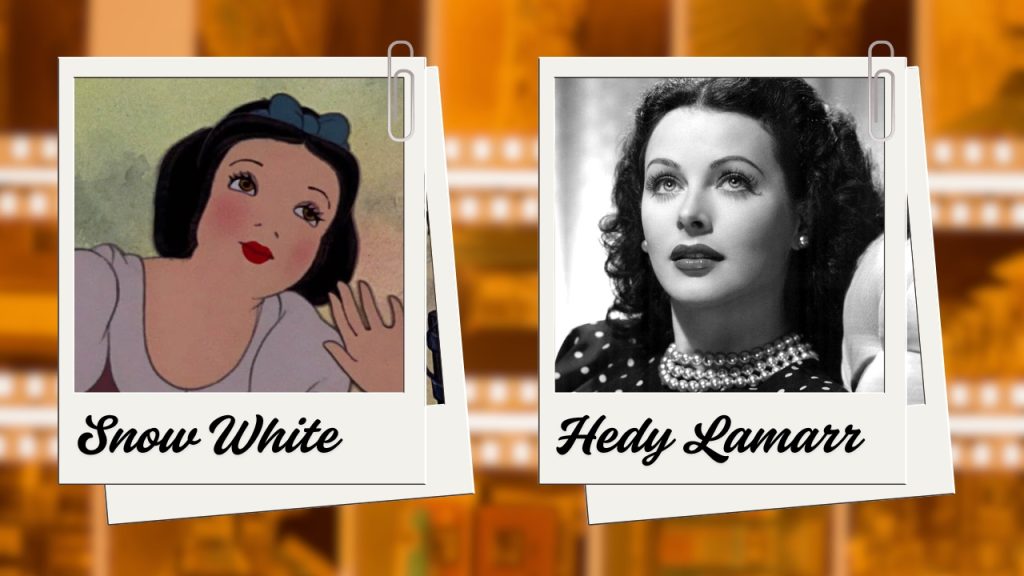
Disney’s animation department often used models to aid in the drawing process for their early features, a practice that started with their first full-length movie, 1937’s Snow White and the Seven Dwarfs. The model used for Snow White was teenage dancer Marge Champion, but the princess’s soft, black curls and undeniable beauty may also be owed to film star and accomplished inventor, Hedy Lamarr. Snow White was also designed by one of Betty Boop’s key animators, as Disney Studios lacked experience with human characters.
Fred Flintstone Is Jackie Gleason
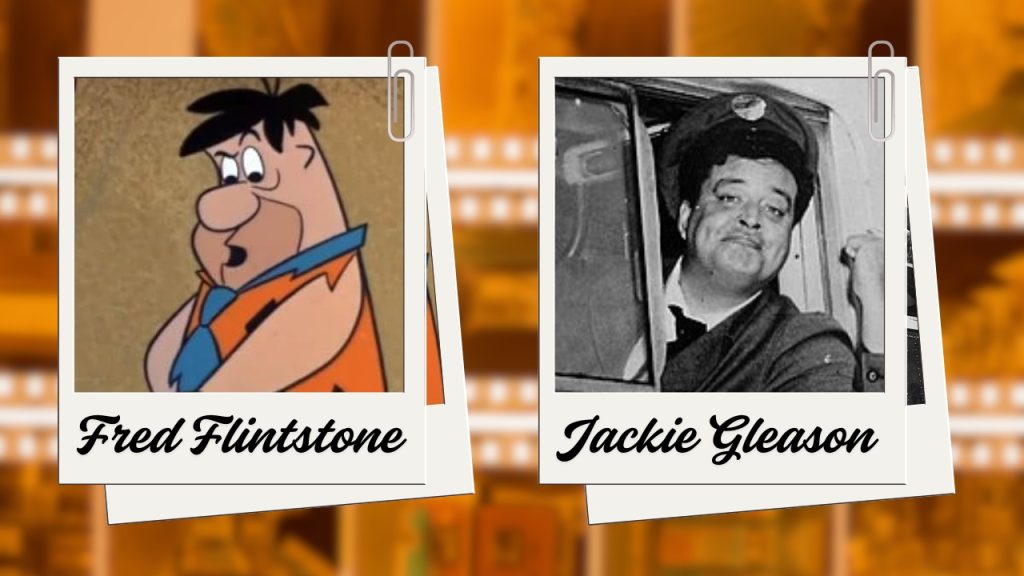
Head of the titular family in The Flintstones, Fred Flintstone is a blue, er, fur collar worker prone to wacky hijinks. The classic screwball setup of a bumbling husband and his no-nonsense wife is familiar to another popular sitcom of the era: The Honeymooners. The husband in this show, played by comic actor Jackie Gleason, bears a striking resemblance to Fred Flintstone. So striking, in fact, that Gleason considered suing Hanna-Barbera for infringing on the show’s intellectual property. Thankfully, Gleason saw the light and allowed the animated series to continue without the pall of a nasty court case.
Jessica Rabbit Is Rita Hayworth, Veronica Lake, Lauren Bacall, and Vikki Dougan
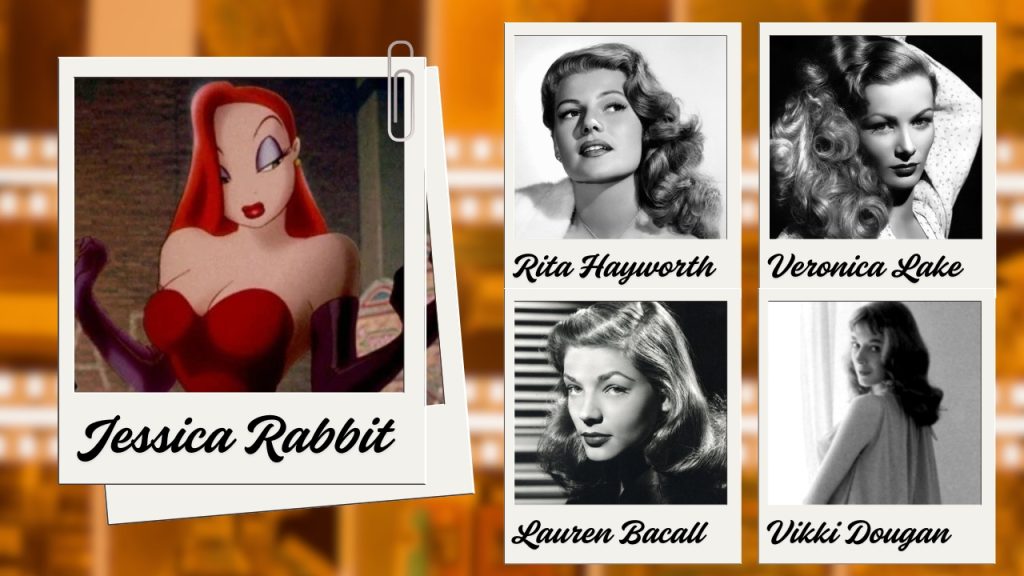
When tasked with creating the femme fatale to end all femme fatales, the animation team behind Who Framed Roger Rabbit pulled from iconic film noir actresses of the 1940s and 1950s. While Jessica Rabbit’s appearance is, according to lead animator Richard Williams, completely fantastical, we can see elements of her look within these other leading ladies. Her presence matches Rita Hayworth, her flowing locks belong to Veronica Lake, and her characteristically arched brows are all Lauren Bacall. Her wardrobe is lifted directly from model Vikki Dougan, who was derogatorily referred to as “The Back” for her plunging gowns intended to set her apart from the rest of her industry competition. Like her real-life inspirations, Jessica Rabbit spends her screen time fighting for respect and understanding from the cruel, image-obsessed world around her.
As they say, imitation is the highest form of flattery. Thanks to these beloved animated characters, the legacy of their real-life inspirations will continue for years to come.
For another deep dive into a famous cartoon character, click here.
Are you captivated by illustrations? Check out our Comics, Manga, and Graphic Novels bookshelf on Bookshop.
