











If you’re looking for a powerful and hard-hitting read that will also teach you about a part of American history often neglected in classrooms, memoirs written by Native Americans are a great place to look. These inspiring stories of resilience, spirituality, and identity are sure to strike your very core.
For Joshua: An Ojibway Father Teaches His Son by Richard Wagamese

In this memoir, Richard Wagamese examines the universal struggles of modernity through a personal lens. In today’s world, he views life as a long and winding search for self-knowledge with everyone searching for roots, acceptance, and love. One major obstacle in this journey was addiction for Wagamese. Dedicated to his estranged son, Wagamese wrote this book as a guidebook for healing and finding answers for these big and often unanswerable questions. He draws heavily on wisdom passed down from Canada’s First Nations.
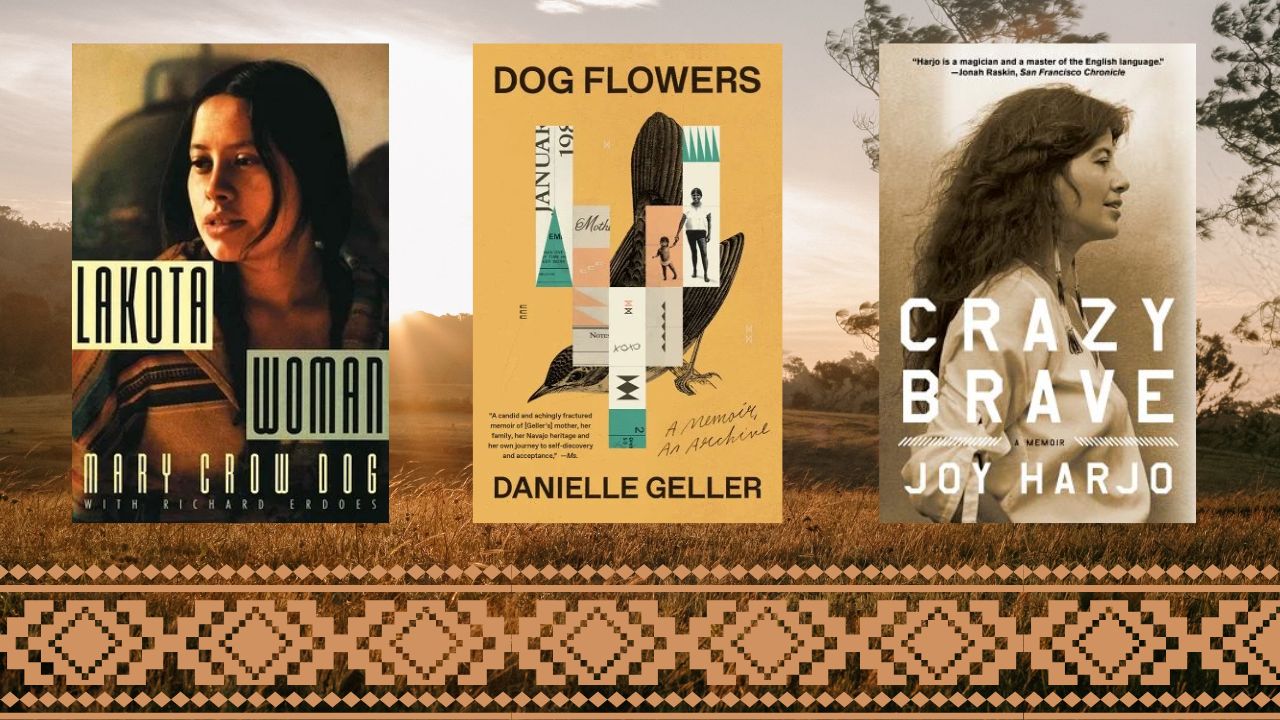
Dog Flowers by Danielle Geller
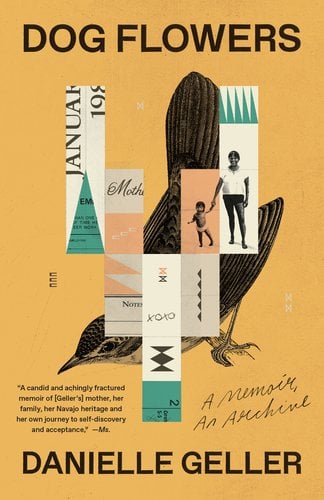
After Danielle’s mother tragically passes from alcoholism, she returns home to Florida and puts her skills as a librarian and archivist to good use. Danielle begins collecting all of her mother’s important documents and photos as a way to honor and learn more about her mother. The collection turns into a brilliant chronicle of family history and the journey ultimately takes her to her mother’s Navajo reservation where she begins to engage with her heritage.
Call Me Indian by Fred Sasakamoose
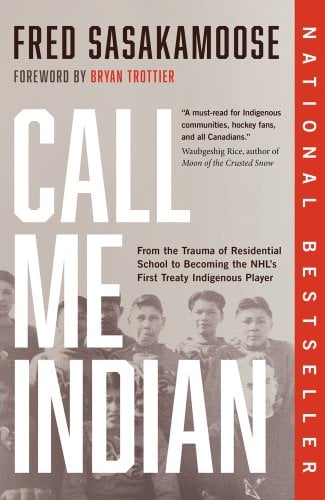
Fred Sasakamoose became a trailblazer in sports history when in 1954 he became the first indigenous hockey player in the NHL with Treaty status. He had a legendary career with the Chicago Black Hawks; the end is often portrayed as Sasakamoose’s decision to spend more time with family. In reality, the decision had a lot more nuance to it. It was one incredibly rooted in his indigenous heritage and the historic trauma they’ve been subjected to. After his time in the NHL, Sasakamoose continued to lead a life of excellence, assuming roles of tribal leadership and pioneering athletic programs designed to help kids. This hockey filled memoir brilliantly weaves Canada’s native history and politics with Sasakamoose’s personal life story.
My Life: Growing Up Native in America edited by IllumiNative
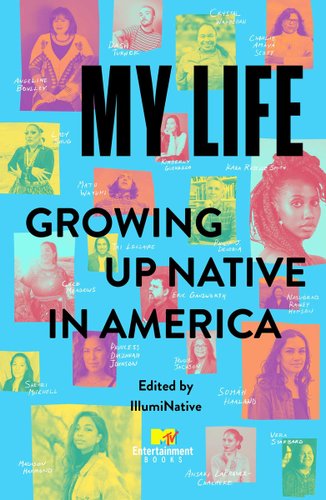
This multi-medium collection contains insights from 20 writers, athletes, activists, and more depicting what being Native American looks like today. It acknowledges that no two experiences are the same and that life as an Indigenous person shouldn’t be viewed as monolithic. The result is an incredibly varied anthology of pieces depicting hardship, joy, and strength.
Crazy Brave by Joy Harjo
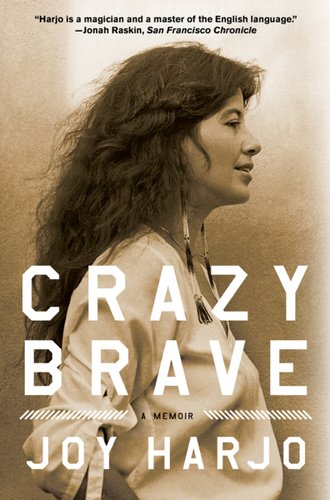
Harjo’s upbringing at Oklahoma’s edge of the Trail of Tears wasn’t an easy one. Plagued by an abusive step-father, Harjo found solace inside her brilliant and calming inner life. While attending an Indian arts boarding school, she learned how to translate her impressive imagination and love of nature into numerous artistic pursuits. This lyrical memoir from the renowned poet is unlike any other; it provides a fascinating glimpse as to how her life experiences turned Harjo into the artist she is today.
Lakota Woman by Mary Crow Dog
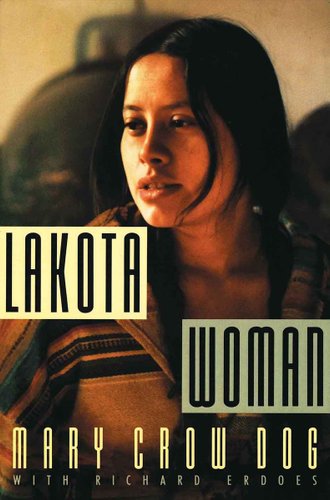
Mary Brave Bird’s moving memoir reminds readers of the very different realities lived by those on often neglected reservations. Growing up at the Rosebud Indian Reservation in South Dakota, Mary lived in a single-room cabin that lacked everyday amenities like electricity and running water. She faced a brutal and unforgiving missionary school and a world with little opportunity and freedom. Hoping to challenge these norms, Mary became a part of a fast-growing and potent movement of invigorated tribal pride that spread across many indigenous communities in the sixties and seventies. Her path of activism led her towards her future husband, Leonard Crow Dog, the chief medicine man of the American Indian Movement. Her autobiography is an unflinching look at the tortured reality faced by Native Americans at the hands of Catholicism and the U.S. government, as well as, movements to challenge these norms.
Bitterroot by Susan Devan Harness
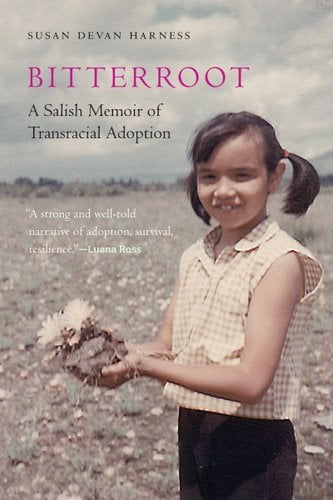
After being adopted by a white couple, Susan Devan Harness spends her upbringing void of any connections to her indigenous heritage. She’d always wondered about her parents but according to her adoptive parents, they had died in a car accident soon after her birth. As a teenager, Susan reached out to a social worker to learn more only to discover that her birth parents were very much alive.
What followed was a reignited desire to search for answers about her heritage and her unique place in society. This quest continued and evolved throughout her entire life, and this memoir traces the ways that her relationship with her Native American culture has changed over time. The powerful memoir examines issues with transracial adoption, the constructs of race, and the universal desire to belong.
Whether you’re looking for a fascinating exploration of race, a historical account on missionary schools, or seeking to learn more about the wisdom of indigenous spirituality, these memoirs are sure to move you. Though these authors are all different experiences with their indigenous identity, they’re equally striking and important stories.
For some more recommendations by Native American authors, click here!
To shop some more indigenous reads, click here!