










November is Native American Heritage Month, an opportunity to celebrate and share the culture of Native Americans. But the process of honoring Indigenous people can get lost when November also includes celebrations of Thanksgiving, an American holiday that disregards the treatment of Indigenous people on their own land. In order to successfully honor Native American Heritage Month, we have to acknowledge how the celebration of these American holidays undermines how November is meant to uplift Indigenous people.
To honor the Indigenous people of America, it is our responsibility to read, hear, and share the voices of Native Americans about their own culture, experiences, and history. Here are just a few titles from Native writers that you can pick up to honor Native American Heritage Month.
Fiction
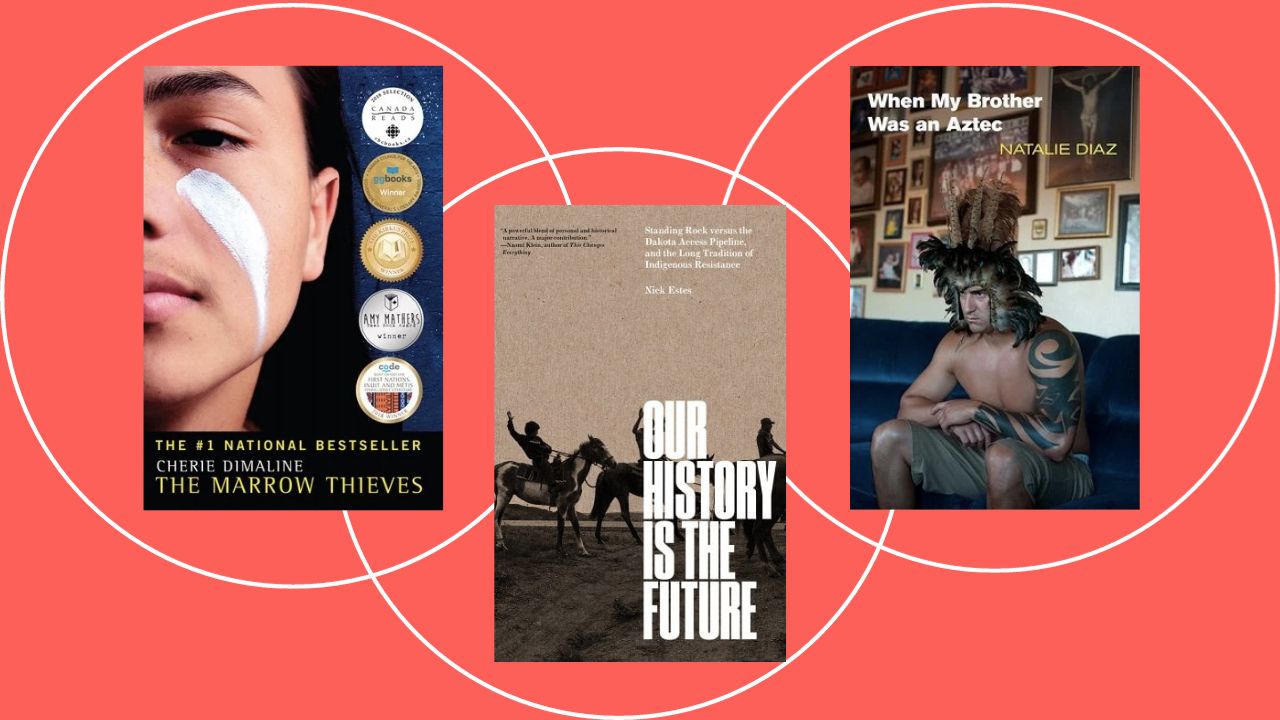
The Marrow Thieves by Cherie Dimaline
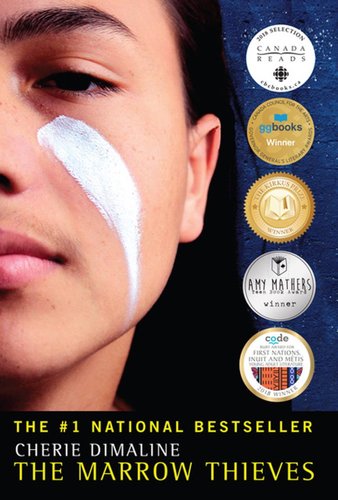
This dystopian novel follows a fifteen-year-old boy and his friends who struggle to dodge capture from marrow-stealing facilities and reunite with their loved ones in a world destroyed by global warming. In this dark future, all people have lost the ability to dream except for North America’s Indigenous population. As the dreamless descend into madness, the only way to dream is by extracting the marrow from unwilling Indigenous donors. A fifteen-year-old boy and his friends struggle to dodge capture from marrow-stealing facilities and reunite with their loved ones.
Woman of Light by Kali Fajardo-Anstine

Five generations of an Indigenous Chicano family intertwine in this historical fiction about a woman fending for herself. Tea leaf reader and laundress Luz “Little Light” Lopez is in 1930s Denver alone after her brother Diego, a snake charmer and factory, is chased out of town by a violent white mob. Soon after, Luz begins having visions about her ancestors’ homeland in the nearby Lost Territory. As she gathers the memories of her ancestors’ origins, it is up to Luz to keep her family stories alive.
The Lost Journals of Sacajewea by Debra Magpie Earling

This recently released novel tackles the inaccurate narratives surrounding one of the most famous Indigenous women in America’s history. Sacajewea is more often than not referred to because of her association with Lewis and Clark’s expedition, which does a disservice to all she endured. In this novel, Sacajawea is at the center of her own story as she loses her family, becomes a white man’s property, and is forced to navigate a strange and dangerous world full of men who want to conquer her land and her world.
Non-Fiction
Our History Is the Future: Standing Rock Versus the Dakota Access Pipeline, and the Long Tradition of Indigenous Resistance by Nick Estes
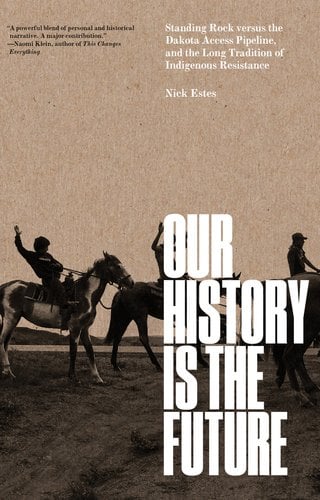
Professor Nick Estes maps the two centuries of Indigenous resistance that led to the creation of the “Water is Life” movement in 2016. The efforts to block the construction of the Dakota Access pipeline are just one of many instances of environmental justice in Indigenous history. Estes’ work maps past and present fights for native sovereignty that inform the future of anticolonial resistance in Native communities.
The Rediscovery of America: Native Peoples and the Unmaking of U.S. History by Ned Blackhawk
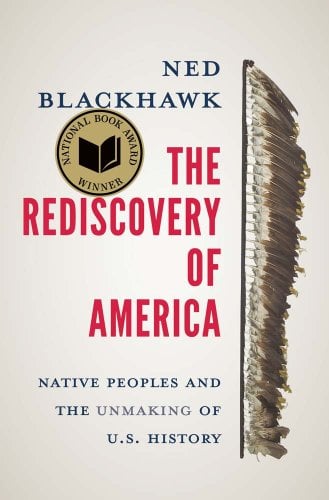
From Yale University Professor Ned Blackhawk comes a compelling account of American history that highlights Native Americans as essential to understanding the state of modern America. This retelling of American history spins together centuries of Native and non-Native histories that tell the struggle, survival, and resurgence of Native nations in modern times. Professor Blackhawk’s work is one of several coming from a new generation of scholars who are no longer content to ignore the place Indigenous people hold in America’s history.
The Heartbeat of Wounded Knee by David Treuer

The 1890 massacre at Wounded Knee may be one of the events from Native history most well-known and misunderstood by non-Native people. Now, archeologist David Treuer from the Ojibwe tribe in Minnesota is reclaiming the story in a history that is both a report and a memoir. Instead of the murders at Wounded Knee marking the end of a people, Treuer reveals that the massacre drove Indigenous people to find different ways to survive during changing and dangerous times.
Poetry
When My Brother Was an Aztec by Natalie Diaz
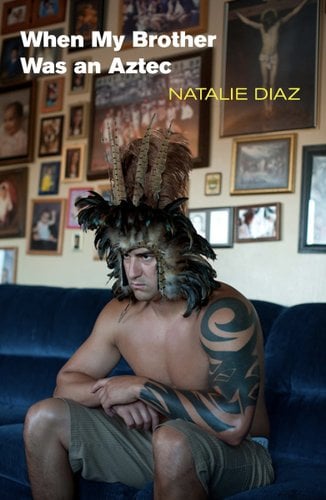
This debut collection of poems is dark, humorous, and full of sentiment as Natalie Diaz voices her experience dealing with her brother’s meth addiction. Her poems draw on a wide range of topics, from reservation folklore to pop culture to gospels, that make the background against which she explores the complexities of family dynamics.
Whereas: Poems by Layli Long Soldier
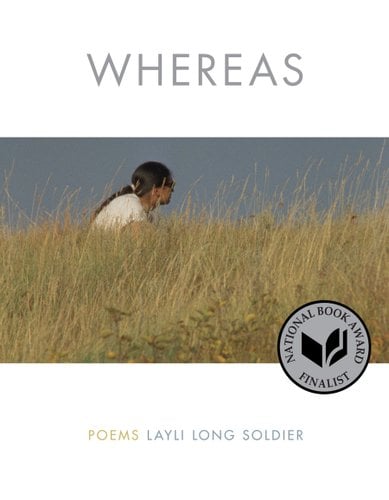
Whereas is a harsh and creative exploration into the language the United States uses when talking to and about Native people. Long Soldier formed this collection as a response to bill S.J. Res 14, which President Obama signed into effect in 2009 but has otherwise gone unknown by the general public. She combines her reaction to the bill with her experience as a member of the Oglala Sioux tribe.
Earth Keeper: Reflections on the American Land by N. Scott Momaday
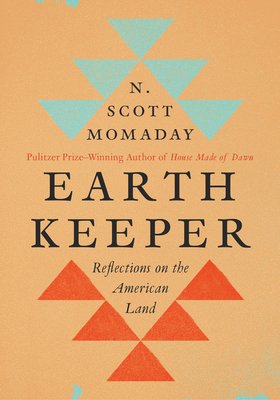
Wrapped in a poetry-styled memoir, distinguished Native novelist and poet N. Scott Momaday shares memories of his life and stories that have passed through his family for generations, all with nature and its importance at its center. Momaday encourages readers to respect the Earth by sharing his own personal and cultural reverence for nature, revealing his intimate spiritual connection to the land.
For more titles on Native Americans and Indigenous culture, check out here and here.
Browse these books and more on our Bookstr Diverse Voices Bookshelf on Bookshop.org.