





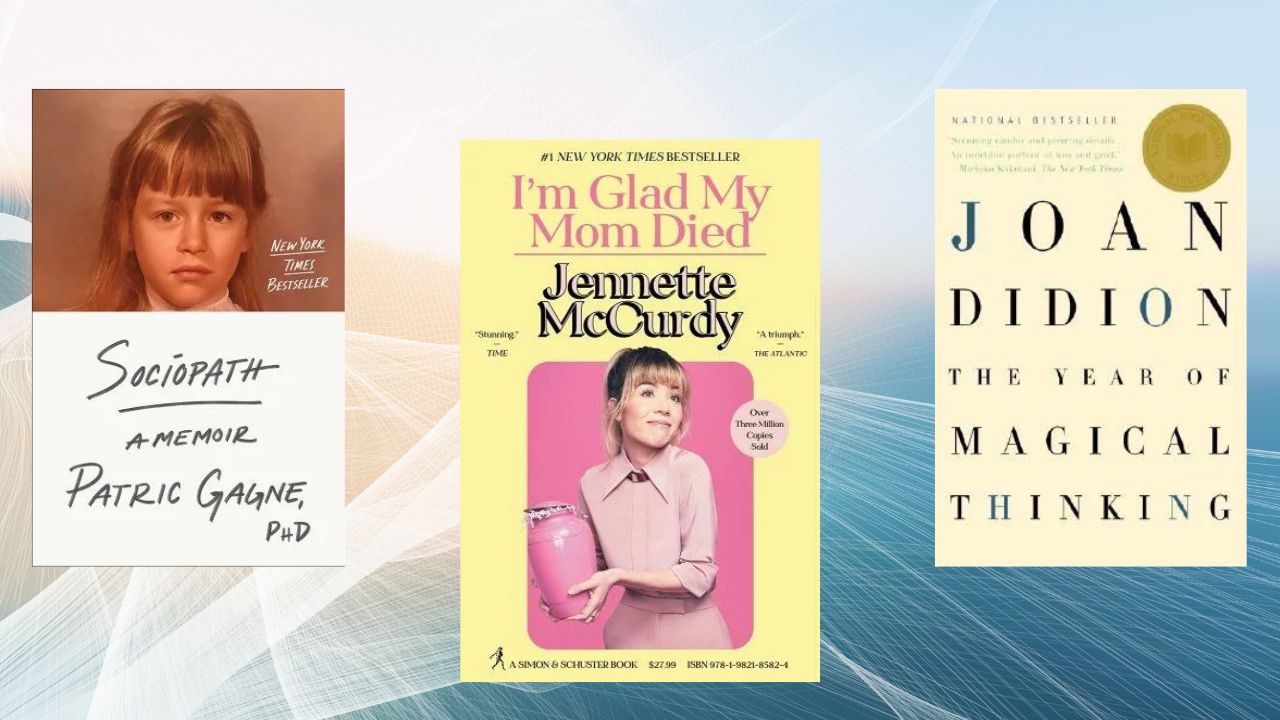
Memoirs are important to read, especially when they’re written by people different from us. They offer perspective and a window into what life may be like for them and for others like them, fostering understanding and slowly changing other people’s views. It’s important to read a lot, but here are six to get you started.
Trigger Warning: The mention of certain content and topics in this article and the book recommendations may be triggering to some readers. Please exercise personal care when reading.
I’m Glad My Mom Died by Jennette McCurdy
Jennette McCurdy had her first audition at six. Her mom wanted her to be a star, and McCurdy wanted to make her happy. So she went along with her mother’s demands: calorie restriction, grueling home makeovers, sharing all her emails, diaries, and income, and even being showered by her mother until she was sixteen.
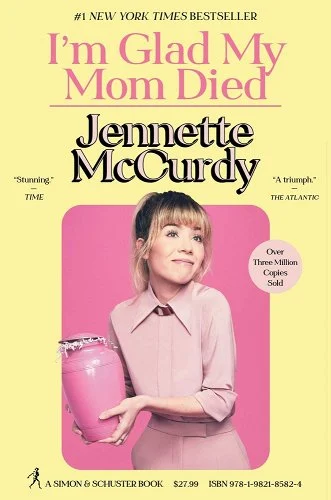
When she became famous while starring on iCarly, her mother was beyond elated, while McCurdy struggled with anxiety, shame, self-loathing, addictions, eating disorders, and unhealthy relationships. After starring in Sam & Cat, her mother died from cancer, and McCurdy’s life changed. She eventually quit acting and went to therapy, embarking on a journey to heal and discover what she truly wanted to do.
Sociopath: A Memoir by Patric Gagne
Patric Gagne realized at a young age that she made those around her uncomfortable. She thought it was because she didn’t feel emotions like guilt, empathy, and fear; instead, she felt nothing. And she didn’t like it. She tried to act like everyone else, but the pressure to conform was too much. She started stealing, lying, and having occasional violent outbursts, and she learned to pick locks and break into houses, all to get rid of the nothingness inside her.
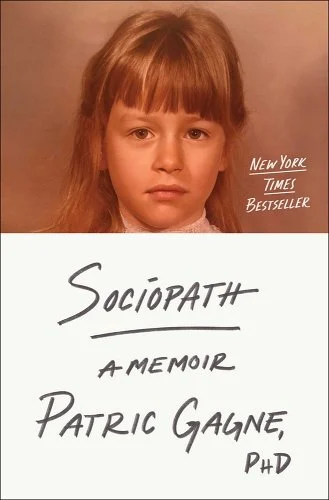
It wasn’t until college that Gagne confirmed she was a sociopath, a condition that mental health professionals have ignored for decades. They told her she had no hope for a normal life and that there was no treatment. All the representations she saw were serial killers and monsters, leaving her feeling hopeless. But after reconnecting with an old flame, she realizes she can love, which means she isn’t a monster. And she set out to prove that she and other sociopaths aren’t all monsters either.
Men We Reaped: A Memoir by Jesmyn Ward
Jesmyn Ward lost five men in her life within five years to accidents, suicide, drugs, and bad luck that follows poor people, especially black men. As she dealt with the constant death, a question formed in her mind: Why? As she started writing about her experiences, she realized the heartbreaking truth: her brother and friends died because the history of racism and economic struggle for black people in the U.S. fostered drug addiction and fractured relationships. The answer was obvious after she realized she had to write her and her community’s stories.
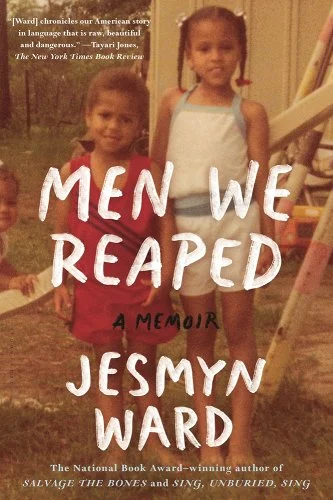
Ward grew up in poverty in rural Mississippi. She wrote about the pressure that stems from this, where men can do no right, and women have to stand in for their absence. She wrote her story, recounting the devastating losses of her brother and friends. She was the only person in her family to pursue higher education and leave home, and she wrote about both sides of the U.S., with both objective distance and familiarity.
The Year of Magical Thinking by Joan Didion
Some days before Christmas in 2003, Joan Didion and her husband, John Gregory Dunne, saw their daughter fall ill. At first, they thought it was the flu, then pneumonia, and then septic shock. She was put in a medically induced coma, and she was placed on life support. Then, the night before New Year’s Eve, as Didion and Dunne sat down to dinner, Dunne suffered a huge and fatal coronary. Their close relationship of forty years ended in an instant.
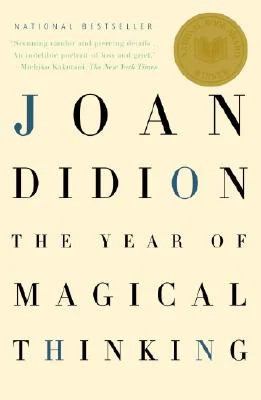
Their daughter recovered about a month afterward. But two months later, in LAX, she collapsed. She had to go through six hours of brain surgery at UCLA Medical Center to relieve a massive hematoma. Didion wrote this book to try and make sense of the vast chunks of time that completely changed any ideas she had regarding death, illness, marriage, children, memory, and life itself.
How We Fight for Our Lives by Saeed Jones
This coming-of-age memoir is about a young, black, gay man from the South as he tried to create a place for himself inside his family, country, and his own hopes, fears, and desires. With vignettes scattered across the U.S. landscape, Saeed Jones invites readers to his childhood, his turbulent relationships with family, and his flings with previous lovers, friends, and strangers.
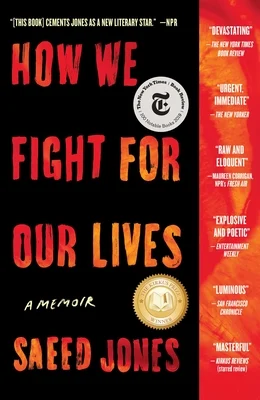
Each part of this memoir came together to examine race and queerness, power and vulnerability, as well as love and grief. It’s a portrait of how we impact those around us as we struggle and strive to become who we truly are.
Crying in H Mart by Michelle Zauner
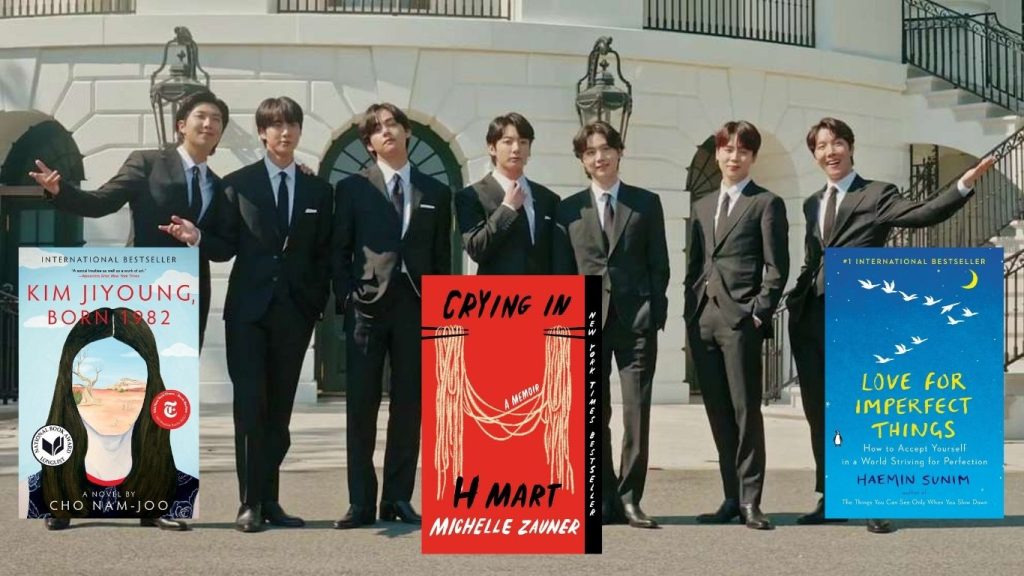
Michelle Zauner was one of the only Asian American kids at her school in Eugene, Oregon. She wrote about her struggles, her mother’s high expectations, a painful childhood, and precious months in her grandmother’s apartment in Seoul, where she bonded with her mother over large plates of food.
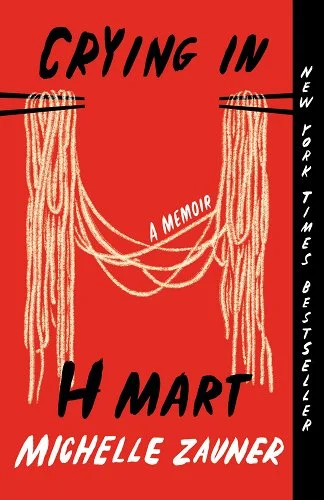
As she got older, moving to the East Coast for college, working in the restaurant industry, performing gigs with her amateur band, and meeting her future husband, her Koreanness started feeling distant, even as she was living how she wanted. When her mother was diagnosed with terminal cancer when Zauner was twenty-five, she had to reckon with her identity and reclaim the gifts her mother had given her: taste, language, and history.
Hopefully, this article helped you expand your TBR a little.
For more articles on memoirs, click here.
Check out our Non-Fiction shelf on Bookstr’s Bookshop page.