

















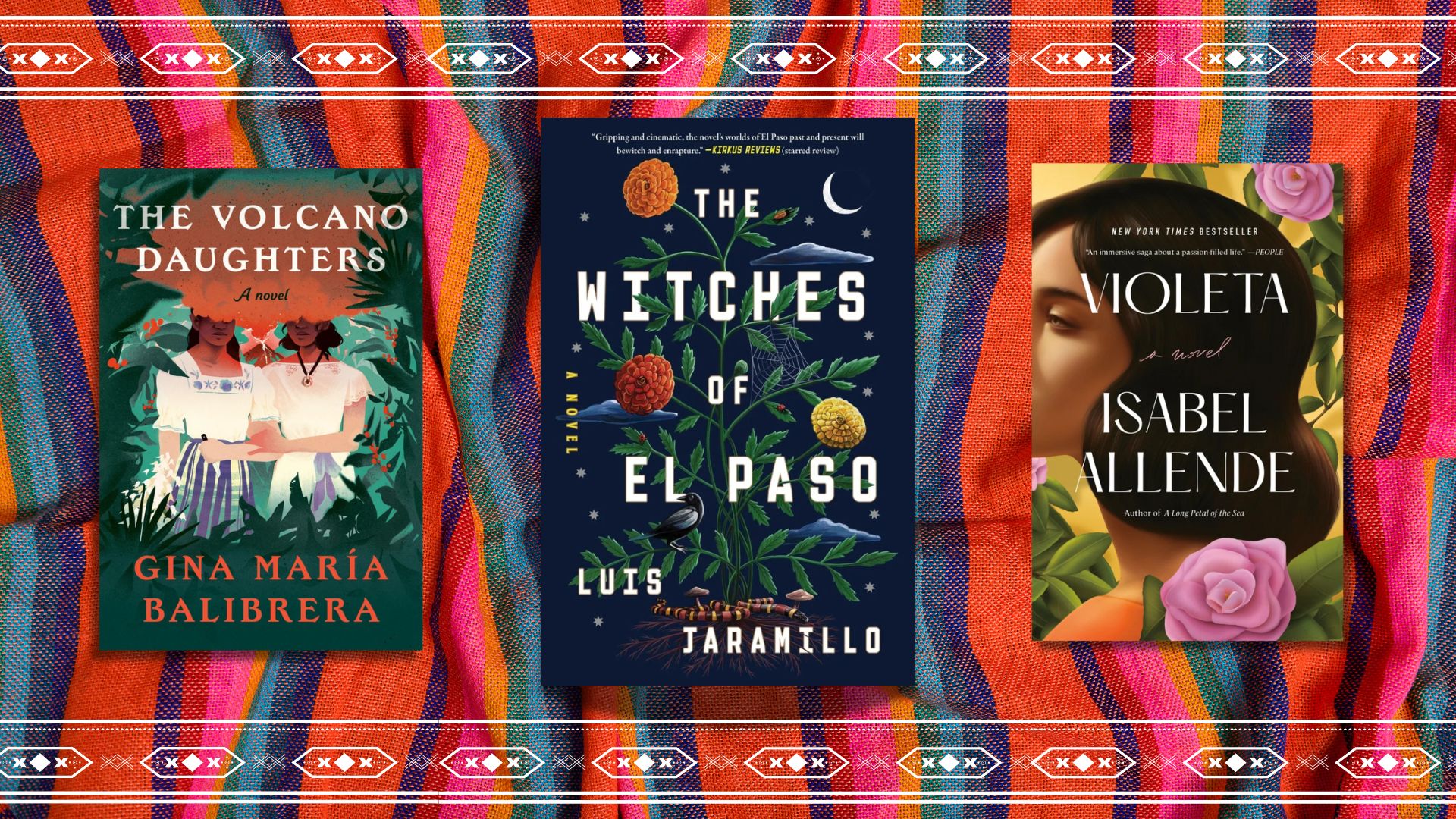
From the era of Spanish exploration to the appointment of Sonia Sotomayor as the first Hispanic Supreme Court justice, Hispanic history continues to have a profound and lasting impact on modern culture. As the largest minority group in the United States, Hispanic culture and tradition shape the nation’s cuisine, music, fine arts, sports, and, notably, literature. Hispanic authors make rich contributions to the modern literary landscape, particularly through works of historical fiction.
Immerse yourself in these works and travel back in time to pivotal moments in Hispanic history through powerful characters and compelling storylines written by Hispanic Authors.
Violeta by Isabel Allende
Isabel Allende is a Chilean-American author who wrote the fictional biographical account of Violeta De Valle, a woman whose life spanned 100 years, marked by significant historical events. In the epistolary work, she writes to her grandson about her life in an unnamed country in South America. Violeta experiences the Spanish flu pandemic, the Great Depression, class struggles, a feminist awakening, oppressive governments, and the COVID-19 pandemic.
Allende’s novel thematically explores livelihood under the regimes of tyrannical governments and the people’s collective response to rebellion. She draws inspiration from the Chilean dictatorship and the Cuban revolution, and through the lens of Violeta, explores what life was like for an upper-class woman living during the period of political upheaval and revolution.
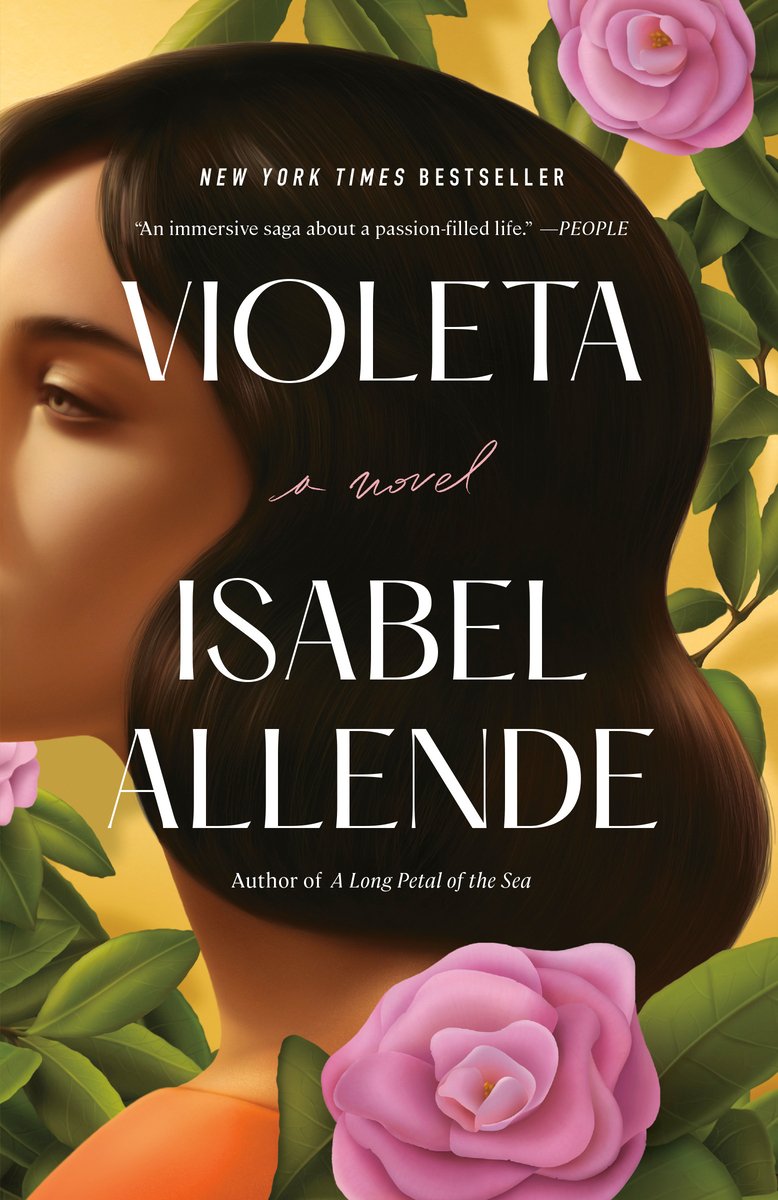
At its core, Violeta is a feminist work inspired by the life of Allende’s mother. In an interview with PBS, Allende said, “Violeta, like my mother, was a person, a beautiful woman, that wasn’t very aware of her beauty. She was smart, visionary, talented, with good ideas to make money… The difference is that my mom always depended financially on someone.”
Violeta’s ideological journey, from her upbringing in a conservative family and a conventional marriage to financial independence and women’s rights activism later in life, connects to the defiance of social conventions and the awakening of one’s freedom without the constraints of gender roles. This narrative not only immerses the reader in Hispanic history but also in the rawness of love, loss, and struggles of womanhood.
Dime quién soy / Tell Me Who I Am by Julia Navarro
Julia Navarro is a Spanish novelist and journalist who packs Hispanic history into her pages with the enthralling novel Tell Me Who I Am. A journalist investigates his great-grandmother Amelia’s life and digs further past his prior knowledge of her fleeing Spain before the Civil War began.
This search for the truth about his family history sends him on a worldwide expedition, piecing together information from archives and records. Therefore, the geography covered in this novel’s settings is expansive, encompassing Madrid, Barcelona, Paris, Buenos Aires, Mexico, Moscow, London, Berlin, and Warsaw. But that’s not all, there are even stopovers in the Basque Country, Cairo, Athens, Lisbon, and New York.

During this expedition, the journalist discovers that his great-grandmother, who had abandoned their family, was deeply involved in the political activism of the time, which included espionage missions during the Spanish Civil War, World War II, and the Cold War. This activism roots Amelia’s complex character as strong-willed and passionate about her stance, making it impossible for her to remain neutral in such oppressive times.
The novel spans one century of historical events, including the Second Spanish Republic and the fall of the Berlin Wall. It highlights the roles played by politically active heroes whose names may have been forgotten by history, but whose impact remains forever.
This epic adventure was adapted to a television series in 2021 and is available to watch on Peacock in the United States.
Hades, Argentina by Daniel Loedel
In his enthralling debut, Daniel Loedel draws inspiration from his familial relations, particularly the disappearance of his half-sister in 1978 at the hands of the Argentinean military dictatorship. The backdrop of the novel is 1976 Buenos Aires, during the Dirty War, a period of intense political violence, repression, and disappearance of regime dissidents. The narrative follows Tomás Orilla, who fled Argentina to New York to spare his life, and is drawn back ten years later in the hope of reconnecting with his love, Isabel.
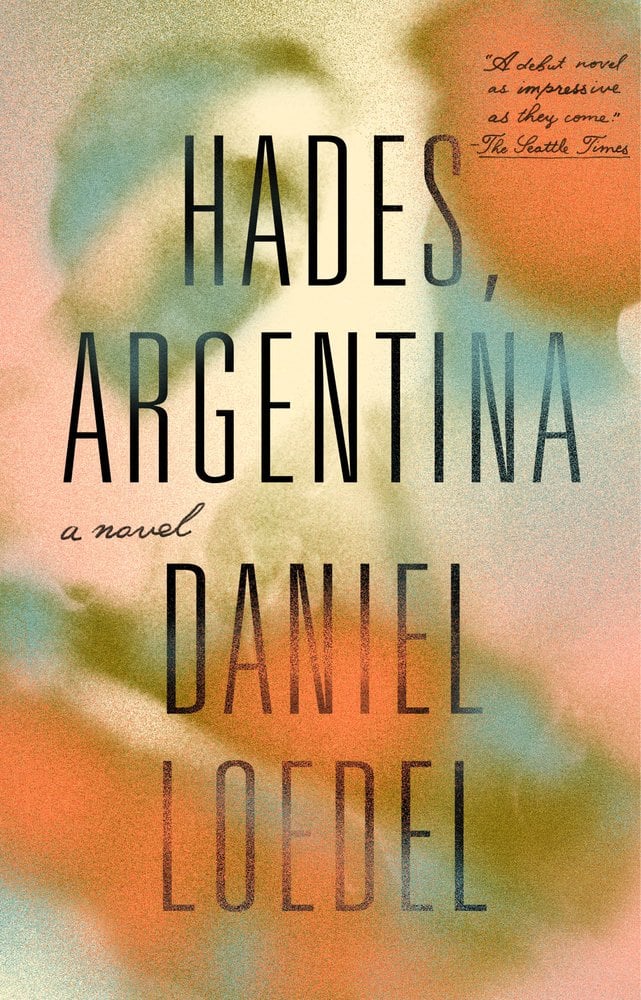
In an attempt to impress Isabel, Tomás was complicit in the oppressive military regime by becoming a double agent at her request. When he returns to Argentina, he grapples with the consuming guilt regarding Isabel’s fate and relives the horrifying events he witnessed. Loedel uses elements of magical realism through Tomás’s various encounters with ghosts; The ghosts of his past haunt Tomás, alongside his own guilt, and the impossible choices he made in such a tumultuous time in Argentinian history.
The Volcano Daughters by Gina María Balibrera
Salvadorian-American novelist Gina María Balibrera’s brilliant debut shines a light on sisterhood as well as the mythology and history of El Salvador. The narrative depicts a horrific genocide incited by a dictator called El Gran Pendejo that strikes in 1923 against the community of indigenous women who live at the foot of a volcano. The two sisters, Graciela the oracle and Consuelo, meet for the first time under their unwilling assistance in the oppressive regime. After the genocide hits their community, they believe each other to be dead; however, they are both alive and escape to different parts of the world.

The novel’s events meditate upon La Matanza, which translates to the massacre that occurred in 1932 in El Salvador. The Pipil people are a Salvadorian Nahua group, meaning they are indigenous people of Mesoamerica. In La Matanza, 30,000 people died at the hands of Salvadorian soldiers due to their protesting of the oligarchy, and most of these casualties consisted of indigenous people.
Balibrera uniquely utilizes multiperspectivity to explore this horrific history, with every chapter narrated by ghost girls who are the spirits of indigenous Salvadorian women murdered in the genocide. Through this technique, she brings to light lost voices and shares historical narratives directly from the marginalized.
The Witches of El Paso by Luis Jaramillo
Fantasy and magic enthusiasts prepare to be charmed by The Witches of El Paso. In 1943, in El Paso, Texas, a teenager named Nena, who is coming of age during World War II, is greeted by Sister Benedicta after praying for help with her fainting spells and premonitions. She’s brought back in time to 1792 colonial Mexico, when El Paso del Norte was still part of New Spain, where her supernatural powers continue to grow. Nena’s grandniece, Marta, acts as a caretaker for 93-year-old Nena, and on a journey to find her daughter, whom she left in the past, discovers her own supernatural powers.
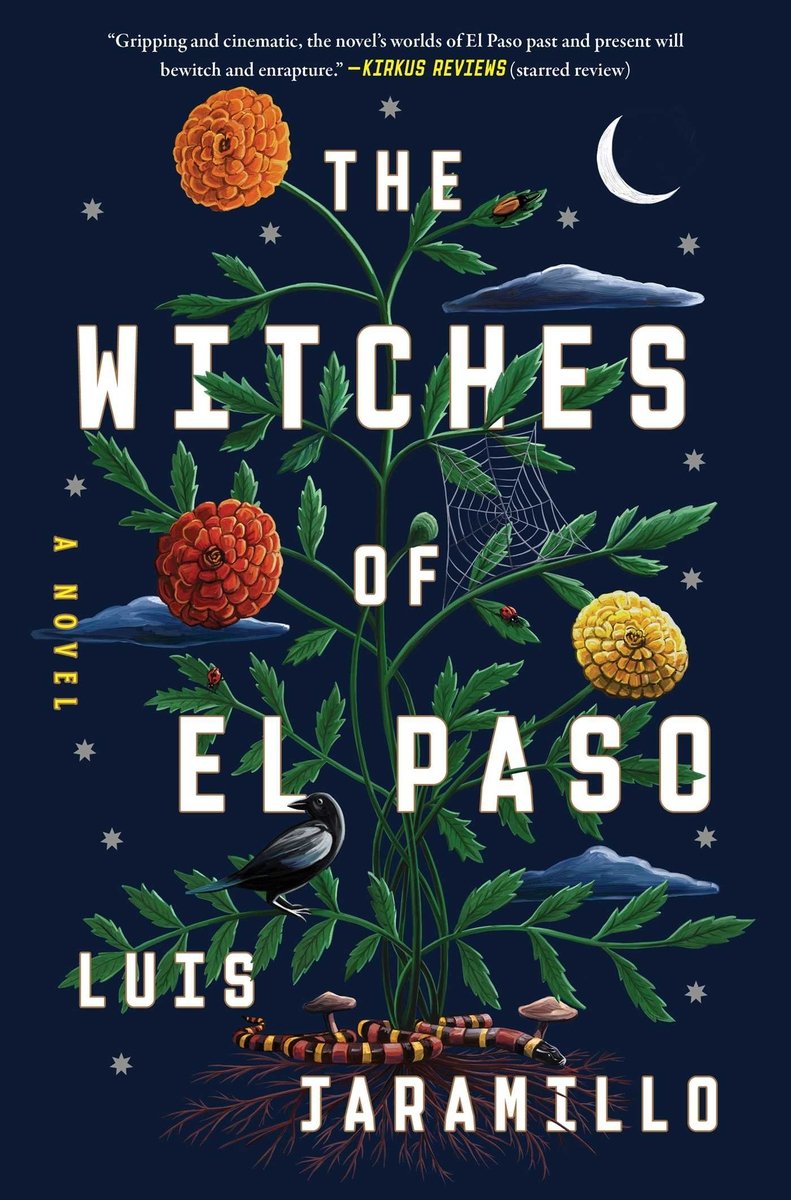
Luis Jaramillo centered his own family lore and traditions in The Witches of El Paso, drawing inspiration from his Mexican-American grandmother and grandfather, whose family lineage dates back to the seventeenth century, when they settled in New Mexico. While researching the novel, Jaramillo visited the historical Mexican market, Mercado Cuauhtémoc, in Juárez, Mexico, where he examined the ingredients used in potions and rituals for traditional practices, including cuanderismo and shamanism. Curanderismo is a traditional medicine practice that originated in Mexico, Central America, and South America. This ancient form of magic and spiritual healing is woven into Jaramillo’s novel as a central theme and metaphor for sacrifice in return for favor.
The Taste of Sugar by Marisel Vera
Marisel Vera combined the themes of enduring class struggle, facing natural disaster, and surviving the antebellum period into one heavy debut novel, The Taste of Sugar. This narrative is set in Puerto Rico, specifically in the region of Utuado, during a time when the country is on the brink of the Spanish-American War. The United States’ victory in the Spanish-American War was even more crushing to the island than being under Spanish rule; being victorious in the war led the United States to declare Puerto Rico one of its possessions in 1898, and it ruled over the island with a military regime. This action set the island up for a devastating turn of events, as a foreboding natural disaster was soon to be on the island’s shores.
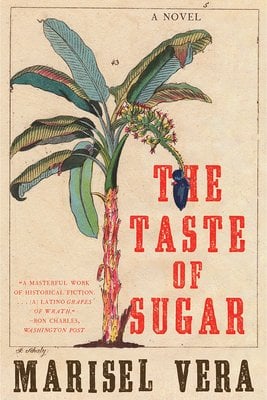
Natural disaster struck on the novel’s pages and in history: Vera writes about the San Ciriaco hurricane of 1899, which was one of the most devastating and deadliest natural disasters ever to hit Puerto Rico. This disaster destroys the coffee crop and sugar plantations, which were the primary source of income for Vicente Vega and Valentina Sanchez, the protagonists, displacing them to the sugar plantations of Hawaii. This tragedy serves as a segue for the author to discuss the relationship between diaspora and the fallacy of the American Dream.
The Great Divide by Cristina Henriquez
An eclectic group of workers unite to construct the Panama Canal in 1907, where each character has different ambitions, upbringings, and intentions. The human lives behind the construction of the Panama Canal are at the forefront of The Great Divide, written by Panamanian-American author Cristina Henriquez.
Francisco is a local fisherman who resents the construction of the Panama Canal, while his son Omar becomes an excavation digger for the project. On the other hand, Ada is from Barbados and arrives in Panama alongside other West Indian people in search of work. Henriquez also focuses on the perspective of scientists through the character John Oswald, who journeyed to Panama in an attempt to eliminate Malaria.
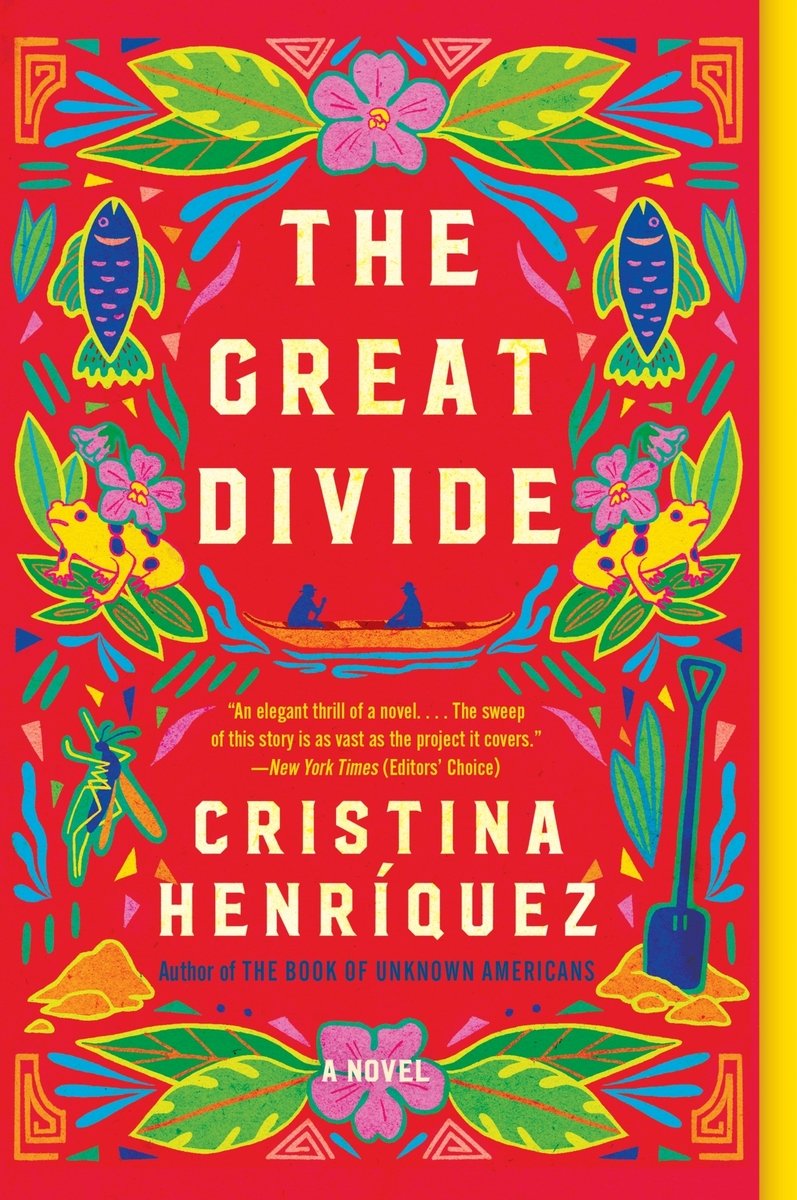
The diverse perspectives from various professions, social classes, and cultural backgrounds provide readers with a comprehensive view of the era. The convergence of these different identities highlights the displacement and death of working people during construction in comparison with the lives of upper-class Americans leading the endeavor.
In the Time of the Butterflies by Julia Alvarez
This gut-wrenching novel by Dominican-American author Julia Alvarez explores sisterhood and loss during the reign of General Leonidas Trujillo, based on a true story. Alvarez writes a fictionalized account of the Mirabel sisters, also known as Las Mariposas, who were found dead on November 25, 1960, at the bottom of a cliff in the Dominican Republic.
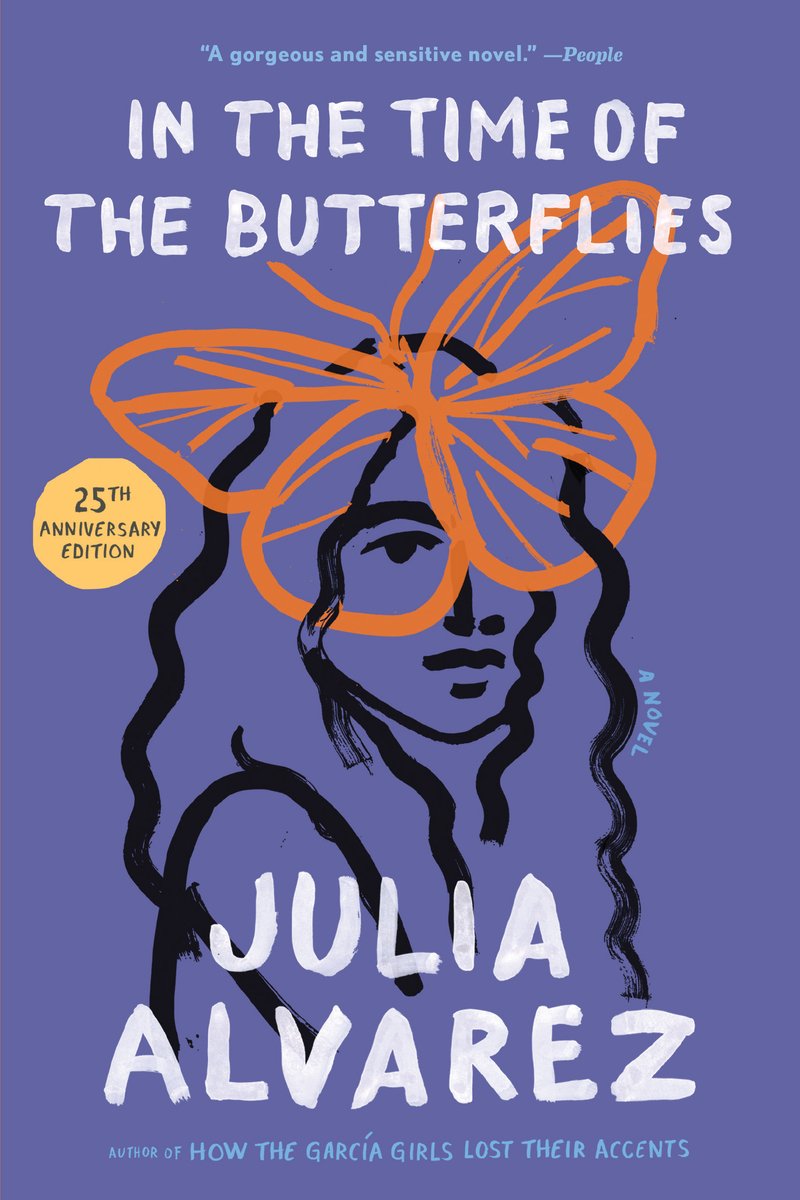
The deaths of these sisters were not as accidental as they seemed; the four sisters were leading opponents of the dictatorship they had no choice but to live under. A key detail overlooked by the press report of the girls’ death is that one sister lived. Alvarez gives each sister her own voice by writing from the perspectives of Minerva, Patria, María Teresa, and the survivor, Dedé.
The Daughter of Doctor Moreau by Silvia Moreno-Garcia
If you love science fiction and classics, you’ll love The Daughter of Doctor Moreau. Moren-Garcia places a modern spin on the classic tale, The Island of Doctor Moreau by H.G. Wells. She implements feminist themes by focusing the narrative on the daughter of Dr. Moreau — hence the title — Carlota.
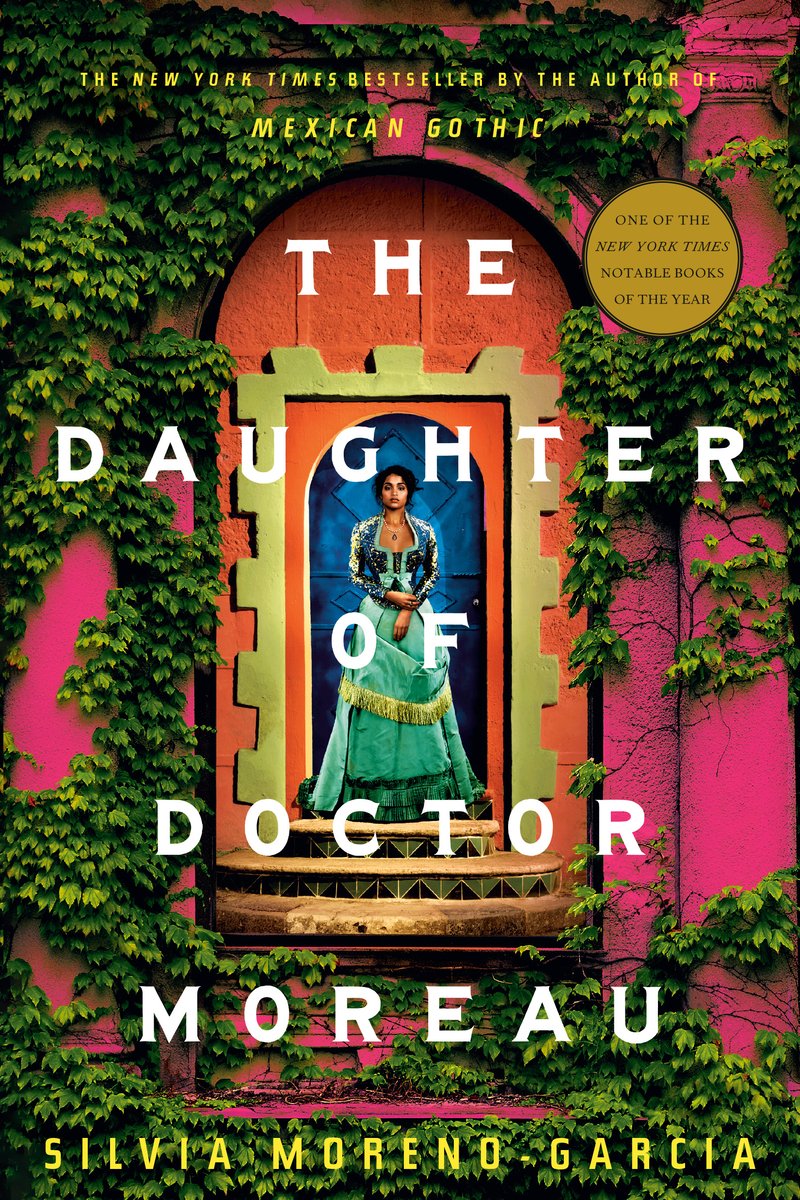
There are underlying romance themes that balance the heavier background of the conflict on the Yucatán Peninsula. Carlota is isolated from this conflict in an opulent estate, while most did not have that privilege during the Yucatán Caste War. On the peninsula, Spanish elites controlled the agriculture and encroached on indigenous customary lands. This oppressive control led to rebellions breaking out in 1847 and beyond. The conflict in this novel is not limited to war; moral conflict is a struggle within this narrative. Carlota’s father creates hybrids, which are half-human, half-animal monsters that are to obey the doctor and his assistant, Montgomery Laughton, mindlessly. The hybrids’ unquestioning submission contrasts with the rebellion that historically broke out within the region and time period in which the book takes place. Although Eduardo Lizalde’s family funds the doctor’s unethical experiments, his entrance in the novel alters the status quo within the narrative.
Cantoras by Caro de Robertis
Cantoras addresses a theme no other book on this list confronts: being part of the LGBTQ+ community under a brutal military government. Five women in Uruguay in the 1970s flee to an isolated cape to live their authentic lives and to limit the fear of persecution by the unaccepting government.
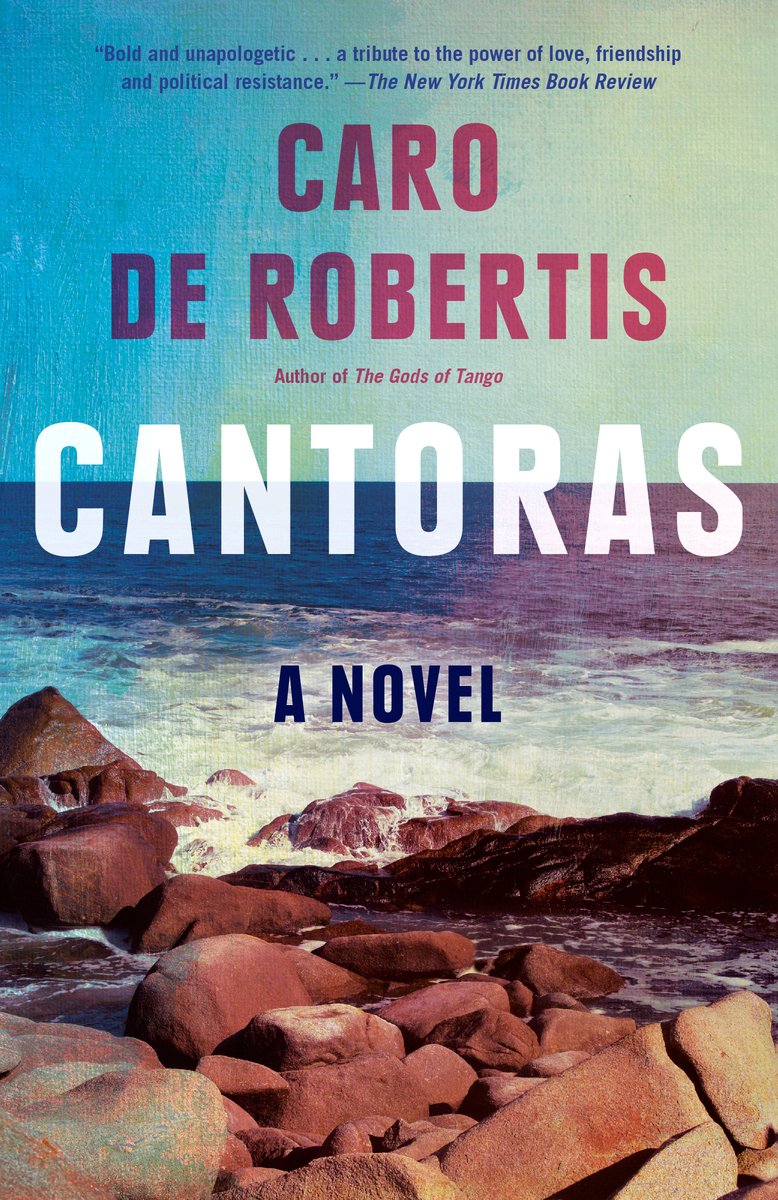
Robertis bases the politics within this earnest tale on the coup that transformed Uruguay from a struggling democratic nation to a land with complete military rule. The Tupamaros led the opposition of Uruguay’s political scene and catalyzed the military to close parliament and implement oppressive tactics like torture and censorship. Through the duration of this government regime of thirty-five years, the women travel back and forth from their isolated cape and face several trials and tribulations in the name of love.
All of these novels share a common denominator: they bring marginalized voices and perspectives that are often overlooked and excluded from history to readers globally. Reflecting on Hispanic history through creative adaptations makes crucial events, culture, and tradition accessible to every reader. These unsung heroes are brought to life by authors through accounts that immortalize their impact on the world as we know it.
Interested in reading about Hispanic urban legends? Click here.
Find Hispanic and LatinX book recommendations from the Bookstr team on Bookshop.org.
