















There is an endless amount of urban legends and myths that are deeply rooted in Hispanic culture. Many of these legends’ origins can be traced back centuries ago. They have developed into larger stories, with individuals adding details over time. These legends have also snuck their way into pop culture. So, let’s dive into the eerie urban legends and myths that Hispanic nations have to offer us!
Trigger Warning: The mention of murder, violence, and abuse may be triggering for some readers. Please exercise personal care when reading this article and each urban legend.
La Isla de las Muñecas
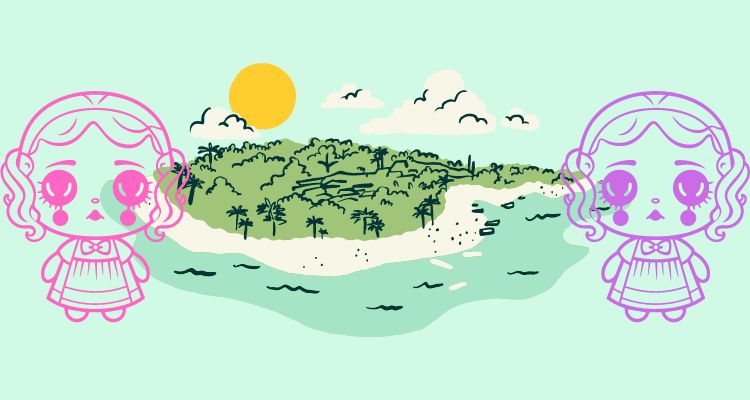
Translated into English, this urban legend is called “The Island of the Dolls.” This story takes place in the Xochimilco canals, south of Mexico City. This legend involves a man named Don Julian Santana Barrera, who was unable to save a young girl from drowning. He found a toy doll that belonged to her and hung it on a tree branch. However, the doll was possessed by her spirit and haunted Julian. He began hanging more dolls in an attempt to appease her spirit. It never seemed to work, but he wouldn’t stop trying. What was Julian’s fate? You can read this eerie myth here.

You should also check out Island of the Dolls by Jeremy Bates. This book takes you to La Isla de las Muñecas and has you experience it yourself. A group of friends travel to the haunted island to film a television documentary. However, they discover a brutal murder. They quickly turn on each other as fear and paranoia kick in. The unknown killer silently stalks them throughout the longest night of their lives.
La Llorona
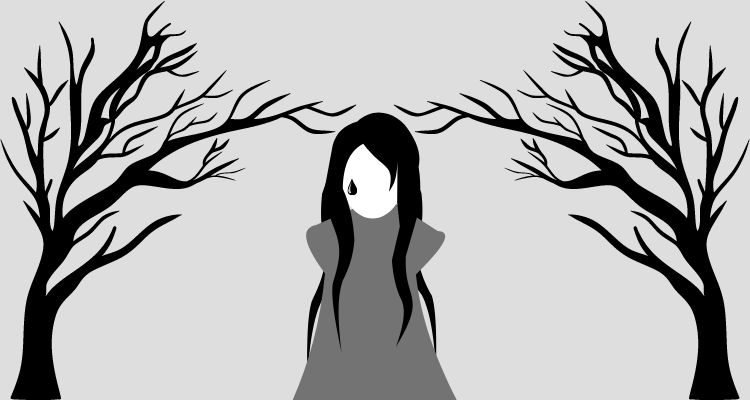
In English, La Llorona means “The Weeping Woman.” The legend of La Llorona has many different ways of being told, each story with varying details. In some variations, she drowns her two sons, and in others, she loses them against her will. However, one aspect that remains consistent in every story is her spirit, which cries out to this day. Her spirit is closely associated with children and mothers. Some say that she appears to mothers, while others claim that she kidnaps children. La Llorona is also said to warn you against bad behavior, but her encounter may be fatal. Learn more about this spine-chilling legend here.
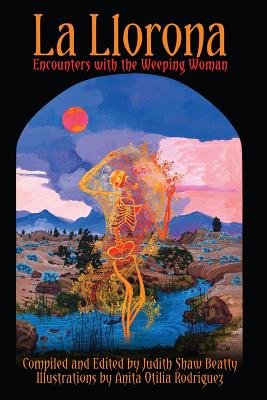
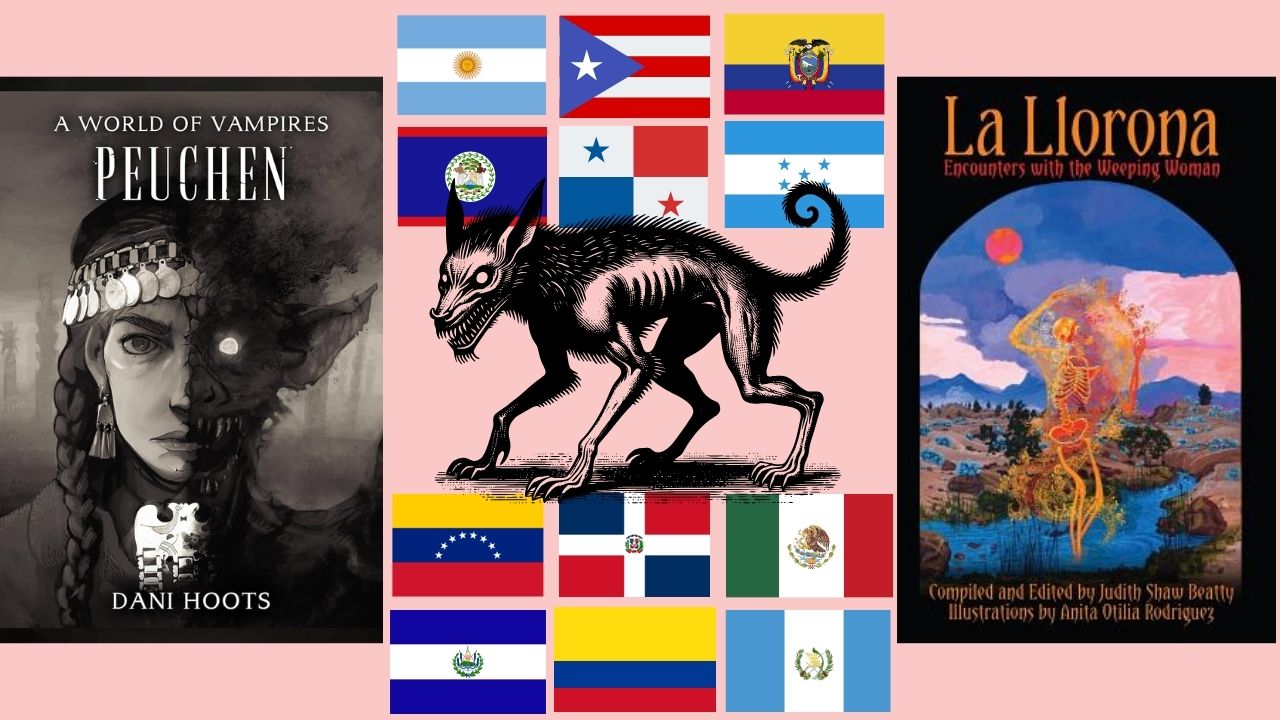
To fully understand this legend, you must read La Llorona: Encounters with the Weeping Woman by Judith Shaw Beatty. This book features fifty-six stories from encounters with La Llorona. Hispanics and Southwestern Americans tell these encounters. However, each of them has unique details that feature her horrifying characteristics. Find out how she terrorized each of her victims in peculiar ways.
El Silbón
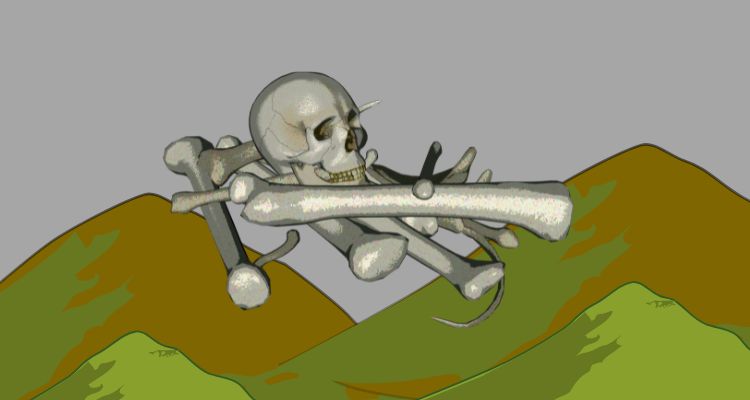
El Silbón translates to “The Whistler” in English. This myth features a young boy living in the Venezuelan Llanos who worked to keep his family afloat. The boy’s father accused his mother of being unfaithful, which led him to murder her. The boy was extremely angry and decided to get revenge by killing his father. However, his grandfather found out what he had done and brutally punished him for it. Now, El Silbón’s spirit lurks around Venezuela, looking for his next victim. If you hear his whistle, then your fate has been decided. Check out the full story and find out what repels him here!
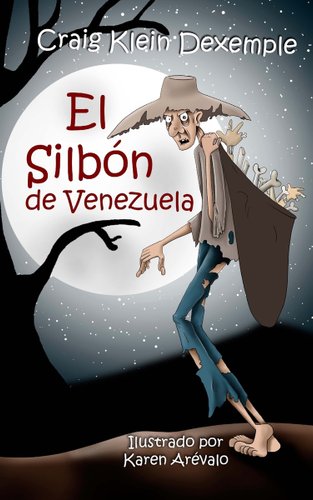
To learn more about this legend, read El Silbón de Venezuela by Craig Klein Dexemple and Karen Arevalo. This book is in Spanish that first-year students can read and understand. It will help you practice Spanish while taking you on a creepy adventure to the Venezuelan plains. This storyline follows a boy named Henry who travels to Venezuela and runs into one of the most feared legends in the nation, El Silbón.
La Ciguapa

This myth is deeply rooted in the culture of the Dominican Republic. La Ciguapa’s story is used as a lesson to teach individuals to approach the natural world with a sense of wonder and, most importantly, caution. La Ciguapa is a woman who has backward-facing feet, and her story is closely tied to Taino culture and mythology. She lives in the rainforest and works to warn people of the unknown elements of nature. She throws hikers off their trails and lures them deeper into the forest. Similar to sirens, La Ciguapa uses her beauty to captivate men. Read more about La Ciguapa’s legend here.
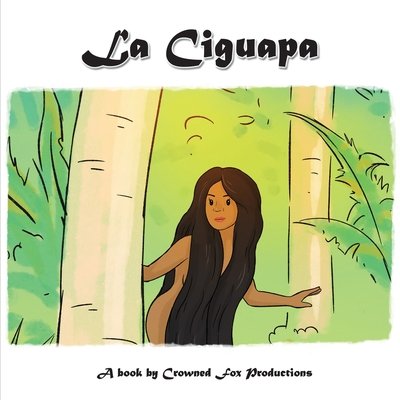
Be sure to check out La Ciguapa by Crowned Fox Productions, Diamonique Gurny, and Daniila Kolot. Two farmers are walking through the forest of the Dominican Republic to go home. However, they are traveling right through La Ciguapa’s territory. How will they protect themselves against her, and will they make it home safely? This book features the storyline in Spanish and English!
La Patasola

Translated into English, this mythical creature is called “The One-Legged Woman.” Her legend runs rampant from Colombia’s northern Pacific coast to southern Ecuador, specifically in the Andean region. Her story begins when she cheated on her husband. He found out and proceeded to cut one of her legs off. After this, she promises to seek revenge against all men. La Patasola lives in the jungle and lures men by singing sweetly or screaming for help. Once they follow her voice, their time on Earth has come to an end. She is a supernatural huntress who feasts on the blood of ordinary men. You can read about La Patasola’s myth here!

Dive into La Patasola by Beatriz Caballero, Ivan Cardozo, and Esmeralda Pinzón to learn more about this myth. This book features a play for children that is completely in Spanish. A foreign oil company is drilling into the Colombian plains and it is destroying the environment. The foreign men are also abusing wild animals as they wreck nature. La Patasola refuses to tolerate anymore and decides to do what she does best.
El Cucuy
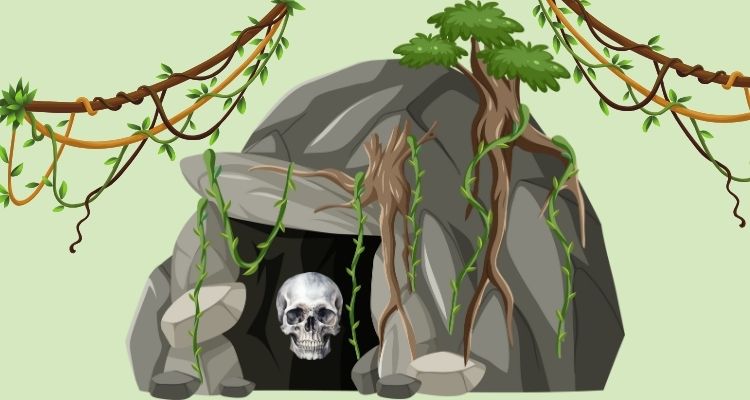
El Cucuy, also known as El Coco, is a boogeyman-like creature. The literal translation of El Cucuy is coconut. However, the manner in which this term is used refers to a skull or head. The story of this boogeyman is popular among Spanish and Portuguese-speaking countries. El Cucuy is able to travel around through language and culture. Therefore, any Spanish, Portuguese, and Galician-speaking regions are susceptible to his hauntings. El Cucuy is said to live in a cave and snatch misbehaving children. Is his story real, or is it used to persuade children to behave? Learn more about this story here.
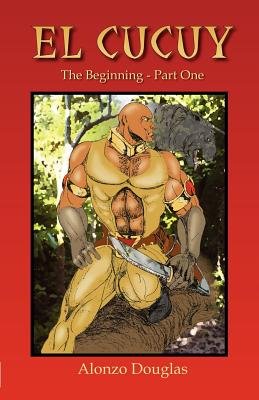
Discover the mythical origins of El Cucuy with El Cucuy: The Beginning, Part One by Alonzo Douglas. El Cucuy is left to fend for himself in the middle of the rainforest. Fortunately, the milk of a jaguar was able to sustain him. He can communicate with the jaguars, and they decide to make a deal. They want El Cucuy to get the drug lords out of the rainforest. Will he successfully complete the mission?
El Chupacabra
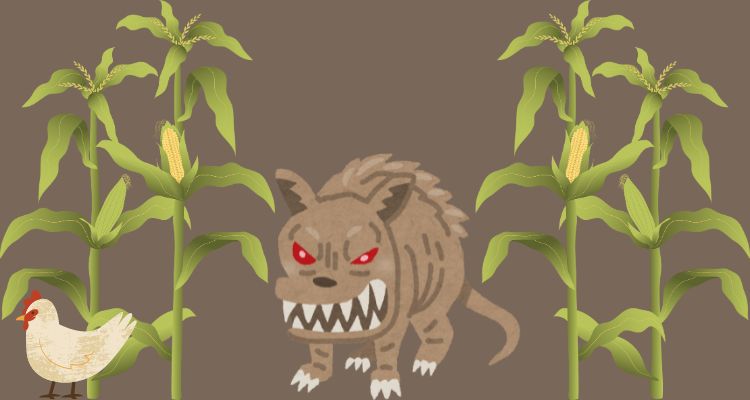
El Chupacabra is a very popular urban legend across Latin America. It is translated to “The Goatsucker” in English. It is a monstrous creature that attacks animals and sucks their blood. These creatures are often blamed for the death of farm animals. It is said that Chupacabras drain the animals of their blood and leave their carcasses behind. The first report of a Chupacabra being spotted was in 1995 in Puerto Rico. Since then, this myth has spread like wildfire across Latin America. It has also made its way into Hollywood films and American myths. Check out the full story here.
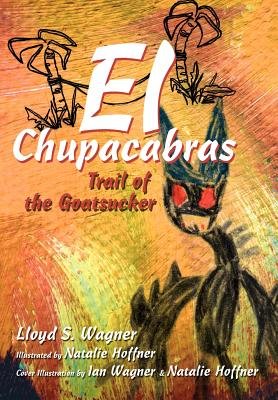
You should also read El Chupacabras: Trail of the Goatsucker by Lloyd S. Wagner. This book follows two brothers who are on vacation with their step-sister. They are in the beautiful and tropical nation of Belize. However, everything is not as great as it seems. Everyone is convinced there is a Chupacabra in the region. Will they come face-to-face with the goat-sucking monster?
El Cadejo
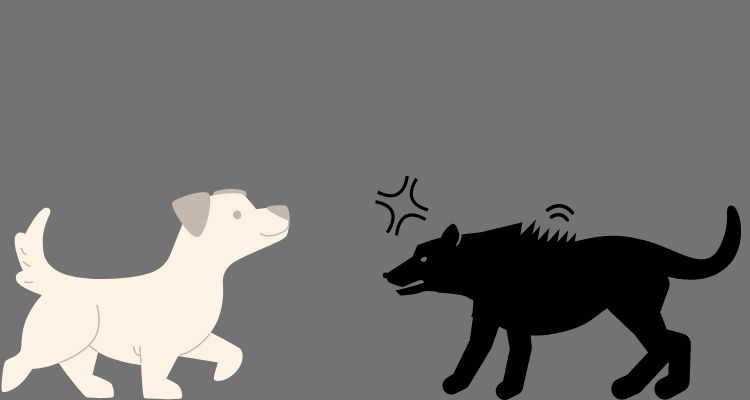
The story of El Cadejo has different variations among El Salvador, Guatemala, Honduras, Belize, Mexico, and Argentina. However, one of the many stories contains aspects of religion. God sent a white Cadejo to protect people who lived in remote locations. Since there were a lot of evil entities, they lived far from towns and were out during late night hours – they needed protection. However, the devil saw the white Cadejo that God sent and decided to retaliate. The devil sent an evil Cadejo to ruin the plan of protecting these people. Some legends even say that El Cadejo is the devil himself. Find out more about El Cadejo here!
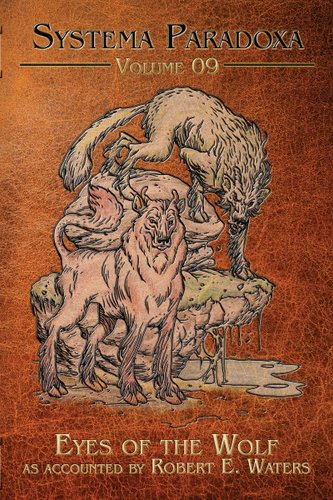
You must read Eyes of the Wolf: A Tale of El Cadejo by Robert E. Waters as well. A trail of sudden death and desolation has plowed through Texas. Agent Chimalis Burton from the FBI is assigned to the case and seeks an answer before the tragedies escalate. She suspects this evil originates from a legend that has been lurking in the dark for centuries.
La Segua
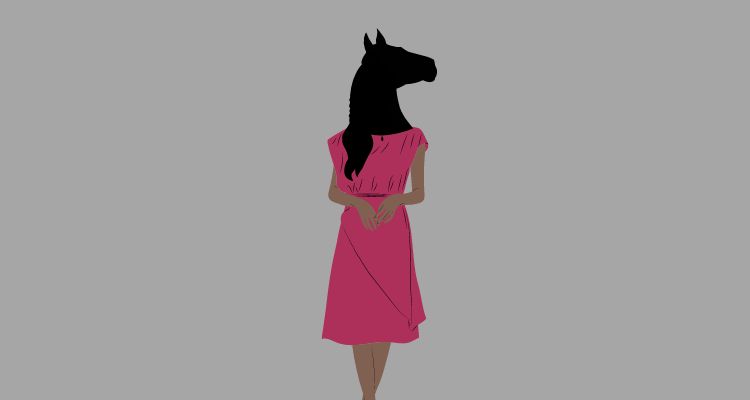
La Segua was an indigenous and Spanish woman who lived in Cartago, Costa Rica. She began dating a Spanish man, even though her family did not approve of him. However, he abused her and eventually cheated. La Segua was overcome with such anger that she was cursed. Now, she hunts men who are unfaithful and misogynistic. She lures them in with her beautiful appearance and gains their trust. Everything seems fine until her head transforms into a horse, and she takes their life. Is the story of La Segua true, or is it just to make men behave? Read a few of this legend’s variations here.

If you want to experience La Segua’s legend, then you must read Honest Men Only: Conversations with La Segua by LM Martens. This book features a retelling of La Segua’s myth. She has a series of conversations with a variety of people, each from a different walk of life. However, she is preparing to visit her next victim. La Segua is planning to murder a nameless President.
El Sombrerón
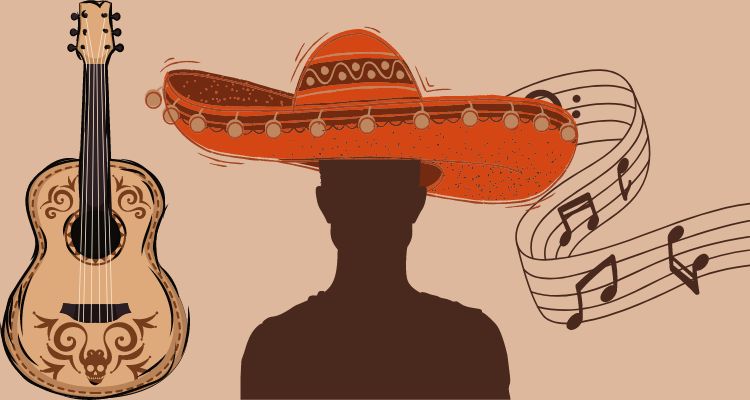
El Sombrerón’s story begins when he falls in love with a woman named Susana. He was extremely attracted to her features, as she had long hair and big eyes. El Sombrerón would stand outside her balcony and serenade her every night. Susana and her parents quickly became sick of his behavior. So, her parents forced her to cut her long hair and got a blessing from a priest. This caused El Sombrerón to lose all attraction he once had for her. Currently, he roams the streets at night looking for girls with long hair and big eyes. You can read El Sombrerón’s full legend here.

El Sombrerón by Vera Bolanos depicts a different kind of tale than the creepy one you just read about. This is a children’s book that is completely in Spanish. The storyline follows a friendly rogue singer who sings with his guitar and lives in an enchanted forest. This book provides children with a delightful twist on the Guatemalan legend.
El Peuchen
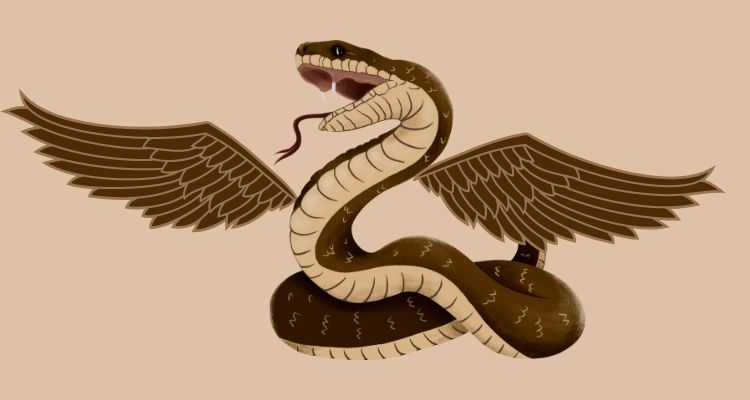
El Peuchen is a popular urban legend in Chile and Argentina. This story originated among the Mapuche peoples of southern Chile and southwestern Argentina. The word “El Peuchen” can be loosely translated to “Vampire Bat.” It is a shapeshifting creature, but it is commonly described as a snake with wings. It makes deafening and strange whistling noises as it flies through the air. El Peuchen swoops down to paralyze its victims with its gaze and then consumes their blood. Its prey usually consists of goats and sheep, but it also enjoys the taste of human blood. Learn more details about this myth here!

Peuchen by Dani Hoots gives us the backstory behind the creepy legend. A woman named Apachita was once a powerful healer and religious leader. However, foreigners crossed the ocean and plowed into Chile and Argentina in the 1500s. She must save her people from their cruel domination. Now, she faces a difficult dilemma. Will Apachita trust the spirits like she always has? Or will she betray them and ask the creatures of the dark for help?
Now that you have these 11 spooky Hispanic urban legends and myths, make sure to dive into each one to get all the spine-chilling details. Not only will these legends send you some eerie energy, but they’ll also give you a glimpse of the fascinating culture that comes with them!
Interested in Hispanic literature? Click here.
Find Hispanic book recommendations on Bookshop.org.