

















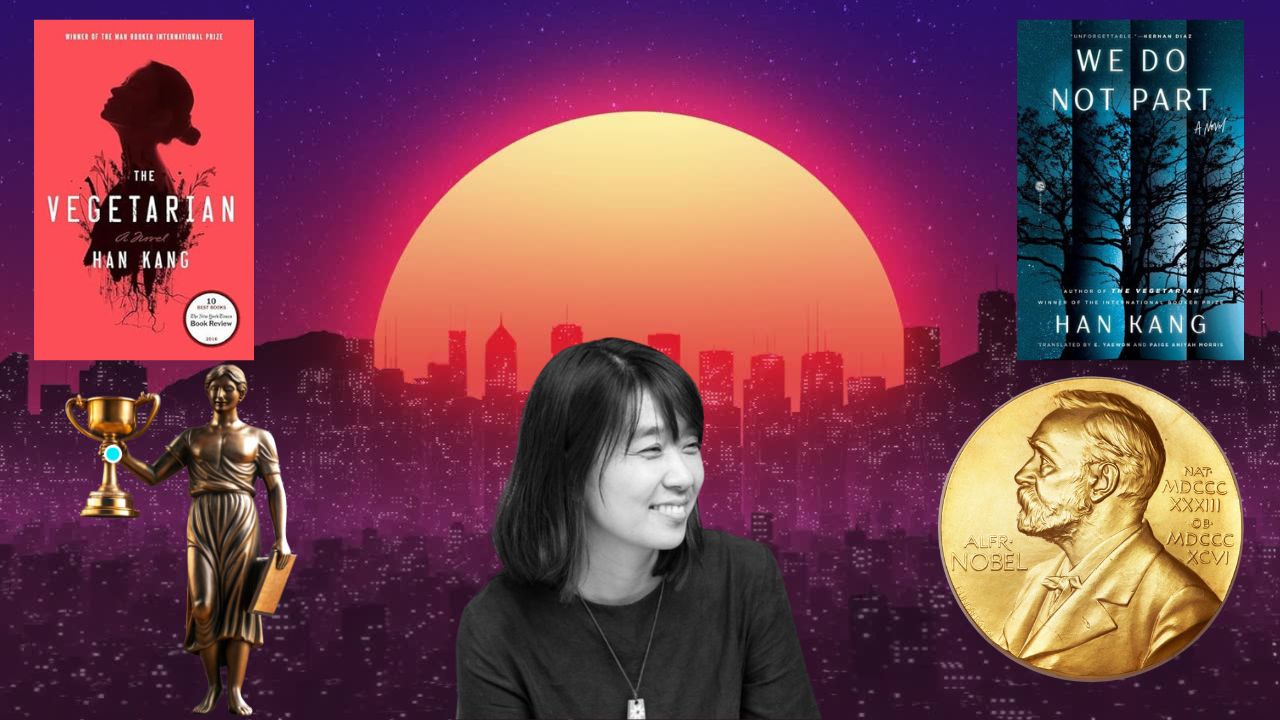
In a historic moment for South Korean literature, Han Kang has been awarded the 2024 Nobel Prize in Literature, making her the first South Korean author — and the first Asian woman — to receive this prestigious honor. This Nobel Prize not only recognizes Han Kang’s extraordinary literary achievements but also shines a deserving spotlight on the rich and diverse landscape of Korean literature. As she humbly accepts this accolade, Han Kang’s win marks a significant milestone, inspiring a new generation of writers and readers alike. Keep reading to learn more about Han Kang’s life, her most impactful works, and the significance of her Nobel Prize win for the world of literature.
Who is Han Kang?
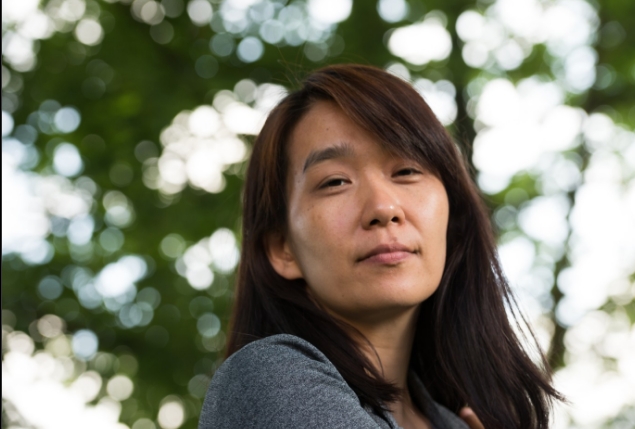
Han Kang was born on November 27, 1970, in Gwangju, South Korea — but she grew up in Seoul. She studied at Yonsei University and her literary career started with her first publication of poems in 1993. And then she did it again just a year later with her debut in fiction writing. Han Kang was never a stranger to the magic of literature. She credits her early exposure to her father, Han Seung-won, who is also a novelist in his own right.
Han Kang is well-known for her intense and poetic prose — the kind that explores violence, trauma, and the human condition. She has an uncanny ability to confront historical traumas and human fragility with profound sensitivity, garnering her international acclaim. A powerful voice in contemporary literature, Han Kang’s writing is characterized by its emotional depth and lyrical quality. Her recent Nobel Prize win in Literature is a well-earned testament to her significant contributions to the literary world and her ability to resonate with readers globally.
The Nobel Prize Event
The Swedish Academy awards the Nobel Prize in Literature every year, and Han Kang’s 2024 win marks a historic moment twice over. The announcement praised her lyrical and intense prose, both tender and brutal, and her unique way of addressing complex and uncomfortable themes. In response, Han Kang humbly expressed her surprise and honor at receiving the award, thanking her deep connection to Korean literature. She had just finished dinner with her son at their home in Seoul when she found out. The YouTube video above captures Han Kang’s reaction just moments later in an interview where she talks about being the first South Korean literature laureate (and the first Asian woman recipient) and shares insights into her writing process. She hopes this recognition will bring joy to readers and fellow writers.
Han Kang’s Published Works
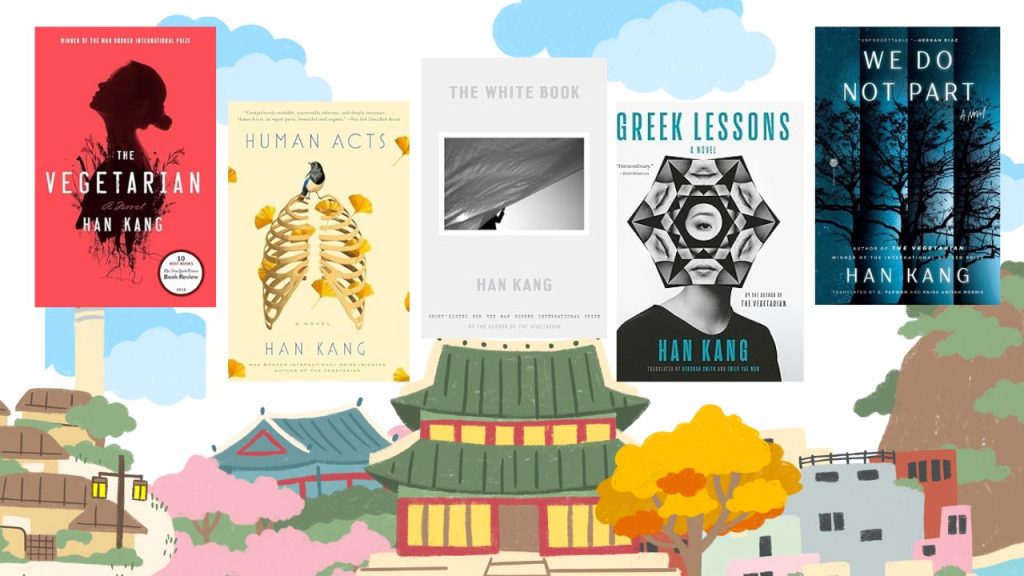
The Vegetarian (2007): This is the novel that brought her international acclaim. It explores isolation, social conformity, and violence through the story of a woman who has extremely disturbing dreams, which prompt her to stop eating meat.
Human Acts (2014): Covering the aftermath of the 1980 Gwangju Uprising, this book reflects on historical traumas and their lingering effects. The story unfolds after the tragic death of a young boy named Dong-ho during a violent student uprising, featuring accounts from his family, witnesses, and an editor who was fighting against censorship.
The White Book (2016): This meditative work is part fiction, part autobiography. It focuses on life, death, and grief, told through a nameless narrator who focuses on the color white to creatively channel her inner pain.
Greek Lessons (2011): Through the lens of language learning, this novel explores communication and the human condition. It tells the story of two ordinary people brought together by a private anguish they have in common — the fading light of a man losing his vision and the silence of a woman who has lost her language.
We Do Not Part (2025): Available to preorder now, this book comes out on January 21, 2025. It is described as both a hymn to a special friendship tested by an extreme snowstorm and an argument for remembering a story of love in the face of violence, even though life is fragile.
Impact and Legacy
Han Kang’s work is celebrated for its emotional depth and its unflinching examination of difficult subjects. Her Nobel Prize win not only honors her individual achievements but also shines a spotlight on Korean literature on the global stage.
It’s award season! Check out the finalists for the 2024 National Book Awards — just click here.
No bond is stronger than that of true friends. Browse our bookshelf for more stories about iconic besties.
