

















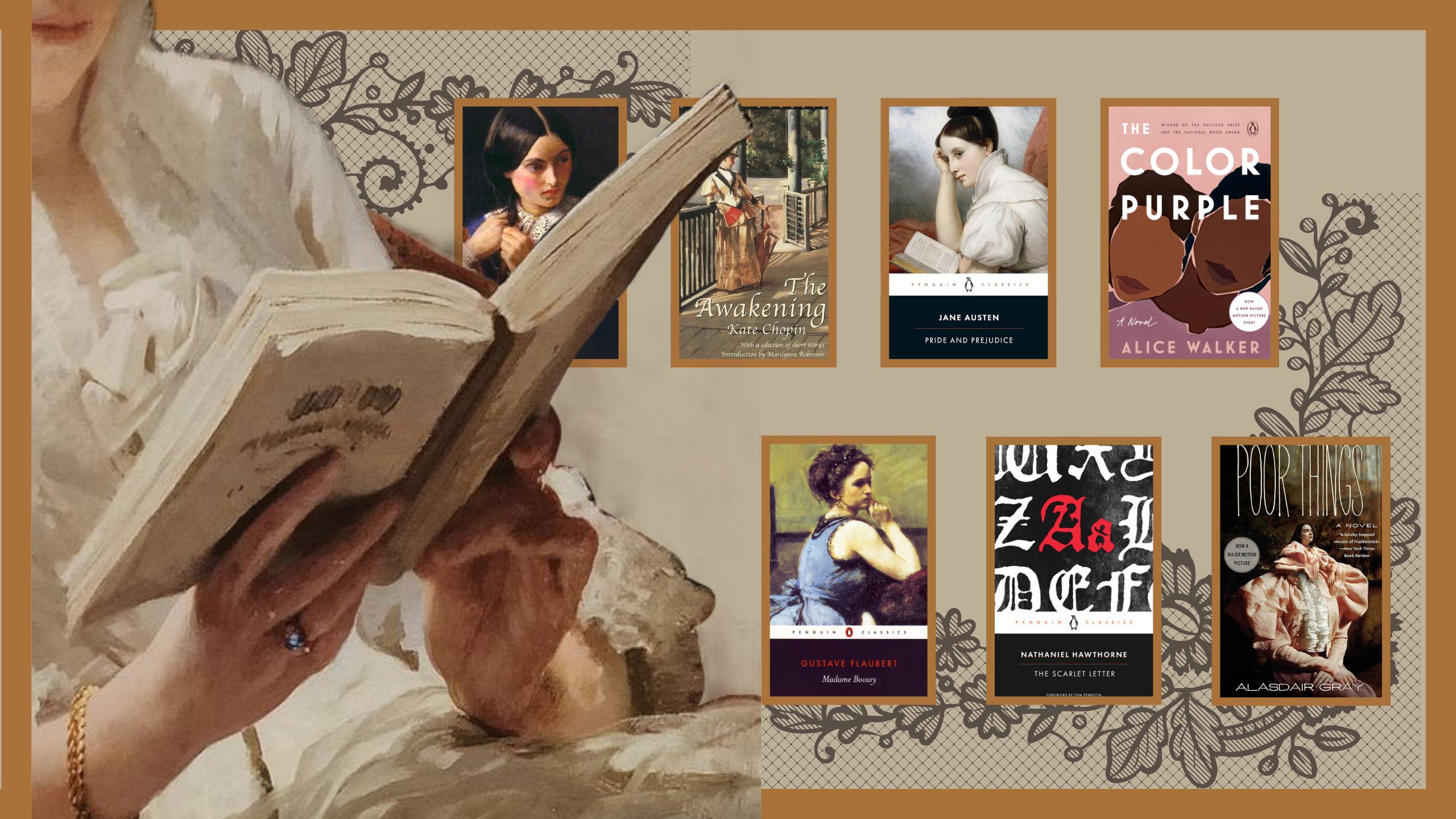
As we dig deeper into the underlying themes expressed in classic novels, it becomes clear that there is far more at play than blatant misogyny. Within the foundation of classic literature, it remains essential to examine how these works spark discussion on female sexuality, societal expectations, and gender norms. Madame Bovary, written by Gustave Flaubert and published in 1856, serves as a great example. Even more than a century later, these classics continue to shape and challenge our understanding of the roles and representations of women in literature and society.
Madame Bovary by Gustave Flaubert
Madame Bovary by Gustave Flaubert tells the story of Emma Bovary, a woman who becomes dissatisfied with her life as the wife of a kind yet dull country doctor. In her restlessness, she seeks escape through love affairs and shopping sprees, chasing what she believes will bring her fulfillment. Her romantic ideals clash, disappointing her and further leading her to despair.
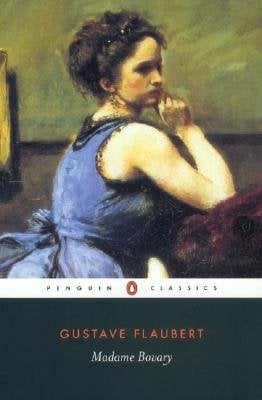
I view this classic novel as somewhat of a warning from Flaubert. Through Emma’s desires and downfall, the novel represents how women who sought independence were condemned to a life of suffering. As she attempts to gain control of her life through actions that essentially push the social boundaries at the time, instead of offering her liberation, these acts lead to social disgrace and destruction. From this, the novel reflects the cultural restrictions of its time, that a woman who rejects the moral boundaries of marriage will face tragedy. Flaubert’s portrayal reinforces the idea that there is no successful path for female fulfillment outside the roles of wife and mother. Emma’s yearning for autonomy and freedom becomes futile, underscoring a broader social message that female self-determination must be punished.
The Scarlet Letter by Nathaniel Hawthorne
Set in the 17th century, The Scarlet Letter follows Hester Prynne, a woman publicly shamed for committing adultery. After giving birth to a daughter, Hester is forced to wear a scarlet letter “A” on her chest to symbolize her wrongdoings. She endures years of isolation and scorn, yet through this grows strong and self-reliant.

Hawthorne’s novel portrays the constraints placed upon women in a patriarchal society and the consequences of pushing those boundaries. Hester becomes the symbol of suppressed female sexuality as her act marks the challenge to the rigid gender norms that are placed on her behavior, such as purity and obedience. Her punishment transforms her body into a public site of shame, and her once private sexuality becomes a warning used to reinforce societal order. Yet, in contrast to Madame Bovary, this reveals Hester’s resilience amid her punishment. She builds an independent life, supporting both herself and her daughter, demonstrating a rare autonomy at the time. Still, her liberation comes within suffering and isolation, suggesting that a woman’s journey for bodily autonomy leads to exile rather than empowerment.
Poor Things by Alasdair Gray
Poor Things tells the story of a woman named Bella Baxtor in her journey of self-autonomy and desire. Many know this story from the 2023 film adaptation of the novel, but let’s dig deeper into Gray’s postmodern reimagining of Victorian literature. Bella begins life as a male scientist reconstructs her. Because of her blank-slate mindset, she grows into an independent figure, defying the time’s moral and social norms as she refuses to be confined by domestic ideals. Yet her story exposes how female identity is often mediated through male authority.
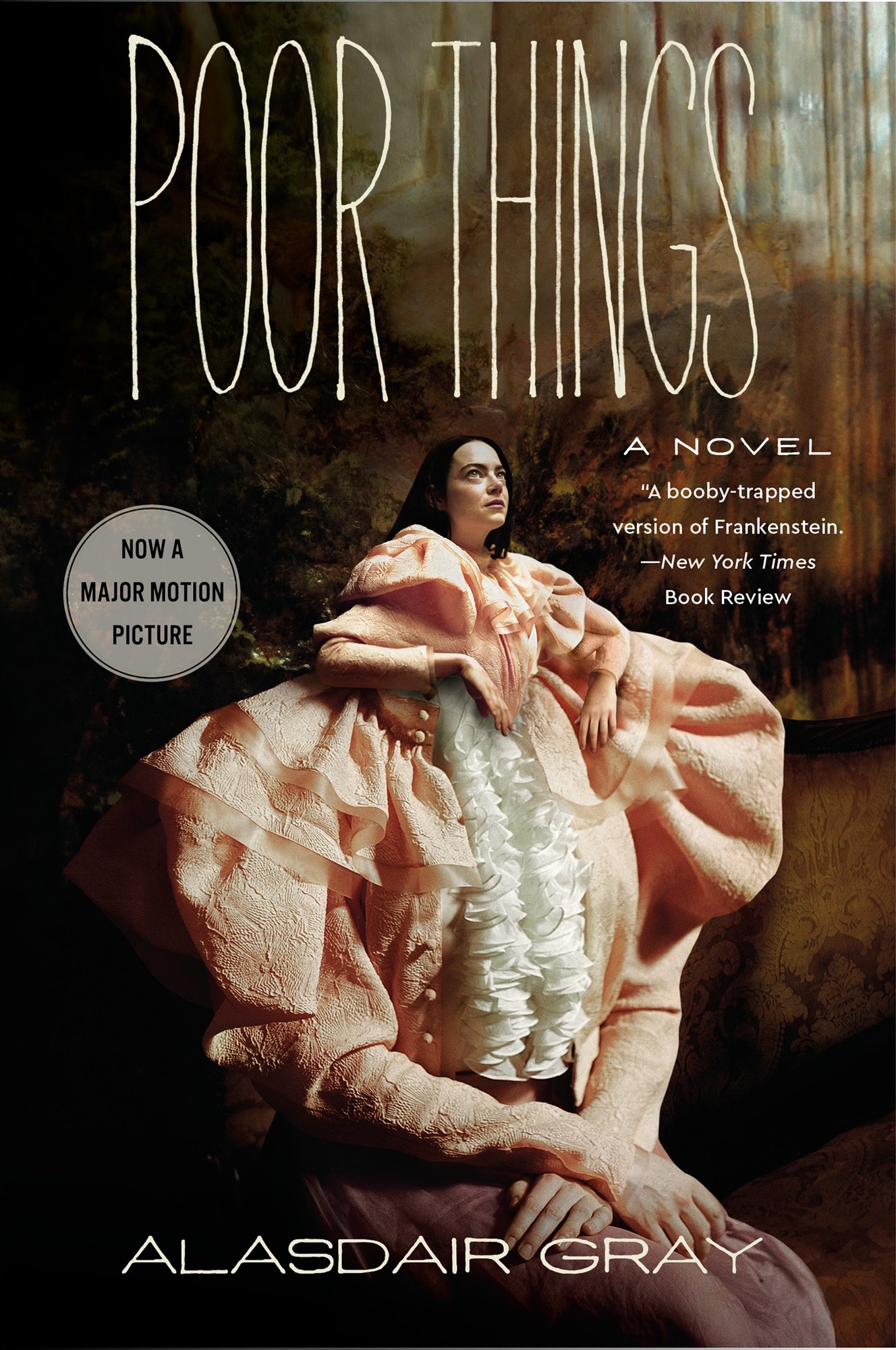
This novel explores the control of women’s identity from the very beginning, where Bella is quite literally “brought back to life” or created by men. Because of this, she is established as an object of male experimentation. As Bella explores her sexuality and intellect, she breaks the boundaries that confine her without shame. Through the actions of men around her, from fascination to horror, she reveals just how society punishes or isolates women who challenge these limits. Poor Things exposes the mechanisms of control that define womanhood as something to be possessed or corrected, but in doing so, we can also celebrate the potential of a woman who insists on defining herself.
Jane Eyre by Charlotte Brontë
In the well-known classic Jane Eyre by Charlotte Brontë, we are told the story of Jane’s life as she struggles to gain independence, self-respect, and love. From when she’s in an orphanage to her adult life, she faces the confines of a rigid patriarchal society as she endures what it truly means to be a “proper woman”. Yet Jane refuses to suppress her sense of justice, laying the foundation for her lifelong struggle for independence. As she seeks this, she still can’t fully escape the gender norms of the time. Further, Jane’s romantic relationship as an adult isn’t simply a romance, but a highlight of how a woman’s pursuit of self-autonomy is always somehow entangled within the gendered power structure of the time.
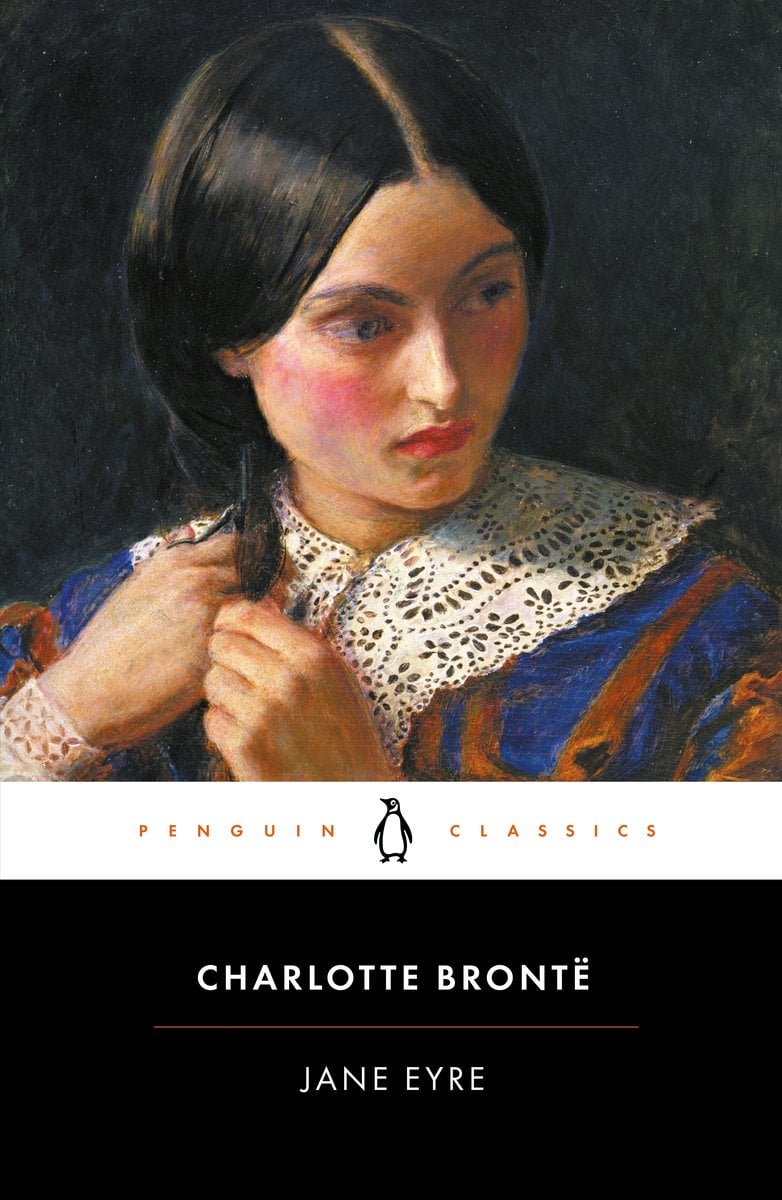
Brontë continually reinforces the gender norms and power dynamics that constrain women in Victorian society. Jane’s experiences expose how women’s lives are defined by hierarchy and moral expectation. Yet even as Jane asserts her independence, she must navigate a world where men hold social authority. Even though Jane demands equality in love, her journey to it requires sacrifice and resilience. She is therefore presented as a woman striving to define herself beyond society’s limitations, yet her ultimate fulfillment comes within marriage. This is simply a reminder that even a woman as principled as Jane can not fully escape the patriarchal order of her time.
The Awakening by Kate Chopin
Edna Pontellier is a young wife and mother in The Awakening, beginning to question the rigid gender roles and societal expectations that define her life. After an influential “awakening” with her friend over the summer, she returns home to her husband and children, determined to live for herself. In her resistance, Edna rejects her typical domestic role and asserts control over her body by making her own choices. Yet, like Madame Bovary, the world around her can not accept her open expression of desire, and in the end, Edna is isolated and gives in to tragic surrender.
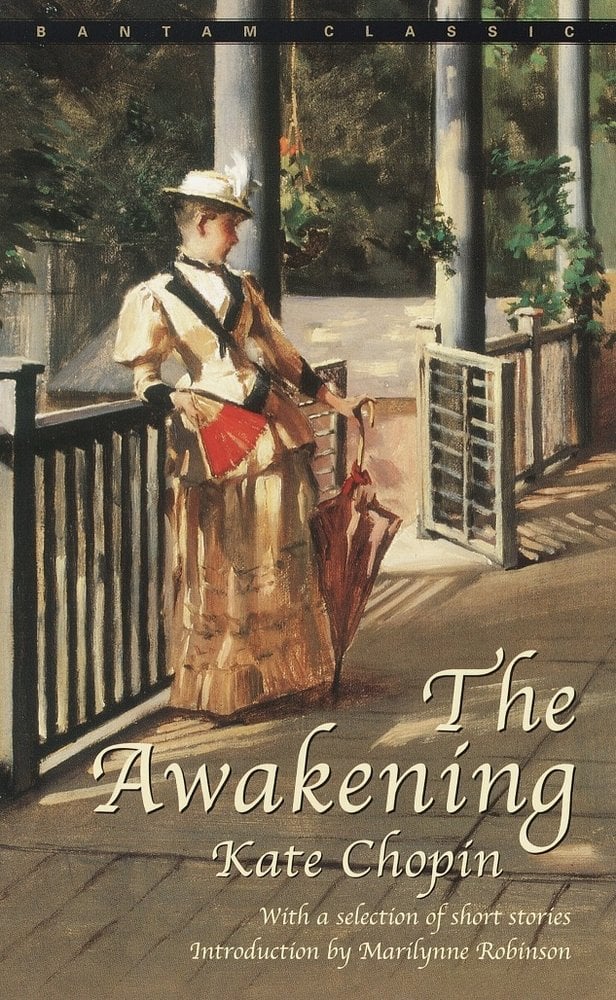
Edna’s journey reveals just how trapped women were in the late 19th century by strict gender roles. Her growing desire for independence and sexual expression challenges a traditional purpose to serve her husband and children. As she begins to live for herself, society rejects her, and those around her can not accept her choices. Her tragic ending is a representation of a world where a woman’s seeking autonomy only ends in her suffering.
Pride and Prejudice by Jane Austin
In the popular classic, Pride and Prejudice still continues to express important themes pertaining to love, class, and social expectations. The story follows the character Elizabeth Bennet as she navigates the pressures of traditional marriage and reputation in a world centered around finding security in a suitable husband. As Elizabeth’s story progresses through her romantic relationship with Mr. Darcy, we can see how women’s choices are limited by economic and gender constraints.
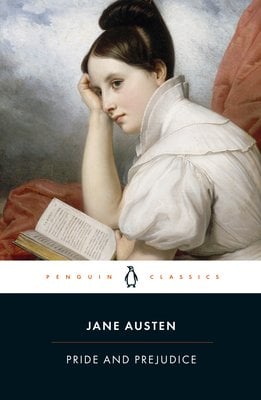
As we dive deeper into what economic and gender constraints are presented in Pride and Prejudice, it becomes apparent that marriage often seems to be the only path to stability. Austin also challenges these expectations through Elizabeth by portraying her as a woman who values intellect and independence over wealth or status. Yet the society around her constantly reminds readers of the limits placed on women’s choices, such as whom she may marry. The story truly exposes how women were confined by class and reputation, even in a more balanced relationship between Elizabeth and Mr. Darcy.
Lady Chatterley’s Lover by D.H. Lawrence
The novel, Lady Chatterley’s Lover, tells the story of Constance Chatterley as she navigates through her marriage with Clifford Chatterley, a wealthy man who becomes paralyzed from the waist down. Because of this, their marriage becomes emotionally and physically distant, causing Constance to venture into her own journey of awakening. She begins to have an affair that becomes both erotic and emotional, symbolizing a challenge against the rigid class dynamics and moral roles of English society.
Through her discovery of her own desire and need for intimacy, Lawrence begins to examine how rigid gender norms are reflected in upper-class life. Constance’s relationship becomes a form of liberation and rejection of both class boundaries and suppression of sexuality. The censorship surrounding this novel ultimately reveals how this portrayal of female desire threatened traditional norms at the time. Lawrence challenges the idea that female success depends on submission to marriage, and instead presents her awakening as something vital to her humanity.
The Color Purple by Alice Walker
Celie is a poor Black woman in the rural South in the novel The Color Purple. Walker tells her heartbreaking story as she suffers abuse from her stepfather and later from her husband. Over time, Celie begins to find her voice and strength through relationships with other women, ones that teach her about love, self-worth, and sexual autonomy. Through this influence, Celie begins to see her body and her life as her own, rather than as property of men.

Walker paints a perspective that exposes the gender norms and sexual oppression that particularly restrict Black women in early 20th-century America. As Celie grows in her understanding of her own freedom and bodily autonomy, she discovers that these themes can exist beyond the boundaries defined by patriarchy. The confidence she learns from other women challenges the belief that women must be ashamed of their desires, showing Celie a new path toward independence. From this, she redefines womanhood as strength and connection, ultimately transforming female sexuality from something shameful into something empowering.
Anna Karenina by Leo Tolstoy
Like many other novels that explore marriage and affairs, Anna Karenina follows the journey of Anna Karenina through more than just a story, but also a deep psychological understanding. Exposing just how societal hypocrisy and emotional isolation destroy her. Anna’s pursuit of love and emotional fulfillment challenges the culture of Russian high society, as it values reputation and duty above happiness. In her affair, she becomes isolated from her family and friends, struggling with guilt, jealousy, and social punishment.
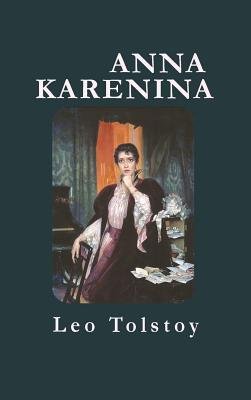
Tolstoy reflects female constraints and societal repression that defined Anna’s life in 19th-century Russia. Her affair demonstrates the double standards of women and men, where men’s indiscretions are tolerated, while women are met with social and moral outrage. Once she defies being a wife and mother, she becomes an outcast and is judged by the society that once admired her. Anna’s isolation is a representation of how women who sought autonomy were stripped of their identity and belonging. Anna’s downfall is not simply personal, but a consequence set by the world built to punish female desire and independence.
Mrs. Dalloway by Virginia Woolf
Mrs. Dalloway is a 1925 novel that follows the story of Clarissa Dalloway. As she prepares to host a party, she reflects on her past choices, love, and the meaning of her life. We also see an interwoven perspective of Septimus Warren Smith, a war veteran suffering from shell shock, grappling with questions of sanity and mortality. This paints an image of a world created by repression. Clarissa’s life as a wife and hostess embodies the limits placed on women, who are expected to find purpose in serving others rather than pursuing their own desires.

This novel reflects the social and psychological constraints placed on women as Clarissa’s life is defined by her roles as a wife, hostess, and mother. This reveals how women were expected to find fulfillment through others instead of through their own independent purpose. Her marriage gives her comfort, but doesn’t fulfill her longing for passion or freedom, and she often wonders what her life could have been if she had made different choices. Through Clarissa’s quiet reflections, we see that women are expected to hide their desires and individuality. Even in comfort and privilege, Clarissa’s story shows that a woman’s inner life can be shaped and restricted by the rules of society.
These classic novels highlight how women’s lives are shown as deeply shaped by societal expectations and limits on their freedom. Each story reveals how women who challenge their roles face judgment and isolation. Still, these characters show resilience and awareness, reminding us that their struggles reflect broader outlooks on society.
Read more classic tales of literature here.
Find more banned/censored novels here.
