














Human rights are the inherent rights that are afforded to all humans without exception. According to the United Nations, some of the most fundamental human rights include but are not limited to the right to life, liberty, freedom from slavery and torture, freedom of expression, the right to work, and the right to an education.
The fight for universal human rights is never over. Many of the threats to human rights are not covered by mainstream media, and if they are, it is rarely to the full extent. The best way to educate yourself on the real-world implications of the ongoing fight for universal human rights is through the power of stories. Here are ten books that take you around the world to show the truth behind the horrors of human rights violations and the importance of staying informed about the world around us.
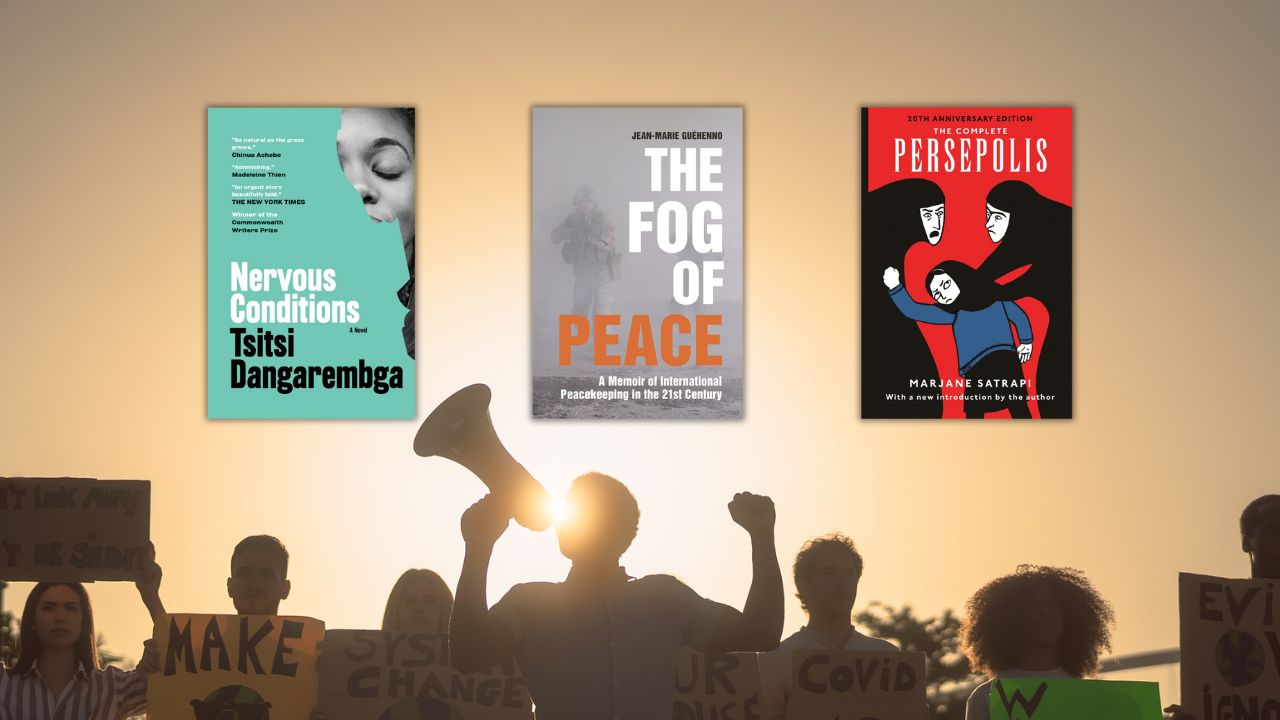
Nervous Conditions by Tsitsi Dangarembga
Nervous Conditions is a three-part series that starts in Zimbabwe two years before it gains independence. The first novel, titled Nervous Conditions, follows a young girl named Tambudzai Sigauke as she starts her education. Like her native country, she fights for independence from her life in her restrictive village. She feels the pressure of the privileges of her education as she becomes her family’s opportunity for a better life.
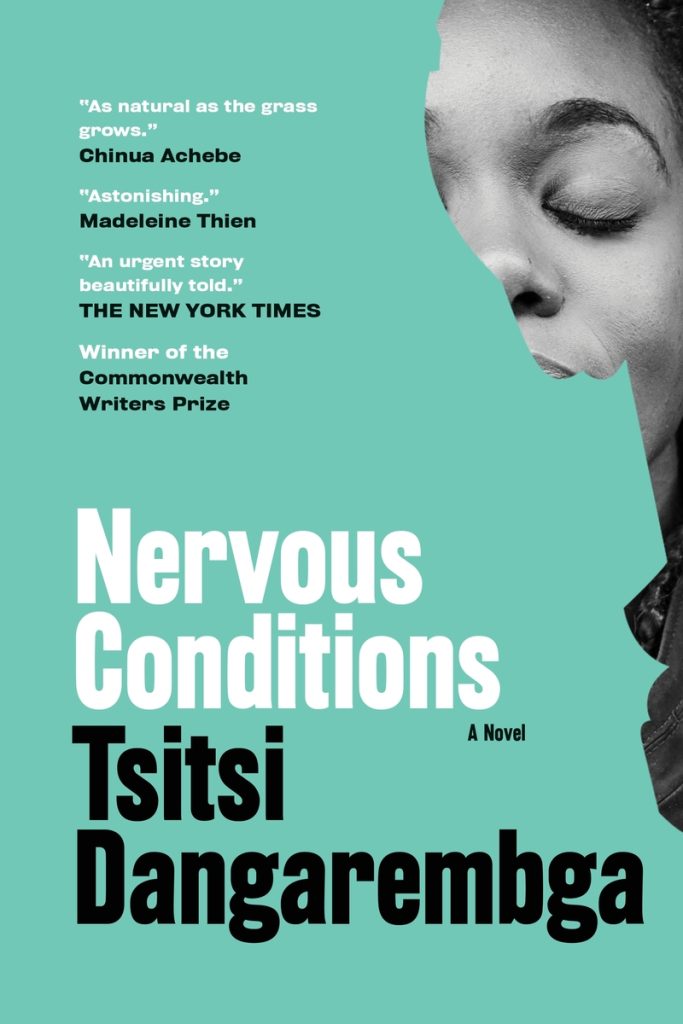
Her wealthy uncle sponsors her education at a mission school where she is a minority and deals with discrimination. The second book, The Book of Not, and the third book, This Mournable Body, continue with the story of Tambudzai as she faces the harsh realities of war and the lasting impacts of colonialism. The series dives into many aspects of growing up in a young country like Zimbabwe, as both the nation and Tambudzai struggle to find their way.
Anil’s Ghost by Michael Ondaatje
In Anil’s Ghost, Michael Ondaatje tells a gripping story of Sri Lanka and one woman’s harrowing homecoming to a country ravaged by civil war. Anil Tissera was born in Sri Lanka, but left to pursue her education in England and America. Years later, she returns to her home, sent by an international human rights group to investigate an organized campaign of murder.
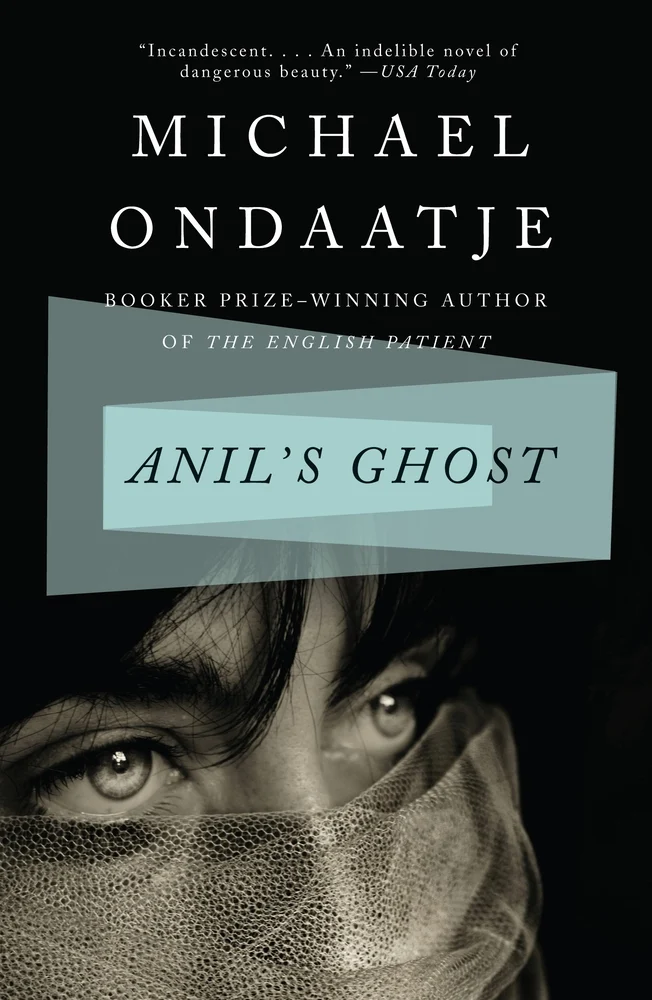
Anil’s Ghost tells the story of human rights from an interesting perspective. It’s written with honesty and emotion as it describes a woman’s search for family and identity, as well as an enemy that keeps her country divided. It ties in the centuries-old traditions of Sri Lanka with the forced modernity of the twentieth century. Ondaatje grapples with how to return to a home that seems to have lost itself.
Persepolis by Marjane Satrapi
Persepolis is a graphic memoir by Marjane Satrapi about her experiences growing up in Iran during the Islamic Revolution. Satrapi tells the story through vivid images and a childish naivety that brings an emotional rawness to the story. It describes her learning the ways of censorship and the abrupt shifting of narratives at such a young age. There is a drastic contrast between her parents’ private political opinions versus how they must act in public as their rights are stripped away from them before their eyes.
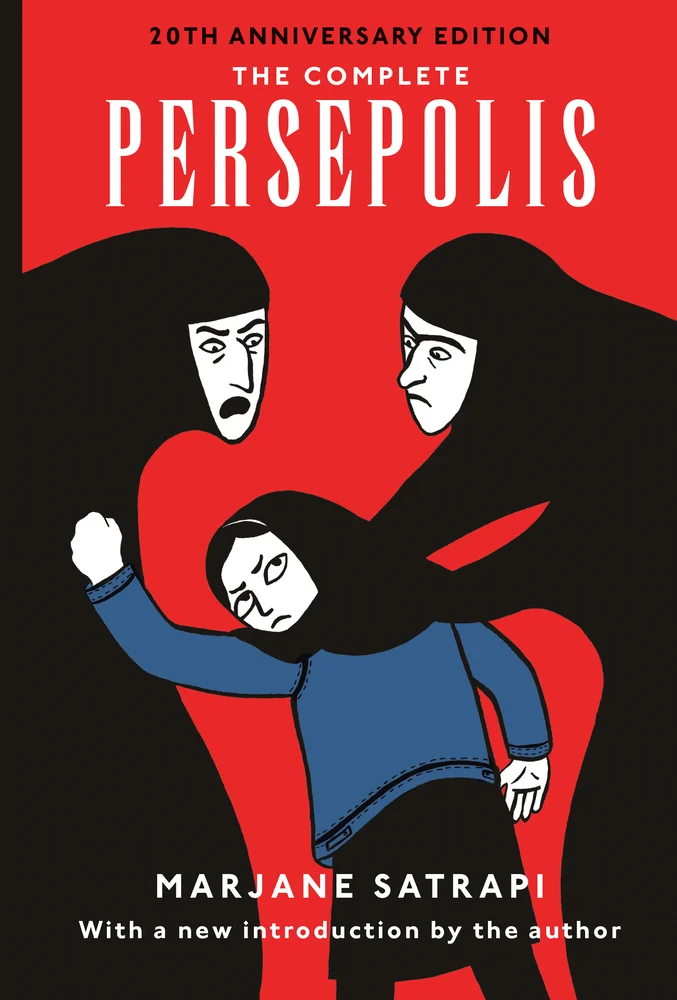
The book is broken into two parts. The first details the changes Marjane experiences as she tries to understand and formulate a belief system while growing up in a time of complex political upheaval. The second is about her leaving Iran to continue her schooling away from her parents in Vienna. There, she faces adolescence by herself and experiences what it is like to be estranged from family in such unsettling times. Satrapi gives a sense of innocent humor to a story that shows the truth of how lives are changed by revolution.
Unbowed by Wangarĩ Maathai
In Nobel Prize winner Wangarĩ Maathai’s memoir, Unbowed, she tells the story of her life in Kenya and her formation of the Green Belt Movement in 1977. Maathai’s activism focused on how impoverished people could help become a part of the environmental movement, focusing on the impact that women could make. She educated and took actions that led to the movement spreading across the continent of Africa.
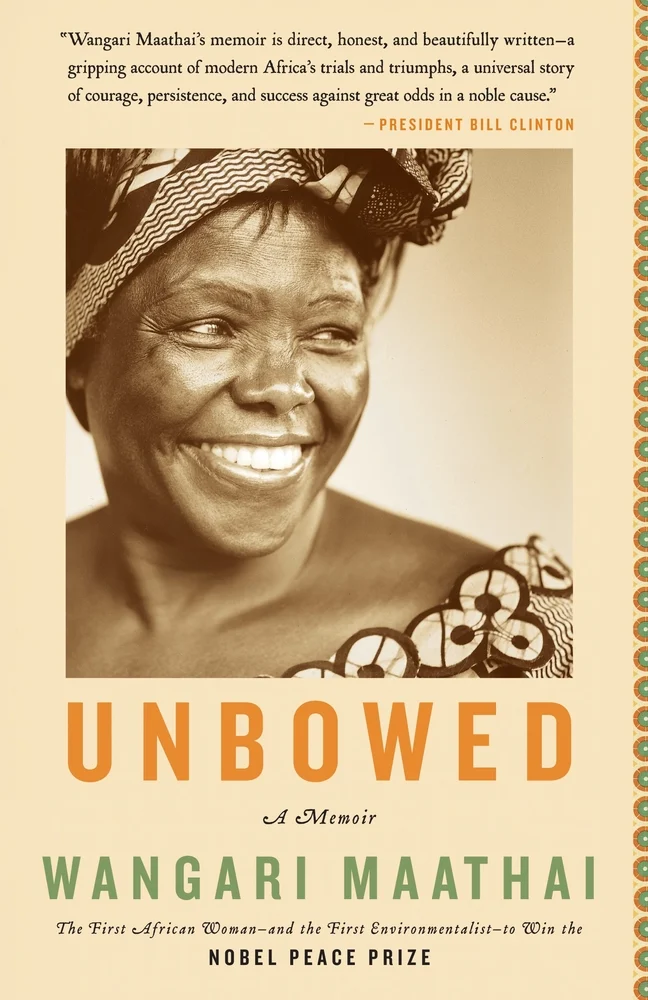
Maathai was fundamental in proving the idea that the issues of human rights, such as poverty in Africa, women’s rights, and the solutions to a more sustainable planet, are all connected. She tells an exciting story of her personal perseverance as she fought against the Kenyan government to preserve the rights of both nature and her fellow citizens.
Taking a Stand: The Evolution of Human Rights by Juan E. Méndez
Taking a Stand by Juan E. Méndez is a powerful memoir and a call to action on how human rights groups can hold governments accountable to ensure the end of abuses like the ones that he has both witnessed and suffered firsthand. In the late 1970s, Méndez was tortured and imprisoned for more than a year during Argentina’s military dictatorship, which resulted in a horrendous genocide. He was one of the lucky ones; Amnesty International helped to campaign for him and others like him to be released.
Méndez tells of his experience as a victim of human rights abuse, which drove him to dedicate his life to working to defend the rights of others. He uses his experiences to educate and provide insights on how to tackle the issue of governance and accountability when it comes to human rights abuses and how organizations can create actual change.
The Fog of Peace: A Memoir of International Peacekeeping in the 21st Century by Jean-Marie Guéhenno
The Fog of Peace by Jean-Marie Guéhenno is a memoir that recounts the life of a UN International Peacekeeper. Guéhenno has been at the center of major human rights crises for years. He watched as the United Nations’ peacekeeping efforts set out with a new optimism, reinvigorated by the end of the Cold War, and as that optimism was shattered time and time again by the complexities of new crises and the impossible promises of those who hope to keep the peace.

Throughout this book, Guéhennos faces the harsh realities of being an agent of change in the world. He grapples with the idealistic nature of the UN’s peacekeeping efforts and the many ways that these seem to fall short in the real world. Through this, he gives a sharp and insightful account of how he perseveres in a profession dedicated to providing hope in a world that often seems hopeless.
No Friend But the Mountains: Writing from Manus Prison by Behrouz Boochani
No Friend But the Mountains is a story brought to us against all odds. This memoir was written by Behrouz Boochani, a Kurdish-Iranian journalist and refugee, while he was illegally imprisoned on Manus Island, a detention center off the coast of Australia. As an act of resistance while he was imprisoned, he took to writing this book through text message.
Boochani’s messages were translated by Omid Tofighian and became No Friend But the Mountains. It gives a vivid account of Boochani’s experience and all that he witnessed while in prison and exile. It has become a voice for the voiceless, a powerful representation of what it is like to be a refugee with nowhere or no one to fight for you but yourself.
Feminism for the Americas: The Making of an International Human Rights Movement by Katherine M. Marino
In Feminism for the Americas, Katherine M. Marino sheds light on the overlooked leaders of the women’s rights movement of the twentieth century. She introduces us to the feminist leaders who don’t come from the US or Europe, like we are taught in history class, but instead hail from Latin America and the Caribbean and worked together to create a global movement.
Marino tells the story of the rise of feminism through the lens of women from Brazil, Cuba, Uruguay, Panama, and Chile who worked together to form a network standing up for women’s rights in a time of imperialism, racism, and fascism. Marino gives an interesting account of a woman from the US who worked with these Latin American activists and uncovers how divides and prejudices affected these women’s important work. This book provides a fascinating look into what it took to create the global women’s rights movement, the effects of which we still very much feel today.
As Long as Grass Grows: The Indigenous Fight for Environmental Justice from Colonization to Standing Rock by Dina Gilio-Whitaker
As Long as Grass Grows by Dina Gilio-Whitaker tells the story of two movements that have remained intertwined throughout history. The story of Indigenous rights and the story of environmental justice have always been linked. Gilio-Whitaker takes us through the history of what she calls “Indigenized environmental justice,” traveling back in the history of the US to explore how losses for Indigenous communities, such as treaty violations, food and water insecurity, and loss of protected sacred sites, have also been losses for the environment.
As Long as Grass Grows highlights the importance of Indigenous women in leading the fight for justice. She makes a point of emphasizing the Standing Rock protest of 2016, which brought the longstanding tension between popular environmental movements and Native peoples to light. She uses this as an example of why modern environmentalists must learn the history and work with Indigenous communities to fight together towards the common goal of a sustainable future.
Memes to Movements: How the World’s Most Viral Media is Changing Social Justice and Power by An Xiao Mina
Memes to Movements is an interesting read by An Xiao Mina on how memes and social media trends can be used as agents of change. She points to popular movements such as the Women’s March and the Umbrella Movement in Hong Kong and how symbols and actions that became synonymous with the movements, such as the pink pussyhats and the use of yellow umbrellas, originated from social media.
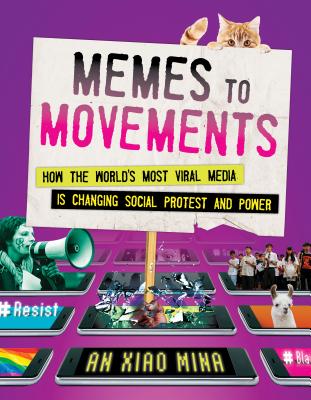
Memes to Movements is a fascinating study on how silly memes shared on social media in countries with strict censorship laws can become ways to connect and spread messages of criticism about the government. She points out how social media being used as propaganda is a double-edged sword, used by governments, hate groups, and groups fighting for justice and rights. Mina’s fresh perspective gives deep insights into the cultural implications of the media we take in unknowingly every day.
From prisoners to peacekeepers, these books provide an expansive array of perspectives on some of the biggest movements affecting human rights around the world. Whether the book provides the historical implications of a movement you already knew about or provides a firsthand account of a human rights crisis you never heard of, there is always a new perspective to learn. By educating ourselves on the experiences of others, we begin to do our part in the fight for universal human rights.
Want more books that will give you a global perspective? Click here.
Find these books and more on our Stimulating Novels That Challenge the Status Quo bookshelf on Bookshop.org.