















When it comes to writing and reading, making meaning of words and stories can feel like a battle even in our native language. Language and the written word are integral to our communication and the views we form of the world around us, but with the distance and language barriers across the world, the reach of literature can feel limited. Literary translators are at work on the essential project bridging that gap, making powerful and important stories accessible to even more readers. Their job is complex, with not only accuracy, but also authorial intent, nuance, and subtext to consider. Some of the world’s most popular translated books throughout history shed light on the questions of how meaning is created and storytelling is conveyed across languages, dating back to stories originating as far back as the 8th or 7th century BC.
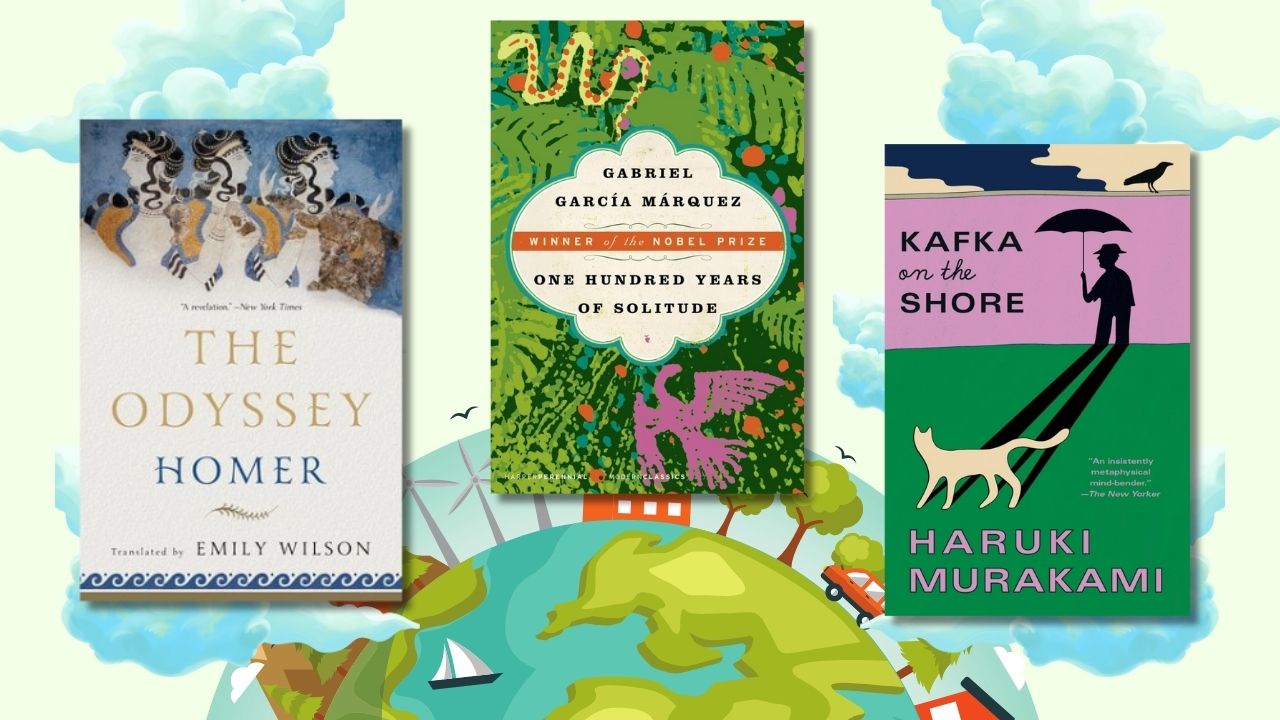
The Odyssey by Homer
The importance of the Greek classic The Odyssey is immense, particularly in the Western canon. Everything from the epic’s structure to its themes continues to resonate centuries later as models and inspirations for modern literature. For all that the story carries, it is not a single, complete narrative that readers and writers continue to return to, but rather a series of fragments that have been interpreted and re-interpreted countless times and into dozens of languages.
One of the first English translations was completed in the early 1600s by George Chapman, an English dramatist and poet, and was noted for its highly poetic nature, an aspect often also recognized as compromising its faithfulness to the original texts. Today, translators including Emily Wilson, Robert Fagles, and Richard Lattimore are a significant part of the conversation on how we read and understand The Odyssey. Their respective versions of Homer’s epic were published in 2017, 1996, and 1965.
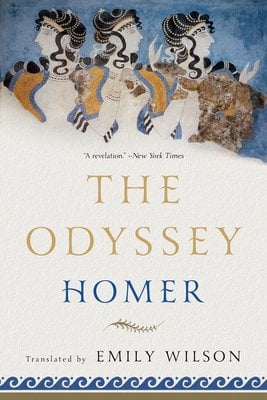
Classicist Emily Wilson made history with her English translation of The Odyssey, becoming the first woman writer to complete the endeavor when it was published in 2017. Details in her version such as referring to the slaves that endure sexual assault by Penelope’s suitors — characters described in the original Greek only as female, without further judgement on their character — as “girls,” where past translators inserted loaded and suggestive descriptors such as “whores” and “sluts,” contributed to many regarding her work as a feminist perspective on the classic. Wilson’s other choices, including the use of iambic pentameter and her use of plainer language, are also significant points of discussion for her translation, but regardless of individual taste, her writing has cemented a place of importance in The Odyssey’s legacy and history.
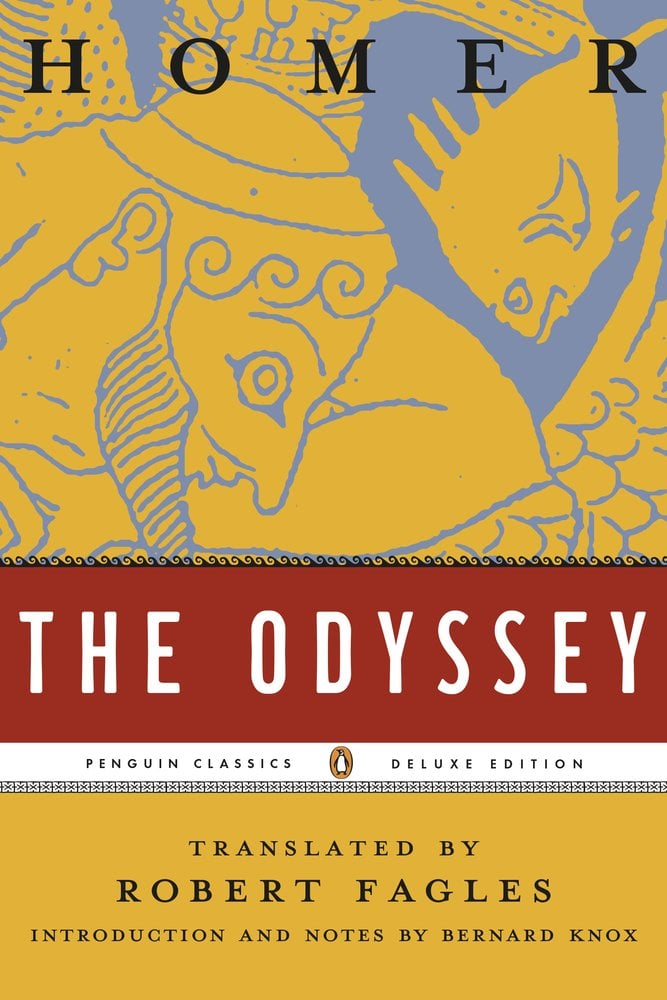
Where Wilson’s tendency was toward a simplistic style, Robert Fagles’s 1996 translation is notable for its poetic flair and floweriness. His background as a poet, rather than a classicist like Wilson, contextualizes this approach, with many readers appreciating his approach as a source of entertainment and pleasure in reading. Often seen as his counterpart or opposite in style is Richard Lattimore, who published a translation in 1965. Seeing The Odyssey through Lattimore’s eyes is an exercise in precision and faithfulness to the Homeric Greek in which it was composed. His choice of matching the poetic meter of the original text, as well as his heavy use of repetition, a feature also present in Homer’s original work, reflects this approach.
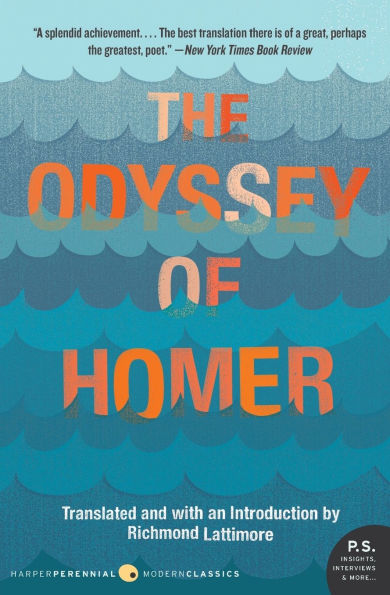
Both lively, friendly debates and angry, hostile ones take place on platforms of all kinds, and can tackle concepts as broad in scope as the impact of modernization to as narrow as the accuracy and effect of the story’s first word. While many might argue otherwise, there is no one correct way to translate a text from a different language and time. All that can be said for sure about translations of The Odyssey is that they each offer a new perspective and a different use for today’s readers.
100 Years of Solitude by Gabriel Garcia Marquez
In a more recently composed work, Gabriel García Márquez’s 1967 novel, One Hundred Years of Solitude, marks a story deeply rooted in Hispanic culture and history. Though only two well-known English versions exist, it has been translated into almost 50 other languages and received worldwide acclaim, earning top prizes in awards in countries from Italy to Venezuela. The authors who have taken on the task of adapting Marquez’s writing into English are Gregory Rabassa in 1970 and Edith Grossman in 2022. Yet, differences in their perspective and approach to the story take up much less attention than the ongoing discussions around The Odyssey.
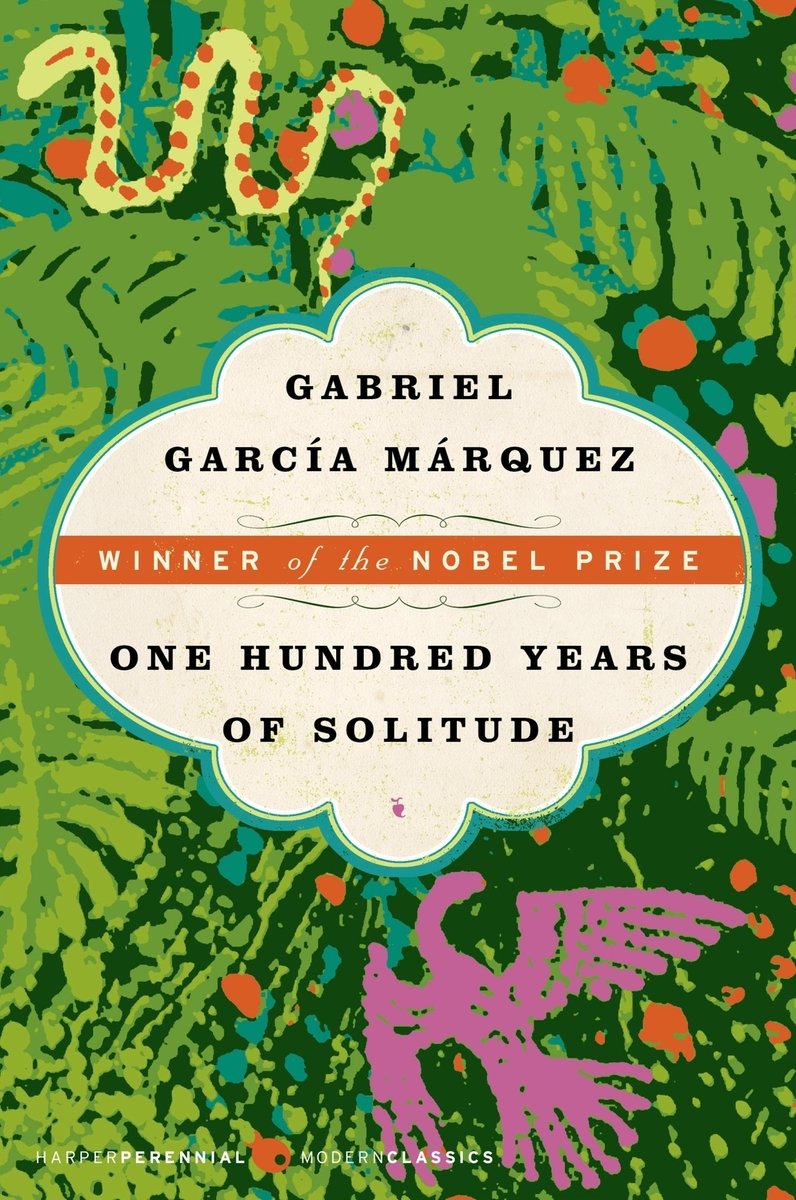
As 100 Years of Solitude is so much a story about the culture of a small Colombian town, with generations of politics, land development, and family dynamics all playing out through its narrative, points of discussion around Marquez’s novel include how the English version weighs “domesticating” versus “foreignizing” words and concepts that only exist in Spanish. An article by Alta Language Services breaks down these terms, explaining “domesticating” as adapting aspects of the story. Hence, they are accessible to readers in the translated language, and “foreignizing” as interpreting the original writing more precisely, sometimes at the cost of clarity or familiarity for readers.
The piece also discusses how Rabassa handled decisions around them, noting details such as his choice to opt for Latin translations of words over Anglo-Saxon ones when the Spanish could be interpreted multiple ways. For as subtle a shift as this may seem, the article explains that Latin-origin words in English are often more formal than they are in Spanish, thus contributing to an overall “foreignized” tone that felt more like that of a Spanish-translated novel. Such a strategy proves that while translation is an act of transformation for a story, careful work with the particulars of the process can retain traces of its language of origin.
Kafka on the Shore by Haruki Murakami
Jumping forward to a novel of the 21st century, Haruki Murakami’s 2002 book, which was published in its English translation three years after its release in Japanese, is only one of the author’s career-long experiences with translation. Murakami’s relationship to the translation of his novels is unique. Though he does not translate them himself, he is said to occasionally write them first in English, then rewrite them in Japanese.
The content of his work often interweaves elements of American culture, including music, sports, and literature, with Japanese settings and characters. Even further, some of Murakami’s success as a budding author came from his writing’s translations, as a German translator took to his early works and created versions that exploded in popularity among readers across the country. Murakami is experienced in the art from both the perspective of a translator and an original author, having written Japanese versions of novels by famous English-language authors, including F. Scott Fitzgerald and J.D. Salinger.
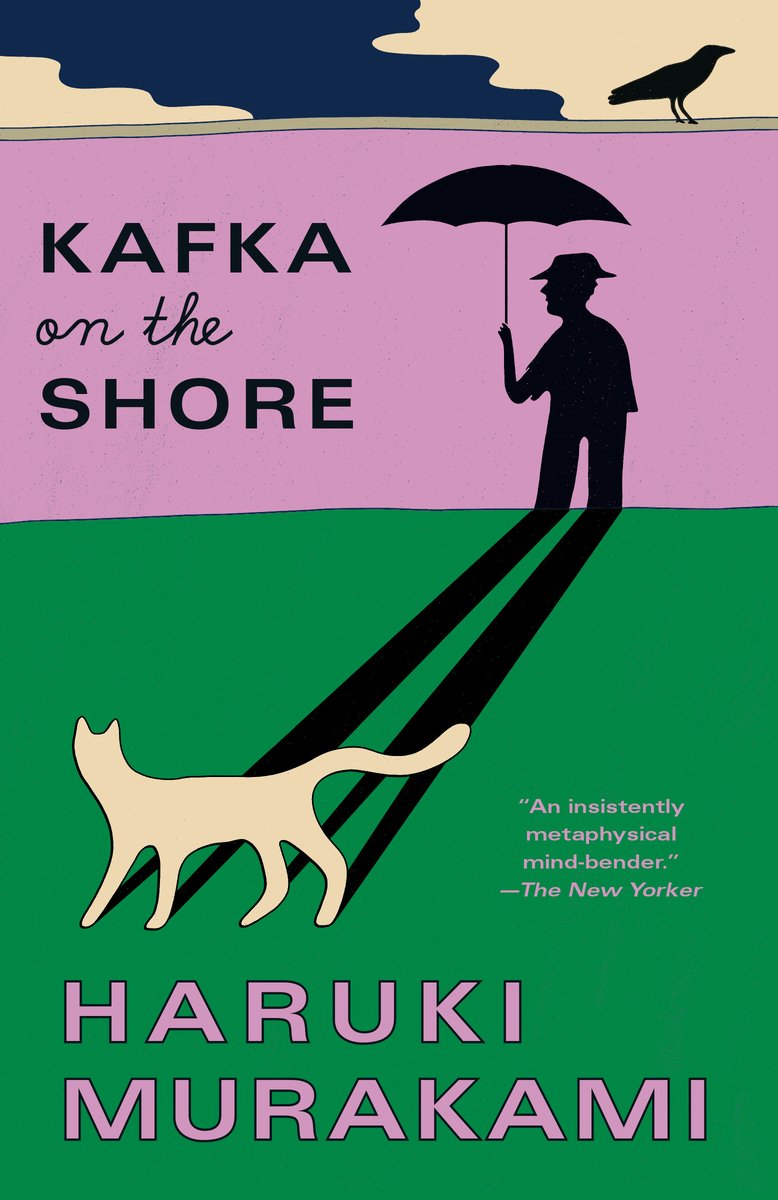
With all of this in mind, it’s clear that a fascination with the intermingling of cultures and literary perspectives influences Murakami’s style and authorial choices. As an author, he encourages translations of his work, leaning towards editing and adaptation over precision in faithfulness to the original. Within Kafka on the Shore itself, discussions of literature encourage readers to consider how famous stories from all over the world are interpreted and understood in contexts outside their original time and place. In the world of Murakami, examining and interpreting the meaning of words and writing across languages seems a treasured practice, for how it can change or influence a story.
These three works of fiction bring to light three different discussions around the art of translation, but they all help us think through how we build an understanding of an author and their stories. The ability to read books that were first written in languages other than our own can open up the world of literature and expand our perspective in countless ways, and for that, the practice of translation is an essential one.
Get more content about translated books here to keep learning!
Find these iconic titles and other favorites of literary fiction on our Bookshop Exploring the Depths of Literary Fiction list!