

















In a fast-paced world that glorifies hustle culture, self-sacrifice, and perfectionism, self-care often gets dismissed and pushed to the bottom of our to-do lists. Yet, prioritising our mental, emotional, and physical health is essential for living a balanced, fulfilling life. The right non-fiction book can be optimistically influential and enlightening, offering practical tools and heartfelt reflections to set boundaries and to kindly nurture yourself. These eight reads serve as a gentle reminder that investing in self-care is ultimately the most significant and influential investment for a healthier, happier you.
Self-Compassion by Kristin Neff
In a world where people are obsessed with relentlessly chasing high self-esteem, we’re told we must constantly perform above average and outshine others to be classified as worthy — yet someone else may inevitably appear to be ahead in beauty, success, or intellect. There’s always the inescapable pressure of unrealistic expectations, competitions, and comparisons hovering over us like rainclouds. This exhausting cycle deteriorates our contentment and confidence, replacing self-satisfaction with self-doubt. This book reminds us to focus on ourselves and strive for growth, rather than comparing ourselves to others.

In Self-Compassion, Dr. Kristin Neff suggests that individuals who approach their flaws and imperfections with compassion tend to experience greater overall well-being than those who indulge in constant self-criticism. This book compellingly illustrates the importance of treating oneself with empathy and care, just as we would towards a loved one, providing a transformative framework to help foster emotional resilience. Through a blend of rigorous research, heartfelt personal anecdotes, and effective practical exercises, she reveals how to dismantle destructive emotional habits and cultivate lasting well-being. This is a powerful book that will transform your life through its teachings on the power of self-compassion, offering a stable sense of worth that remains steady even when self-esteem wavers.
“This is a moment of suffering. Suffering is part of life. May I be kind to myself in this moment. May I give myself the compassion I need.”
Kristin Neff
Good Vibes Good Life by Vex King
Good Vibes Good Life is a guide to transforming your mindset, nurturing your well-being, and embracing self-love. Reflecting on his own experiences, King shares tips and insights on shifting negative energy into positivity. He encourages self-care, mindfulness, and intentional living as the foundation for a happier, more fulfilling life. The book inspires you to see challenges as opportunities that help you grow, from manifesting your goals to aligning with your higher purpose. King offers techniques to reframe your beliefs — notice the thought, regulate the state, choose the next action.

The message is simple yet strong: when you transform your inner world, the outer world follows. Change your thoughts, words, and actions, and you can change the world around you. This book emphasises that practising self-care ultimately enables you to build a stronger support system for yourself, which consists of value-driven choices, emotional healing over wishful thinking, and disciplined micro-habits that turn optimism into outcomes. The takeaway is memorable and actionable — protect your energy, curate your inputs, practice self-compassion, and turn purposeful routines into real-world success.
“You came here loaded with potential, ability, gifts, wisdom, love, and intelligence to share with the world. You are here to make the world a better place. You have a purpose, and until you start living it you will have a void inside of you; a feeling you can’t quite explain, but that knows that you are meant for more.”
Vex King
Kind Words for Unkind Days by Jayne Hardy
This is a lovely book that feels like a warm hug when we feel like the world lets us down; when you’re having a hard day, and no energy for self-care, even in our most difficult days, a little kindness can make a huge difference. It provides practical advice and soothing messages, encouraging one to validate difficult emotions, practice self-care, and have a positive outlook. Self-compassion is a practice that has real, tangible effects on mental and physical well-being. It takes time and effort, so one must be extremely kind and patient with themself.
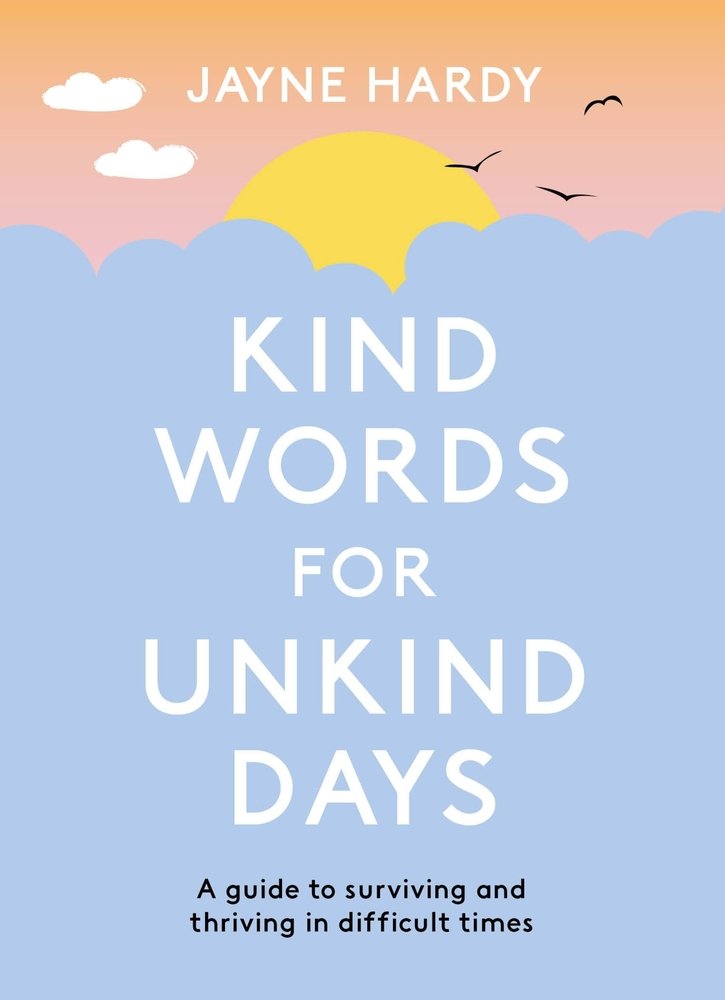
You can’t always control external events, but you can learn to control how you respond internally; reshaping negative self-talk, eliminating self-criticism, finding calmness during overwhelming situations, and building daily habits of self-compassion. Being kind to yourself and using kind words to yourself can help reduce stress, improve mental clarity, boost self-stability, and even strengthen relationships, because people who are gentle to themselves tend to reflect that onto how they treat others — patiently and empathetically. If you’re looking for that extra boost to help you get through your tough days and navigate through your difficult emotions, this book will be your effective guide and reminder.
“When everything feels out of control, we can choose to take charge. To empower ourselves to say ‘stop!’ To get off the bandwagon. To redress, to remedy and to readjust to who we are and who we want to be. To renegotiate, renew, and to reconnect to what it is that matters to us. You are absolutely and incontestably the boss of you.”
Jayne Hardy
You Can Heal Your Life by Louise L. Hay
The key message in this book is that anything can be healed if we put in the effort to work on our mental health. Louise emphasizes that self-neglect and inadequate inner work can lead to insufficient self-care — unresolved emotions and suppressed feelings, beliefs, and ideas can often manifest as physical symptoms in the mind and body. Therefore, she shares affirmations and exercises to demonstrate changing your ways of thinking about yourself, which can improve your quality of life. Self-love is a necessity that creates a strong foundation for physical and emotional well-being.
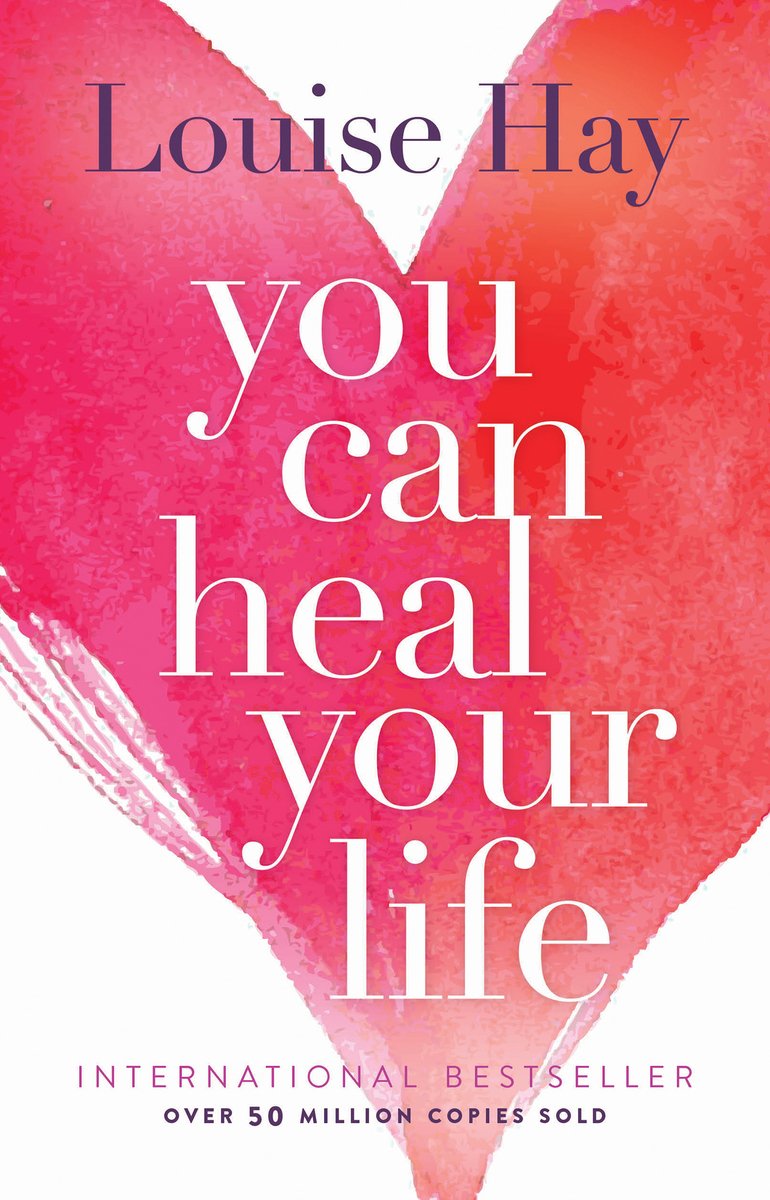
The moment you decide to change your self-critical thoughts and beliefs is the moment real transformation begins. The key to mastering a goal is discipline and consistency in practising the habit that pushes you to achieve that goal. You can retrain your mind to focus on growth instead of guilt and regret. Not only will this shift improve your mood, but it can also influence your choices, relationships, and even physical health, illustrating the profound interconnection between the mind and body.
“Remember, you have been criticizing yourself for years and it hasn’t worked. Try approving of yourself and see what happens.”
Louise L. Hay
101 Essays That Will Change The Way You Think by Brianna Wiest
This eye-opening anthology comprises essays that are concisely layered, drawing on psychology, philosophy, spirituality, and personal growth to explore the complexities of the human mind. Wiest not only dispenses advice but constructs arguments, often beginning with a relatable premise before guiding the reader toward an unexpected solution. The tone shifts from encouragement to piercing truth-telling, which keeps the reader intellectually engaged, while also emotionally disarmed. This prose is well articulated with its inviting tone, feeling more like a conversation you have with yourself rather than something you have read.

The essays individually stand alone, yet together, they create a steady introspection that pushes the readers from self-awareness to self-transformation by the end. The rhetorical layering of frequently used metaphors and imagery speaks to the reader’s intuition, allowing her to bypass pure logic, which is why the book resonates across audiences. In a moral sense, the 101 essays function like mirrors, reflecting the reader’s thoughts in sharper form. This book will open new perspectives, encouraging the acknowledgment of the cognitive biases that shape your thought process — prompting you to say, “This idea changed my life.”
“Extraordinary depends on what I do with the ordinary.”
Brianna Wiest
Why Has Nobody Told Me This Before? By Julie Smith
Packed with valuable tips from a therapist’s toolkit, this book shows you how to strengthen and protect your mental well-being, even through the most challenging times. With powerful advice and practical strategies, Dr. Julie Smith helps you tackle internal challenges with digested chapters catered to different struggles, whether it’s anxiety, criticism, depression, self-doubt, motivation slumps, and teaches ways to master the art of self-forgiveness. Your mental health matters just as much as your physical health. With proven techniques and a deeper understanding of the mind and body, from cognitive behavioural methods to mindfulness exercises, this empathetic guide will provide you with the help you need to nurture and train your mental health with resilience.
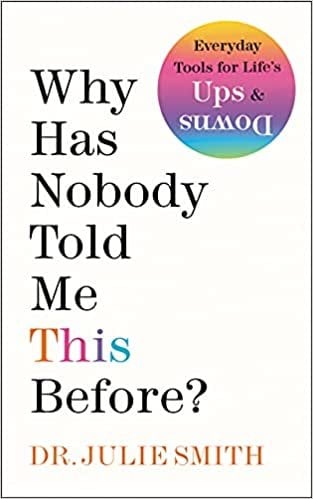
This book stands out because it seamlessly blends clinical expertise with approachable, real-world advice, making complex mental health concepts immediately accessible and usable. Pushing you to reflect, to experiment, and to change the way you respond to everyday stressors, you will find the words of this book imprinted into you. True to its name, Why Has Nobody Told Me This Before? will make you wish you knew about these insights sooner.
“If we don’t do the work to develop self-acceptance, we set ourselves up to live a life in which we may need constant reassurance, get trapped in jobs we hate or relationships that cause us harm, or find ourselves living with resentment.”
Julie Smith
A Liberated Mind by Steven C. Hayes
This book suggests that our psychological struggles stem from attempting to control or suppress our thoughts and feelings, which can lead to a more complicated and unfulfilling life. Instead, it encourages us to liberate ourselves by introducing the ACT theory (Acceptance and Commitment Therapy). It explains how to develop our own psychological flexibility, which involves accepting our internal experiences while also committing to actions that align with our values. Hayes makes a clever analysis of facing our thoughts and feelings with openness and taking action to challenge those complex thoughts and feelings associated with events that trigger them.
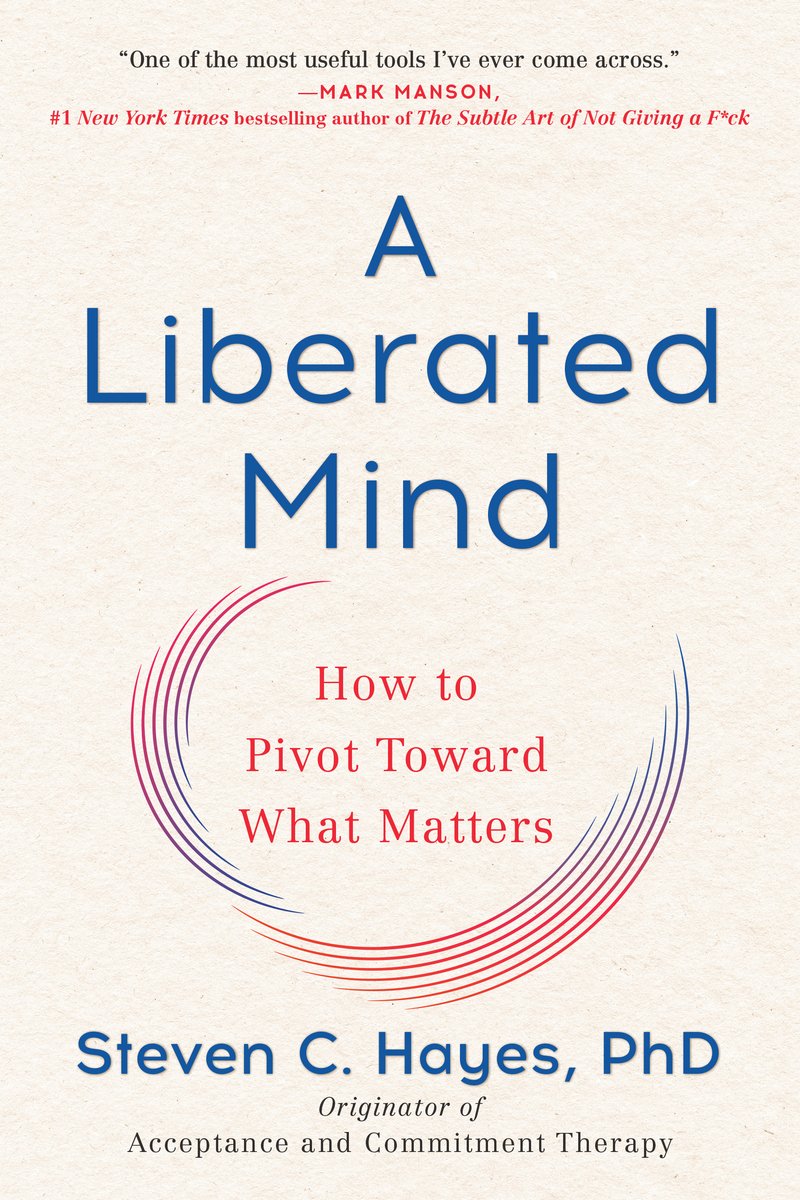
Many people avoid social situations that require them to interact and pursue relationships with others because the discomfort feels unbearable. Hayes argues that the problem is not anxiety itself, but the way we relate to it. If you treat anxiety as a signal that something you care about is at stake, you can shift towards values — choosing to show up in conversations even if your heart is pounding, similarly with grief or loss. Hayes suggests leaning into these fresh feelings instead of moving on quickly. When you accept discomfort as part of the journey, you prevent yourself from being trapped by it, allowing yourself to pivot to living a fulfilling life with things that truly matter.
“Psychological flexibility is the ability to feel and think with openness, to attend voluntarily to your experience of the present moment, and to move your life in directions that are important to you, building habits that allow you to live life in accordance with your values and aspirations. It’s about learning not to turn away from what is painful, instead turning toward your suffering in order to live a life full of meaning and purpose.”
Steven C. Hayes
The Self-Care Project by Jayne Hardy
There’s a common, ruthless misconception that spirals around making ourselves our main priority, being perceived as “selfish.” Without self-care, we won’t be able to escape the doom of feeling stuck and suffocated in daunting cycles of sickness and overwhelm. Self-care is a tool accessible to everyone, helping us take care of and be responsible for our own happiness. Hardy emphasizes the significance of self-care as the most crucial tool for working on ourselves and enabling us to combat ill health, being overwhelmed, and stress in our hectic world.
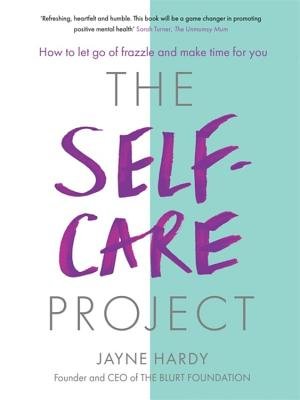
Our body is our greatest asset. It carries us through every challenge and joy, yet sometimes, we forget and neglect its need to rest and be nurtured to be able to function well. If you’ve been feeling a certain way and can’t figure out a name to it, this book will guide you through the journey of explaining what self-care means for you, help you identify and recognise your struggles and obstacles, show the reason why it’s so important and not selfish at all, and find flexible ways to incorporate self-care in a practical, achievable, and a realistic way in your daily life.
“Replace those sticks with which you beat yourself with soothing words of kindness.”
Jayne Hardy
That’s a wrap on these self-care must-reads! Remember, taking care of yourself doesn’t have to be complicated — whether it’s setting boundaries, practising gratitude, resting without guilt, or simply saying “no.” Because at the end of the day, the best investment is in yourself. Let us know if you’ve read these or plan to do so. We’d love to know your thoughts on our socials!
Want to develop more self-care habits? Click here to check out more on Bookstr’s self-care favourites.
Give a browse through books like this and more on our Non-Fiction Titles for the Enlightened Mind bookshelf on Bookstr’s Bookshop.org.
