






Studying English in school, particularly literature, has made me realize the importance of variety in the texts we read. As someone who thrives on learning from different perspectives and forms of storytelling, I’ve found that this diversity not only broadens my horizons but also deepens my understanding of human experiences and ideas. Engaging in a range of genres has taught me to appreciate the many ways language can shape meaning.
In this list of somewhat obscure recommendations, you’ll notice that my favored genre never stays consistent. Whether you’re looking for adventure, emotion, or inspiration, there’s always a new story waiting to be explored. This month is the perfect time for you to do just that and find your next great read.
Flowers in the Attic by V.C. Andrews
Flowers in the Attic quickly became popular after its publication in 1979, but I didn’t hear about it until much later. Perhaps because I was born in the 21st century, I feel that over generations, its fame has faded. Nonetheless, I will continue to recommend it, especially as it slowly slips from public recognition. This novel surely isn’t for everyone, but if you’re brave enough to face an eerily chilling, horrific thriller, Flowers in the Attic is perfect for you.
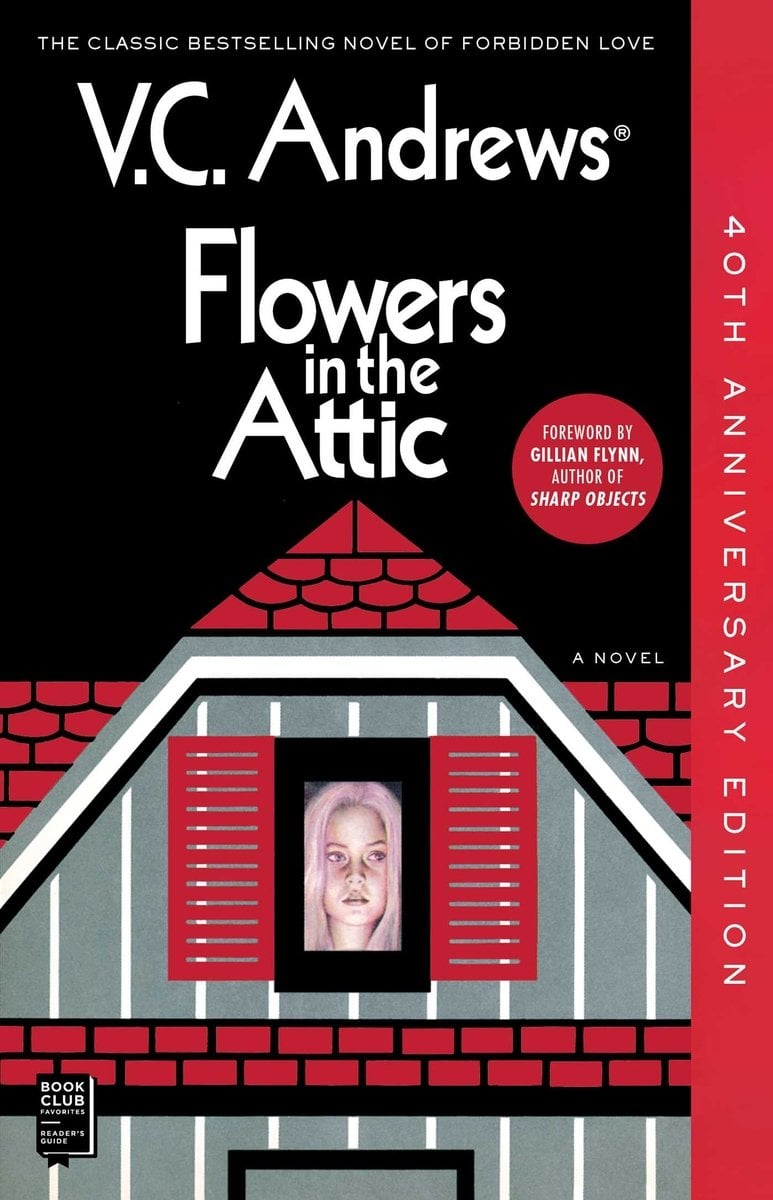
As someone who loves horror but isn’t easily frightened by the paranormal, real “hypothetical” horrors are what terrify me most. Flowers in the Attic is a prime example of that kind of fear in a drastic sense. After their father’s death, four children and their mother go to live with their grandmother, but are convinced to hide in the attic as punishment for their mother’s past “sins.” As months pass, the children endure isolation, abuse, and an increasingly nightmarish existence. This dark, haunting novel pushes boundaries you’ll never expect and leaves you at a loss for words.
The Five People You Meet in Heaven by Mitch Albom
Mitch Albom may not be obscure, but he is best known for his touching memoir Tuesdays With Morrie. After reading that, I had to pick up another one of his works, and The Five People You Meet in Heaven did not disappoint. Although the concept of Heaven has never particularly intrigued me, Albom’s portrayal of the afterlife is both beautiful and thought-provoking.

While religion plays a role, the novel explores universal themes that go beyond any one faith. The protagonist learns lessons about his life’s meaning and how every person’s existence is intertwined. Grief plays a major role throughout, but Albom captures the quiet relief that can accompany emptiness, and the peace that comes from reflection. This book encourages readers to consider how even small actions can leave lasting effects on others.
My Dark Vanessa by Kate Elizabeth Russell
I deeply admire Kate Elizabeth Russell’s writing in My Dark Vanessa, making this novel one that will forever hold a place among my favorite reads. It’s unflinching, psychologically complex, and impossible to put down despite its dark themes.

Told through dual timelines, the story explores how Vanessa’s teenage experiences shape her adult life. The novel examines the story and psychological aftermath of an abusive sexual relationship between a 15-year-old student and her English teacher. Published during the height of the #MeToo movement, My Dark Vanessa raises difficult but necessary questions about concept, manipulation, and the long-term effects of trauma. It’s a disturbing yet essential read for anyone seeking to understand how abuse distorts perception and identity.
Provocateur by Jessica Helen Lopez
I stumbled upon this short poetry collection at a local reading, not realizing I’d completely fall in love with Jessica Helen Lopez’s voice. Provocateur lives up to its title, raw, passionate, and unapologetically honest, especially through the lens of womanhood in the modern world.
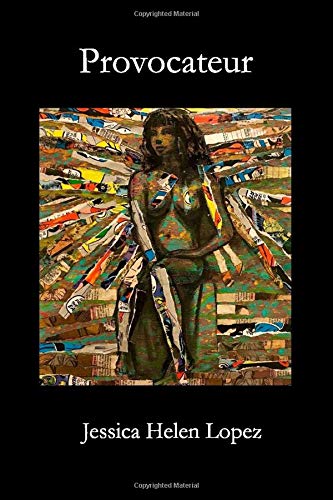
Lopez explores the many identities that make up a woman’s experience through language that refuses to shy away from truth or sensuality. Her poems are tender, tough, sassy, and boldly intimate. I encourage readers to dive deeper into her work, including her inspiring TED talks, where she reflects on her childhood and the power of storytelling.
The beauty of literature lies in its diversity. It has the ability to challenge, comfort, and inspire us all at once. Each of these works demonstrates that there is no single way to experience the human condition, whether it’s spiritual, psychological, or empowering. I hope that as we choose what new books to read in the upcoming year, readers remember that each story, no matter how obscure or unsettling, reveals a new layer of what it means to be human.
Read more personal recommendations here.
Find recommendations from our team here.