

















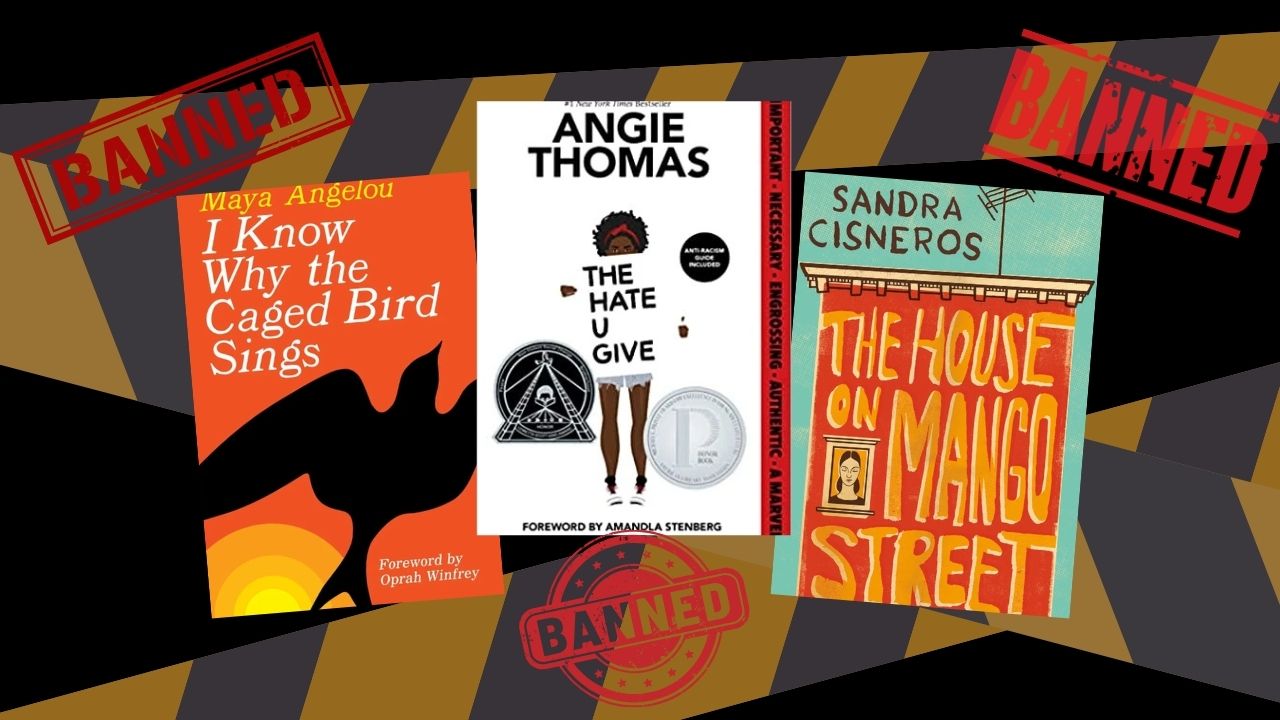
Literature is under attack. In January of this year, the Department of Education ceased investigations of American public schools that have eliminated books from their libraries, despite protests of civil rights violations. Furthermore, in mid-March, the current presidential administration issued an executive order to dismantle the Institute of Museum and Library Services (IMLS), strengthening the ongoing attacks on public intellectual institutions. At Bookstr, we consider banned books essential to the literary canon. The ten selections that follow, rife with groundbreaking social commentary, hold a special place in the hearts of our team. Enjoy these reads in honor of Banned Books Week!
The Family Book by Todd Parr
This children’s book is an excellent example of inclusivity and diversity representation in real life on the page for little readers. It showcases the beauty of the family in all its diverse iterations and reinforces that, despite their different appearances, love and family are universal. There is no one way to love and be loved.
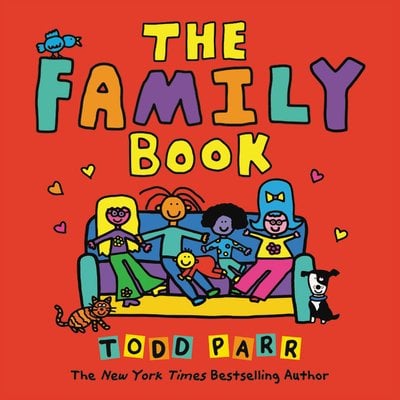
It is due to that very thing — a show of diversity — that the book was banned. How dare the author have the audacity to write a children’s book that depicts non-heteronormative, non-racially mixed family units!? As if this very thing isn’t something that is the norm today.
– Kristi Eskew, Executive Editor
The Perks of Being a Wallflower by Stephen Chbosky
Charlie’s high school experience is nothing like the movies; it’s awkward, it’s lonely, and it seems like his only friend will be his English teacher. Once he meets Patrick, Sam, and their curious and chaotic group of friends, the shy and quiet Charlie may have finally found his place. I read this book when I was in high school, and I felt a lot like Charlie. I didn’t have many friends, I spent a lot of time in my English teacher’s classroom, and I struggled with suicidal ideation. Stephen Chbosky’s YA novel is emotionally raw — even painful at times — but, in my opinion, one of the most honest portrayals of the loneliness of adolescence.
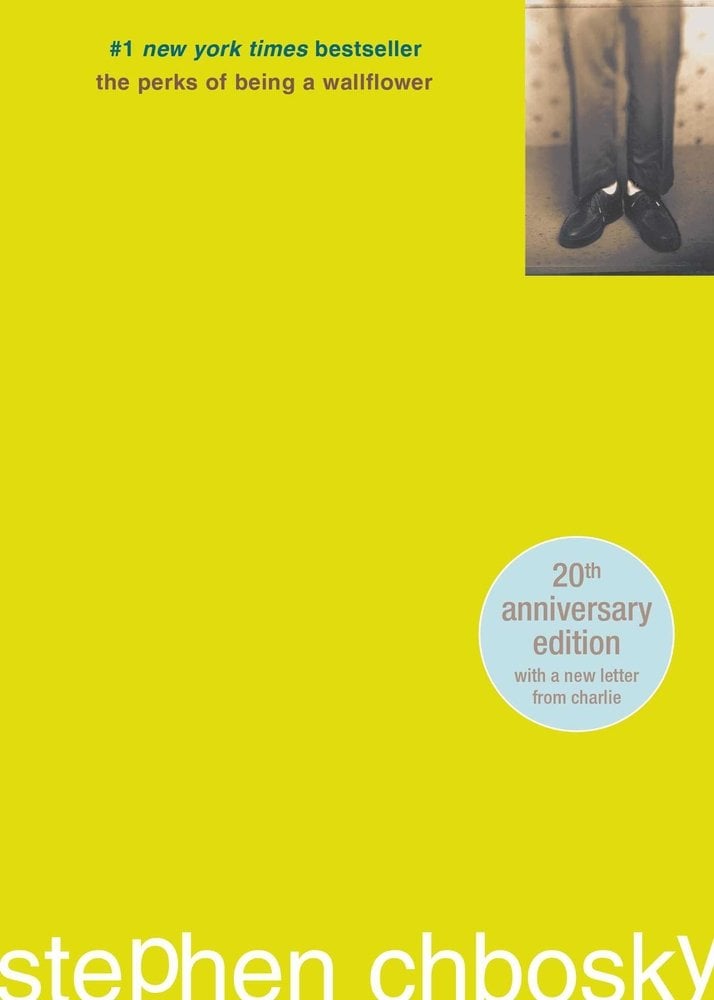
This book has been banned for depicting LGBTQIA+ characters, drug and alcohol use, and discussing sexual abuse. I don’t think we’re doing teens any favors by sugarcoating the realities of the world. Also, banning books just because they feature queer characters perpetuates this abhorrent idea that being queer is inherently wrong (which, of course, it isn’t). Speaking from personal experience, allowing teens to read books with darker themes can actually make them feel supported and seek the help that they need.
– Kaija Strong, Editorial
Looking for Alaska by John Green
I’ve loved this book since the moment I picked it up in middle school, feeling entirely seen by its honest depiction of teenage friendship, grief, and the messy, painful search for meaning. John Green, in his typical, ingenious fashion, writes with such honesty about loss and self-discovery that it felt both comforting and challenging to read. It played an integral role in my early teenage years, guiding me toward books as an outlet where I could feel seen and understood. Alaska’s character, in particular, helped me find relief in knowing I wasn’t the only one struggling to find purpose in a world that often felt dark.
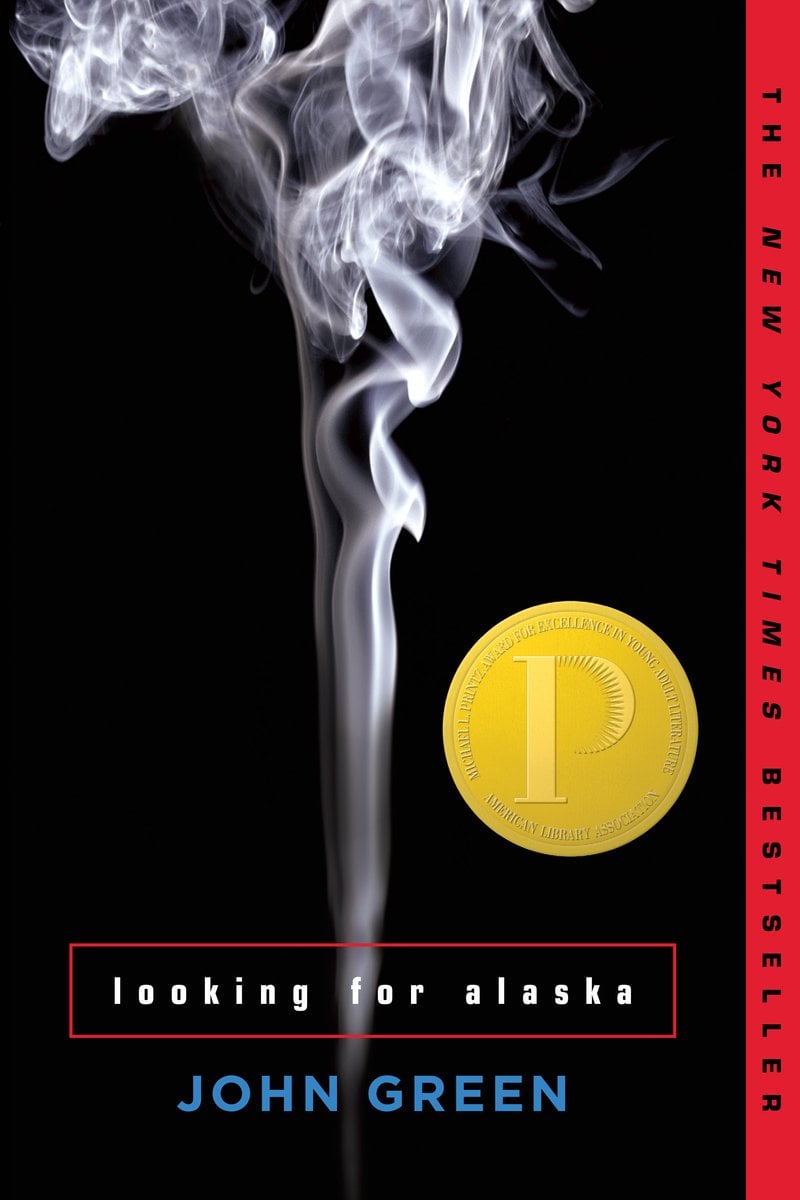
Looking for Alaska is banned because of its frank discussions of sexuality, substance use, and strong language. To me, these depictions don’t romanticize nor glamorize those realities, but instead truthfully capture the coming-of-age experience. The novel resonates with young readers for a reason, and removing it from library shelves only isolates those who are searching for the same solace that I once found in its pages.
Mandy Holliday, Social
The Handmaid’s Tale by Margaret Atwood
I remember reading an interview in which Atwood based everything in The Handmaid’s Tale on something that happened in real life. I didn’t read it myself until high school. Though the book was sometimes uncomfortable, Atwood’s refusal to shy away from the realities of tyranny inspired me. Despite Gilead’s fervent attempts to reduce women to roles, they continue to rebel through restricted speech. I walked away feeling grateful for the freedoms I had and the people who fought for them, while also understanding how easily they can be taken away. It reminds me to speak up instead of hoping someone else will fix things.

The Handmaid’s Tale is banned for its depiction of sex, anti-Christian rhetoric, and LGBTQ+ characters. I find it ironic that a book whose story revolves around the danger of removing literacy and free speech was banned. To silence Atwood is to invite the dystopia she created into reality. I find it all the more inspiring that, in response, Atwood and Penguin Random House published a fireproof edition of the book.
– Melissa Manafy, Social Team
The Scarlet Letter by Nathaniel Hawthorne
The Scarlet Letter was a required read in my AP English class, and at first glance, I didn’t completely understand it until we discussed its themes in class. This classic novel explores ideas that are often not discussed at length in recent days. The topic of personal and public condemnation for wrongdoing is often not talked about. In fact, many have vastly different views on faith, religion, and moral dilemmas. There are so many incredible classic novels that deal with moral dilemmas. I loved that the main character was resilient despite constant criticism and the tearing down of her faith because of the way people viewed the sin she commits in the novel. There is much to be learned about each belief and idea drawn from this novel. Novels such as The Scarlet Letter must be discussed because morals, values, and beliefs are a part of every person’s life.
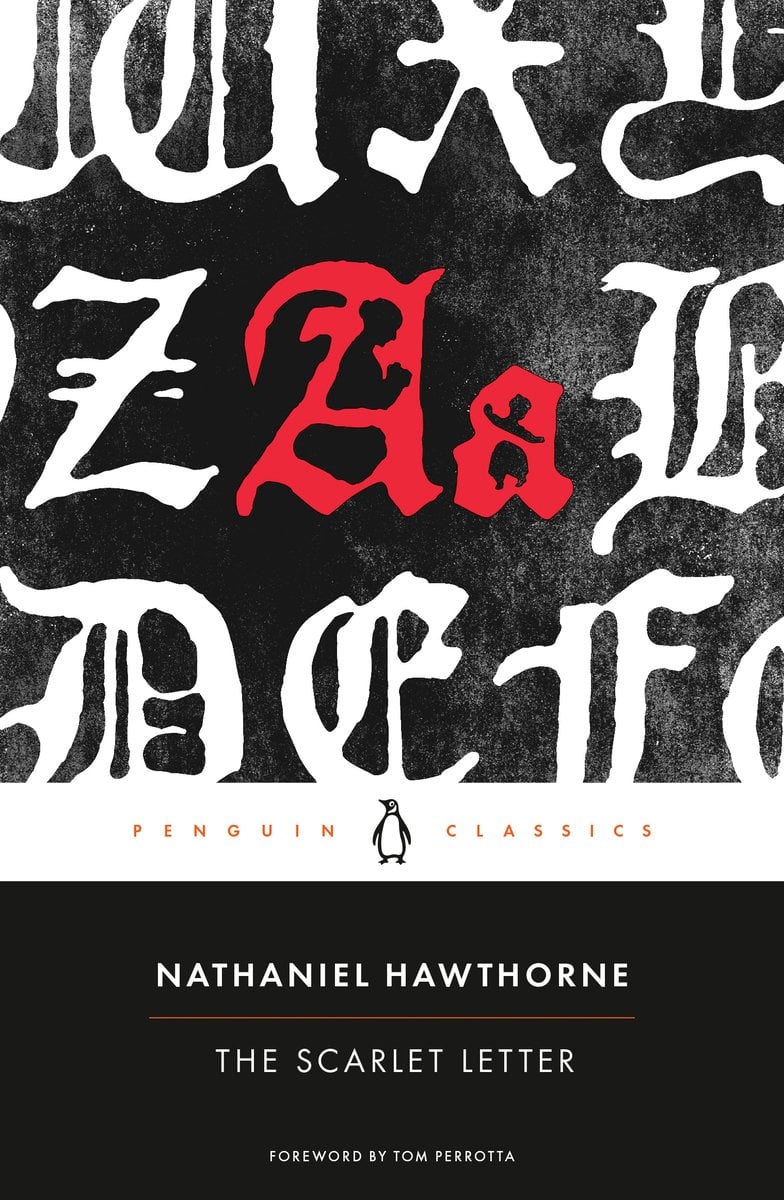
This book was banned for its themes of obscenity, public shaming, disrespect for authority, and for the sympathetic portrayal of its main character. While to some this may be seen as a valid ban, it is crucial to discuss topics such as these, instead of sweeping them under the rug. Moral dilemmas should continue to be discussed and analyzed!
– Marissa Manzek, Social Team
Giovanni’s Room by James Baldwin
Baldwin’s encapsulation of the Parisian underbelly is a tactile experience for the reader; one can feel the slick cobblestones and taste the wine of the seedy dens of vice that grip our characters. In this way, the reader is taken along with David and Giovanni on their descent, sharing in their simmering nerves and degrading sense of self; however, so too does the viewer participate in the sensuality that drips off the pages, slow and hot like wax. The entirety of a French landscape is contained within that world of Baldwin’s creation, and the reader is stranded within – hanging on to each impressionistic flourish and candid aphorism with bated breath. Like a scene of grotesque violence, or perhaps one of salacious passion, it seems impossible to look away.

Giovanni’s Room faced instant and enduring challenges from a multitude of nations and regions for its stark sexuality, sympathetic depictions of queerness, and provocative scenes of violence. It remains off Russian shelves to this day, and is a frequent target of bans in American counties (as are many of Baldwin’s novels). Though, of course, in doing so, the text’s messaging resonates ever louder. The shame that festers in David and Giovanni, which renders their love both inevitable and impossible, is perpetuated before our very eyes, spread like plague by grim executioners who believe they may thrust ideas into their gallows.
– Davis Gray Watson, Editorial
The House on Mango Street by Sandra Cisneros
I read The House on Mango Street as a High School student and found myself really in love with the style of the book. I had read plenty of epistolary books during my Middle School years, and the short story, vignette-style that Cisneros writes in seemed like the “more grown-up” version of those books. The novella follows Esperanza Cordero’s life in Chicago as the eldest child in a Hispanic family that moves every year until they settle into the house on Mango Street. She dreams of being a writer when she grows up, despite living in poverty, and I found I could relate to Esperanza in several ways. As we read these snapshots of her life, we see her grow from someone who feels like an outsider into someone with reverence for her time growing up on Mango Street.
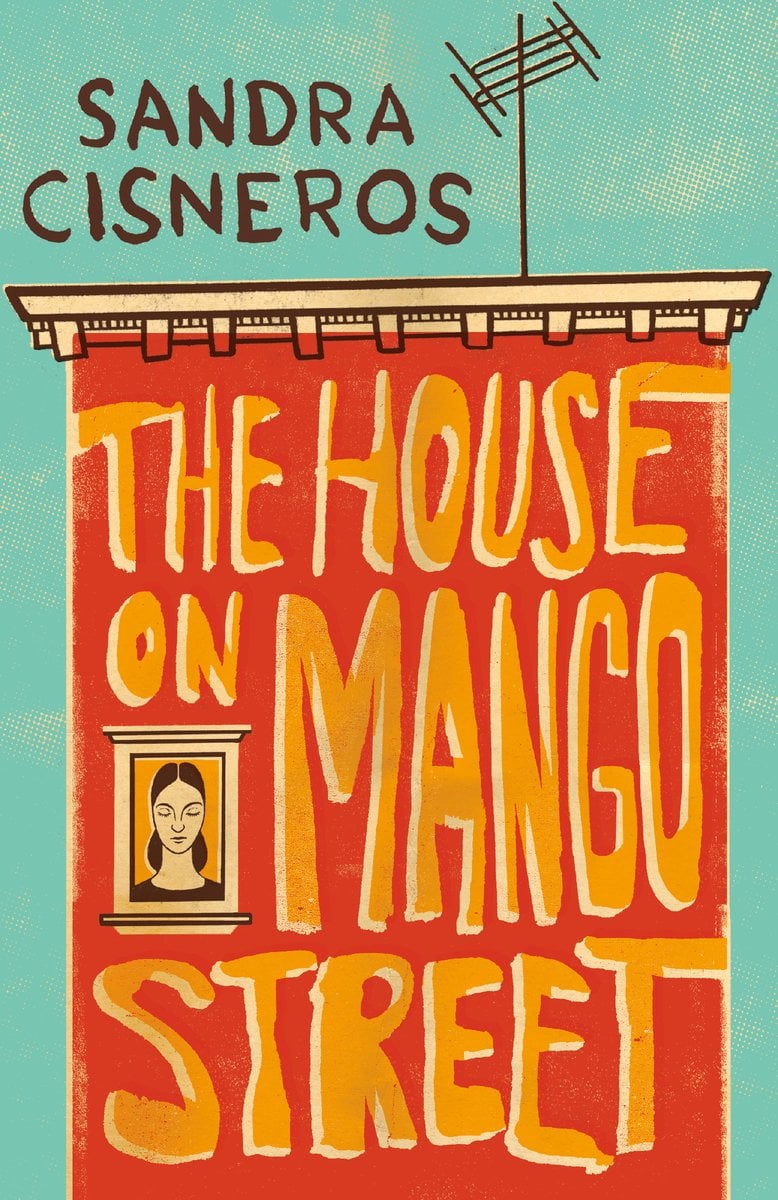
The House on Mango Street is a banned book for many reasons, with the main reasons being its mature content, such as domestic violence, and social issues, including racism and poverty. In 2010, it was banned in Arizona as part of the ban on Mexican-American studies in schools. Banning books based on their authors screams racism out loud when these books are often about community, compassion, and understanding differing cultures.
– Cassandra Fushia, Editorial
The Hate U Give by Angie Thomas
The novel follows Starr Carter, a Black teenager, as she navigates her complex life between her low-income Black neighborhood and her predominantly white school. When she witnesses the shooting of her unarmed best friend by a police officer, her entire world shatters. The novel chronicles Starr as she grieves, grapples with justice, trauma, and her identity.

The Hate U Give has been challenged for a few reasons, such as its depiction of police violence and that it creates an anti-police narrative or agenda. However, it can start important conversations that need to be said about race and police brutality. It’s a bucket of ice-cold water to the face when realizing that the book is a very real description of the world today.
– Melissa Mittendorff, Editorial and Outreach
The Hunger Games by Suzanne Collins
I started reading The Hunger Games when YA dystopian fiction was all the rage. The series became one I read over and over again throughout middle school, appreciating so many aspects of the story. I love the rebelliousness and strength Katniss portrays, Peeta’s ability to be cunning and compassionate, and the portrayal of art and music as powerful forms of expression.
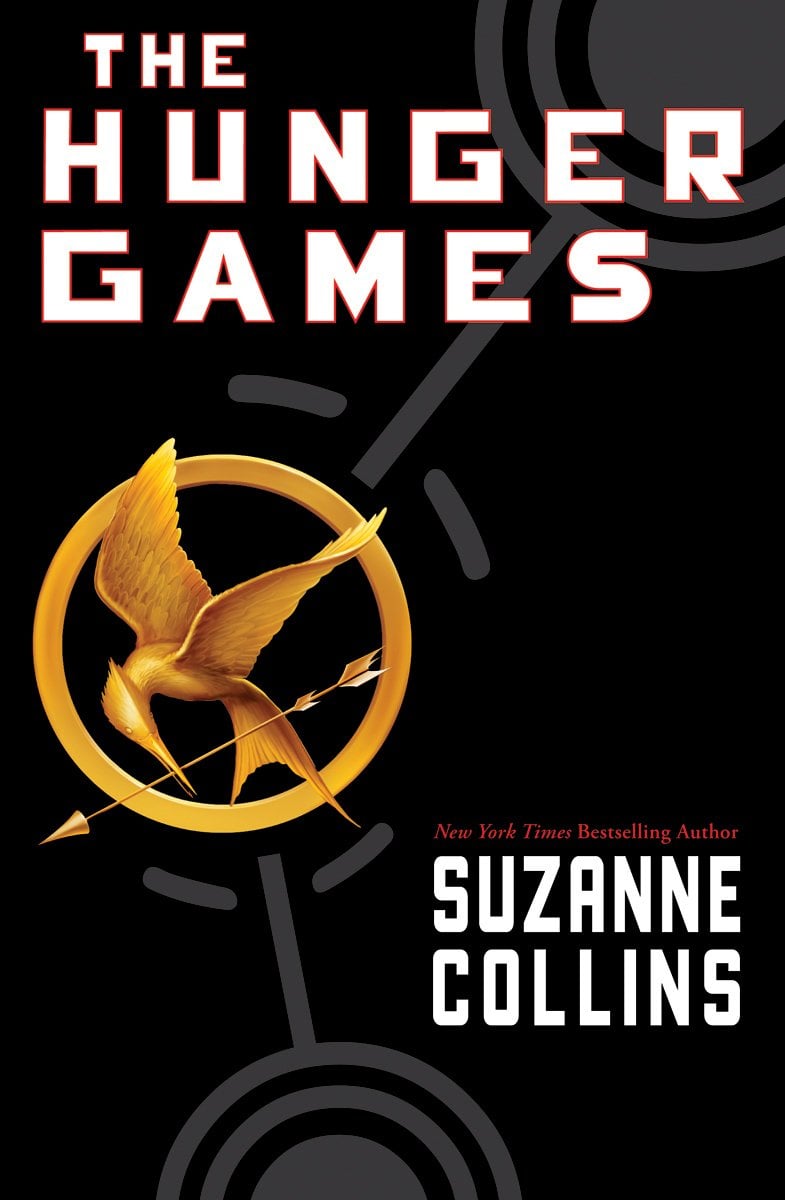
The series explores several important themes, such as social inequality, classism, and government control. There is also the profoundly present nature of violence involving children. For these reasons, The Hunger Games has received numerous challenges and bans within libraries. Like many banned books, one of the pivotal messages The Hunger Games tells readers is that there are ways you can fight back against oppressive political forces that attempt to steal your voice.
– Amber Burris, Social
I Know Why the Caged Bird Sings by Maya Angelou
In fifth grade, I crossed paths with Maya Angelou in the crevice of my ELA teacher’s bottommost bookshelf. A flock of homogenous authors discreetly serving as matchmakers, it was there that I first set eyes on I Know Why the Caged Bird Sings. Despite the condescending discouragements of my teacher, I immediately began reading. While I was motivated by my fascination with seeing a vaguely familiar Black woman’s name on the cover, this chance encounter resulted in a years-long intimacy with Angelou’s literature, which has since given me a song. The memoir, bursting with the fragile nuances of Black girlhood, shepherded me through isolation.

Soon after this enlightenment stimulated my fondness for reading written works, I began writing as an extension. In true Angelou darling style, I commenced with poetry. Initially writing for enjoyment and to self-medicate, I eventually produced some of my sincerest pieces about the complexities of my childhood. Armored with the insight of literary laureates, I was empowered to articulate my traumas — and heal from them in the process. Widely considered one of the most challenged books in America, I Know Why the Caged Bird Sings is banned due to descriptions of childhood sexual abuse, racism, and teen pregnancy. Despite many trials, the transformative power of this memoir prevails.
What’s your favorite banned book? Be sure to let us know on our socials: Facebook, Instagram, Bluesky, and Twitter/X!
Check out this article for more of Bookstr’s favorite banned books!
Looking for book recommendations? Browse our Bookstr Team Recommendations on Bookshop!
