





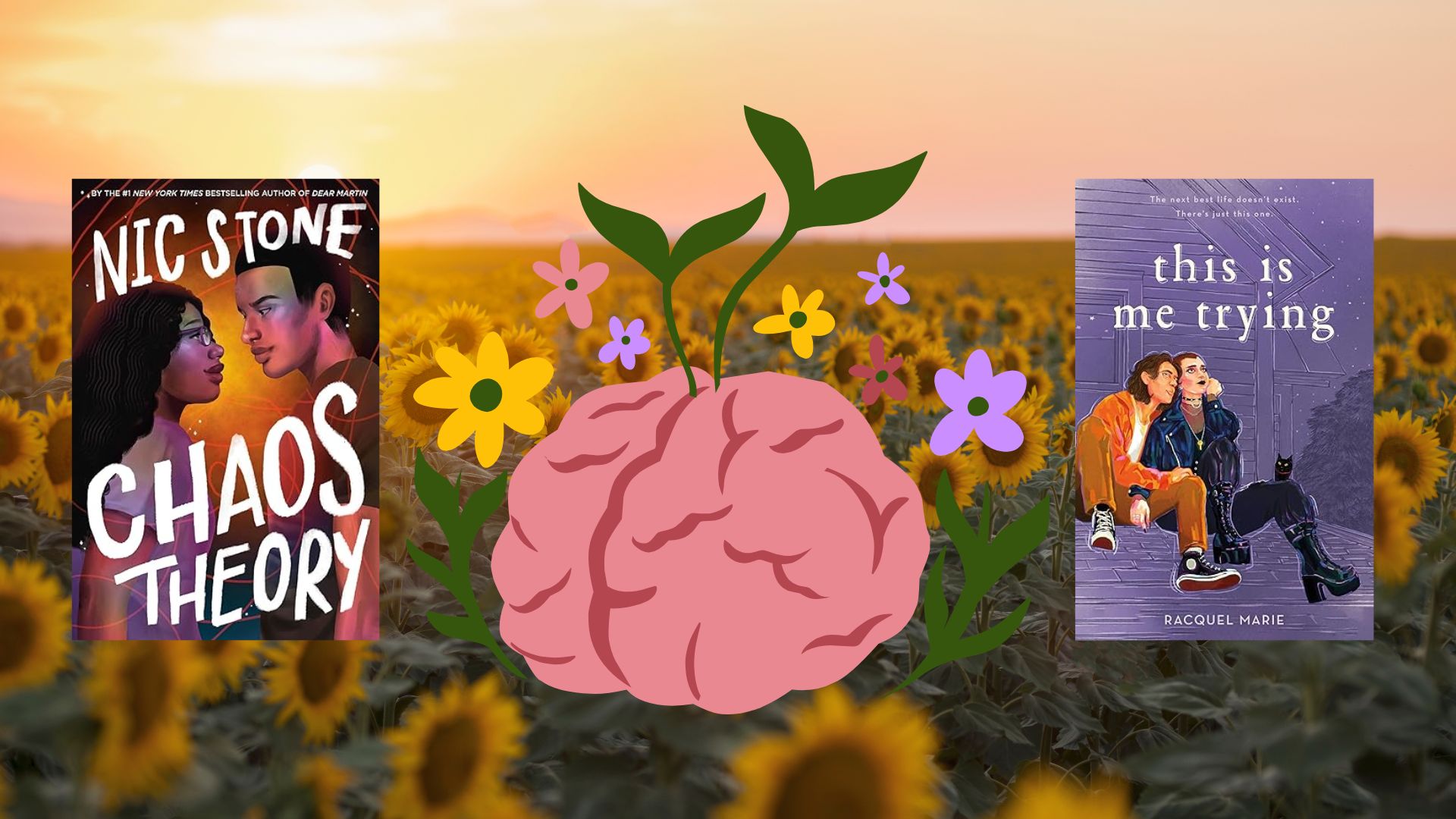
Trigger Warning: The mention of racism and mental health issues, including depression, self-harm, addiction, and suicide, may be triggering for some readers. Please exercise personal care when reading.
Books are a powerful tool when it comes to battling our own mental health problems. No matter what we are going through, someone has been through it too, and understands how we feel. By reading about characters that have been through similar experiences as us, readers feel seen and understood, which can be a great resource when we may feel hopeless and isolated. Mental health is important to acknowledge at all ages, so to get you started, here are eight characters in novels from middle school to adult ages that are seen overcoming their mental health battles to support you through whatever you are going through.
Craig Gilner from It’s Kind of a Funny Story
Craig Gilner feels like he cannot handle the academic pressure that is taking a toll on him. When he goes from not eating to not sleeping, and eventually tries to kill himself one night, he finds himself checked into a mental hospital, where his world and perspective are about to change.
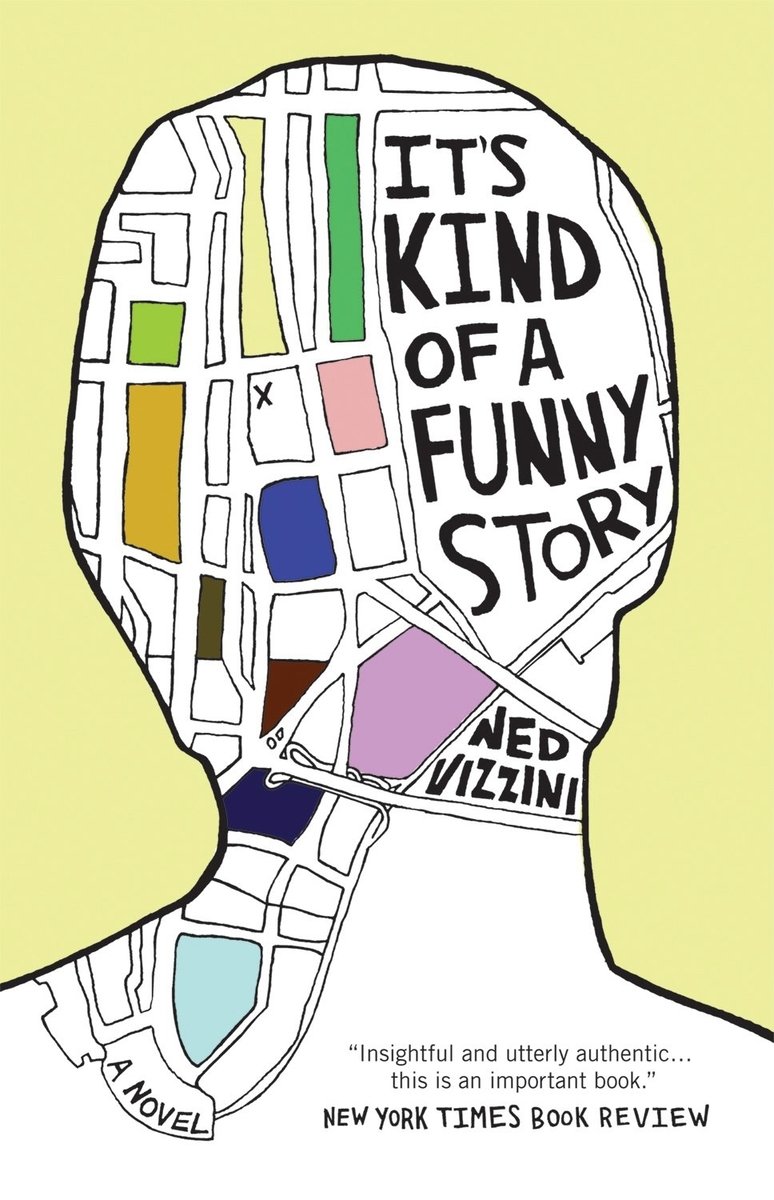
Due to overcrowding in the children’s ward, Craig is put in the adult section, where he meets a bundle of unlikely characters who are struggling with their own issues, from self-harm to self-elected presidents. With space away from school and his social life, Craig has to confront his anxiety head-on and learn how to manage his pain with the tools he has in his own head. The author, Ned Vizzini, knows the young mind and writes it in a way that is not only authentic and funny but also perfectly captures what it feels like to be a suicidal teenager who feels like there is no future ahead. Capturing his own struggle with mental health, Vizzini made it his life’s mission to speak on his own struggles with depression before he died by suicide in 2013, and continues to be a source of strength for all who read his work.
Aaron & Tillie from The Bridge
Aaron and Tillie plan to jump off the same bridge on the same night, but when these two strangers cross paths, who will jump and who will find a second chance at life? They do not know each other, but their lives, along with the people in them, will be forever entangled based on the choices they make that night.
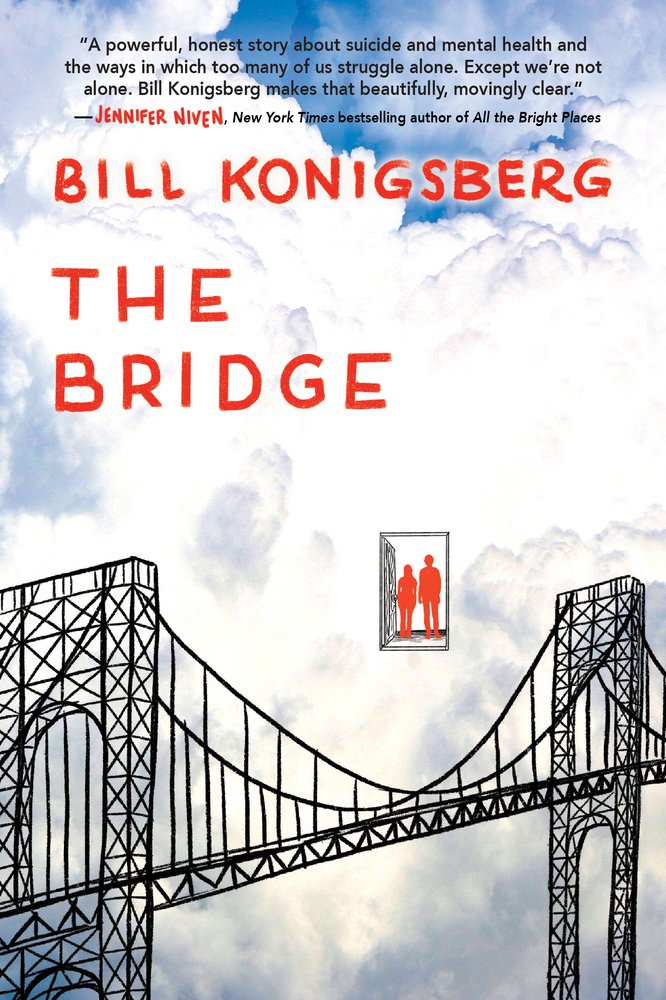
Aaron is a teenager struggling with his queerness, depression, and loneliness. Tillie struggles with not being good enough for this life or anyone in it. With people in their lives who love them but may not fully understand them, these two explore four different scenarios from the same night and the aftermath of each outcome. The reader is given the choice to decide which scenario is the closing part of the story because, just like people, everyone chooses how they see their lives play out. Suicide affects everyone, even the people who missed the call or didn’t get one.
Bill Konigsberg’s writing takes the harsh realities of suicide and places them in the context of family, friends, strangers, and every part of life that comes with knowing others. Konigsberg continues to be an activist for young readers struggling with their sexualities and mental health because every teen deserves a second chance at life.
Maybelline Chen from The Silence that Binds Us
Maybelline Chen and her brother Danny do not live up to the Chinese Taiwanese American lifestyle that is expected of them, especially when Danny dies by suicide after his battle with depression and admittance to Princeton.
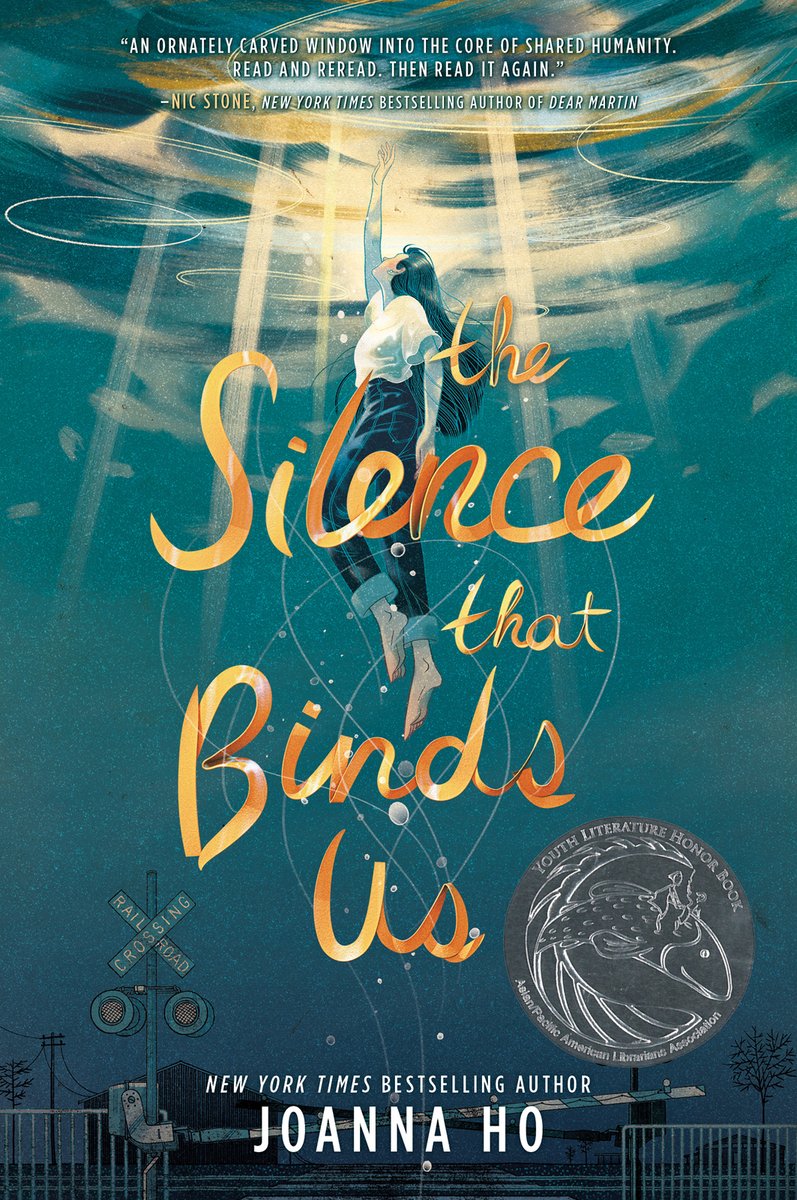
With the family’s life turned upside down, the Chens face a world of racist accusations as they deal with the loss of a beloved brother and son. Challenging the stereotypes put on her, May turns to her writing as she is told to keep her head down through the whole ordeal. Battling her own grief and mental health, May finds herself in a struggle to determine who gets to speak up and who stays silenced when we talk about the conflicts with mental health, classism, racism, and family dynamics. Joanna Ho captures the complexities of grief, followed by Asian hate, in this poignant novel that relays the realities of suicide and its effects on a family. Ho strives to build her work on anti-bias and anti-racist ideals to bring to light the important conversations we need to have with one another about how we treat each other and the stereotypes we see.
Iveliz Margarita Snow Medina from Iveliz Explains It All
Seventh grade was supposed to be Iveliz’s year, but when she struggles with her words to explain to her abuela why her medication is necessary to control her sadness and why she can’t seem to handle her anger, she finds writing to be an essential outlet for her troubles.
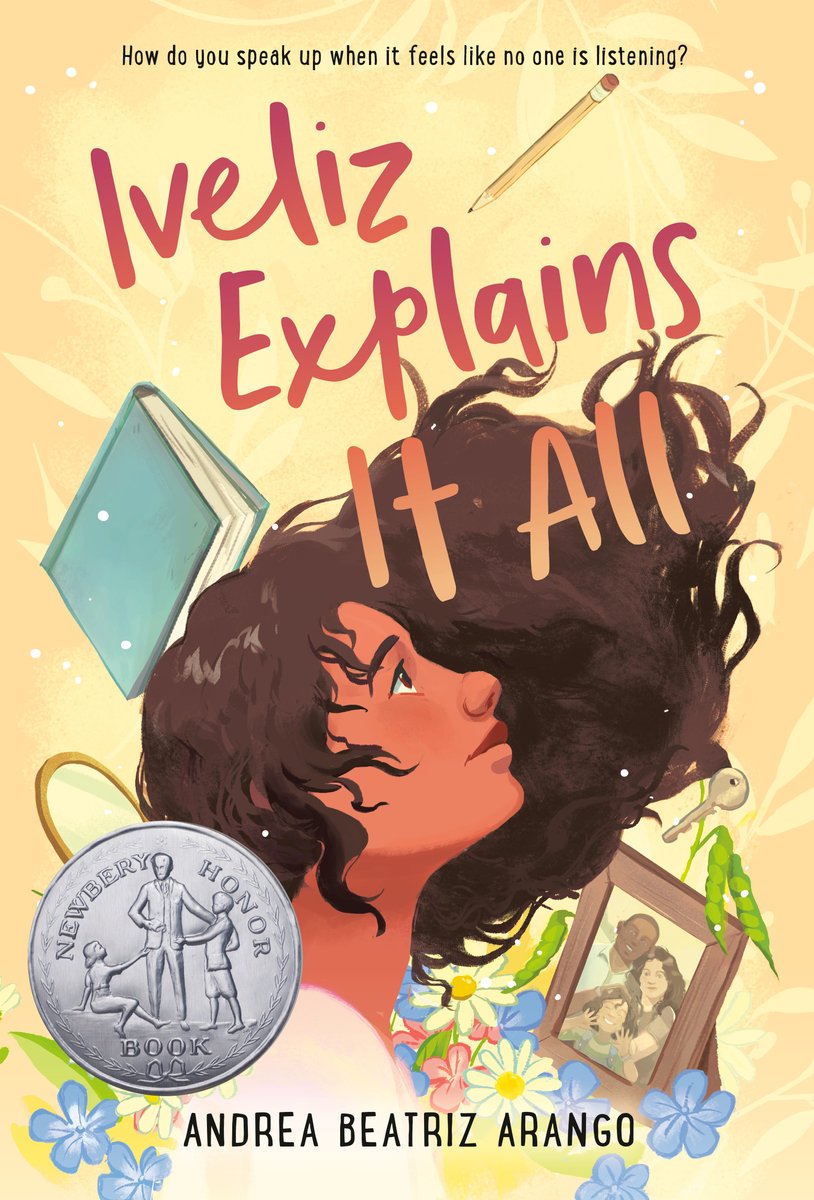
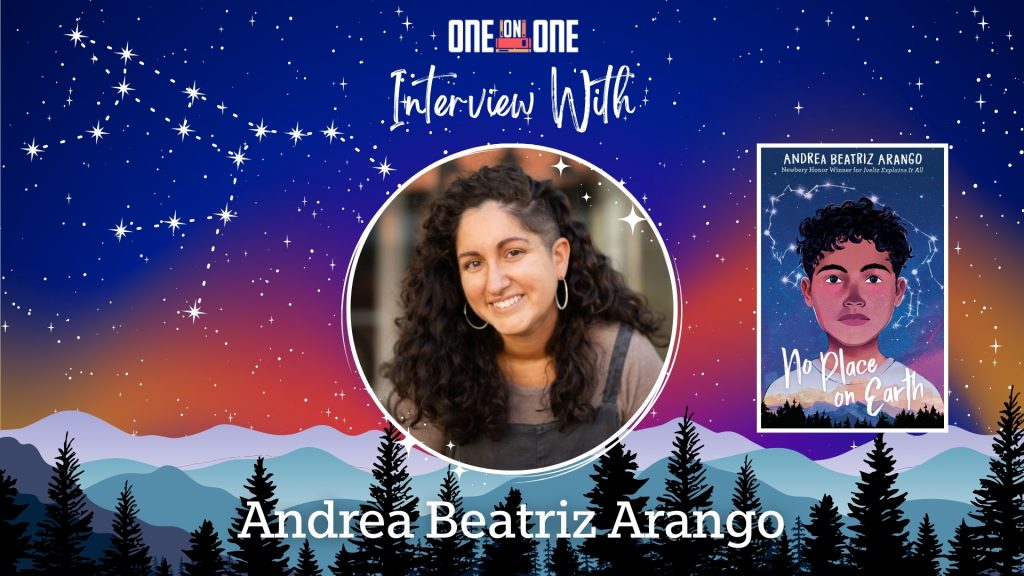
Worried about her abuela’s declining health and the start of the new school year, Iveliz feels in over her head as she navigates the beautiful and frustrating parts of being a bilingual middle school girl trying to find her place without creating trouble. Dealing with invalidated feelings, teachers who can’t pronounce her friends’ names, and new emotions she’s never felt before, Iveliz’s only outlet becomes her poetry as she tries to understand everything that is going on in her life. With Andrea Beatriz Arango’s verses and Alyssa Bermudez’s illustrations, Iveliz’s world is brought to life as if readers are looking at her personal journal of thoughts. She becomes a voice of advocacy for young readers going through their own struggles, who may need to find outlets when expressing their feelings about the challenges they are facing.
Shelbi & Andy from Chaos Theory
Shelbi is a genius living with a mental disorder, and Andy is dealing with his grief through his addictions. When the pair meets at their lowest, they find a relatable connection that may bring them closer than they were prepared for.
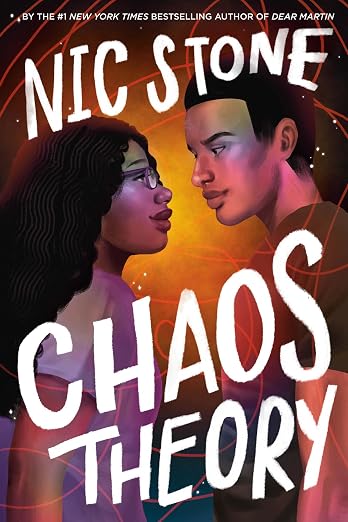
With Shelbi’s detachment style keeping her secrets from being exposed and Andy drinking himself to death to try and forget his feelings and problems, they don’t know how long they’re going to last in this school. But when Shelbi sees Andy at his lowest, they form a friendship that grows deeper as they continue to help each other out during their toughest moments. The closer they get, the further they get into one another’s past, which turns into a true testament of who we can trust with the deepest parts of ourselves. Nic Stone creates a valuable discussion about how we cope with grief, prioritize mental health, and find love as the world spins into chaos. Her advocacy knows no bounds regarding protecting teens and the emotions they are going through during the darkest parts of their lives.
Beatriz & Santiago from This Is Me Trying
The inseparable group becomes separable when Santiago moves away before high school, Bryce dies by suicide, and Beatriz’s message gets left unanswered. Amid Santiago’s return, Beatriz must decide if she’ll continue to grieve alone or forgive him and learn to grieve together as they get to know their new selves.

In the three years after Bryce’s death, Beatriz becomes the gothic town loner known as the dead boy’s girlfriend. Santiago moves back to the town that used to hold fun memories, but now holds the weight of the past he tried to ignore. With their past catching up to them, Beatriz and Santiago have to learn to navigate their grief and love to find forgiveness in not only each other but also themselves. Racquel Marie creates a heart-wrenching story that dives into the trauma of losing a friend at a young age and the effects it can have on growing up without them. Her characters try their best to deal with an unfathomable loss by exploring forgiveness and kindness in a way that destroys and heals the heart.
Sahara Kesandu Nwadike from The Unfortunates
As a college sophomore who already feels like a failure, Sahara finds herself feeling more despair as the small group of Black classmates at her university begin to go missing or end up dead, and college becomes harder to handle than Sahara expected.
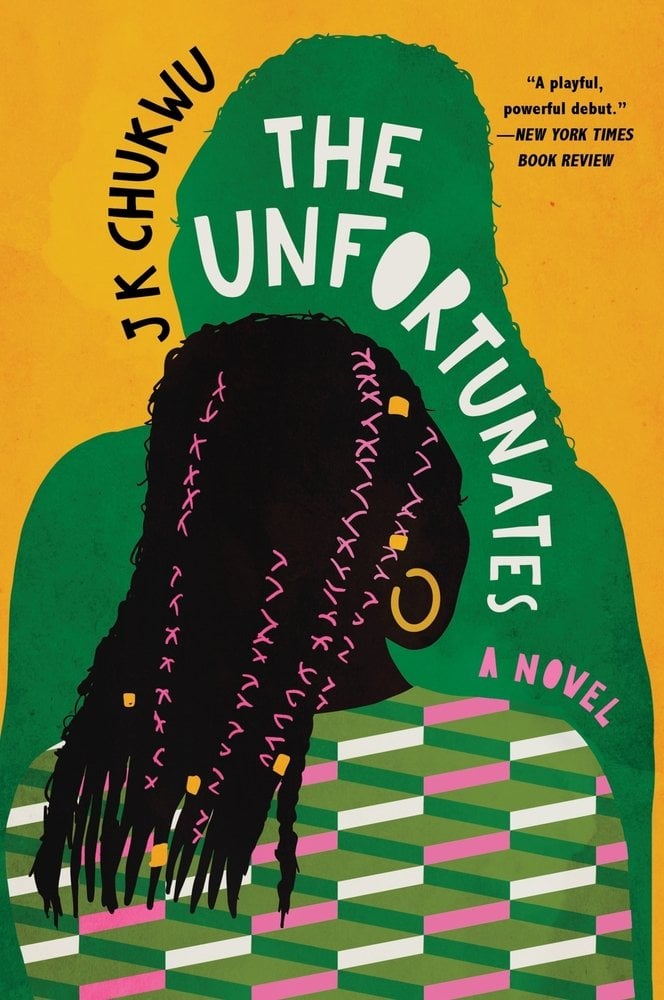
Struggling with body dysmorphia, a nonexistent love life, and feeling like she’s not good enough in her education, or for her family, Sahara is getting close to giving up and letting her depression win. Before she goes, she takes one more chance to advocate for her missing classmates in her thesis addressed to the University Committee. Whether she loses her life going missing, like her fellow classmates, or loses the battle she’s been fighting against herself, Sahara finds her community of BIPOC women and realizes that if she’s going to die, she will not go down without a fight. J.K. Chukwu creates a powerful story that not only addresses the dangers Black people face in society but also acknowledges the mental health battles college students go through to try and make their education worth it.
Amy & Olivia from Shred Sisters
Amy and Olivia are totally different. Amy is the cautious sister who is obsessed with her studies, while Olivia’s spotlight makes her confidence erratic and unpredictable. With their clashing personalities, these sisters find living together and being apart to be their most complicated choices yet.
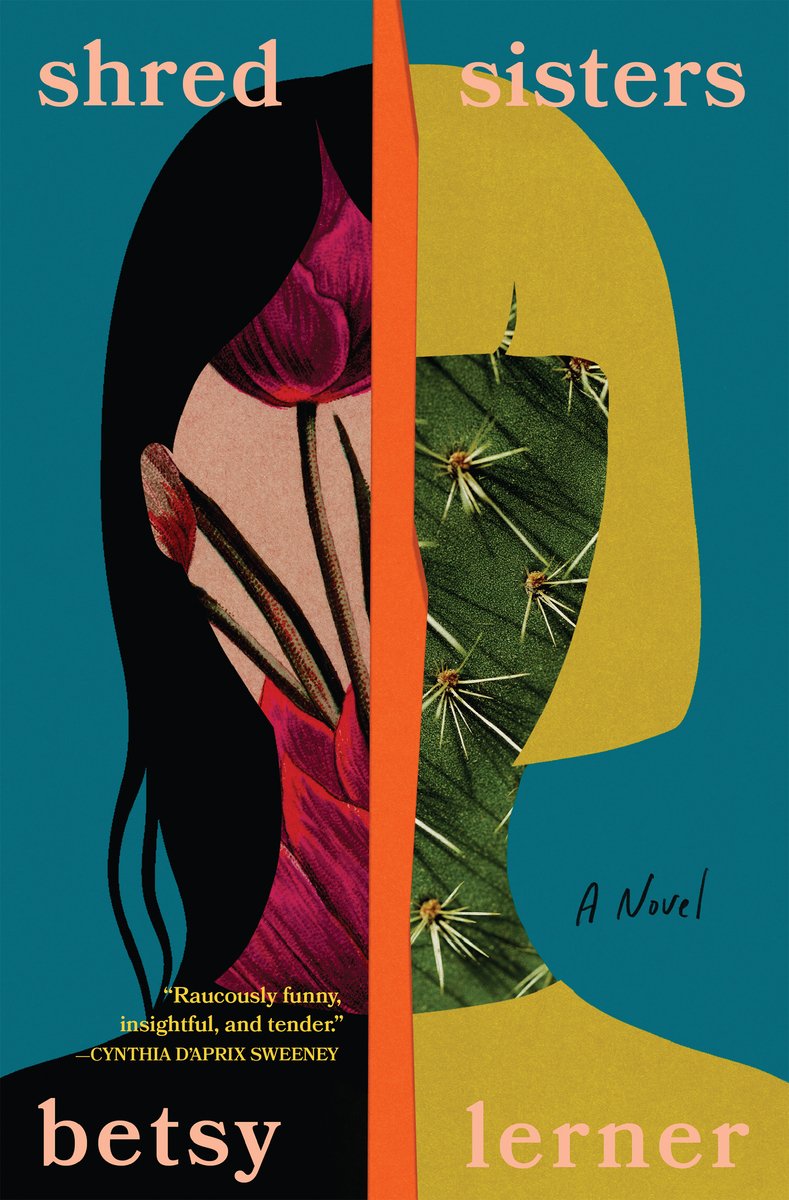
Spanning across two decades, these sisters explore the complicated mess that is dealing with mental health issues within a sisterhood. The complexities of loving and hating a sister know no bounds as Amy and Ollie find themselves slipping in and out of each other’s messy lives, only to cause more destruction that must be put back together. Each grappling with their own mistakes, the Shred sisters learn that living together is hard, but their lives cannot be balanced without having each other. Betsy Lerner’s writing is mind-opening for readers who have known one or both sisters in their lifetime. She perfectly showcases what it feels like to live life while believing you’re not good enough to be living it and the strength it takes to right our wrongs.
As the stigma around mental health continues to change and grow, readers need to know that they are not alone in their feelings. Reading about characters who are going through similar struggles can remind us that there are real human beings, like our authors, who are also struggling with their mental health while also working on finding resources to overcome such battles. Each author reminds us of the importance of our own lives. Hopefully, their characters can comfort readers as we all continue to get through life together.
To feel safe at all times is a basic human right; let’s work to make this world physically and mentally safe for everyone.
If you or someone you know is battling with mental health-related distress, we urge you to be kind and hold space for them, and contact the 988 Suicide and Crisis Lifeline (confidential, free, available 24/7/365):
→ Call or text 988
→ Chat at 988lifeline.org
→ Connect with a trained crisis counselor
European RNCE +44 (0)141 331 4180 or www.rcne.com/
List of Hotlines in 46 Countries: https://wave-network.org/list-of-helplines-in-46-countries/
Looking for books to help with your own mental health? Click here.
For more book recommendations on mental health, check out our Amazing Inclusive Representation of BIPOC Mental Health bookshelf on Bookshop.org.