


















Reading stories that leave you with bitten-to-the-nub nails, fingers anticipating the next page turn, and reflections of desirable and effortless LGBTQ+ representation makes it feel like it is almost too good to be true. Books like The City We Became and The Last House on Needless Street blends suspense and nuanced identities that make you only want more. Now imagine finding TV shows that pair perfectly with those books. These novels and television series reveal thrilling stories that incorporate queer coding themes, romantic dynamics, and gender identities that touch many facets of people’s lives without defining them entirely.
Trigger Warning: The mention of child abuse, death, addiction, emotional abuse, and the pandemic may be triggering for some readers. While reading, please take personal care with these topics.
If You Like Darling Girls, You’ll Love The Haunting of Bly Manor
Both Darling Girls and The Haunting of Bly Manor explore how past trauma shapes the present. Darling Girls uses real-world abuse to drive its thriller, unraveling a mystery linked to the characters’ traumatic pasts. In contrast, The Haunting of Bly Manor employs supernatural elements to reflect unresolved trauma. Both narratives captivate with their gradual reveals and character-driven suspense, showing how past experiences continue to haunt their protagonists.
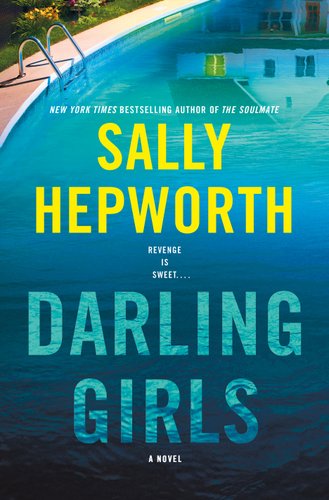
In Darling Girls, the thriller elements revolve around the characters’ traumatic past and the gradual revelation of dark secrets from their foster home. The plot intensifies with the discovery of human remains at their old foster residence, compelling Jessica, Norah, and Alicia to confront their painful history with Miss Fairchild. As the narrative alternates between past and present, their unresolved trauma is revealed, deepening the suspense and challenging their understanding of their past.
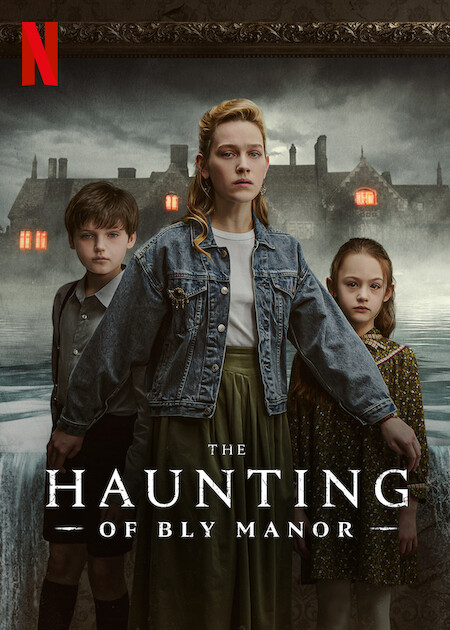
Similarly, The Haunting of Bly Manor creates a deeply atmospheric thriller with psychological and supernatural layers. Set in the seemingly serene Bly Manor, the show uncovers dark secrets and restless spirits that reflect the characters’ unresolved traumas. Dani’s encounter with a ghostly figure linked to her past drives the series, exploring themes of loss, love, and memory while escalating the intrigue surrounding the manor’s mysteries.
Both Darling Girls and The Haunting of Bly Manor offer profound portrayals of LGBTQ+ relationships. In Darling Girls, Alicia and Meera’s relationship is sensitively explored, showing how their love navigates past trauma. Similarly, Bly Manor presents Dani and Jamie’s romance with nuanced storytelling, linking it to themes of trauma and growth. Both works highlight how LGBTQ+ love provides support and healing amid personal struggles.
If You Like John Dies at the End, You’ll Love Hannibal
If you’re captivated by the intricate, queer-coded relationships in John Dies at the End, then Hannibal should be next on your list. Both stories expertly fuse psychological intensity with emotional depth, exploring relationships that defy traditional boundaries. Hannibal mirrors the dynamic between David and John with its richly ambiguous and intense bond between its central characters. This intersection of thriller and queer subtext creates a compelling narrative experience that resonates deeply with fans of layered, boundary-pushing storytelling.

In John Dies at the End, otherworldly terror and emotional unease intersect as the protagonists confront the bizarre effects of “Soy Sauce.” The novel’s relentless pace and unexpected twists keep readers on edge, skillfully intertwining dread with absurd humor.

Meanwhile, Hannibal delves into the intricate and intense relationship between FBI Special Investigator Will Graham and Dr. Hannibal Lecter, a genius psychiatrist hiding his cannibalistic tendencies. The series intertwines psychological horror with a gripping thriller narrative, exploring themes of obsession and identity. This dark, layered connection drives the show’s chilling and suspenseful plot.
In John Dies at the End and Hannibal, the emotional depth and intricacy of relationships suggest a broader, more fluid understanding of intimacy and identity. While neither text explicitly labels these connections as romantic, their profound bonds reflect queer undertones and challenge conventional notions of masculinity. David and John’s vulnerability and mutual support break away from typical friendships between men, and Will and Hannibal’s intense, almost romantic obsession adds a rich layer of queer subtext. Both narratives explore how deep, emotional connections can defy traditional labels, offering a fresh perspective on intimacy.
If You Like This Delicious Death, You’ll Love Killing Eve
When it comes to thrilling narratives, This Delicious Death and Killing Eve offer electrifying experiences with their gripping plots and high-stakes tension. Both stories feature relentless pursuits and psychological depth, where danger and intrigue heighten with every twist. Their exploration of queer identities adds layers to the tension, enriching the narrative with emotional nuance and authenticity. These thrilling elements intertwine seamlessly, making each story not only captivating but also profoundly impactful.
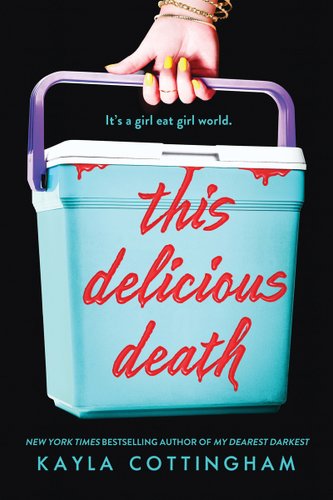
In This Delicious Death, four girls — Zoey, Celeste, Valeria, and Jasmine — are transformed into ghouls by a pandemic but manage to live relatively normal lives with synthetic protein, SynFlesh. Their visit to a desert music festival takes a dark turn when one succumbs to their ghoul instincts, escalating the danger. As secrets unravel and control slips, the plot intensifies with unexpected twists and significant risks.

Killing Eve tracks the electrifying conflict between MI6 agent Eve Polastri and the devious assassin Villanelle. Their intense rivalry is intensified by personal challenges that also reveal intricate dimensions of their characters. The series combines thrilling action with profound psychological exploration, delivering a gripping and multifaceted storyline.
This Delicious Death and Killing Eve both present rich queer representation through their elaborate romantic relationships. In This Delicious Death, Celeste and Jasmine’s relationship enhances the story’s depth, exploring the interplay between love and their monstrous conditions. Similarly, Killing Eve delves into the complex dynamics between Eve and Villanelle, blending romantic tension with psychological intrigue. Both narratives offer a detailed portrayal of queer identities, demonstrating how these relationships intersect with wider themes of personal conflict and identity.
Diving into novels and tv shows like Darling Girls and Killing Eve provides a perfect combination of suspense and genuine queer representation. These stories captivate with their thrilling plots and provide deep insights into romantic and sexual identities, showing that the best narratives both entertain and reflect the complexities of human experiences.
Interested in other media that pairs with LGBTQ+ books? Check out this article.
Browse our Morally Gray: Thrilling Dark Romance Books We Love bookshelf on Bookshop.org for more thriller stories!
