










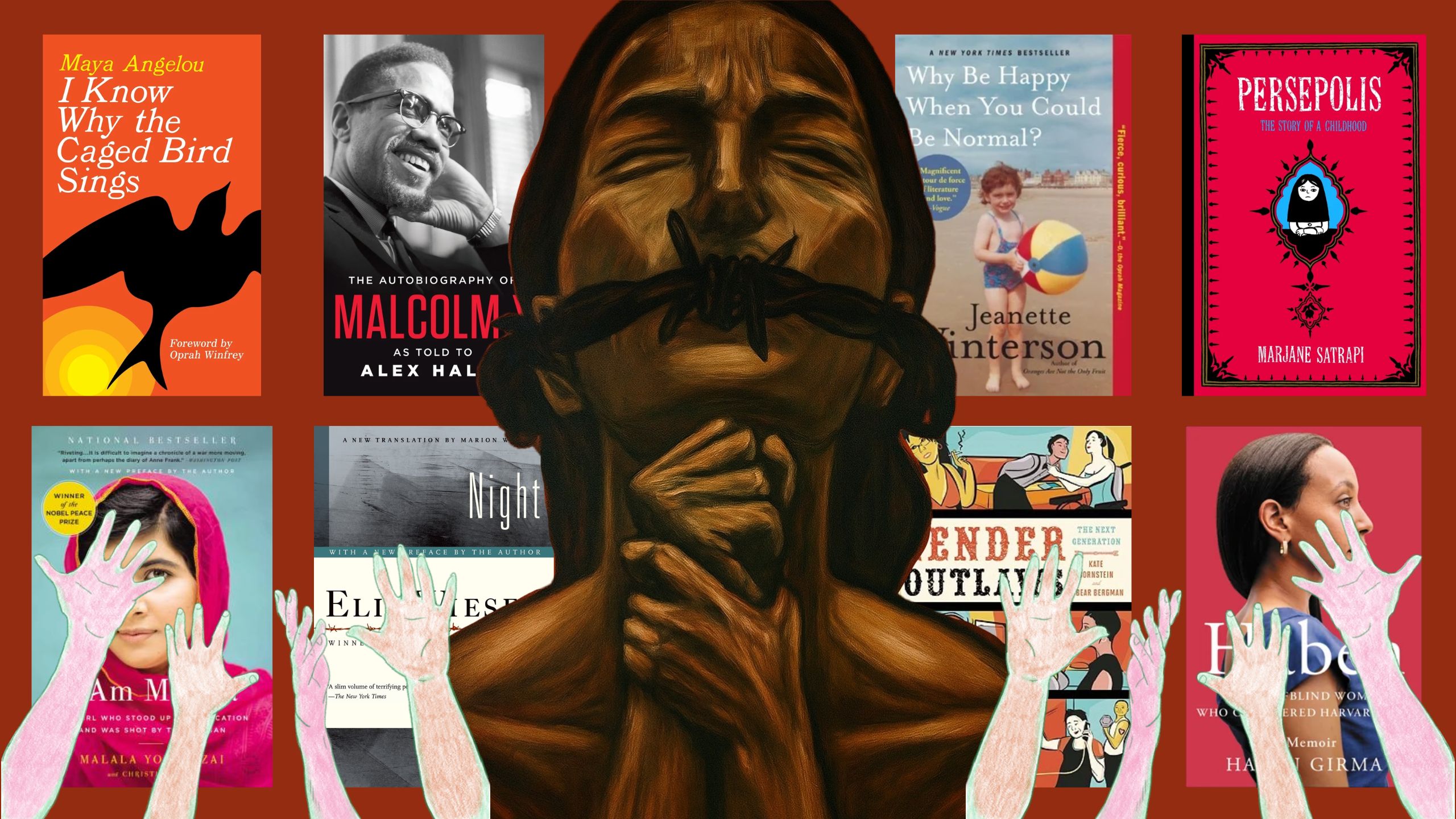
It’s important to spotlight those who have long been silenced or marginalized. Too often, literary discourse centers on voices with the comfort and platform to speak. In doing so, this overlooks the stories of people who have had to fight to be heard. These works not only reclaim personal and collective histories but also challenge readers to confront the systems that continue to marginalize them. As we take a moment to amplify these narratives, we celebrate the fight for universal human rights, beginning with listening to those who were never meant to be silent.
I Know Why the Caged Bird Sings by Maya Angelou
“There is no greater agony than bearing an untold story inside you.”
Maya Angelou

Maya Angelou is an author, poet, and civil rights activist, best known for her autobiography, I Know Why the Caged Bird Sings. Her novel is now often taught in schools across the U.S., yet before this, it sparked heavy controversy regarding its discussion of racism, sexual violence, and LGBTQ themes. Set in the 1930s Jim Crow South, Angelou shares her experience growing up poor and Black, experiencing heavy racism, sexual assault, and abandonment. As the title represents “the caged bird” singing, we see that Angelou regains her sense of self throughout the novel, finding her voice and embracing power and identity.
Despite being trapped, she uses art and truth to find humanity and hope. Through her trauma, we find silence from Angelou, believing that her words cause “death”, but from a larger viewpoint, it mirrors the systemic silencing of Black girls and women. By listening to what was once unspeakable, marginalized people have been told to hide. Angelou’s work teaches that reclaiming one’s story is an act of healing, defiance, and freedom. Her voice, once silenced by fear, became a symbol of liberation for others.
The Autobiography of Malcolm X by Malcolm X
“I’ve had enough of someone else’s propaganda… I’m for truth, no matter who tells it. I’m for justice, no matter who it is for or against.”
Malcolm X

In the fight for African American revolution and human rights activism, Malcolm X had a substantial impact, especially during the Civil Rights Movement. In his autobiography, The Autobiography of Malcolm X, we go more in-depth on how important his voice was, today, and when he was silenced. The novel follows Malcolm’s life from his troubled early childhood and teenage years, where he becomes involved in crime and is imprisoned. For nearly seven years, he educated himself, joined the Nation of Islam, and rejected his previous “slave name” Little into Malcolm X. His time in prison became a turning point in his life, where he regained his voice and began to truly stand up for himself and his people. From advocating for Black pride and resistance to white oppression, to later embracing a more global and inclusive understanding of race and justice. Malcolm’s story is not just history, but a blueprint for resistance and a call to recognize human rights as universal.
I Am Malala: The Story of the Girl Who Stood Up for Education and Was Shot by the Taliban by Malala Yousafzai
“They thought that the bullets would silence us, but they failed. And out of that silence came thousands of voices.”
Malala Yousafzai
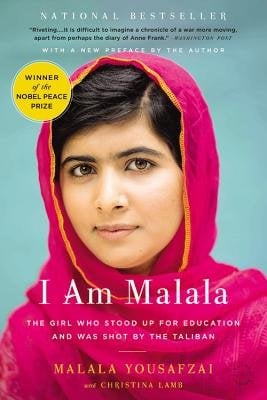
In jeopardizing her safety and willing her sacrifice in the fight for activism, Malala Yousafzai’s voice impacted young women globally. In an attempt to speak out against the Pakistan ban on girls’ education, Yousafzai was shot by the Taliban at only 15 years old, simply for using her voice. I Am Malala: The Story of the Girl Who Stood Up for Education and Was Shot by the Taliban tells her story in depth, starting from when she was a young girl who loved to learn under the new control of the Taliban in Pakistan.
Malala refused to stay silent, but her bravery made her a target. After an attempted assassination, she miraculously survived and continued her mission. Her persistent fight allowed her to become an inspiring global symbol of courage, education, and human rights. Malala’s continued advocacy in the cost of speaking up showed that truth can’t be silenced. Her voice now stands for millions of young girls denied education around the world.
Night by Elie Wiesel
“To forget the dead would be akin to killing them a second time.”
Elie Wiesel
As a survivor and witness of the Holocaust, Elie Wiesel made it his life’s work to become a voice for the genocide committed by the Nazis during World War II. Now widely read by high school students, this book is considered an essential read when understanding the human impact of the Holocaust and its themes of injustice, faith, and survival. Wiesel was a Jewish teenager when he and his family were deported to Auschwitz during the Holocaust. Through this, he witnessed extreme horror and the dehumanization of millions. As a survivor in 1945, Wiesel carried a heavy amount of trauma and survivor’s guilt, essentially refusing to write or speak about what he saw. Night was an act of breaking that silence. This novel speaks through raw and emotional experience, creating a voice for millions who were silenced forever. Therefore, in his writing, he transformed personal trauma into resistance, to remember and to act on history.
The Glass Castle by Jeannette Walls
“Things usually work out in the end. What if they don’t? That just means you haven’t come to the end yet.”
Jeannette Walls
Jeannette Walls is an author and journalist, best known for her memoir The Glass Castle. After growing up in a deeply unstable and impoverished family, she wrote her novel about her story of living through her tragedies. Her parents struggled with mental illness, alcoholism, and neglect, but nonetheless instilled a sense of independence and creativity in Walls. From something that she was once ashamed of, The Glass Castle became a therapeutic process for her to confront painful memories. Walls wasn’t necessarily silenced by law or censorship, but instead by shame and social stigma. Writing her memoir was an act of truth-telling and liberation, as stated in the title “Glass Castle”, a transparent home as a symbol of hope and honesty.
Beloved by Toni Morrison
“If there’s a book that you want to read, but it hasn’t been written yet, then you must write it.”
Toni Morrison

Toni Morrison gave language to what was long unspoken in American history, specifically through Black women and families. Most of her profound novels explore themes of Black identity, memory, and humanity in America, including one of her most famous works, Beloved. Beloved is a deeply moving story about an escaped enslaved woman confronting the horrors of her past. In her writing, Morrison transforms the silenced suffering of enslaved people into a story of love and grief. The haunting in this novel is historical, representing how the pain of slavery continues to haunt America.
Gender Outlaws: The Next Generation by Kate Bornstein
“I know I’m not a man — and I’ve come to the conclusion that I’m probably not a woman, either. The trouble is, we’re living in a world that insists we be one or the other.”
Kate Bornstein
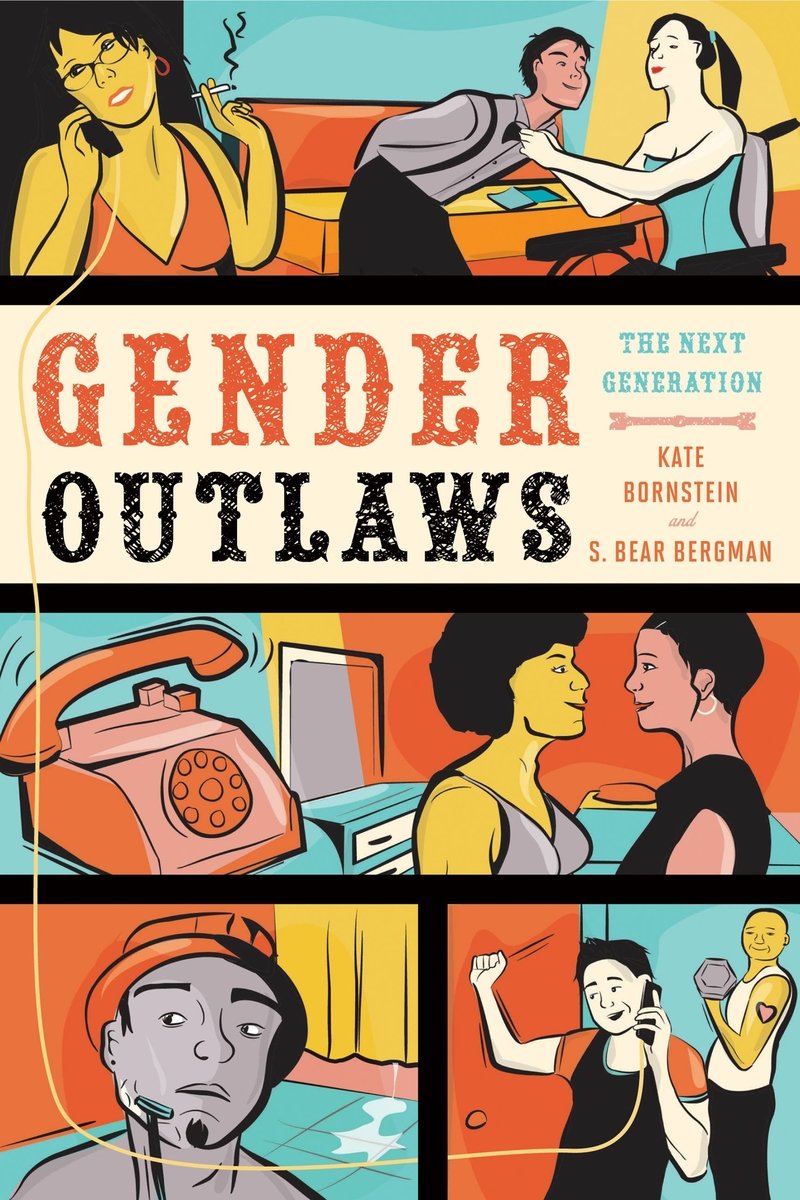
In reshaping gender and identity conversations for a lifetime, Kate Bornstein’s voice offers a rethinking of living entirely outside the binary. Within their work and study, they argue that gender is a spectrum instead of a black and white concept. In a collection of essays, poems, and interviews by trans, nonbinary, and gender queer writers, Gender Outlaws: The Next Generation gives a voice to those who’ve been silenced by shame, stigma, or invisibility. This novel explores what it means to live beyond the gender binary of “male” and “female”, exploring how people find identity in authenticity while facing violence, discrimination, and invisibility. In giving light to Bornstein’s work, we recognize that for centuries, nonbinary and trans voices were erased from history and literature. Gender Outlaws: The Next Generation breaks this silence as it creates a space for gender queer people to speak for themselves and gain their rightful autonomy.
Haben: The Deafblind Woman Who Conquered Harvard Law by Haben Girma
“Disability is an opportunity for innovation.”
Haben Girma
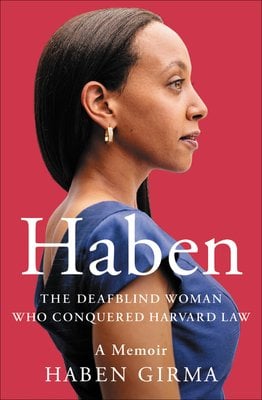
As the first deafblind person to graduate from Harvard Law School, Haben Girma used her voice to become a human rights lawyer and disability justice advocate. Not only does Girma spread awareness through literature, but she is a public speaker and consultant who travels the world educating organizations about the benefits of inclusion and accessible products and services. Her memoir, Haben: The Deafblind Woman Who Conquered Harvard Law, follows her journey from childhood to when she studied at Harvard Law. In school, she excelled academically while advocating for accessibility rights by using her experiences to fight for inclusion in society. Haben redefines what it means to have a voice, showing that advocacy and persistence speak louder than words.
Why Be Happy When You Could Be Normal? by Jeanette Winterson
“Why be happy when you could be normal?”
Jeanette Winterson
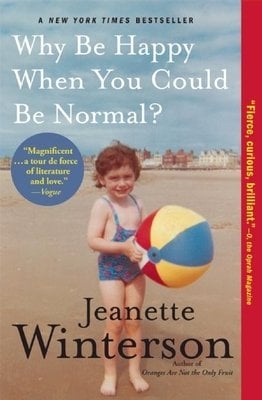
This quote from Jeanette Winterson’s mother soon became the inspiration for her memoir, Why Be Happy When You Could Be Normal?. From a young age, Winterson turned her love for another girl into a continuous, fearless exploration of identity, sexuality, and belonging. As a queer woman growing up in a repressive environment, she often writes about what it means to be silenced or excluded. Winterson tells the story of what it’s like growing up in a home where difference was punished and fighting towards eventually healing from emotional trauma. When being denied the right to be herself, writing became her recovery. Once silenced by fear, her voice now speaks for anyone who’s been told their love or existence is wrong, insisting that the right to love and live authentically is a human right.
Persepolis by Marjane Satrapi
“Freedom had a price.”
Marjane Satrapi
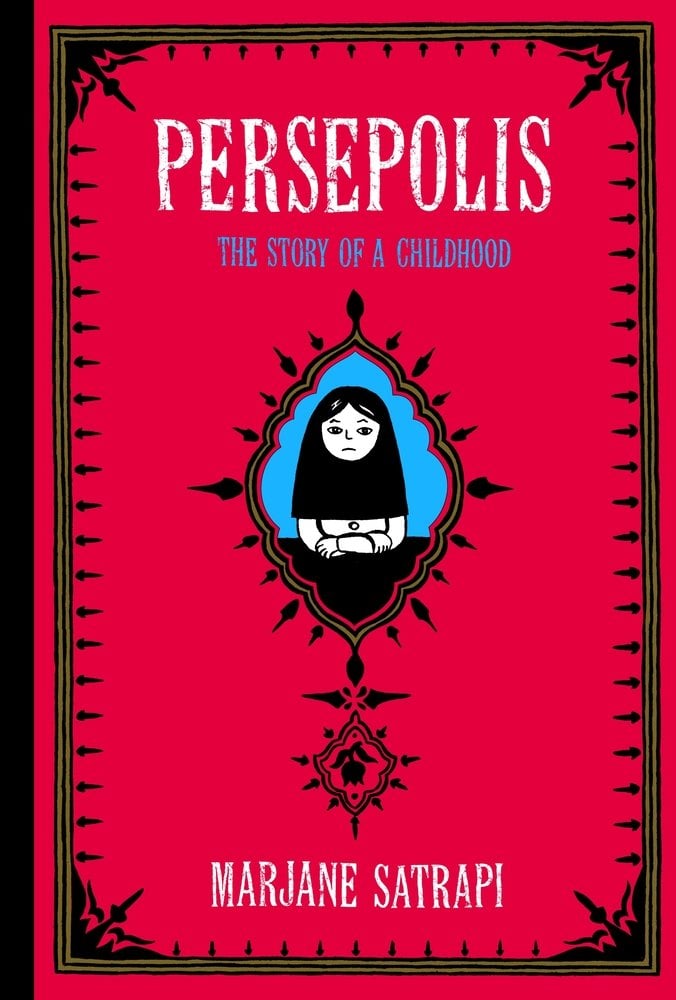
Persepolis by Marjane Satrapi is a powerful memoir featuring themes of voice, identity, and resistance. As a child, when Satrapi’s safety and freedom were threatened, her family sent her to school in Europe, where she faced loneliness and cultural displacement. Through graphic memoirs, her stories are told with humor, pain, and political critique. Satrapi’s struggle gives voice to Iranian women and youth who were also silenced by censorship, gender oppression, and dictatorship. Her story not only preserves her truth but also spreads awareness about what happens when freedoms are stripped away. As Satrapi reclaims her voice, she teaches it’s not just about speaking, it’s about refusing to disappear.
Each of these stories reminds us that silence always has meaning and consequences, especially in the context of injustice or oppression. These works reclaim the narratives that history or society tried to erase, and by listening to them, we recognize our shared responsibility to protect that right for all. Let’s remember that the fight for human rights continues with awareness and lives on through the power of voice.
Learn about the stories untold from a range of authors here.
Find more must-read non-fiction and memoir recommendations here.