

















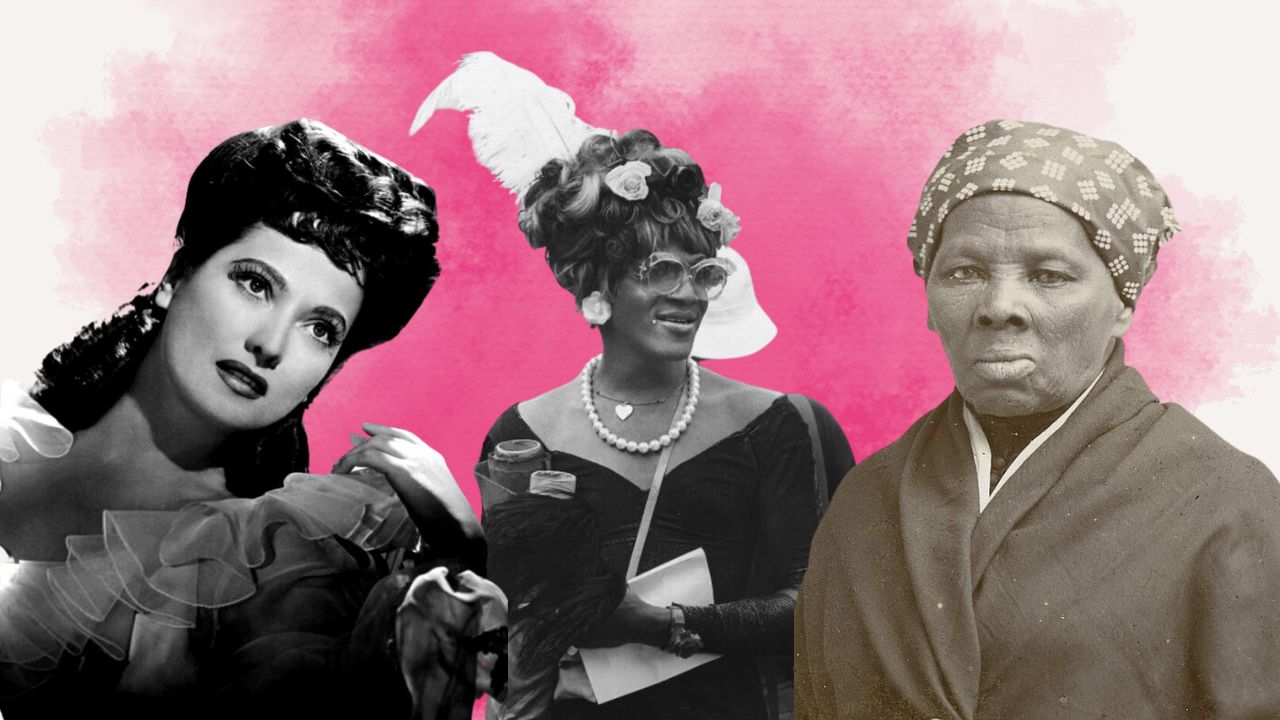
In 1980, U.S. president Jimmy Carter officially declared the week of March 8 to be National Women’s History Week. Carter’s proclamation was the result of a campaign by the National Women’s History Alliance, an organization dedicated to uplifting women’s history. Encouraged by their success, the NWHA (then known as the National Women’s History Project) lobbied to extend the celebration to an entire month. Thus, with the 1987 passage of Public Law 100-9 by Congress, Women’s History Month was born.
Despite these strides, women’s historical achievements continue to be overlooked, diminished, or even erased. A 2017 study conducted by the National Women’s History Museum found that women’s history representation across state social studies standards was largely outdated. Specifically, state curricula often failed to address major strides in historical scholarship and girls’ education. They also portrayed women through a narrow lens that emphasized their domestic responsibilities and did not showcase their diverse range of accomplishments.
Fear not, dear reader! We’ve curated a wealth of new biographies and memoirs spotlighting a variety of history-making women.
Marsha: The Joy and Defiance of Marsha P. Johnson by Tourmaline

Perhaps best known for participating in the Stonewall riots, Black trans activist Marsha P. Johnson is a cornerstone of LGBTQ+ history. From the streets to the stage, she embodied joy, liberation, and the power to live life on your own terms. Now, trans artist and writer Tourmaline provides readers with the first comprehensive biography of Johnson’s exceptional life. Marsha pays homage to an iconic trailblazer who carved out a space for herself and her community against all odds.
Love, Queenie: Merle Oberon, Hollywood’s First South Asian Star by Mayukh Sen

Born to a Sri Lankan mother and white father, Queenie Thompson harbored dreams of becoming an actress. After immigrating from India to London, she adopted the name Merle Oberon and became a Hollywood success. But Oberon’s decision to conceal her ethnicity has left her largely excluded from the historical memory of Asian success in Hollywood. In Love, Queenie, Mayukh Sen peels back the curtain on a forgotten starlet’s remarkable career and complicated legacy.
Night Flyer: Harriet Tubman and the Faith Dreams of a Free People by Tiya Miles

How well do we really know Harriet Tubman? Night Flyer seeks to humanize the abolitionist, whose extraordinary work with the Underground Railroad earned her the nickname “Moses of her People.” Tiya Miles foregrounds elements of Tubman’s life that often go overlooked: her disability, spirituality, and attunement to the environment. The result is a portrait of Tubman unlike any other, one sure to foster new appreciation for a familiar historical figure.
Make It Count: My Fight to Become the First Transgender Olympic Runner by CeCé Telfer

Runner CeCé Telfer is no stranger to overcoming hurdles — on or off the track. After becoming the first openly transgender woman to win an NCAA championship, Telfer set her sights on a bigger prize: Olympic glory. In this timely memoir, the track athlete recounts her athletic journey, from her childhood in Jamaica to her search for a running coach. Amid ongoing transphobia in the sports world and beyond, Make It Count is a declaration of strength, perseverance, and pride.
The Swans of Harlem: Five Black Ballerinas, Fifty Years of Sisterhood, and Their Reclamation of a Groundbreaking History by Karen Valby

In 1969, at the height of the Civil Rights Movement, Arthur Mitchell founded the Dance Theatre of Harlem. The company provided dancers of color a space to thrive in an industry where they were often excluded or marginalized. Over 50 years later, five of the theater’s original ballerinas — Lydia Abarca Mitchell, Gayle McKinney-Griffith, Sheila Rohan, Karlya Shelton-Benjamin, and Marcia Sells — have come together to share their stories. The Swans of Harlem follows these incredible performers over the course of their groundbreaking careers and their quest to commemorate their forgotten legacy.
American Woman: The Transformation of the Modern First Lady, from Hillary Clinton to Jill Biden by Katie Rogers

For much of U.S. history, the most visible woman in the nation has been the First Lady. American Woman traces the First Lady’s evolving role in U.S. politics over the past few decades. Journalist Katie Rogers pays particular attention to Dr. Jill Biden, the first presidential spouse to hold a paid job outside the White House. Discover how our First Ladies have not only wielded power in their own ways, but redefined expectations for women everywhere.
Fearless and Free: A Memoir by Josephine Baker

Originally published in French, multitalented performer Josephine Baker’s 1949 memoir has finally been translated into English. From Harlem to Paris, Baker made a name for herself in the Roaring ‘20s as a dancer, singer, and actress. But she was more than a celebrity: she spied for the French Resistance in World War II and participated actively in the Civil Rights Movement. In Fearless and Free, Baker gives readers a backstage pass into her world.
Your Roots Cast a Shadow: One Family’s Search Across History for Belonging by Caroline Topperman

In 2013, writer Caroline Topperman moved from Vancouver to her family’s native Poland. Struggling with the adjustment, she began examining her family’s own history, one marked by displacement and migration. Decades earlier, Topperman’s maternal grandparents had fled Poland for Sweden as Hitler’s fascist rule encroached on Europe. Her paternal grandparents, meanwhile, settled in Afghanistan, where they helped shape the local community. Across borders and generations, Topperman weaves together the story of her family’s quest to find a home.
Women of War: The Italian Assassins, Spies, and Couriers Who Fought the Nazis by Suzanne Cope

At a time when Italy’s fascist government enforced restrictive gender norms, many Italian women risked their lives for freedom. Women of War spotlights four courageous resistance heroines: Carla Capponi, Bianca Guidetti Serra, Teresa Mattei, and Anita Malavasi. Suzanne Cope tracks these freedom fighters’ treacherous journeys of espionage and sabotage across cities and mountains. It’s a powerful reminder that throughout history, women have always fought tirelessly to preserve their rights.
The Rebel Empresses: Elisabeth of Austria and Eugenie of France, Power and Glamour in the Struggle for Europe by Nancy Goldstone
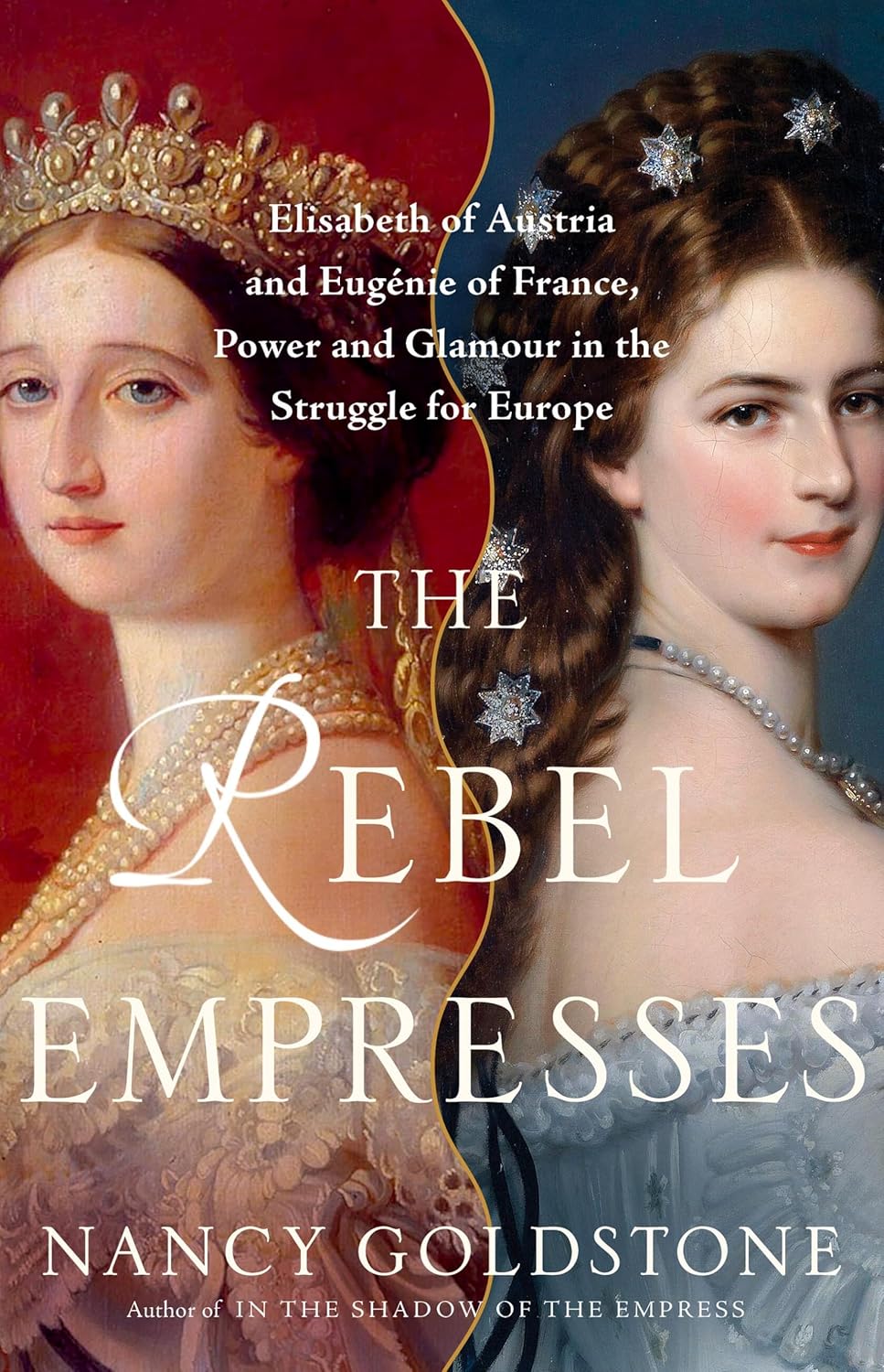
This dual biography follows the tumultuous personal and political lives of two 19th-century European empresses. In Austria, readers meet Elisabeth (“Sisi”), wife of emperor Franz Joseph, as she loses her children to her tyrannical mother-in-law. Meanwhile, over in France, headstrong Eugenie rules alongside her philandering, inexperienced husband, Napoleon III. Though their respective empires clashed on the battlefield, Sisi and Eugenie were strikingly similar, each incredibly progressive and embroiled in intrigue. Nancy Goldstone guides readers through their chaotic slice of history with sharp, knowing wit.
Though March may be Women’s History Month, we strongly encourage you to celebrate women’s history all year round. As Nancy Goldstone wrote for Time in 2018, “Women’s history is world history…we cannot hope to lay claim to the future if we don’t start owning the past.”
Looking for influential women writers? Click here.
Find great reads from women writers at our Bookshop.
