

















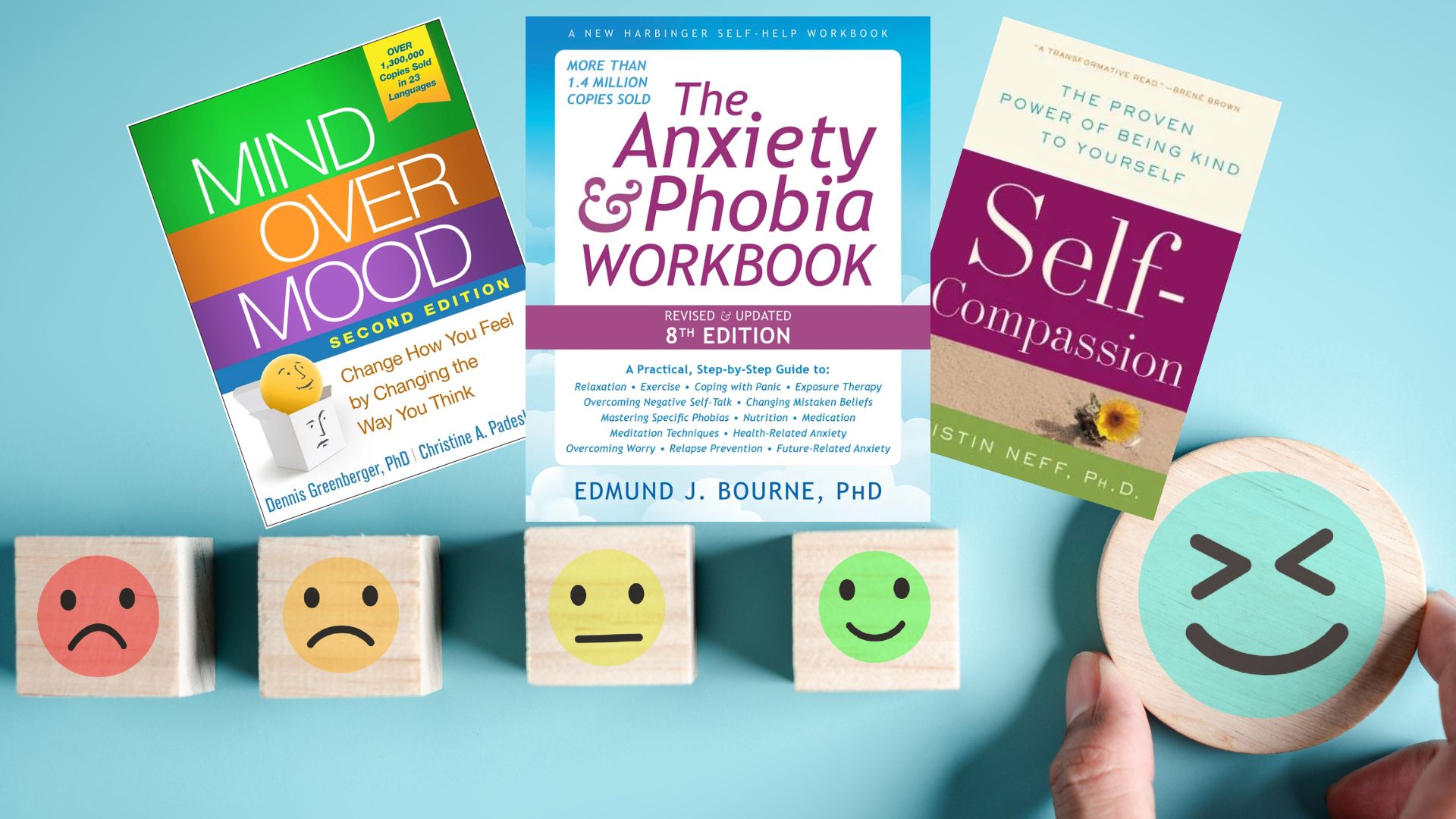
Not everyone has access to professional help when it comes to mental illness. In fact, 50 million people in the USA lack access to it for various reasons. Suicide, linked to mental health, was the eleventh leading cause of death in 2022. Mental illness is bigger than people think, and it is a darkness that plagues individuals in a way that seems impossible to get out of. It feels never-ending, suffocating, and lonely, because of the thoughts that rack through people’s brains.
If this applies to you, you are not alone. It may be hard to understand, and that’s okay, but everyone deserves some sort of resource and help. Workbooks are a great resource to help you get through negative thoughts, and these workbooks are all evidence-based, providing the most accurate help. Workbooks do not replace professional help, but they are a step in the right direction. From self-love, anxiety, depression, and additional workbooks, there is something here for everyone, as well as helplines at the end for people who need free, immediate support.
Trigger Warning: This article and the workbooks contain heavy topics such as suicide, depression, anxiety, and other mental illnesses. Please exercise self-care while reading.
Depression
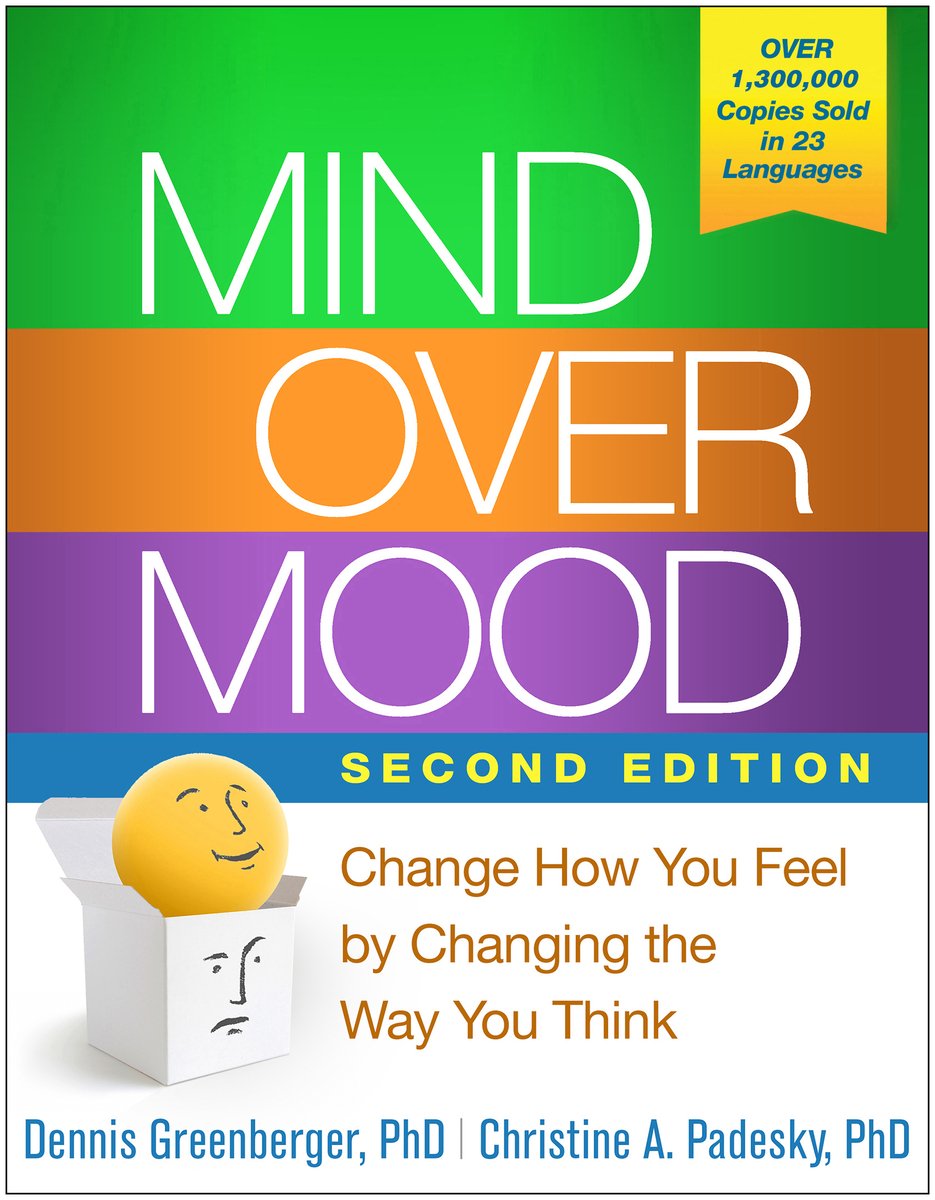
Mind Over Mood by Dennis Greenberger and Christine A. Padesky
Mind Over Mood, written by Dennis Greenberger and Christine A. Padesky, is backed by cognitive behavioral evidence and includes activities to help people work through their intense depression. Cognitive behavioral therapy is one of the most used and well-known therapies. With over 25 activities, journals, and evidence-based lessons, this workbook is designed to help people learn how to conquer and understand the impact of their moods on their lives.
The Depression Workbook by Mary Ellen Copeland
The Depression Workbook by Mary Ellen Copeland is another evidence-based workbook to help relieve depression. This workbook focuses on building a strong plan to help manage the symptoms. With activities to help with food, exercise, and mood charts, support systems, and plans to defeat the darkest moments, this is a strong workbook to help fight against depression. This workbook focuses heavily on taking your depression into your own hands.

Anxiety
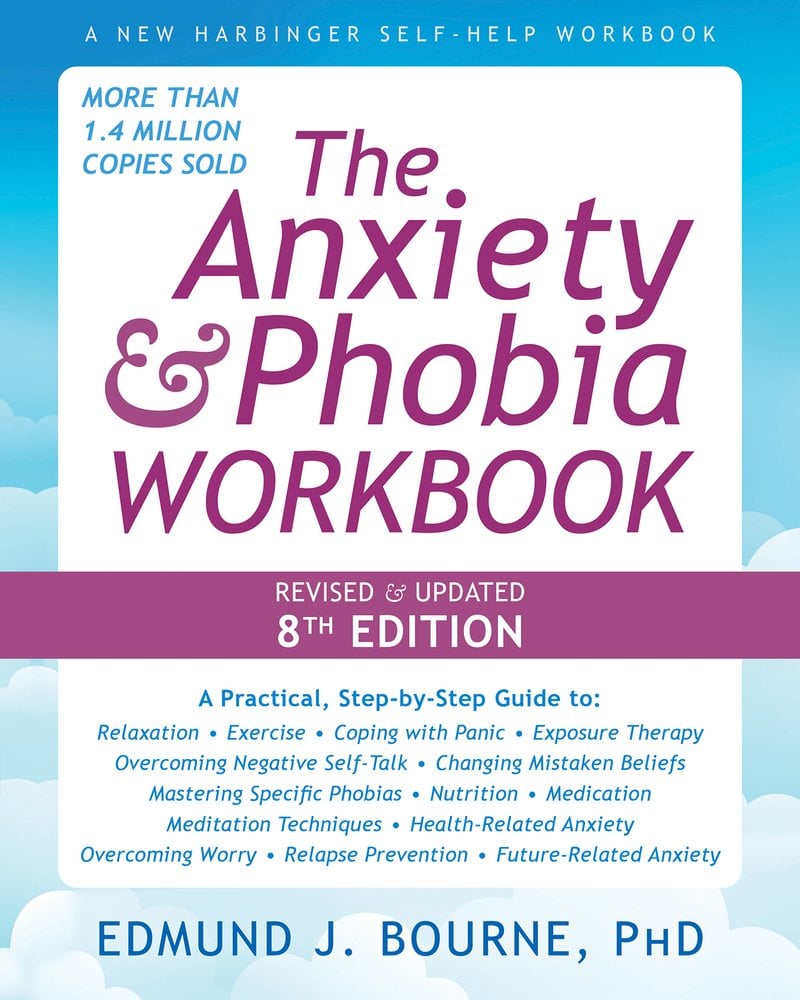
The Anxiety and Phobia Workbook by Edmund J. Bourne
Edmund J. Bourne is a leading expert in anxiety disorders and wrote this workbook, The Anxiety and Phobia Workbook. It touches on multiple anxiety disorders, such as generalized anxiety disorder (GAD), obsessive-compulsive disorder (OCD), post-traumatic stress disorder (PTSD), panic disorders, and phobias. It includes exercises on remaining calm during panic attacks and tackling the anxieties and fears that limit day-to-day life. Not only that, but it also provides exposure therapy activities, which are scary but proven to be extremely useful for phobias. It is a more intense workbook, and it is essential to take care of yourself when doing these activities.
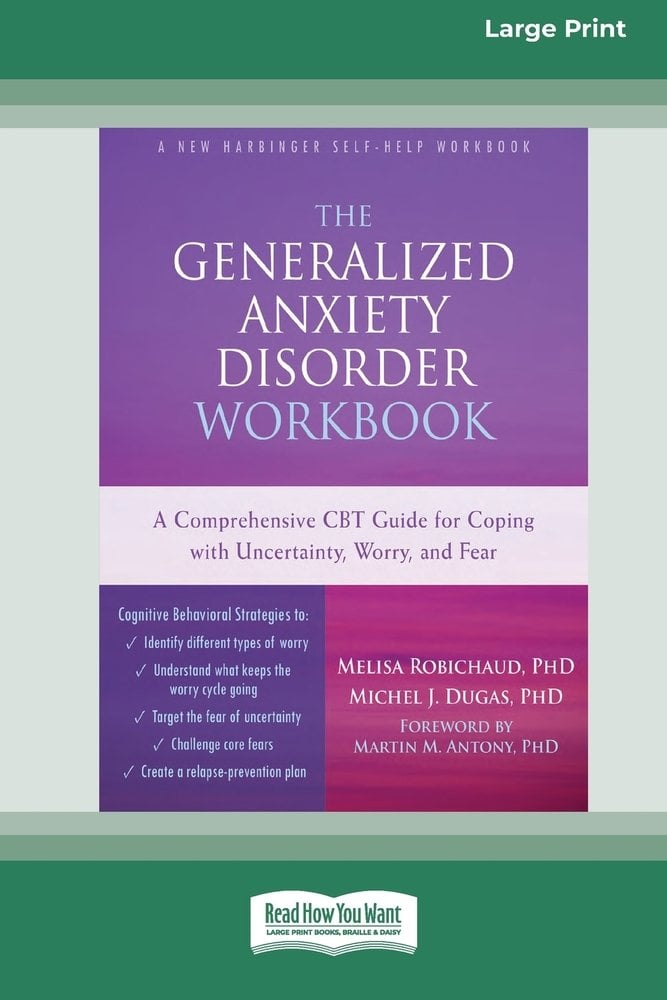
The Generalized Anxiety Disorder Workbook by Melisa Robichaud and Michel Dugas
The Generalized Anxiety Disorder Workbook by Melisa Robichaud and Michel Dugas is another workbook that is backed by cognitive behavioral therapy exercises and mainly focuses on generalized anxiety disorder. This book addresses specific aspects of the disorder, such as fears of uncertainty, and explores the reasoning behind these worries. It is another workbook that goes deep and can be impactful, so remember to take breaks when needed.
Self-Love
The Self-Compassion Workbook by Kristin Neff
Kristin Neff is an author who has taught courses on self-compassion, and her workbook, The Self-Compassion Workbook, surrounds her lesson plans. There are step-by-step activities and lessons to help break through society’s expectations, judgements, and hatred that people may hold for themselves. It shows that everyone has it in them, but Neff brings it out more and forces people to let go of the thoughts that hold them back.

The Radical Self-Love Workbook by Gala Darling
This one is more radical than the others, as labeled in the title. Gala Darling is a showgirl who has had her fair share of self-doubt and has experienced many societal expectations due to her profession. This workbook, The Radical Self-Love Workbook, serves as a guide for her own self-improvement and may be more suitable for individuals seeking less science-based resources. It includes affirmation activities, self-love prompts, and explores what it means to love yourself, as well as how to apply this concept to life. It is based on experiences and is here to help in a radical way.

Additional Workbooks
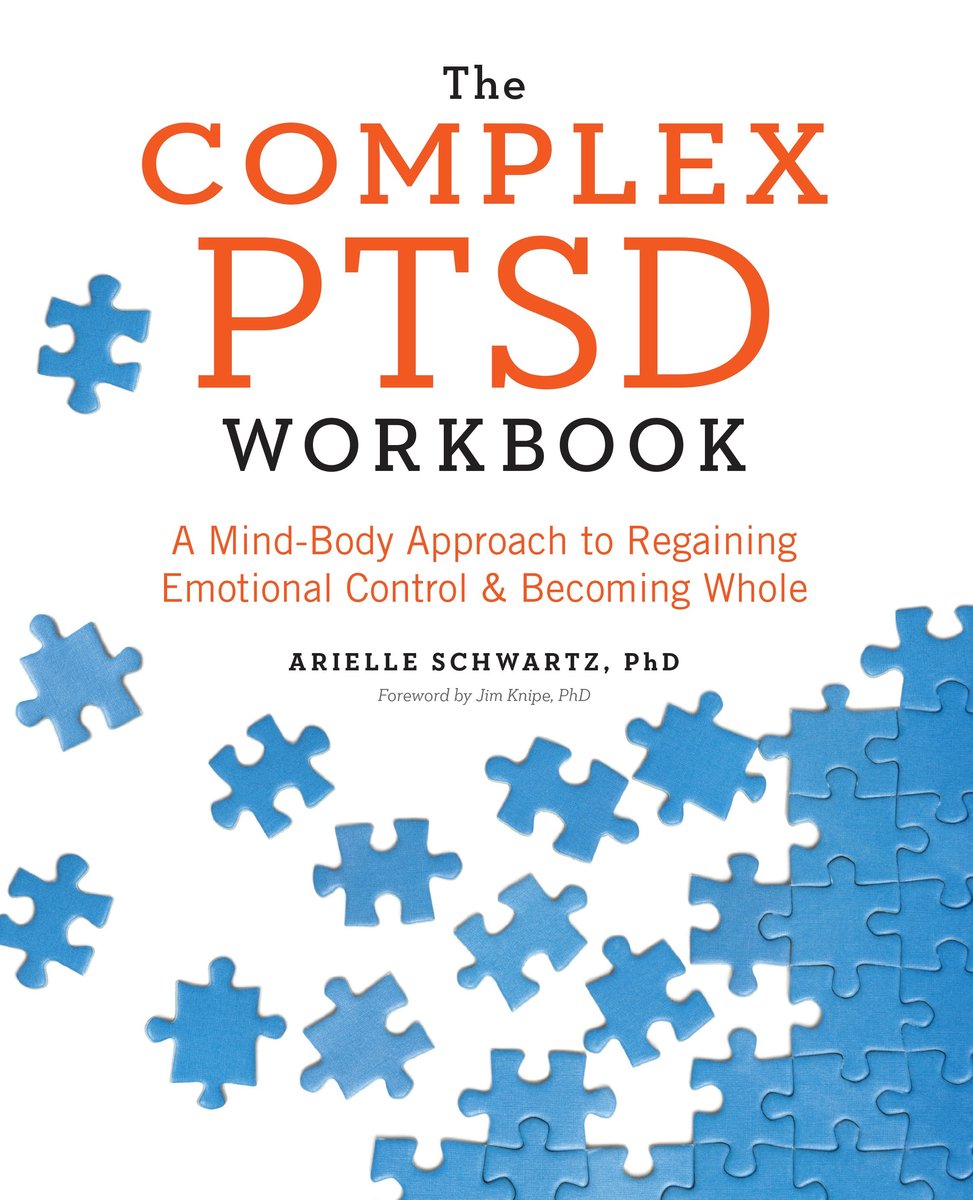
The Complex PTSD Workbook by Arielle Schwartz
The Complex PTSD Workbook by Arielle Schwartz is extremely heavy. It is backed by PTSD therapy and forces you to delve into the trauma that may be causing this, as well as ways to overcome it. It is important not to overwork yourself and burn yourself out, as delving into trauma can be re-traumatizing. There are prompts and reflections, as well as examples and activities on relieving symptoms and making life seem more livable.
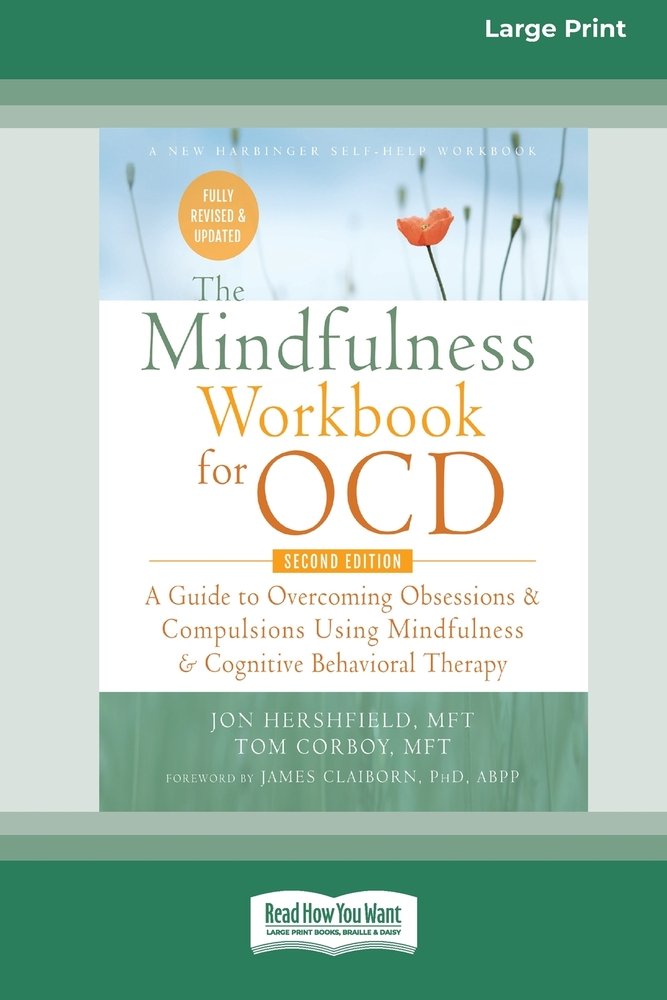
The Mindfulness Workbook for OCD by Jon Hershfield and Tom Corboy
The Mindfulness Workbook for OCD by Jon Hershfield and Tom Corboy is also backed by cognitive behavioral therapy, making it highly reliable when dealing with OCD. OCD is a powerful disorder and takes over every bit of one’s life. This workbook includes activities that help manage unwanted thoughts and the anxiety that accompanies them, as well as encourage you to distinguish between fears and facts. Not only does it help with management, but it also helps you challenge these thoughts and feelings so they don’t take over your life.
These workbooks are excellent and affordable resources to help people who can’t get resources independently or want extra resources. It is important to note, again, that it does not replace professional help, and will not “cure” you of your mental illness. These are here for management, support, and ways to make life easier and more bearable. There is always help if you need it.
Helplines and Resources
Helplines and resources are as crucial as workbooks and can offer more specific and professional help. If you or a friend has a mental illness, these helplines are perfect places to start.
- Suicide Helpline: 988
- The Trevor Project: LGBTQ+ youth suffering from mental health issues. Call: 1-800-488-7386
- Teen Line: Call 310-855-4673
- National Alliance on Mental Illness Helpline: Call 1-800-950-6264
To learn more about reclaiming your mental health, click here!
Click here to see the team’s recommendations on books for mental health.
