


















Fantasy is one of the most versatile genres out there. It can serve as an escape from the real world, where dragons are the only danger and politics don’t extend beyond the fairy court. But it can also serve as a magic mirror, reflecting key parts of ourselves and our society back at us in new lights. And sometimes, fantasy works best when we can really immerse ourselves in the worlds, when we see characters just like us and can put ourselves in their shoes.
If you’ve ever struggled with serious mental health issues, each of the selected books below features main characters that have, too — especially with types of disorders that aren’t often get explored in fantasy. These authors don’t shy away from the darker sides of these issues, but neither do they treat their characters’ situations as hopeless. If you’re looking for some realistic mental health representation, check out these books.
Trigger Warning: Discussions of severe mental health issues, suicidal ideation, attempted suicide, disordered eating, self-harm, dissociation, and panic attacks may be triggering for some readers. Please exercise personal care when reading.
A Song of Wraiths and Ruin by Roseanne A. Brown
An orphaned refugee and a crown princess, each tasked with killing the other, meet during the Solstasia festival in the desert city of Ziran. Unfortunately, when Malik and Karina meet, sparks fly between them, and soon, neither can imagine living without the other. Roseanne Brown has gorgeously crafted a complex world of spirits and magic based on West African folklore, and she brings these influences into every detail, from the food to the various tribes and cultures she depicts.
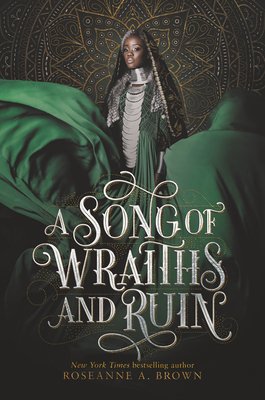
Both Malik and Karina have been dealt rough hands in life, and they both suffer the mental and emotional consequences that result from their respective traumas. Malik also grapples with debilitating anxiety and panic attacks throughout, but his character arc allows him to grow with and around his anxiety rather than stagnating or leaving it behind, as can happen in some stories. Readers will find themselves cheering along with Malik with each hard-won step on his journey.
The Light Between Worlds by Laura E. Weymouth
The Light Between Worlds is Laura Weymouth’s answer to C.S. Lewis’s Chronicles of Narnia — specifically, she tackles the question, how would the journeys between worlds affect the children’s mental health? The story begins five years after siblings Evelyn, Philippa, and Jamie return to WWII-era London from a fantastical realm called the Woodlands. While Jamie and Philippa are content to leave their magical adventures behind, Evelyn finds fitting in with her old life much more difficult. The Woodlands were the one place she felt at home, and she’d do anything to go back.
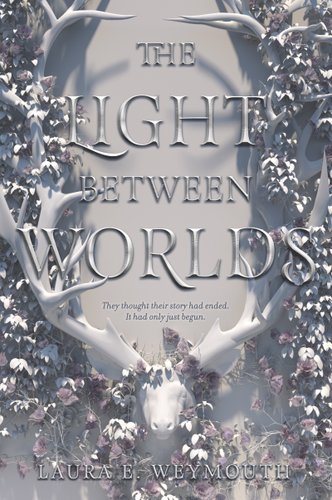
This book zooms in on some of the darker effects of PTSD and depression. The story is split between Evelyn and Philippa’s perspectives, and as a result, both of their mental and emotional states are represented in thorough detail. However, Weymouth is respectful in her approach and beautiful in her prose.
Borderline by Mishell Baker
Millie Roper is adjusting to life with no job, no prospects, and no legs after a failed suicide attempt has left her hospitalized. Things are looking up, though: she has two new prosthetic legs, an arsenal of new coping mechanisms for her borderline personality disorder, and it’s not long before she finds a new job with a secret organization as an investigator, managing the borders between the magical and non-magical worlds. In this first book of the Arcadia Project series, Millie is thrown into a world of urban fantasy and soon finds herself tangled in a web of fey conspiracies beyond what she ever could have imagined.

The whole story takes place after Millie survived her suicide attempt and shows what it can be like to recover and keep living. Millie’s borderline personality disorder is also integral to her character, and rather than portraying it as a terrible burden or secret superpower, Mishell Baker reveals the very real highs and lows of everyday life with BPD. Beyond that, the representation of neuro and physical diversity in Millie’s roommates and coworkers is remarkable.
Elder Race by Adrian Tchaikovsky
Lynesse, the Fourth Daughter of the Queen, is young and idealistic, but when she hears of a demon terrorizing her people, she is determined to help in whatever way she can. She seeks the assistance of Elder Nyr, a mysterious sorcerer who’s stayed locked away in his tower for as long as anyone can remember. Meanwhile, Nyr, an anthropologist on a planet far from home, has observed the native population for centuries — alternating between cold sleep and waking — as he’s waited for contact from his team. But when a local girl approaches him for help with what he’s certain cannot be a demon, he must choose between his noninterference directive and the desire to save the people he’s spent so long watching.

The mental and emotional effects of Nyr’s near-total isolation plague him throughout the story. His ability to function day-to-day relies on a device, which causes him to dissociate in order to protect himself from succumbing to despair. The narrative explores the effects of Nyr’s depression and dissociation and asks the question, is it better to inure oneself to the world or expose oneself to the full, debilitating spectrum of emotions?
It’s important to represent people and their mental health disorders as they really are, even — and especially — in genres like fantasy. Just remember, even in the darkest of times, there is still magic in the world and maybe even in you.
To read more about mental health representation in literature, click here.
Find more fantasy recommendations in our Fantasy Shelf on Bookshop!
