


















The Jane Austen love confession is truly iconic. The characters, who have spent the entire novel orbiting around each other, crossed in love and emotionally tortured, finally have a chance to admit their true feelings. Usually, there’s a marriage proposal or two thrown in there for good measure. Sparks fly! Long walks are had! (This is Austen, after all. Nobody gets that crazy.)
From awkward to iconic, and from frustratingly opaque to perfectly succinct, here are all six of Jane Austen’s novels, ranked by their love confessions, or lack thereof. If you’re looking for the quote that will make your heart skip a beat, this list is for you. Or, if you’d prefer a more practical love story, why not start with the strangest of Austen’s books? Read on to find out!
6. Mr. Tilney and Catherine Morland, Northanger Abbey
Northanger Abbey is a bit of a black sheep in the context of Austen’s novels; the heroine, Catherine, is described as a little bit of a silly goose, if you’ll pardon the continued barnyard metaphors. She has an overactive imagination, a penchant for Gothic novels, and a tendency to utterly lose her head at the smallest provocation.
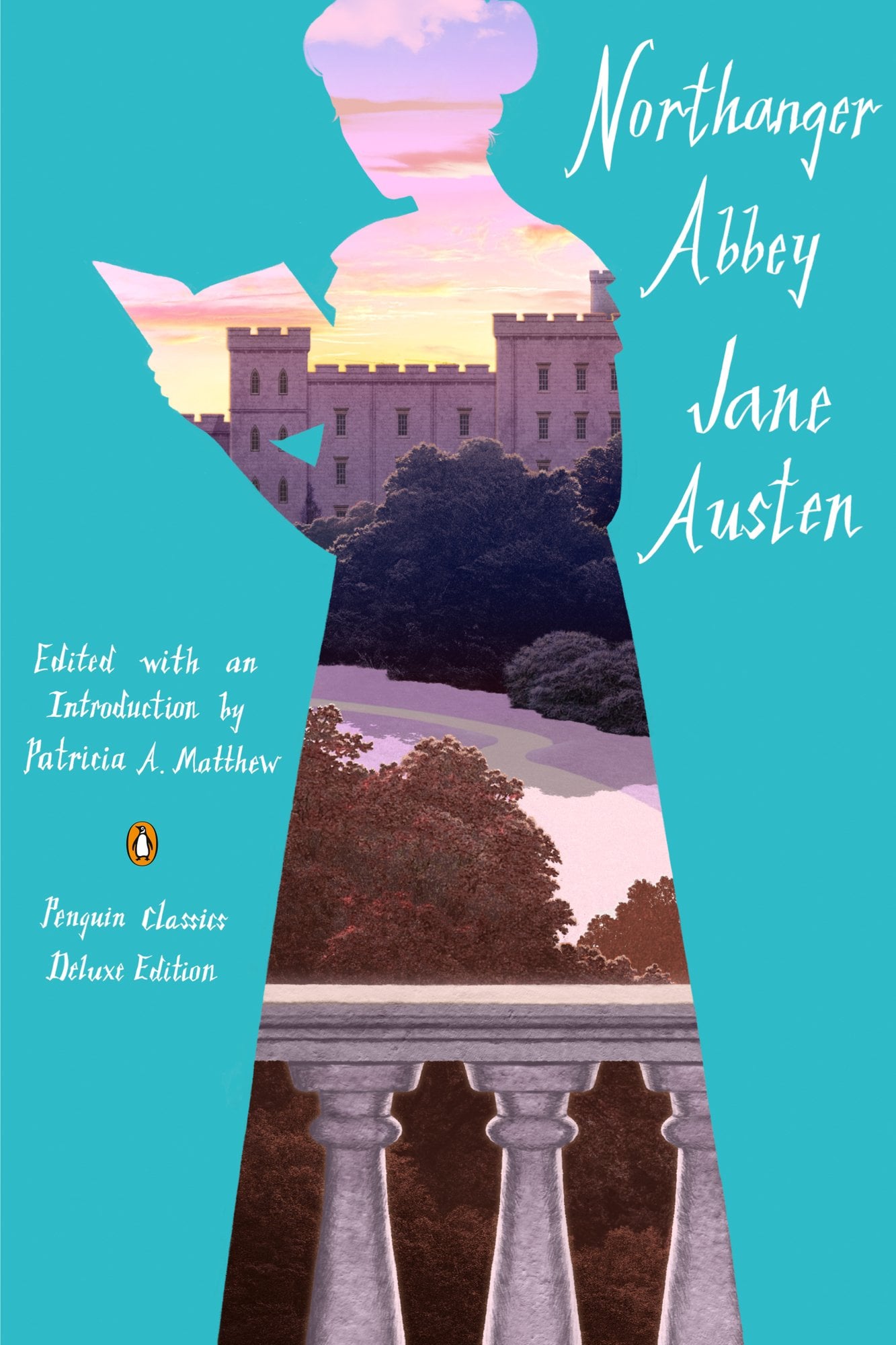
To make matters even more odd, Mr. Tilney’s love confession is virtually nonexistent — when he proposes marriage, Catherine is rapturously happy as she’s been in love with him for the entire book. Although Mr. Tilney admittedly “delighted in all the excellencies of her character and truly loved her society,” this feeling originates, Austen tells us regrettably, only in “gratitude” for how much she likes him! Although love sometimes grows in the strangest of places, the pinnacle of this book’s romance is admittedly a little lackluster.
5. Fanny Price and Edmund Fitzgerald, Mansfield Park
Mansfield Park is the favorite of Austen fans who want a deep cut. Fanny, unlike a typical Austen heroine, is a prim and proper rule follower. That is, until it comes to kissing cousins. Fanny and Edmund already have an oddly practical and vague love confession, and they lose points for being just a little bit too related. Oops!
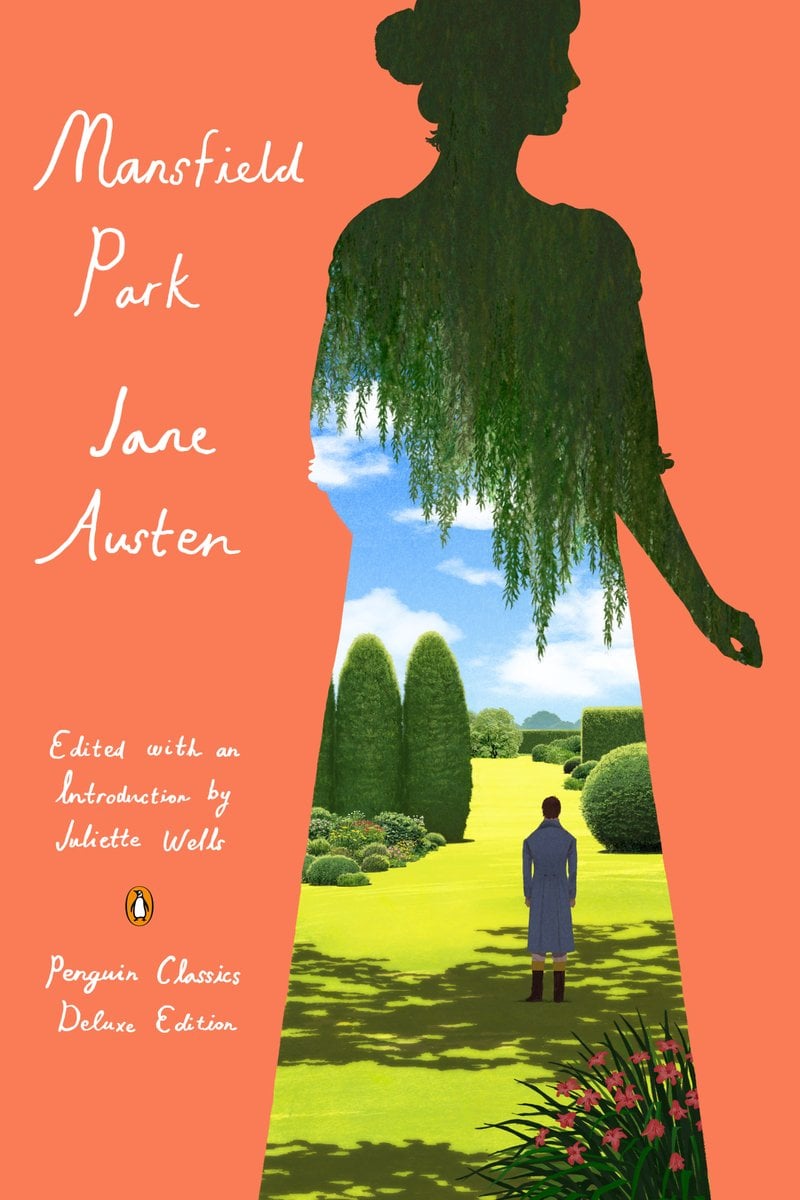
But, they are saved from last place by a genuinely touching (if brief) description of Edmund falling in love:
“An object to him of such close and peculiar interest, dearer by all his own importance with her than any one else at Mansfield, what was there now to add, but that he should learn to prefer soft light eyes to sparkling dark ones.”
Jane Austen, Mansfield Park
So, Edmund does indeed fall for Fanny’s “soft light eyes.” We’re getting somewhere!
4. Elinor Dashwood and Mr. Ferrars, Sense and Sensibility
Next up, Pride and Prejudice’s older, more tragically realistic relation; this story is the other Austen novel about sisters who are unlucky in love. Elinor and Mr. Ferrars hit it off right at the beginning of the novel, slowly falling in love until circumstances bring the whole thing to an abrupt halt.
Elinor spends most of the rest of the book pining away, until a last-minute upheaval changes everything, and her Mr. Ferrars is able to propose at last. Do we get the actual proposal? Of course not. Instead, we only hear about how Mr. Ferrars feels: apparently, his old engagement was “misery,” and with Elinor, of course, he only feels “happiness.” Elinor, for her own part, is “overcome by her own felicity.” Simple, clear, and to the point. Good enough!
3. Elizabeth Bennet and Mr. Darcy, Pride and Prejudice
And now, we come to the heavy hitters. “Pride and Prejudice? Already?” I can hear you say. “Surely this one must be higher up!” Reader, just wait. The next ones are better, but you’re right: “your family owe me nothing. Much as I respect them, I believe I thought only of you” is a certified banger, as is “My affections and wishes are unchanged; but one word from you will silence me on this subject for ever.” We love a man who respects boundaries!
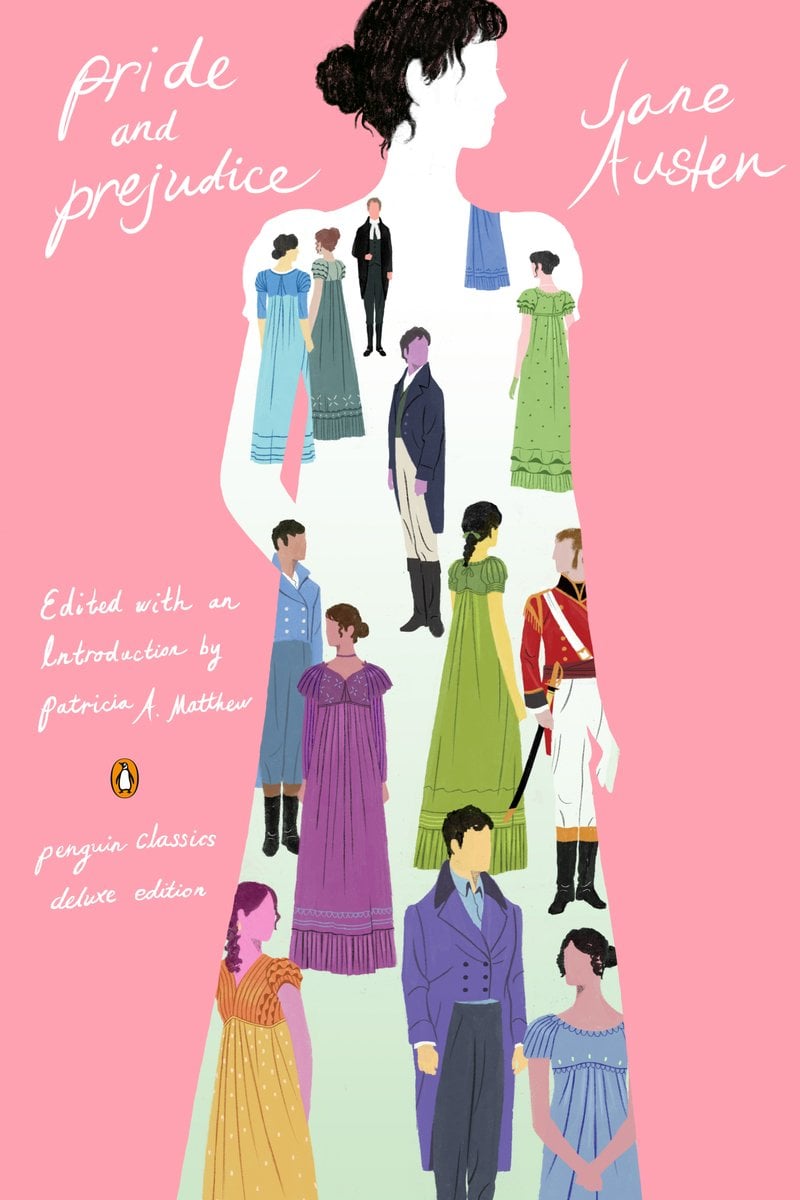
Like so many other confessions before it on this list, this demonstrates Austen’s sometimes frustrating preference for leaving many things unsaid. Darcy’s proposal is unknown; even his exact words about loving Lizzie are vague. But, he did confess his love twice, (“You must allow me to tell you how ardently I admire and love you.” Respectful king!) so that gets him extra bonus points and bumps this classic to the top half of the list.
2. Captain Wentworth and Anne Elliot, Persuasion
Okay, cards on the table. The only reason this isn’t in the number one spot is because it’s a letter. If Captain Wentworth had said everything in this letter to Anne in person, first of all, everyone in the vicinity would have swooned, and second, this would have won. I’ll let the letter itself do the talking:
“You pierce my soul. I am half agony, half hope. Tell me not that I am too late, that such precious feelings are gone for ever. I offer myself to you again with a heart even more your own than when you almost broke it, eight years and a half ago. Dare not say that man forgets sooner than woman, that his love has an earlier death. I have loved none but you.”
Jane Austen, Persuasion
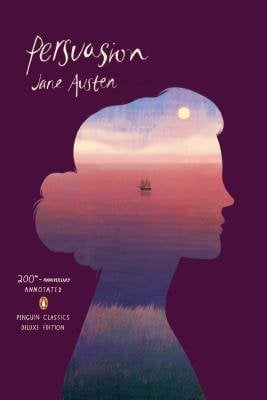
Persuasion is the second chance romance of all second chance romances, and this confession is honestly a lot of the reason why. Run, don’t walk. Although Anne and Wentworth do a lot of walking, so maybe a brisk stroll?
1. Emma Woodhouse and Mr. Knightley, Emma
This confession wins the top spot, among all of the Austen couples, because of how much it sounds like it could happen today. Instead of a refined and sensible letter, or perhaps a long walk with a proposal, Mr. Knightley just kind of loses it — he’s awkward, he repeats himself, and he confesses that frankly, he is really bad at confessing his love:
“My dearest Emma,” said he, “for dearest you will always be, whatever the event of this hour’s conversation, my dearest, most beloved Emma — tell me at once… I cannot make speeches, Emma. If I loved you less, I might be able to talk about it more. But you know what I am. — You hear nothing but truth from me.”
Jane Austen, Emma
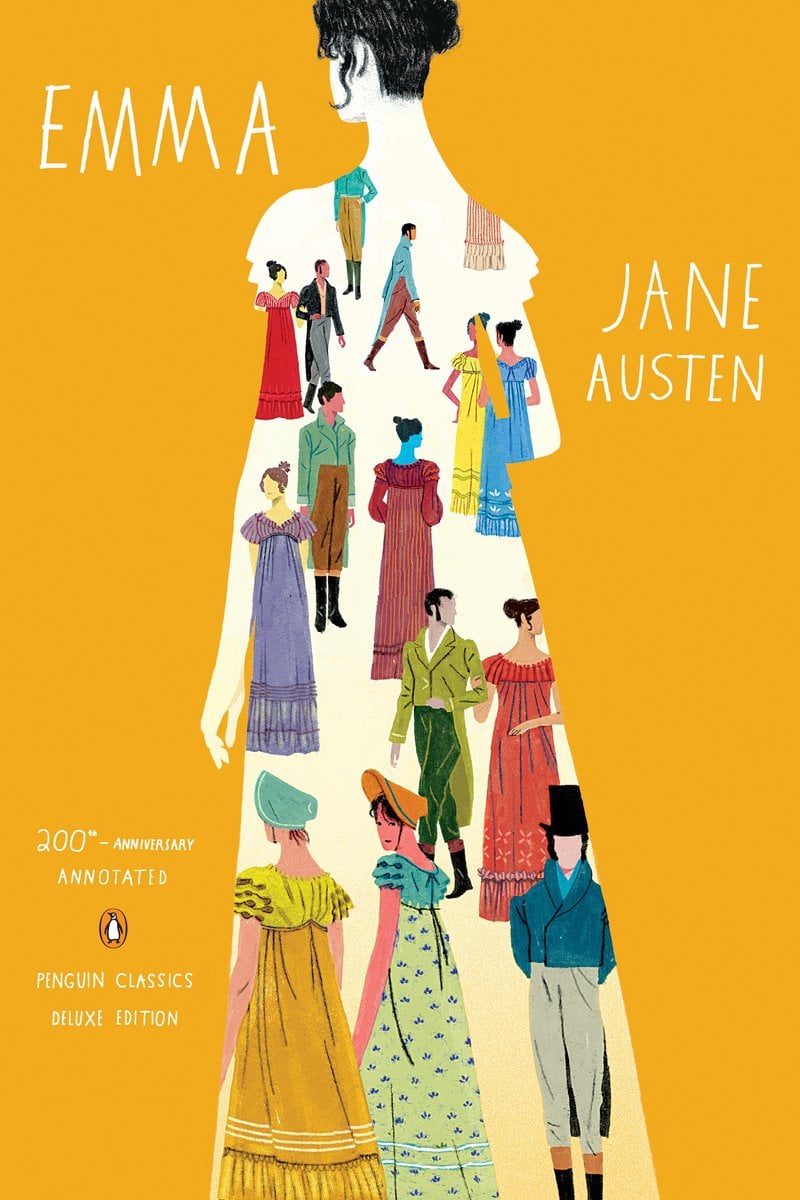
After all, isn’t the most profound expression of love a confession of your own faults, and a promise to always treat your partner with respect, trust, and truth? For Mr. Knightley and Emma Woodhouse, it works out just fine.
Jane Austen wrote novels that often had more than a little bit of romance, but the real treasure of exploring her works is that no two couples are the same. From the bookish Elizabeth to the dramatic Catherine, no two heroines are exactly alike, and so no two proposals, or confessions, or letters, are carbon copies, which makes each of them exciting in their own way.
It’s a mark of Austen’s genius and her ability to write well-rounded, flawed, convincing characters that every person has their own personal favorite of her books. So get reading, form your own opinions, make an Austen list of your own!
Want to read more about the classics? Click here.
Click here for more classic books we recommend on our bookshop list!
