













Trigger Warning: The mention of genocide may be triggering for some readers. Please exercise personal care when reading.
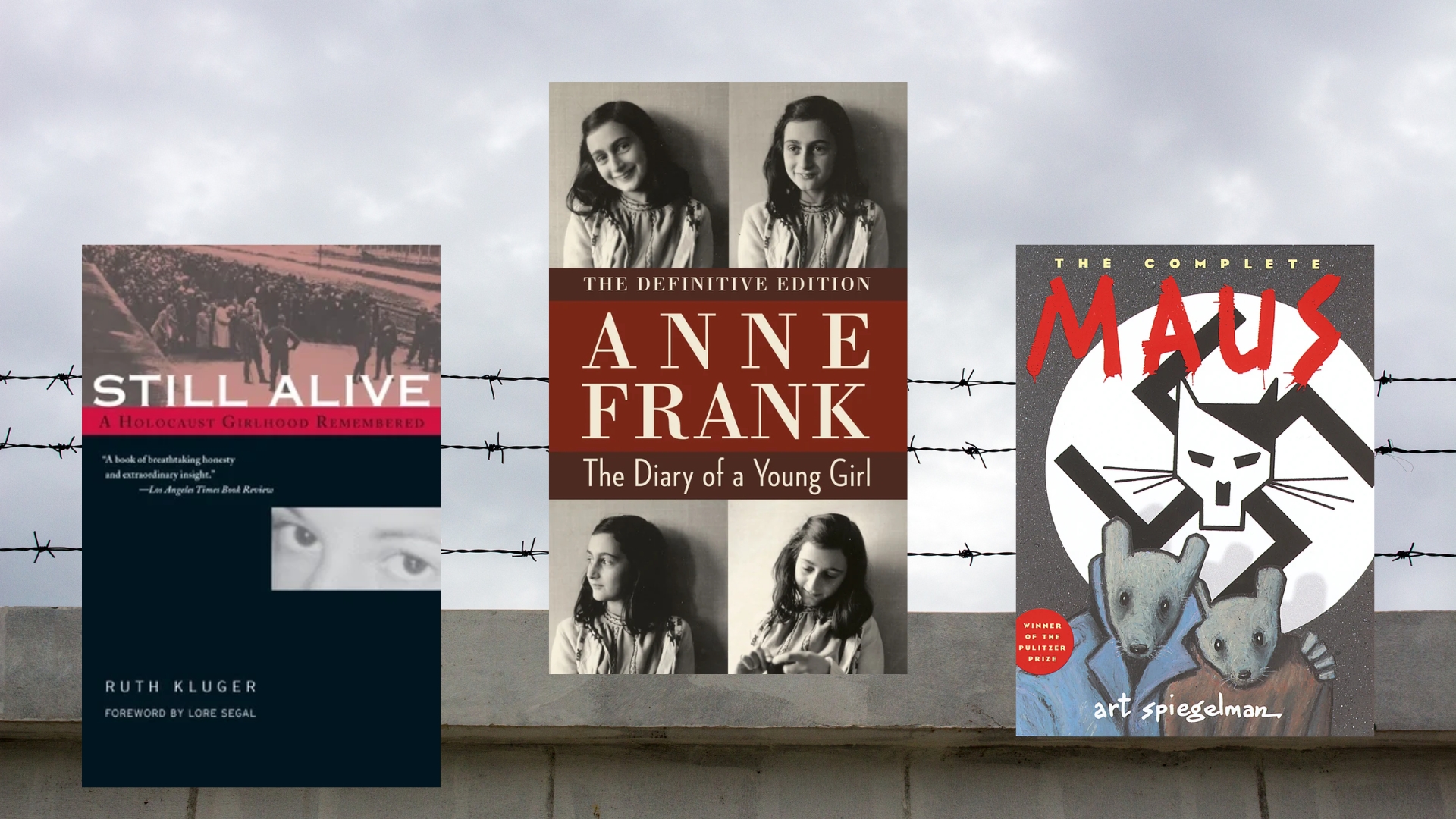
With the topic of fascism dividing people, all of us need to remember what comes with fascism and how it affects societies. The rise of Hitler brought a lot of destruction, not only to the Jewish community, but to any community that did not follow his political agenda, even his citizens. To remind us of the genocide that is brought when fascism reaches its peak, let’s take a look at six Jewish authors and their books that reveal the dangers of fascism.
Anne Frank: The Diary of a Young Girl by Anne Frank
In 1942 when the Nazis occupied Holland, thirteen-year-old Anne Frank and her family went into hiding. Living in the upstairs room of an old office building, Miep Gies, Otto Frank’s employee and friend, kept them hidden for over two years. Anne kept a diary of her experience at that time, and when her father came home from the concentration camp at the war’s end, he published her work in her honor.
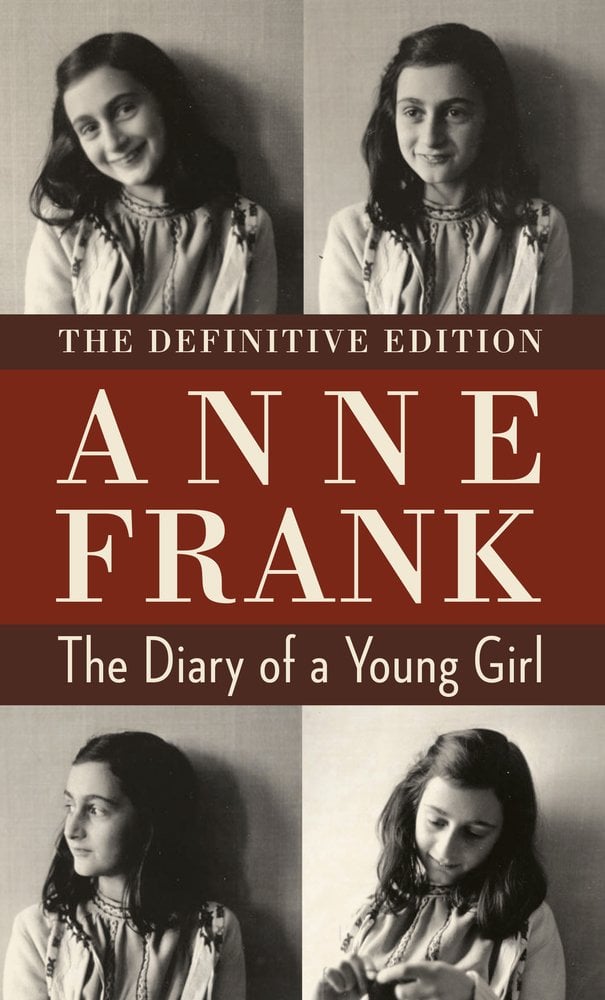
Anne Frank’s diary tells her story of growing up as a young Jewish girl amid the Holocaust. Her life consisted of friends, teenage love, and the average teenage hormones before going into a quiet, isolated living with her family, where they faced hunger, boredom, and the constant threat of being discovered. Anne’s pages recount all these parts of her life before and during their hiding until they were caught in 1944. She died in the Bergen-Belsen concentration camp after catching typhus months before the war ended, along with her sister Margot. Her mother also died in the camps, leaving her father as the only survivor of their family.
Survival in Auschwitz by Primo Levi
In 1943, twenty-five-year-old chemist Primo Levi was arrested and deported for being an Italian citizen of Jewish descent. He spent ten months in a German concentration camp, but through endurance and determination, his survival story has become a crucial harrowing account of the combat against fascism and genocide.
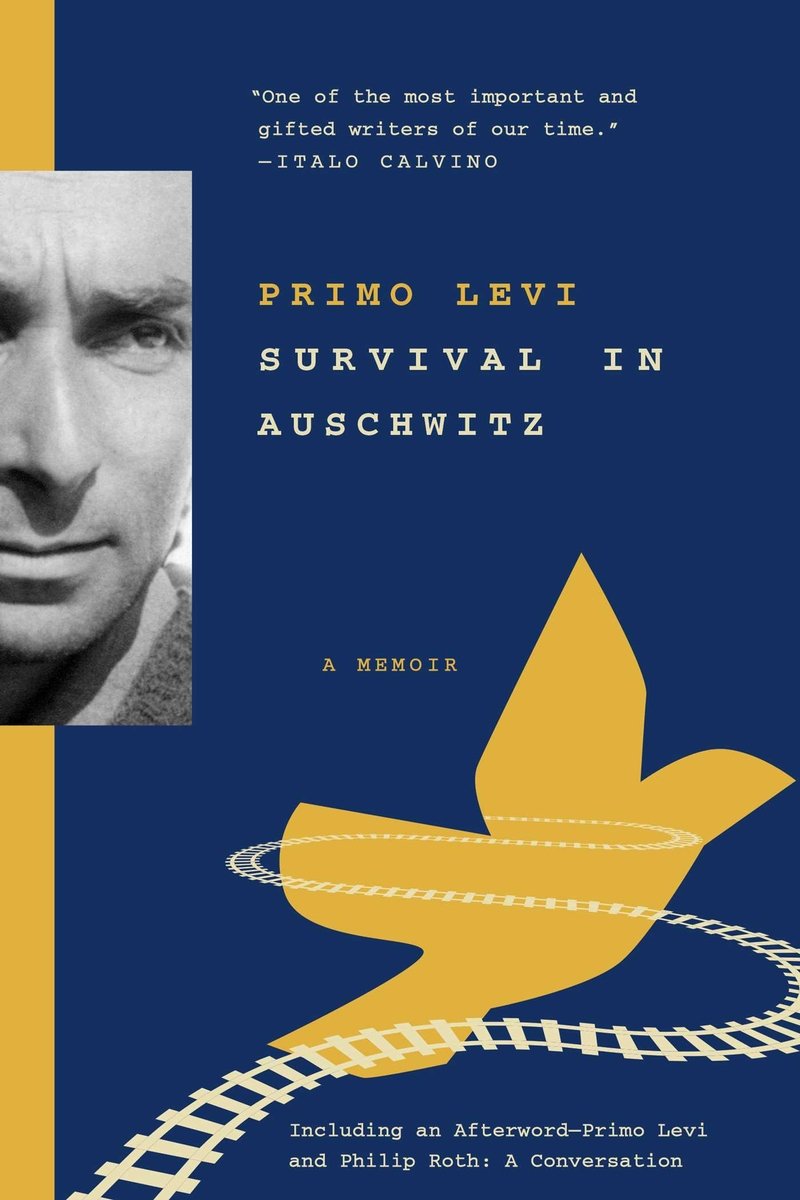
A testament to the human spirit, Levi’s story recounts the months he spent in the Auschwitz concentration camp after he was arrested by Italian fascists and deported from his native city of Turin. His story remarks on themes of restraint, compassion, and wit as he pushes through systemic cruelty in his fight for survival. His life has led to the creation of several books and his continued exploration into science and religion. Levi died by suicide in 1987 in his home city, Turin, Italy.
Still Alive: A Holocaust Girlhood Remembered by Ruth Klüger
In the events of Nazi-ear Europe, eleven-year-old Ruth Klüger saw her family’s life destroyed in Vienna. By age eleven, she was deported to her first concentration camp in a series that would become the setting for her childhood. Her honest memoir tells an unsentimental story of the oppressors and the oppressed.
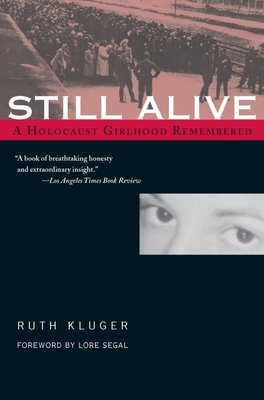
With childhood observations and insights during adulthood, Klüger reflects on both personal and political history to describe the abuse she went through with her family and camp soldiers, along with the generosity she saw from the woman SS aide in Auschwitz. She highlights women’s roles in the Holocaust in an honest light and a new perspective for readers to observe. Klüger intentionally rejects the easy assumptions we have about the Holocaust and delves into all the aspects of humanity, including the ones we wish to ignore.
Man’s Search for Meaning by Viktor E. Frankl
Known to be a significant contribution to psychological thought, Frankl examines his personal experience in the Nazi concentration camps along with the ability of humans to overcome adversity. His novels have been translated into more than fifty languages to reach a broad world audience in an attempt to warn all readers against fascism, no matter what country they reside in.
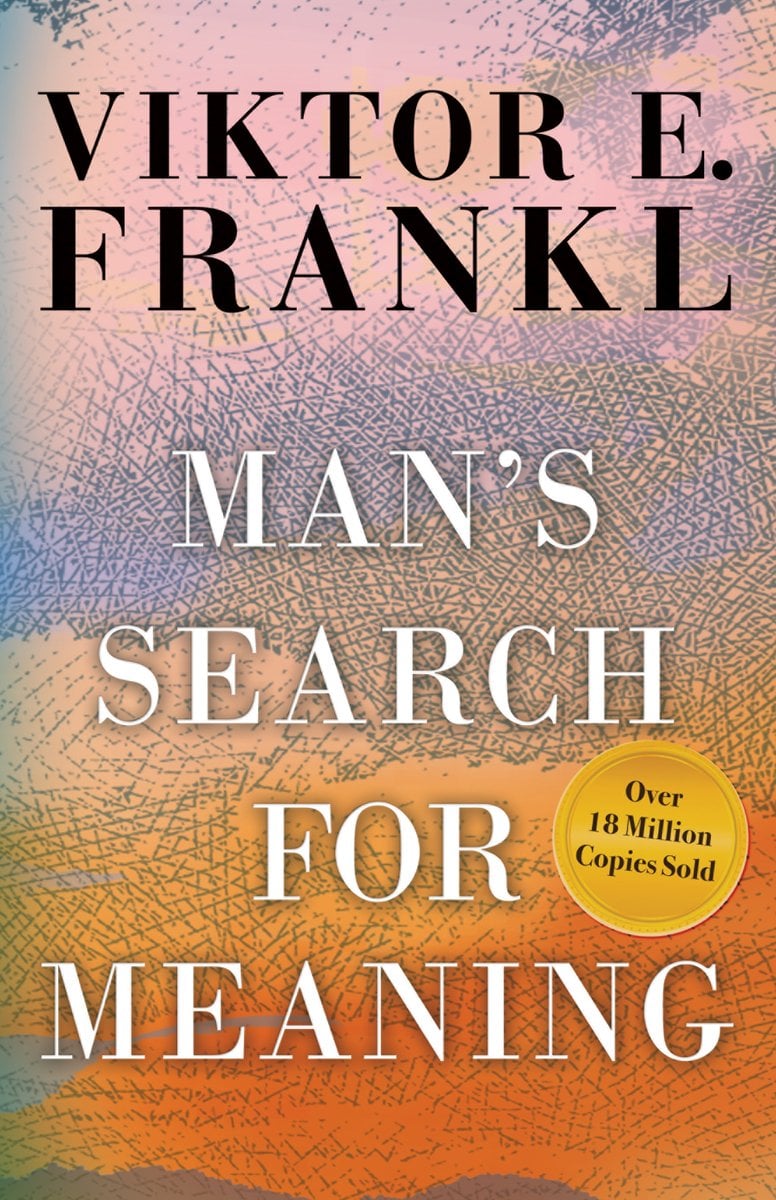
Frankl takes this story beyond the camps and truly examines the human conditions that lead to such a horrific event and people’s ability to overcome such adversaries. He explores the pursuit of meaning in people while also questioning the qualities humans produce to overcome challenges for survival. His account is personal, yet factual in its ability to read humans and their nature to understand how people think in times of survival and control. His writing is influential in its language and challenges readers to expand their minds to find new perspectives on humans and the effects of the Holocaust.
Night by Elie Wiesel
This novel was translated from French by Elie’s wife, Marion Wiesel, to resonate with the author’s original intent and present a poignant memoir in language. Night recounts Elie’s experience in his survival of the Nazi concentration camps back when he was a teenager. Wiesel is a Holocaust survivor and Nobel laureate due to his activist writing.
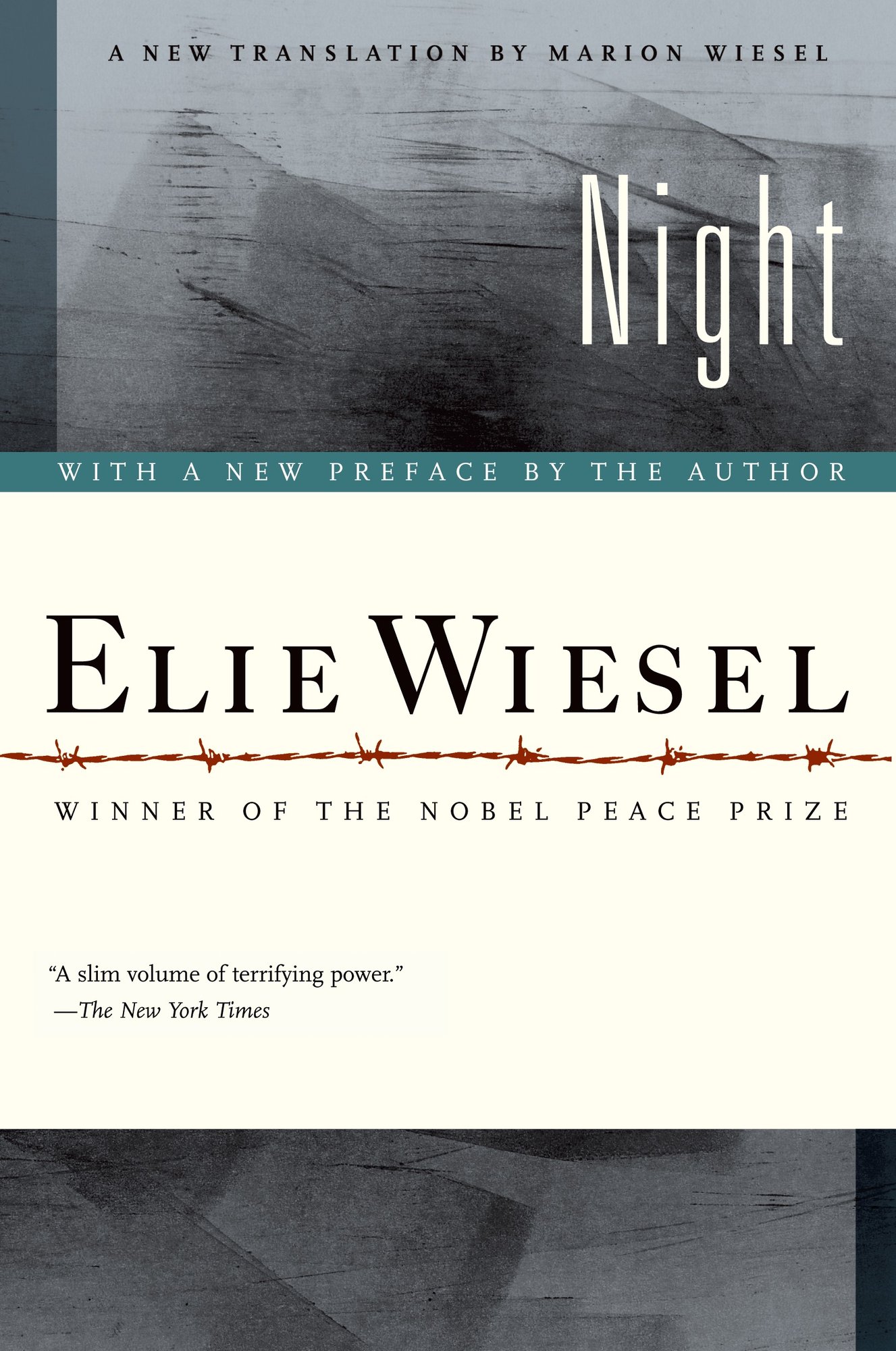
Elie delved into the philosophical implications of the Holocaust while incorporating personal questions on what the Holocaust meant and what its legacy will be as history progresses. He offers more than the terrors and sadism that occurred at Auschwitz and Buchenwald concentration camps to further his exploration into why this all happened. Elie’s passionate writing ensures that the world will never forget the inhumanity people are capable of inflicting on others. He died peacefully in his home at 87 in 2016, but his work lives on as a reminder of his strength and the strength of others during horrific times.
Maus: A Survivor’s Tale by Art Spiegelman
This Pulitzer Prize-winning graphic novel goes into Spiegelman’s complicated relationship with his father, Vladek Spiegelman. This retelling transports readers into his father’s experience during World War II and his place in the world afterwards.

Maus is a haunting tale of a retelling of one of history’s most unspeakable tragedies where Jews are wide-eyed mice and Nazis play menacing cats. This novel follows his life from Poland and into concentration camps, ending with the struggles he faced after the war. This metaphor into the Nazi’s hierarchical perspective explores the psychological trauma and survival tactics people went through in their attempts to survive the war. Spiegelman’s relationship with his father ties into the book as we see his father portrayed in a complex light, along with other characters, to resemble the human experience during war. His father died in 1982 at the age of 75 due to a heart attack.
Knowing the signs and consequences of fascism will help us understand when it’s happening and how to stop it. When people in positions of power begin to monopolize the law, oppressing specific groups of people, and controlling free speech, we must remember what it entails for all citizens. Hopefully, these books can remind readers of our past and utilize it moving forward as we see fascism rising in our country.
For more book recommendations by Jewish authors click here.
Looking for more Jewish voices in literature? Check out our Shalom Stories: Diverse Jewish Voices in Literature bookshelf on Bookshop.org.