




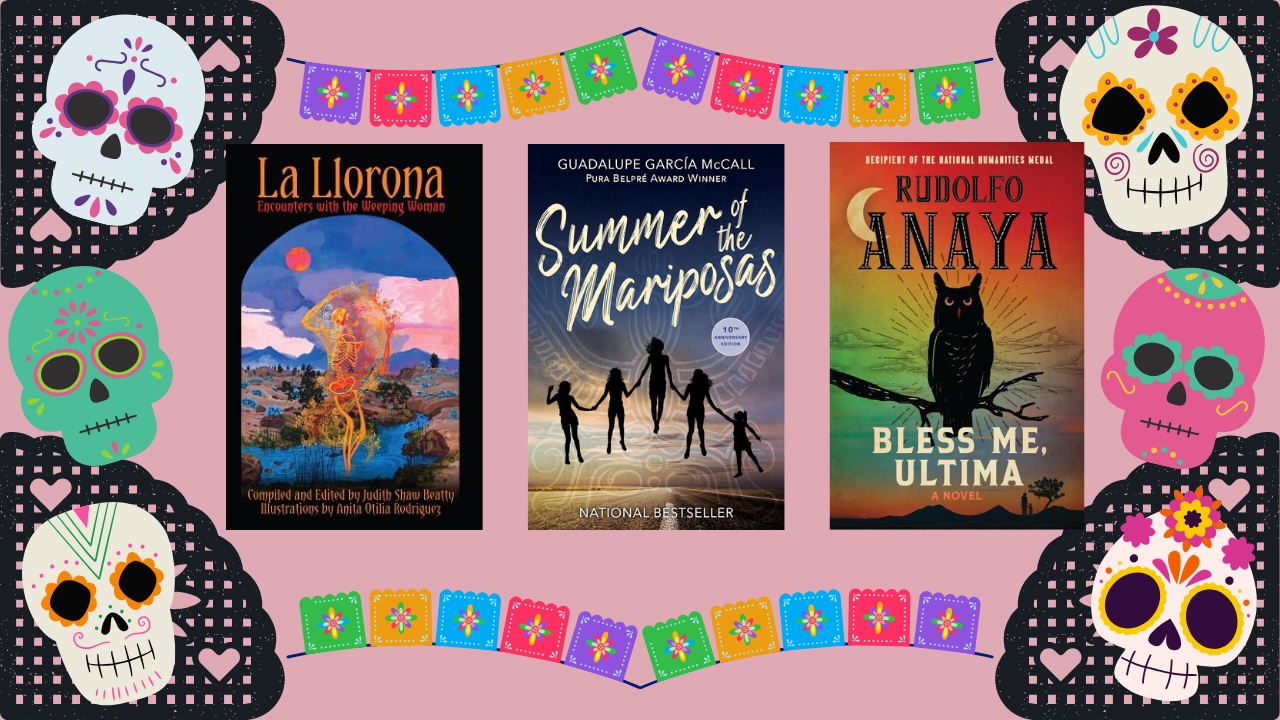
Hispanic urban myths are deeply ingrained in the horror genre, and if you’re a horror junkie like me, then you’ve likely encountered the chilling tale of La Llorona. Known as “The Weeping Woman,” her story tells of a mother who, consumed by grief after her husband’s infidelity, drowned her children. Doomed to roam near bodies of water, she weeps for them, bringing misfortune or death to whoever hears her cries. With such a haunting premise, it’s no wonder La Llorona’s influence echoes across books, films, and folklore-inspired media. In this article, I’ll be spotlighting five novels that draw from her legend, whether to terrify, inform, or both.
La Llorona: Encounters with the Weeping Woman by Judith Beatty
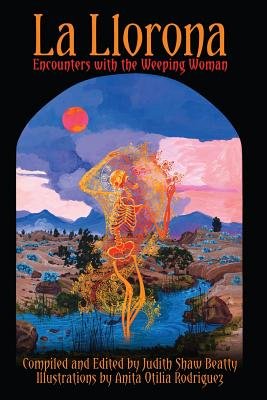
If you’re into ghost stories, this book recounts fifty-six different encounters with La Llorona. The experiences vary from region to region, with some accounts portraying her as a vengeful ghost, while others cast her as a tragic mother. Alongside these accounts, the novel also provides thoughtful commentary on cultural values, community, and gender roles. If you’re looking for a solid baseline introduction, this is a good place to start!
La Llorona: The Crying Woman by Rudolfo Anaya
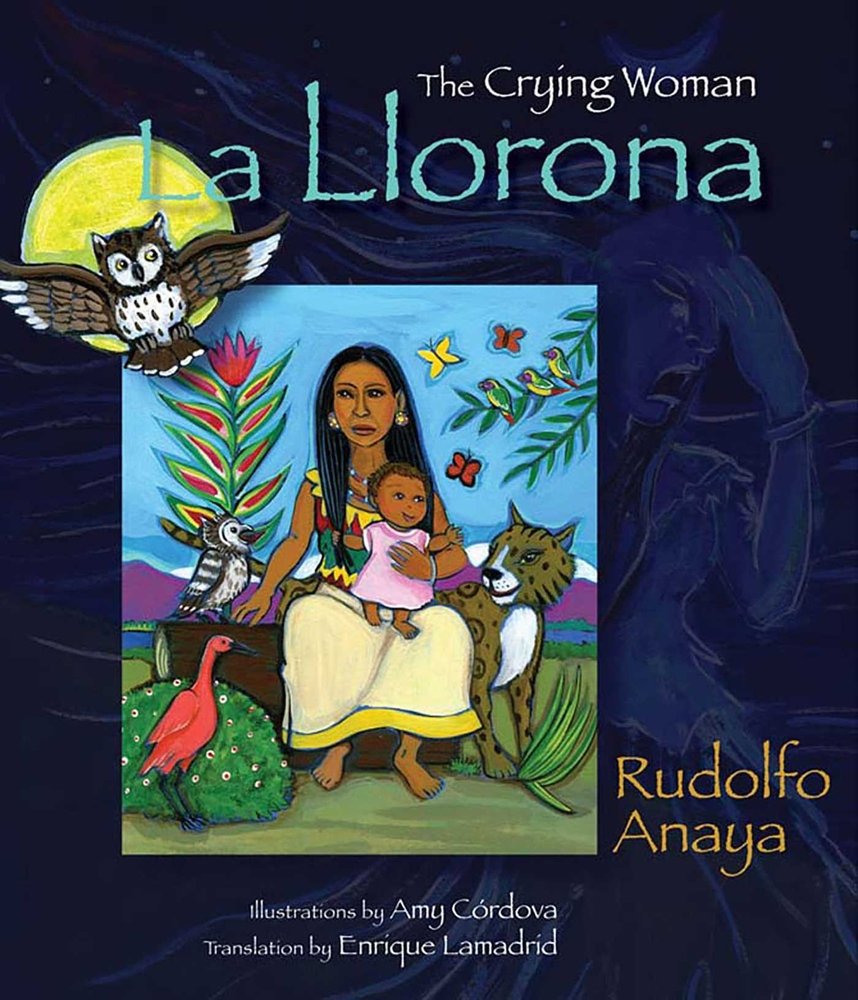
La Llorona: The Crying Woman is a classic retelling of the La Llorona folktale, but with an empathetic tone on navigating mortality. Rudolfo Anaya, an essential voice in Chicano literature, grounds the plot not as any ghost story but as one deeply rooted in Hispanic/Indigenous New Mexican tradition. While targeted towards young readers, this novel is widely read by all age groups.
Bless Me, Ultima by Rudolfo Anaya
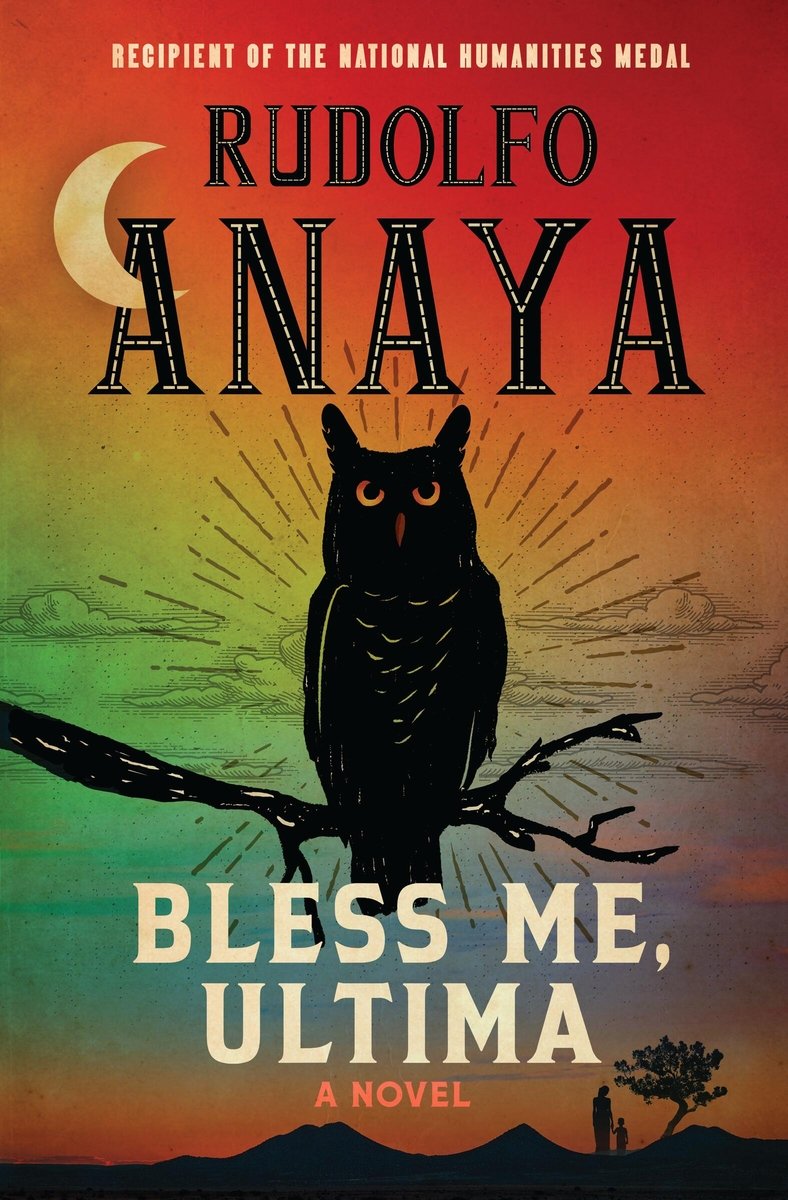
I had to include another work by this author, as this is his most popular. This is a coming-of-age story set in 1940s rural New Mexico, following a boy named Antonio Màrez y Luna (Tony). The myth of La Llorona doesn’t drive the plot of Bless Me, Ultima, but the novel shows how Hispanic cultural myths, including La Llorona, shape the protagonist’s perception of the world. La Llorona may be an entertaining ghost story, but it’s important to recognize how myths play a meaningful role in shaping identity and worldview in Hispanic culture.
La Llorona: The Weeping Woman / La Llorona: La Mujer Que Llora by Joe Hayes
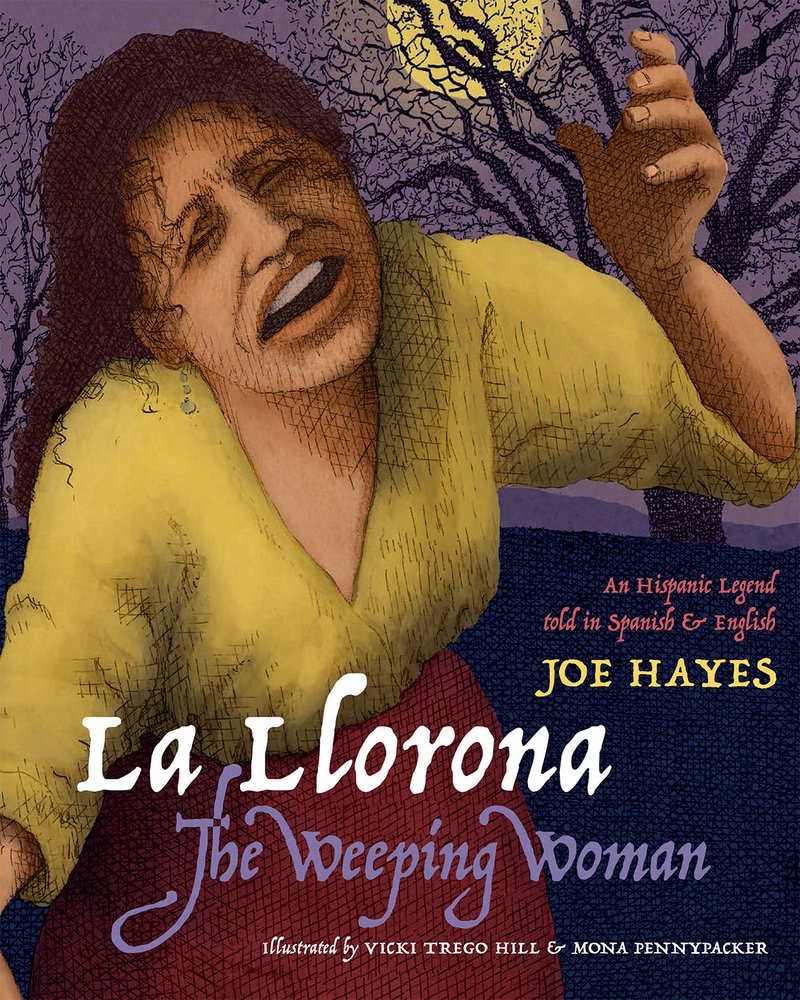
Joe Hayes’ edition is another retelling aimed at young readers; however, it’s presented in both English and Spanish. The novel is excellent as both an entertaining read and an educational resource, as it’s often used in schools to teach folklore and bilingual literacy. Hayes manages to keep La Llorona’s spook factor despite being geared to a younger audience.
Summer of the Mariposas by Guadalupe García McCall
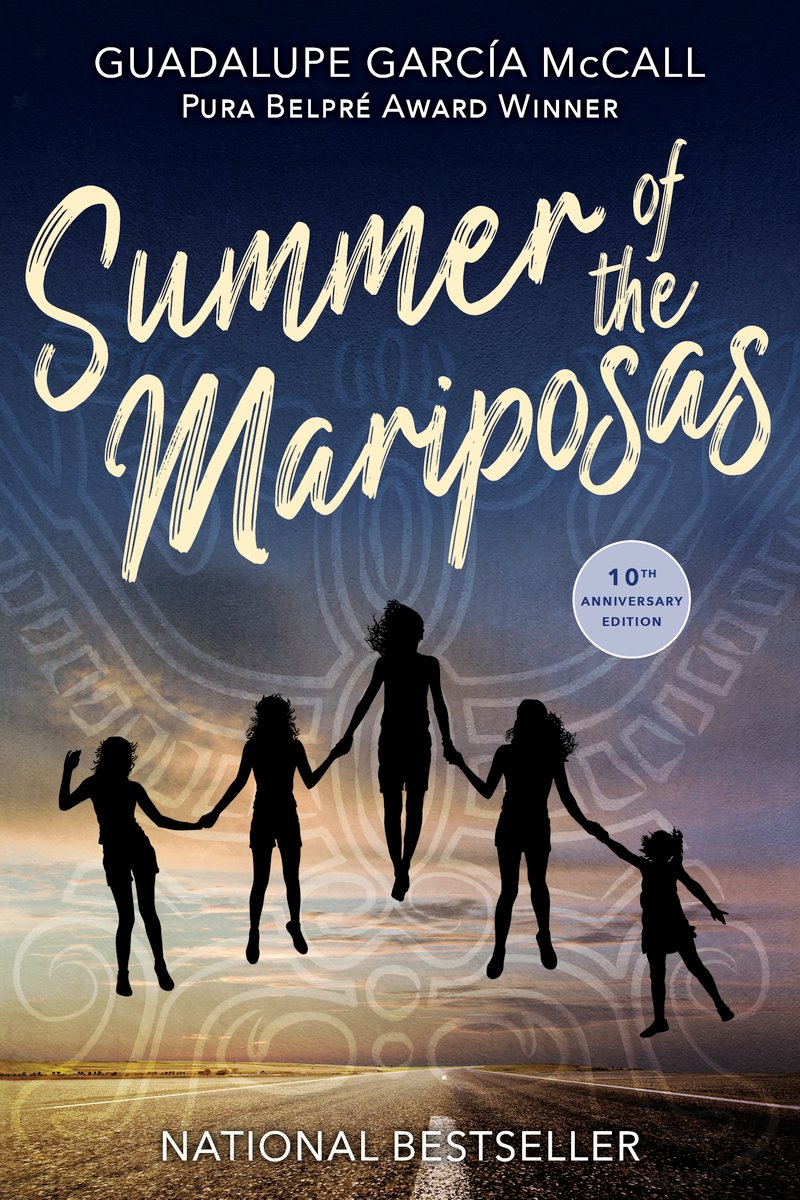
One thing about me: if there’s a YA fantasy novel about myths, I’m going to read it. Summer of the Mariposas is a YA fantasy that reimagines The Odyssey through Mexican folklore. The story follows five sisters on a journey to return a dead man to his family in Mexico, encountering mythical spirits along the way. Chief among them is La Llorona, who appears as a guiding, maternal figure. With a premise this compelling, it’s a book that deserves to be read.
La Llorona is much deeper than some scary urban myth. With these recs, you can learn about how she serves many purposes in Hispanic culture, and still be spooked, of course. I hope you pick up one of these books today, and if you think I missed one, let me know!
Want to learn about more Hispanic urban myths? Click here.
Find these books in the Hispanic/Latinx Recommendations: Bedtime Stories, Poetry, and Novels shelf on our Bookshop.org page and help support indie bookstores.